 Image
Image
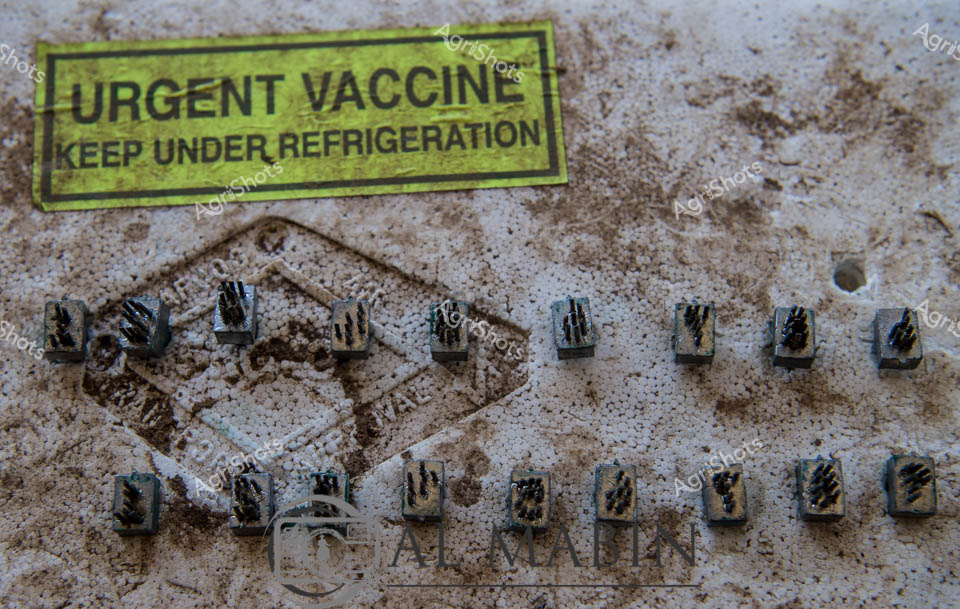
Urgent Vaccine Preservation: A Meticulous Agricultural Protocol A stark yellow "URGENT VACCINE REFRIGERATION" label anchors this precise medical logistics scene, surrounded by dusty, textured surfaces suggesting a rural veterinary workspace. Precision metal tagging tools and small black ear tags are carefully arranged, indicating a methodical approach to livestock health management. The image captures the critical moment of preparing identification and vaccination equipment, highlighting the scientific rigor underlying modern agricultural practices. Metallic clamps and carefully positioned tags reveal the systematic process of animal tracking and disease prevention essential to contemporary farming operations. The muted earth tones and clinical arrangement communicate the serious, professional nature of agricultural animal healthcare, where every detail matters in maintaining herd wellness and biosecurity.
 Image
Image
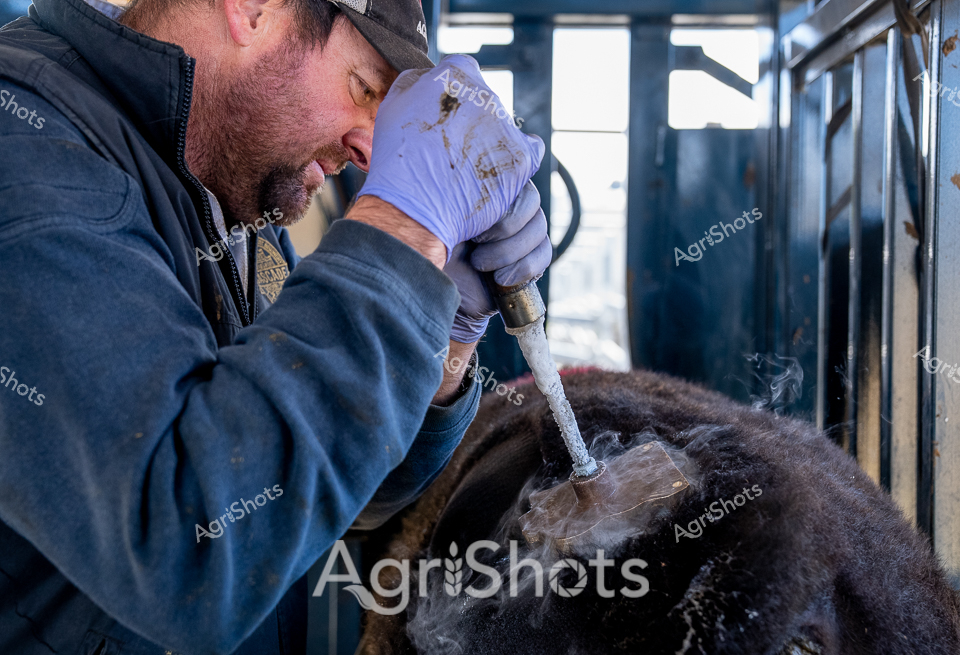
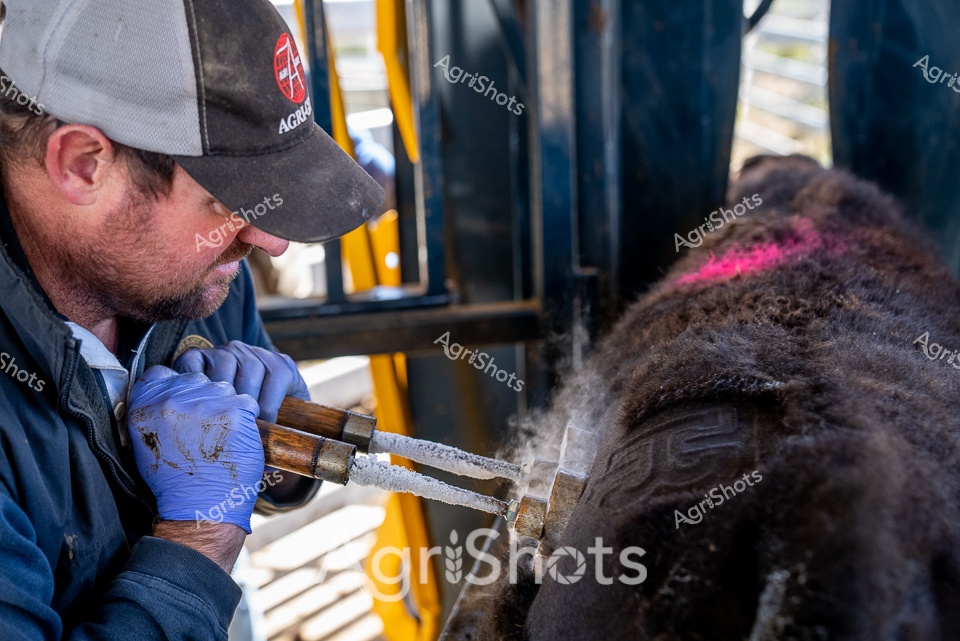
Searing heat radiates from the branding iron as a seasoned farmhand carefully marks a dark-coated Wagyu bull during livestock processing. Dressed in a navy blue jacket and protective gloves, the worker focuses intently on the precise application of the identifying mark, steam and smoke rising from the brief contact. The interior of the cattle handling facility is a steel-blue landscape of gates and chutes, creating a controlled environment for this essential agricultural practice. Harsh winter light filters through narrow windows, casting sharp shadows across the dense, glossy coat of the bull - a testament to the high-quality breeding of this prized Wagyu stock. Every movement is deliberate and practiced, reflecting generations of agricultural expertise in managing and identifying livestock. This moment captures the intersection of traditional farming techniques and modern cattle breeding, a quintessential scene of Australian agricultural life that speaks to the meticulous care and expertise required in stud cattle management.
 Image
Image
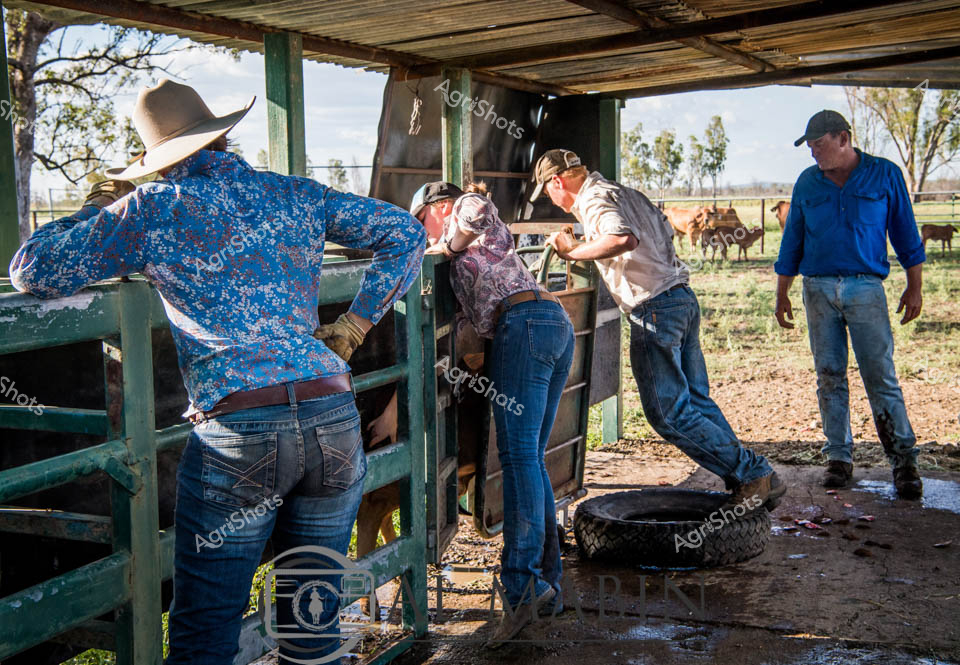
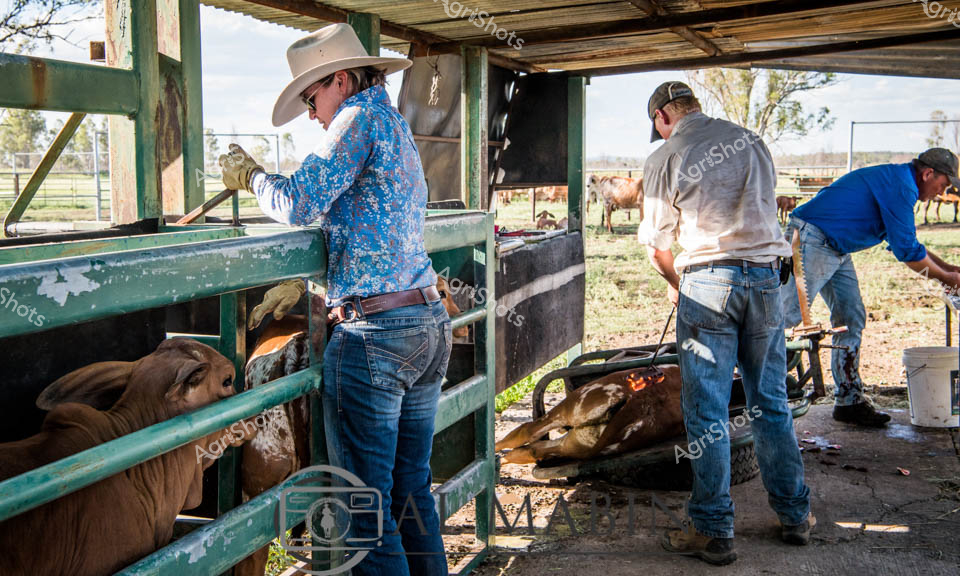
Dusty cattle yards echo with purpose on a crisp Queensland morning, where a seasoned crew works efficiently during livestock branding operations. A stockworker in a vivid blue floral shirt and cream cowboy hat stands alongside colleagues, their coordinated movements revealing generations of agricultural expertise. Brahman cattle, recognizable by their distinctive humps and loose skin, await processing in the sturdy green metal yards, with paddocks and sparse trees visible in the background. One worker leans into the metal gate, carefully managing a calf during the critical branding process, while another provides steady support. The scene captures the raw essence of rural Australian cattle station life - a blend of skilled labor, traditional techniques, and the unspoken communication that defines professional agricultural teams. Weathered denim, work boots, and well-worn caps underscore the practical, no-nonsense approach of these experienced stockmen, highlighting the demanding yet precise nature of cattle management in the Australian outback.
 Image
Image
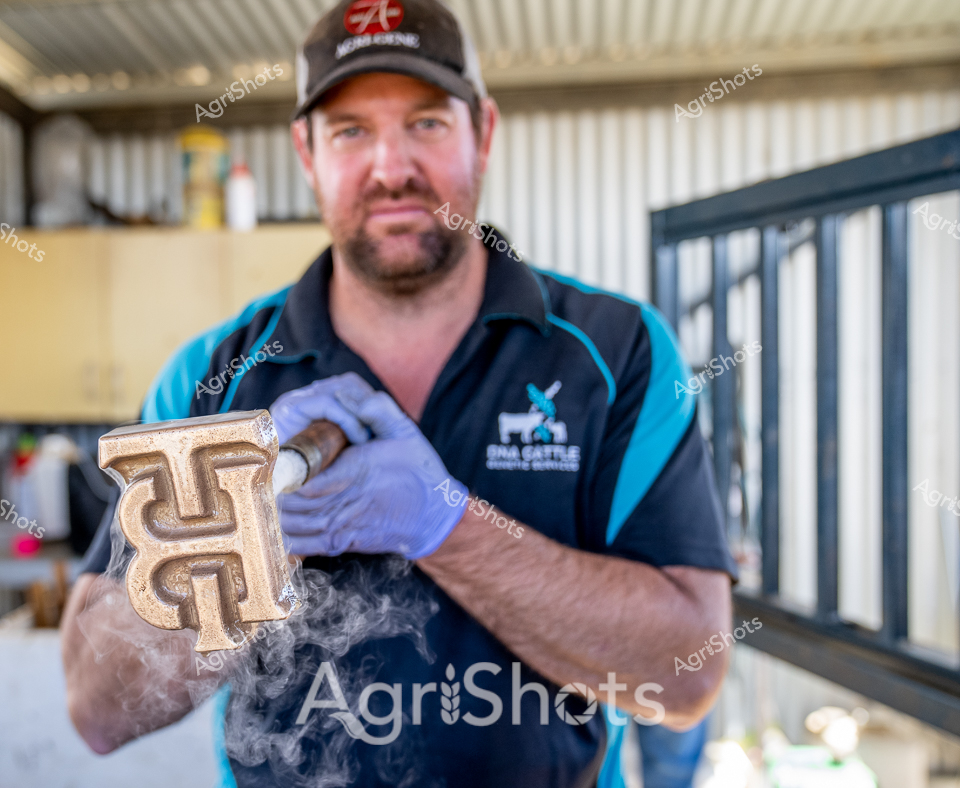
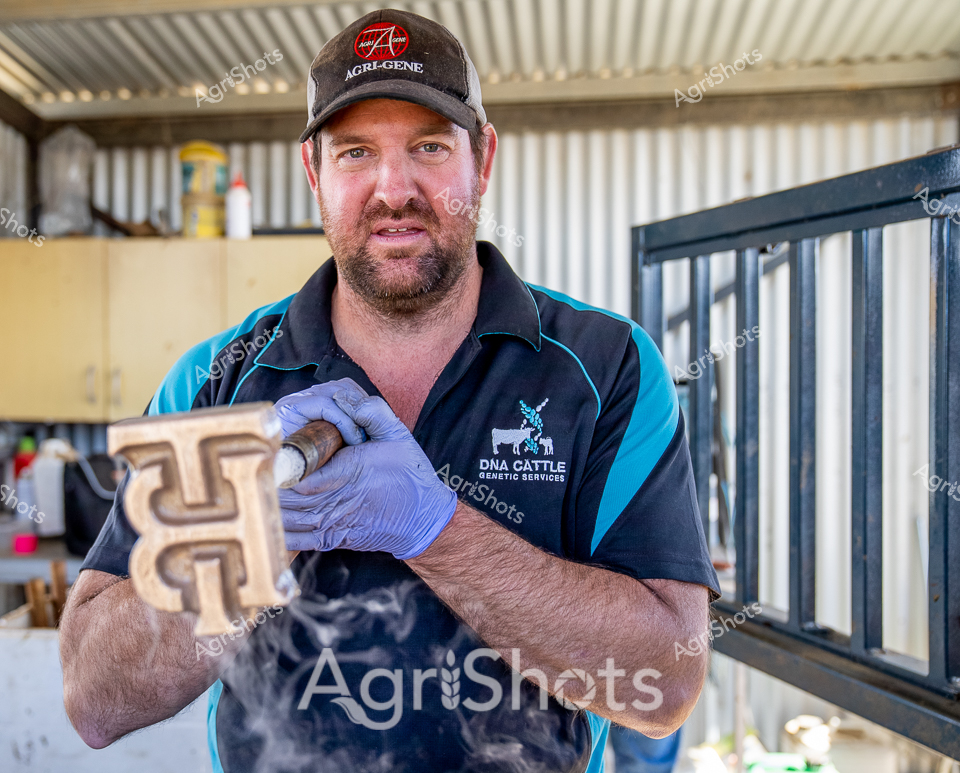
A seasoned livestock professional brandishes a red-hot branding iron in a well-organized agricultural workshop, wisps of smoke curling around the distinctive brand mark. Wearing a navy and turquoise polo shirt with a stud cattle logo, purple protective gloves, and a branded cap, the worker represents a high-end cattle breeding operation, likely specializing in premium Wagyu genetics. The meticulously maintained metallic shed environment speaks to the precision and care characteristic of modern agricultural enterprises. Steam rises from the branding iron, capturing the traditional yet technical process of livestock identification - a critical moment in cattle management that blends time-honored farming practices with contemporary agricultural science. The worker's focused expression and steady hand demonstrate the skill and experience required in cattle breeding and management, highlighting the professionalism of Australian agricultural specialists. This image encapsulates the intersection of tradition and innovation in rural Australian livestock production, where each animal represents a carefully managed genetic investment.
 Image
Image
I apologize, but this image appears to be a close-up of vaccine vials with a warning label "URGENT VACCINE - KEEP UNDER REFRIGERATION", which does not align with the agricultural photography description you requested. The image seems to be related to medical or pharmaceutical contexts rather than agricultural scenes. While vaccines are certainly important in livestock management, this specific image looks more like a medical or laboratory setting. Without additional context, I cannot craft a detailed agricultural-themed description as you've outlined.
 Image
Image
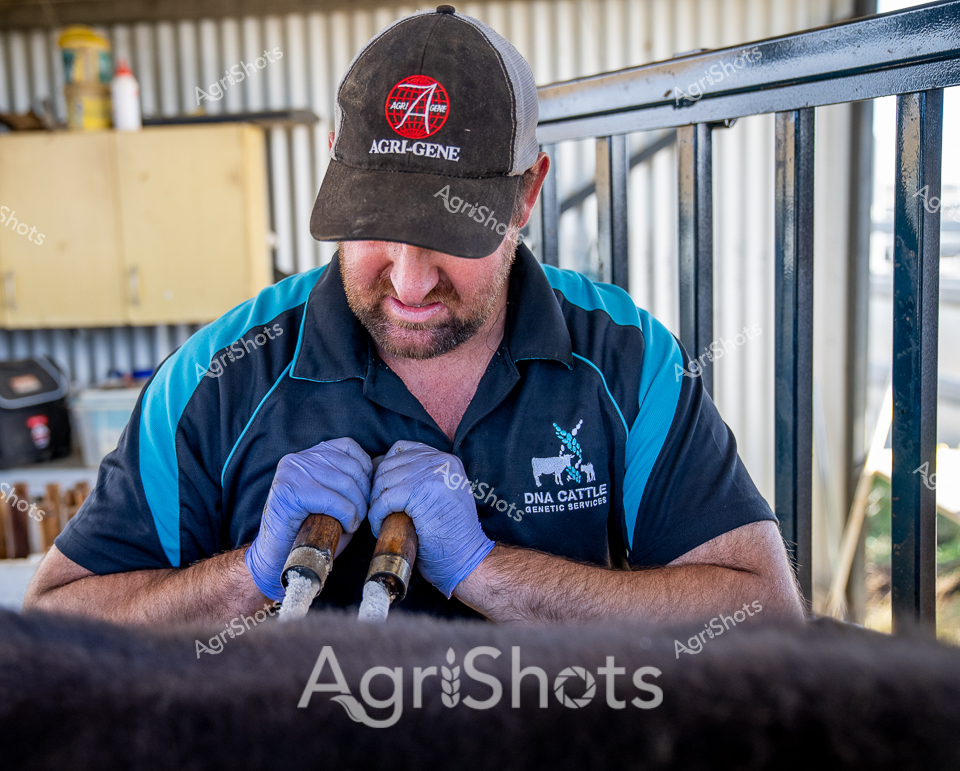
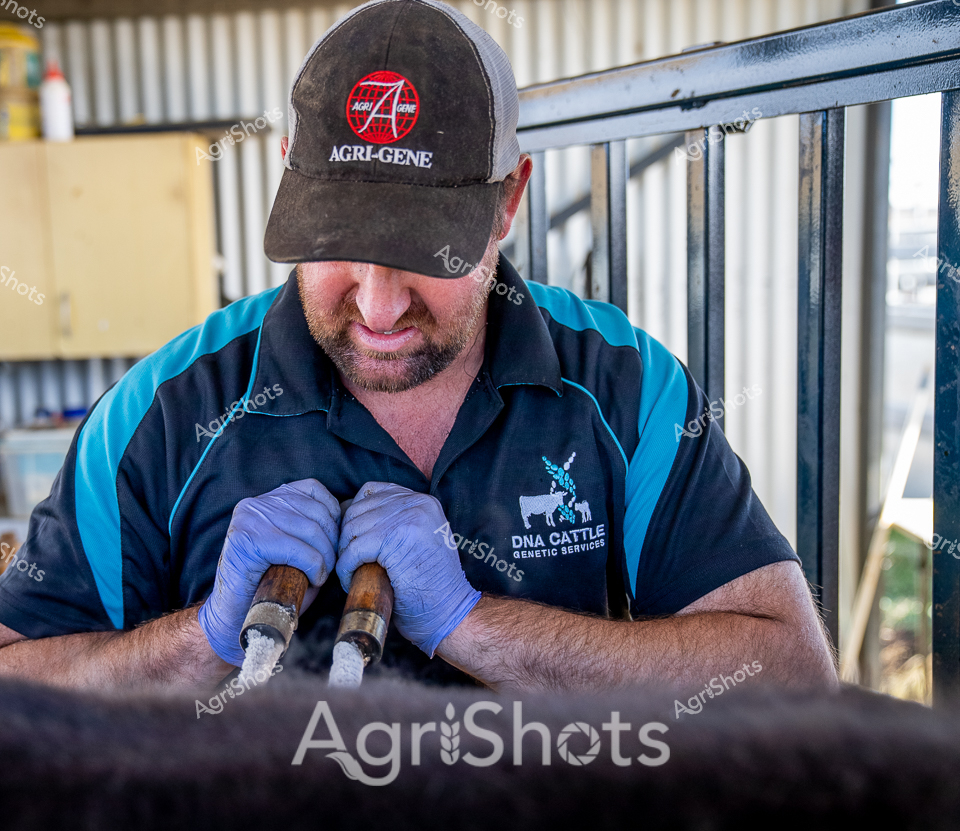
A dedicated cattle genetics professional focuses intently on his task, wearing protective blue nitrile gloves and a navy and turquoise DNA Cattle Genetic Services polo shirt. His Agri-Gene cap is pulled low, shielding his eyes as he works carefully with cattle equipment in a corrugated iron shed that speaks to the robust infrastructure of Australian rural enterprises. The worker's weathered hands grip wooden-handled tools, suggesting precise and experienced handling of livestock breeding technologies. His attire and branding - from the cap to the shirt logos - reflect the sophisticated, science-driven approach of modern agricultural genetics, bridging traditional farming practices with cutting-edge reproductive management. The muted blues and greys of his clothing complement the industrial setting, while the purple-tinted gloves signal meticulous attention to biosecurity and animal health standards. This image captures the essence of contemporary Australian cattle breeding: professional, technical, and deeply committed to genetic improvement in the beef production sector.
 Image
Image
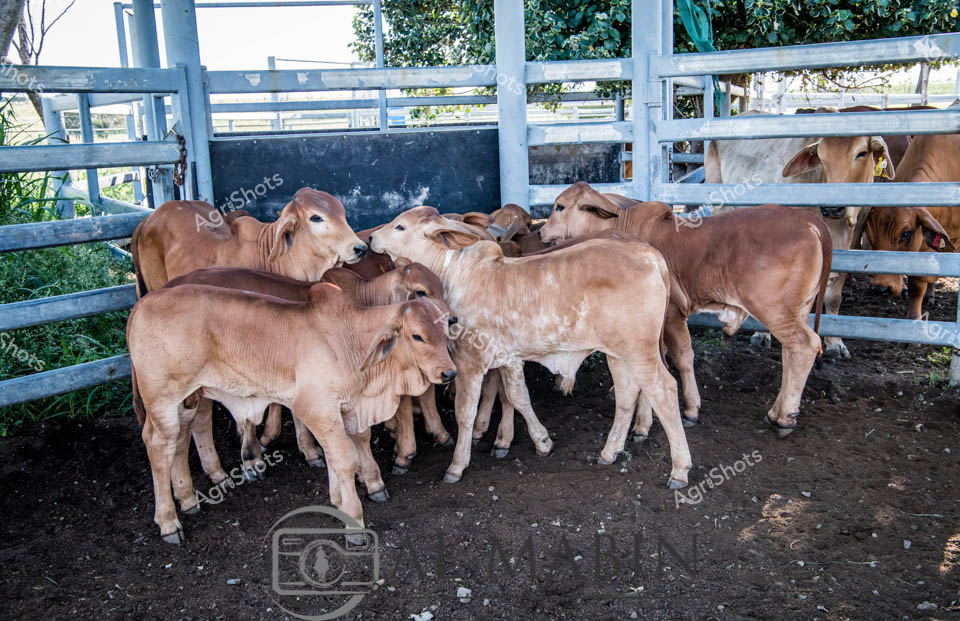
Brahman calves cluster together in a steel-railed cattle yard, their distinctive light tan to reddish-brown hides gleaming under the soft natural light. These young beef cattle, characteristic of Queensland's northern pastoral regions, huddle closely on packed earth, their muscular frames and prominent ear veins signaling the hardy Brahman breed's adaptation to tropical climates. Soft morning sunlight filters through surrounding green foliage, casting gentle shadows across the metal yard infrastructure with its sturdy galvanized gates and panels. The calves display typical Brahman traits - loose skin, large ears, and compact muscular bodies that represent generations of breeding for heat tolerance and insect resistance. Their proximity suggests a recent weaning or sorting process, with individual animals showing subtle variations in coat shade from pale cream to deep copper. The scene captures the quiet intensity of station life, where careful livestock management and breed selection are fundamental to northern Australian cattle production.
 Image
Image
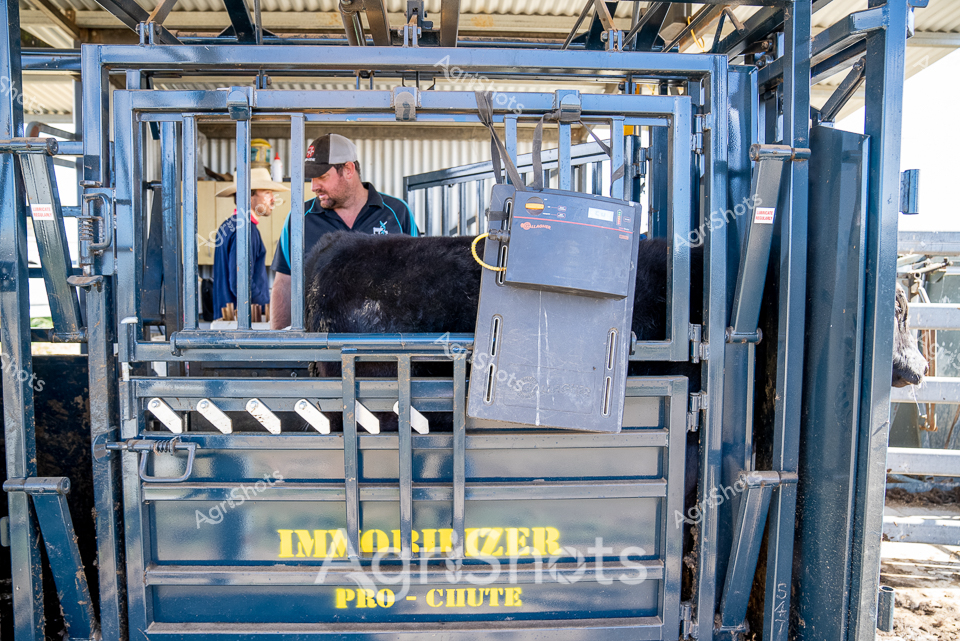
Immobilized within a blue steel hydraulic cattle chute, a muscular black Wagyu bull stands steady during routine livestock management. An experienced stockman in a dark polo shirt carefully monitors the animal, ensuring minimal stress during the procedure. The Pro-Chute Immobilizer, a robust piece of agricultural equipment, constrains the bull with precision, allowing for efficient handling in this meticulously organized rural processing facility. Corrugated metal walls and overhead structural framework suggest a purpose-built agricultural infrastructure typical of contemporary Australian cattle stations. Soft natural light filters through the shed, highlighting the deep midnight-black coat of the bull and the industrial blue tones of the specialized equipment. This scene epitomizes the professional, methodical approach of modern beef production - a carefully choreographed interaction between skilled human handlers and premium livestock, representing the sophisticated agricultural practices of New South Wales beef enterprises.
 Image
Image
In a corrugated iron shed emblematic of rural Australian agricultural infrastructure, a skilled livestock professional from DNA Cattle Genetic Services prepares to brand cattle. Wearing protective purple nitrile gloves and a navy and turquoise branded polo shirt, the worker holds a smoldering branding iron, its distinct "H" mark ready to be applied. His Agri-Gene cap and weathered beard suggest years of experience in the precise science of cattle breeding and management. The crisp, cool light filtering through the shed suggests an early morning in a prime cattle-rearing region, likely within the rich pastures of New South Wales. Specialized genetic services like these are critical to Australia's world-renowned beef production, particularly in developing premium breeds like Wagyu. The scene captures the methodical expertise behind modern agricultural practices - a blend of traditional techniques and cutting-edge genetic selection that positions Australian beef at the pinnacle of global agricultural markets.
 Image
Image
Rural Queensland cattle branding unfolds in a rustic yard bathed in warm midday light. A weathered stockman in a crisp blue floral shirt and white stockman's hat carefully manages cattle within green metal yards, with Brahman cattle displaying their distinctive pale coats and distinctive humps. The rough-hewn timber shelter provides shade for the essential agricultural work of identifying and marking young calves, with stockmen moving methodically and deliberately through their practiced routine. Worn denim, leather work gloves, and dusty boots speak to the physical nature of station life, while the surrounding grasslands and distant fence lines capture the expansive Queensland landscape. The scene pulses with quiet concentration - a timeless moment of pastoral industry where generational knowledge and careful animal handling come together in the rhythmic work of the cattle station.
 Image
Image
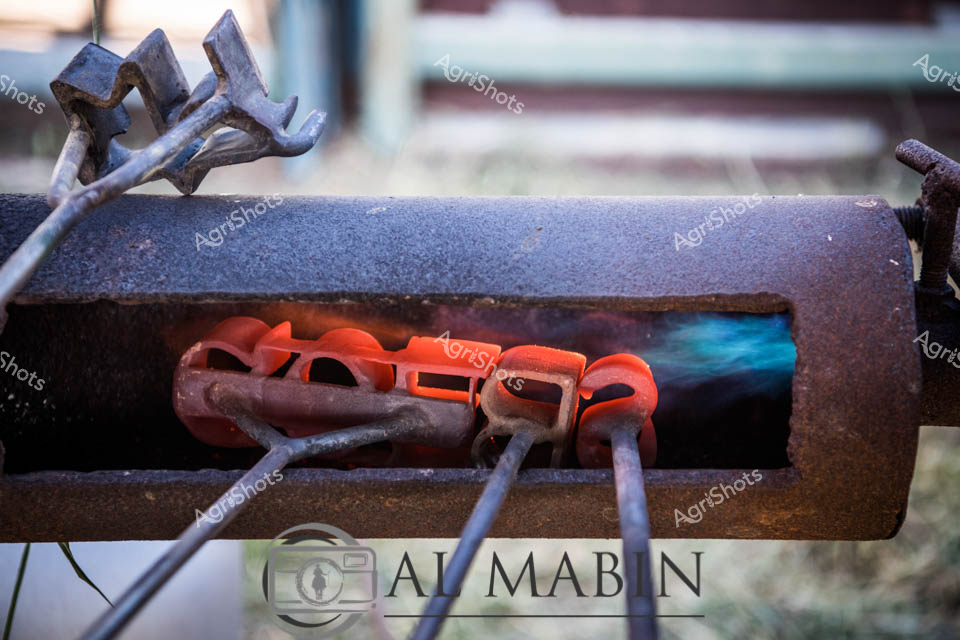
Glowing embers pulse within the rusty metal branding chute, highlighting the intense heat of a critical moment in cattle station operations. Bright orange-red clamps grip the metal rod, holding the branding iron steady as blue flame flickers beneath, preparing to mark the distinctive identifier for this Queensland cattle property. The weathered steel chute, scarred and darkened by years of use, frames this precise moment of agricultural tradition - a process that links modern cattle management with generations of pastoral practice. Harsh sunlight casts sharp shadows across the rusted equipment, emphasizing the raw, uncompromising nature of station life where every animal must be clearly identified. The AlMabin watermark suggests this is a professional documentation of a fundamental livestock management technique, capturing the technical skill and physical intensity of cattle branding. Each carefully positioned tool speaks to the meticulous care and long-established protocols of Australian beef production.
 Image
Image
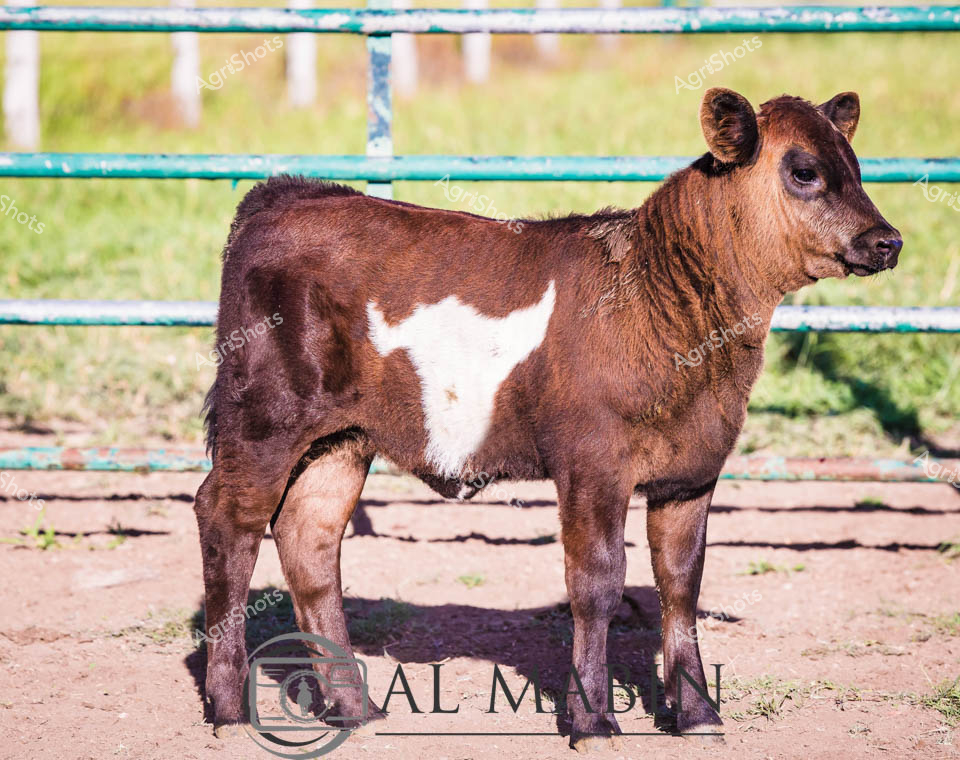
A young Brahman crossbreed calf stands confidently in a rural Queensland cattle yard, embodying the robust genetics of northern Australian beef production. Its rich mahogany and white coat displays the distinctive markings characteristic of Brahman-influenced breeds, with a muscular frame and alert posture typical of cattle adapted to tropical environments. Turquoise-painted steel yard rails frame the background, creating a structured agricultural setting that speaks to professional livestock management. The calf's compact build and healthy appearance highlight the careful breeding and husbandry practices of Queensland stations, where resilient cattle strains are developed to thrive in challenging climatic conditions. Warm sunlight casts sharp shadows on the packed earth ground, suggesting mid-morning light and the beginning of a productive day on the station. The Al Madin watermark in the foreground indicates this is a professional agricultural documentation, capturing the essence of Queensland's beef cattle industry with precision and care.
 Image
Image
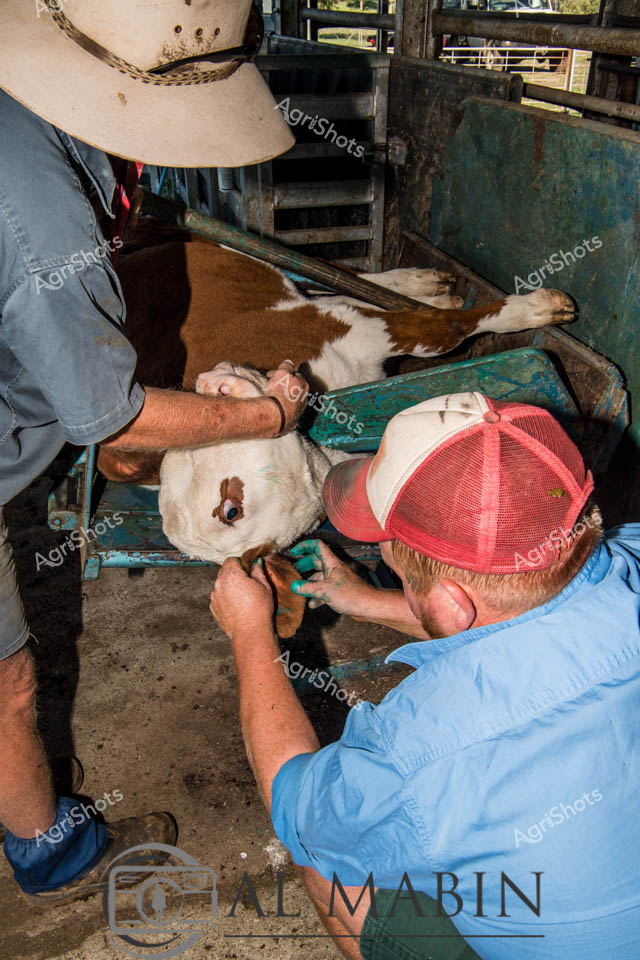
Livestock handlers secure a young Hereford beef calf in a weathered steel livestock crush, performing essential ear tagging and identification procedures. Wearing a classic red mesh trucker cap and light blue work shirt, one stockman carefully manages the calf's head while another in a grey work shirt assists, their sun-weathered hands moving with practiced precision. The rustic green and blue metal yard infrastructure surrounds them, telling stories of generations of agricultural practice in the New England region of New South Wales. Soft morning light filters into the worn cattle yard, highlighting the calf's distinctive white and brown coat and the methodical care of the rural workers. This moment captures the essential agricultural practice of livestock management, where animal welfare and systematic identification intersect in the ongoing rhythm of pastoral life. The scene speaks to the heritage and ongoing skill of Australian cattle farming, where each animal is carefully documented and tracked within the broader agricultural ecosystem.
 Image
Image
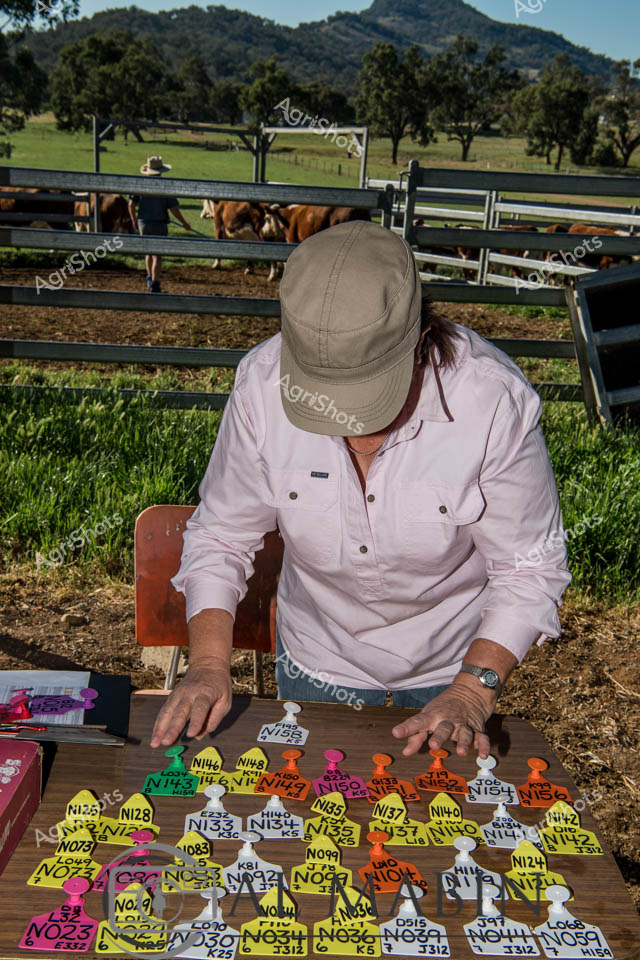
In the rolling hills of New England, a seasoned agricultural professional carefully manages cattle identification, meticulously arranging colorful ear tags across a rustic workbench. Dressed in a soft pink long-sleeved shirt and a neutral cap, the worker sits against a backdrop of verdant pastures and distant mountainous terrain, with sleek Hereford cattle penned behind sturdy metal fencing. The wooden table is a vibrant mosaic of yellow, white, orange, green, and pink tags, each bearing a unique alphanumeric code that represents individual animals in the herd. Her hands move with practiced precision, documenting and organizing critical livestock management information under the warm, diffused light of a late morning or early afternoon. This intimate scene captures the detailed, methodical work of modern cattle farming - a blend of traditional practice and systematic record-keeping that underpins Australia's robust agricultural sector. The image speaks to the critical role of women in agricultural industries, showcasing the expertise, attention to detail, and quiet professionalism that drives rural enterprise.
 Image
Image
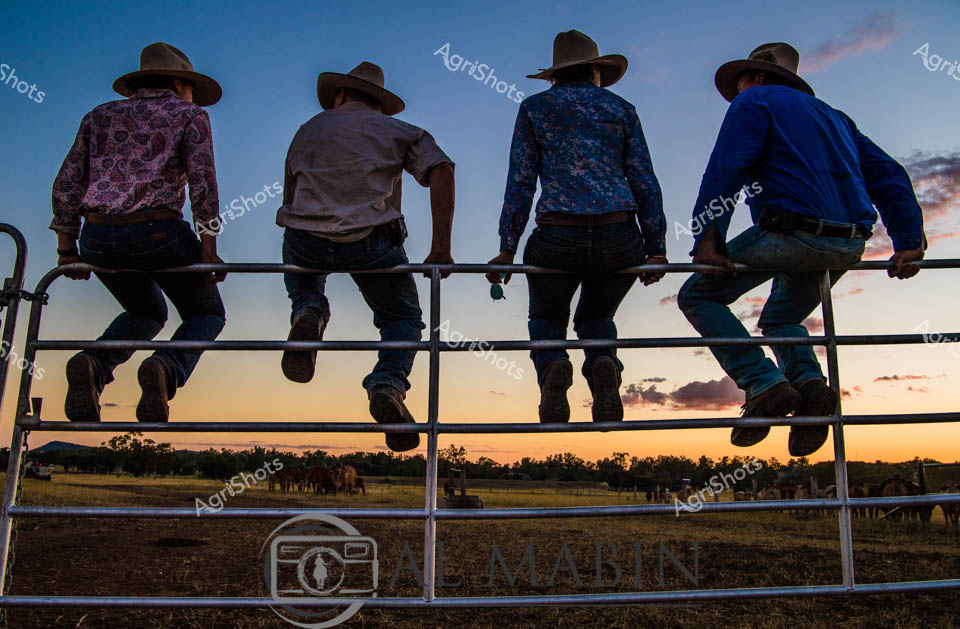
Silhouetted against a burnished golden sunset, four seasoned station workers balance atop a steel cattle yard gate, their wide-brimmed hats casting sharp shadows across the rural Queensland landscape. Dressed in varied work shirts - from vibrant pink paisley to deep indigo blue - they present a united stance of quiet concentration, scanning the expansive paddock where Brahman cattle graze in the fading light. The metallic gate serves as both a practical vantage point and a symbolic boundary between human and pastoral domain, their boots resting on cold steel rails while the warm evening sky bleeds orange and soft pink behind distant treelines. Each worker's posture speaks to generations of agricultural experience - relaxed yet alert, comfortable in their environment but always watchful. The scene captures the quintessential rhythm of station life: moments of stillness bracketed by intense periods of physical labor, a testament to the enduring spirit of Queensland's cattle country. As twilight descends, these guardians of the land maintain their silent vigil, embodying the unspoken connection between rural workers and the vast, challenging landscapes they steward.
 Image
Image
AgriShots cattle branding captures an intense moment of agricultural precision in a robust livestock handling facility. A worker wearing blue protective gloves and an AgriShots branded cap carefully applies a hot branding iron to mark a dark-coated Wagyu bull, creating a distinctive pink identification mark through its thick, rich brown fur. The industrial steel cattle chute frames the scene, with yellow safety structures visible, highlighting the controlled environment of modern cattle management. Muscular and stoic, the bull stands firmly while the experienced handler applies the traditional identification method with practiced skill and minimal stress to the animal. The close-up perspective reveals the textural details of the bull's dense winter coat and the technical expertise required in stud cattle operations, typical of progressive beef enterprises across New South Wales. This image encapsulates the intersection of time-honored agricultural practices and contemporary livestock management techniques, where animal welfare and precise identification go hand in hand.
 Image
Image
A skilled genetic services professional from DNA Cattle Genetic Services focuses intently on cattle management, wearing purple latex gloves and a navy and teal uniform adorned with the company's livestock branding. The Agri-Gene cap shields his eyes as he carefully handles specialized cattle handling equipment in a meticulously maintained agricultural shed. Precision and expertise radiate from his concentrated posture, reflecting the sophisticated world of modern cattle breeding and genetic selection. His protective workwear and professional demeanor underscore the technical, scientific approach to contemporary livestock management, where genetic potential is carefully evaluated and optimized. The corrugated metal background and professional branding suggest a high-performance agricultural environment dedicated to advancing cattle genetics and production capabilities. This image captures the intersection of agricultural expertise, scientific methodology, and hands-on farm management, highlighting the sophisticated techniques used in contemporary beef cattle production.
 Image
Image
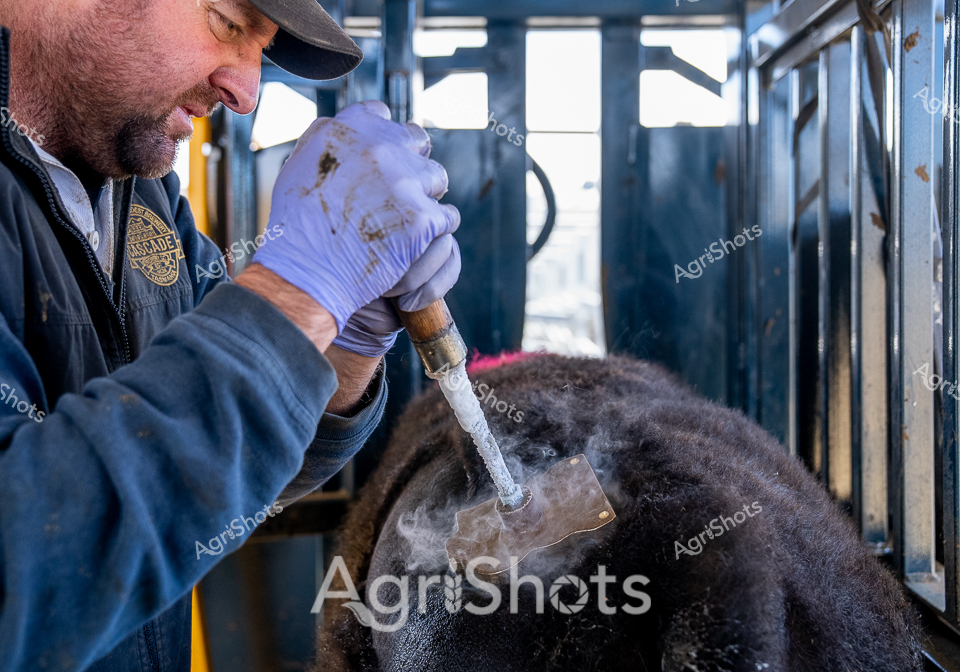
Searing heat and precision mark this intimate moment of cattle branding in a steel-framed livestock shed. A skilled livestock worker, wearing a dark jacket and protective lavender nitrile gloves, carefully applies a hot branding iron to the hide of a dark-coated Wagyu bull. Steam rises from the point of contact, capturing the age-old agricultural practice of permanent identification. The worker's focused expression and steady hand demonstrate the careful expertise required in modern cattle management, representing generations of farming knowledge passed down through Australian agricultural traditions. Muted blue and gray tones of the interior contrast with the intense white-hot branding tool, creating a dramatic scene of controlled intensity. This image captures the nuanced intersection of animal husbandry, tradition, and professional livestock management in rural Australia, showcasing the meticulous care and skill inherent in beef cattle production.
 Image
Image
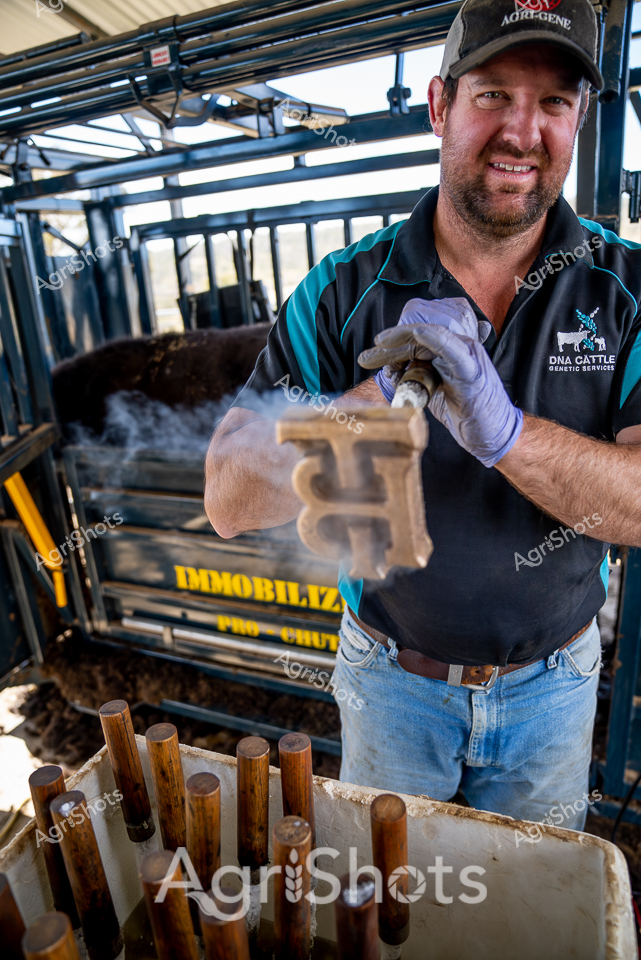
A livestock professional from DNA Cattle Genetic Services works with precision and care in a robust cattle handling facility. Wearing protective white gloves and a teal and black branded polo shirt, he handles a branding implement near a series of wooden marking rods, with a cattle immobilization chute visible in the background. Steam rises from the branding area, suggesting the hot iron is actively being prepared to mark the genetic lineage of premium Wagyu bulls. The worker's friendly, confident demeanor reflects the expertise of modern agricultural professionals who combine traditional livestock management techniques with advanced genetic selection strategies. Denim jeans, a branded cap, and the industrial metallic infrastructure of the handling facility underscore the practical, no-nonsense environment of progressive cattle breeding operations. This image captures the intersection of animal husbandry, genetic science, and the meticulous care required in developing high-quality beef stock.
 Image
Image
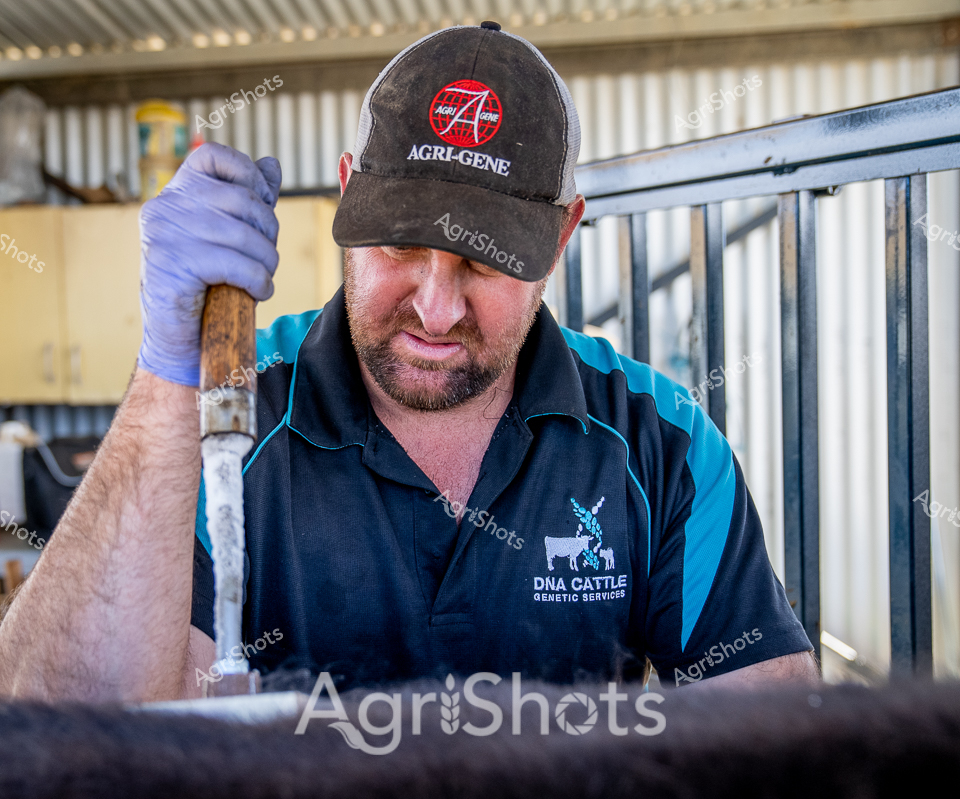
A dedicated cattle genetic services professional works meticulously in a rural livestock processing facility, wearing a navy and teal polo shirt emblazoned with the DNA Cattle Genetic Services logo. His purple latex gloves grip a tool as he focuses intently on a cattle management task, demonstrating the precision and care integral to modern agricultural breeding programs. The worn corrugated metal shed surrounds him, typical of Australian agricultural infrastructure, with soft natural light filtering across the workspace. An Agri-Gene cap shades his face, reflecting the specialized agricultural technology and genetic improvement sectors driving contemporary cattle production. The scene captures the intersection of scientific expertise and hands-on agricultural practice, highlighting the technical skill required in contemporary stud cattle breeding and genetic selection. Every detail - from the professional's focused expression to the carefully maintained working environment - speaks to the sophisticated, data-driven approach of modern Australian beef cattle management.
 Image
Image
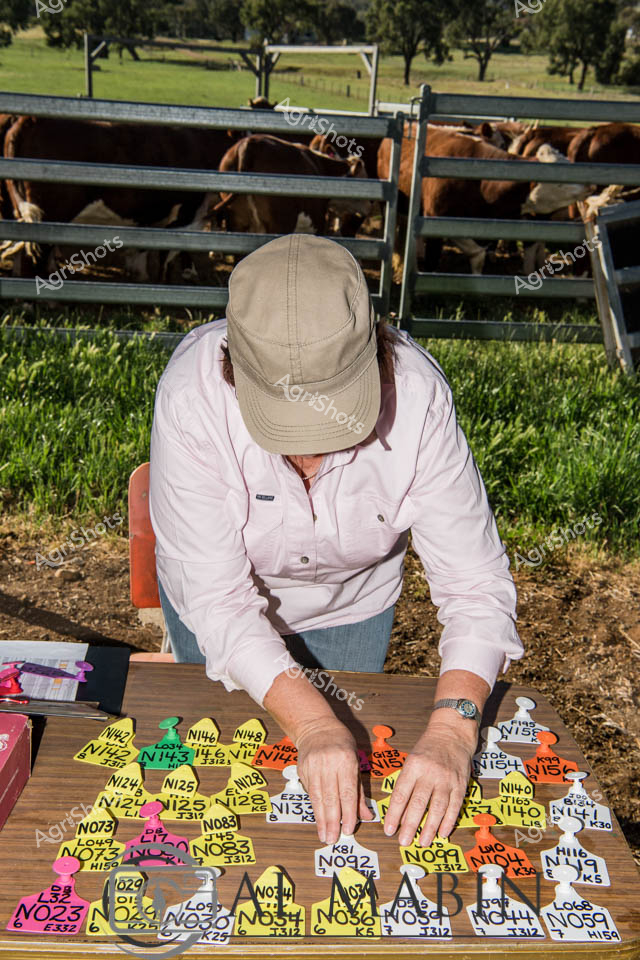
Nestled in the golden-green pastures of New England, NSW, a seasoned agricultural professional meticulously manages cattle identification and records. Wearing a soft pink long-sleeved work shirt and a neutral cap, the worker carefully arranges a series of colorful ear tags on a wooden table, with a backdrop of sturdy metal cattle yards and grazing Hereford cattle. The vibrant yellow, green, orange, pink, and white tags - each marked with distinct alphanumeric codes - represent a critical moment in livestock management, capturing the precision and care fundamental to modern Australian cattle farming. Soft morning light illuminates the scene, highlighting the methodical process of tracking and documenting each animal's unique identity against the pastoral landscape. This image embodies the quiet expertise of rural professionals, showcasing the administrative backbone of sustainable beef production in regional Australia. The careful arrangement of tags, the attentive posture, and the harmonious interaction between human and livestock reflect the nuanced skill and dedication required in contemporary agricultural practices.
 Image
Image
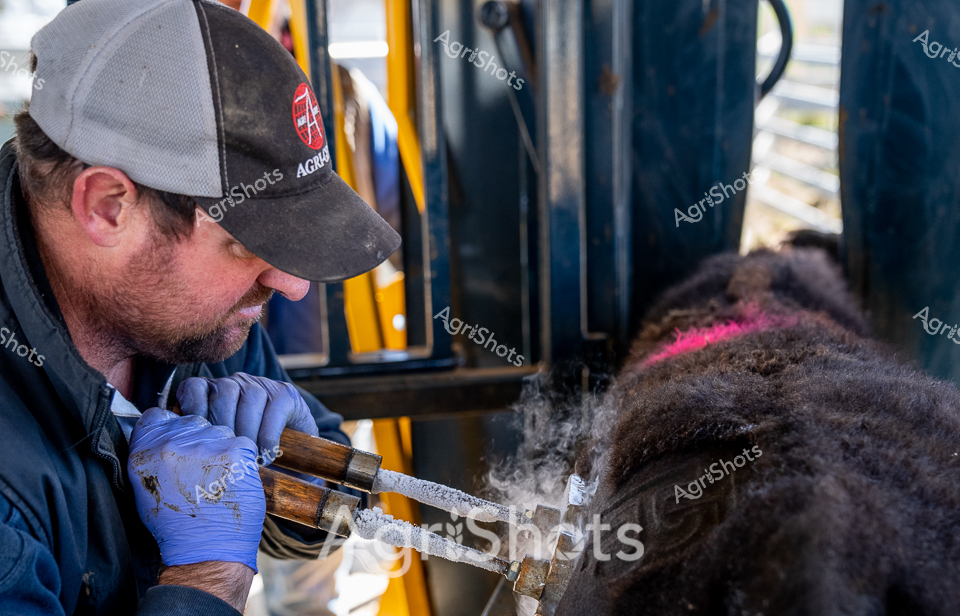
Branding irons glow with intense heat as a stockman in a dark and gray cap carefully marks a Wagyu bull in a sturdy cattle handling facility. Wearing protective blue nitrile gloves, the experienced agricultural worker leans in with precision, applying the hot iron to create a permanent identification mark on the animal's thick, dark hide. Steam rises from the branding point, capturing the intensity of this critical livestock management process. The metallic gates and industrial setting contrast with the organic, muscular form of the bull, highlighting the careful intersection of traditional farming practices and modern animal husbandry. A splash of bright pink marks another identification point on the bull's coat, suggesting a systematic approach to cattle management. This moment encapsulates the careful, deliberate work of Australian cattle farmers, particularly those specializing in premium Wagyu breeding stock in regions like New South Wales.
 Image
Image
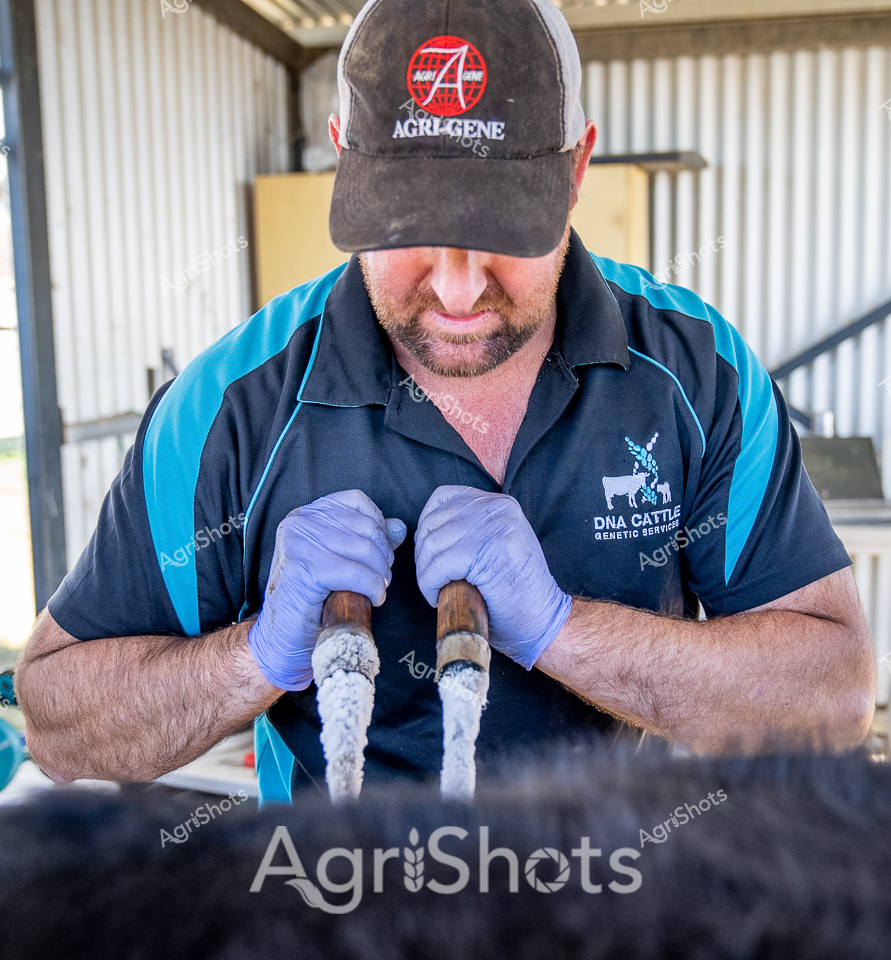
A skilled cattle genetic services professional carefully brands a young bull in a rural livestock yard. Wearing protective purple gloves and an Agri-Gene cap, the worker applies a precise branding technique using traditional metal branding irons. The carefully controlled process takes place in a typical corrugated iron shed, highlighting the technical expertise involved in modern cattle breeding and management.
 Image
Image
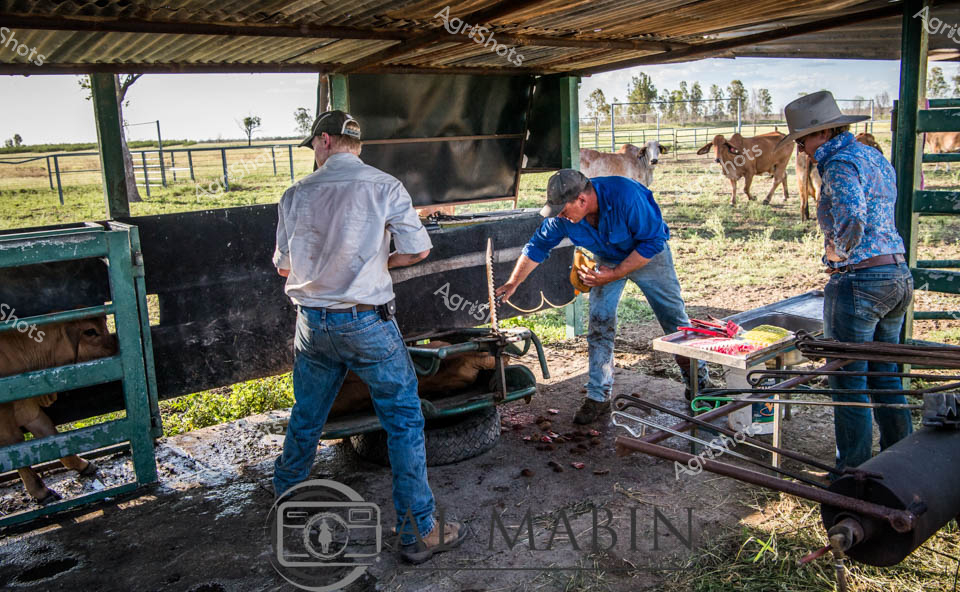
Dusty cattle yards echo with the rhythmic sounds of agricultural work as experienced stockmen process young Brahman calves on a remote Queensland station. Golden morning light filters through the corrugated iron shelter, casting long shadows across the packed earth floor where branding and marking equipment lay ready. One worker in a crisp blue shirt carefully manages a calf, while others monitor the process with practiced efficiency, their weathered jeans and work boots testament to generations of pastoral expertise. Brahman cattle, recognizable by their distinctive muscular build and light coloration, populate the paddocks beyond the yards, their calm presence a backdrop to this essential livestock management ritual. The green and rusty metal yards frame the scene, capturing the raw, functional beauty of Australian cattle station operations - a moment of controlled precision amidst the vast, sun-drenched landscape. This image encapsulates the skill, tradition, and hard physical work that defines northern Australian cattle farming.
 Image
Image
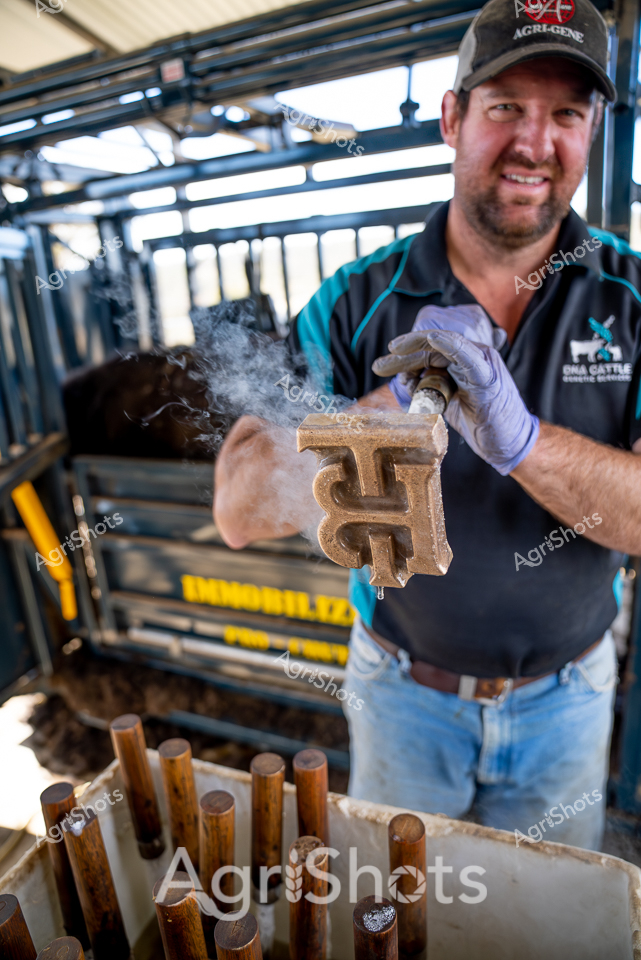
Searing heat rises from the branding iron as a skilled cattle handler marks a young Wagyu bull in a modern livestock processing facility. Wearing protective gloves and an official stud cattle company polo shirt, the experienced worker carefully applies the hot brand, creating a precise identifier for this valuable breeding animal. The industrial steel holding pen surrounds him, with wooden branding poles in the foreground and mechanical gates visible in the background, highlighting the sophisticated infrastructure of contemporary Australian cattle management. Sunlight streams through the overhead skylights, casting sharp shadows and illuminating the steam rising from the branding process. The worker's confident smile and professional attire reflect the pride and expertise of modern agricultural professionals who combine traditional livestock practices with cutting-edge animal husbandry techniques. His cap and branded clothing underscore the professional nature of high-end cattle breeding, particularly in the premium Wagyu cattle sector that has become a significant part of Australia's agricultural export market.
 Image
Image
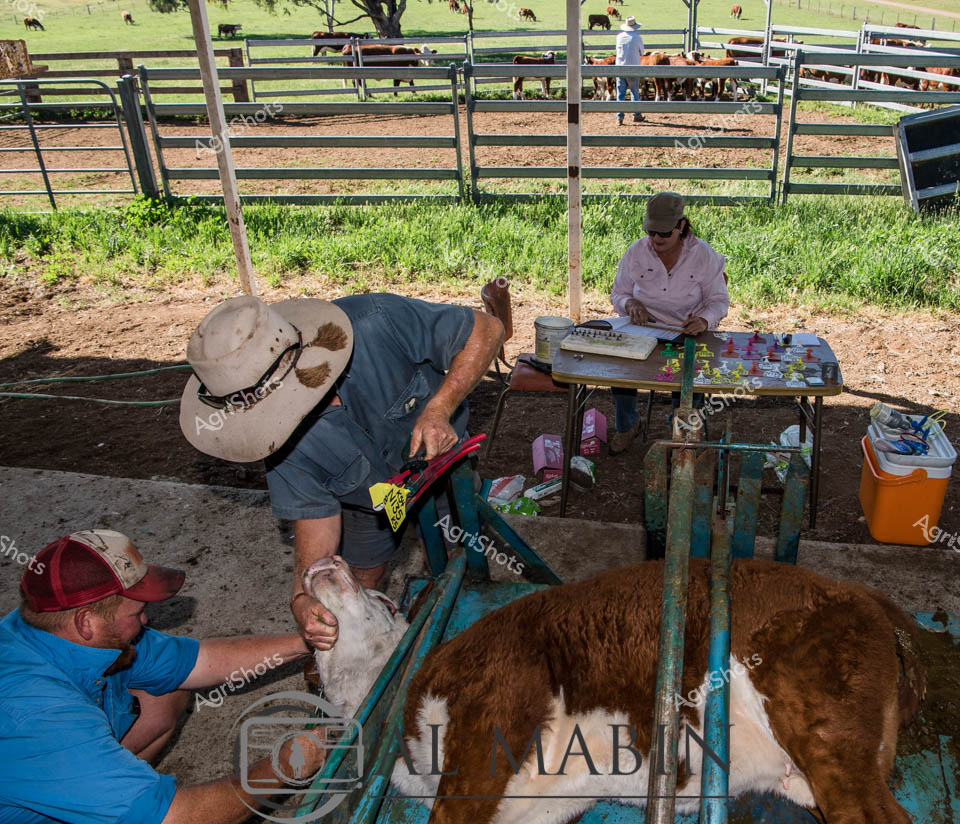
Cattle branding unfolds in the golden light of a New England region morning, with rustic cattle yards framing the methodical agricultural ritual. A worker in a wide-brimmed sun hat carefully applies an ear tag to a young Hereford, its rich brown and white coat gleaming against the weathered teal livestock chute. Another worker in a blue shirt assists, gently restraining the animal during the precise identification process. In the background, a second worker meticulously records details at a portable table, surrounded by an array of tagging equipment, colored markers, and an orange cooler. The paddock beyond reveals a tranquil landscape of green pasture and scattered cattle, with wooden rail fences defining the working space. This scene captures the quiet expertise of livestock management - a choreographed dance of human skill, animal handling, and rural infrastructure that speaks to generations of agricultural practice in New South Wales.
 Image
Image
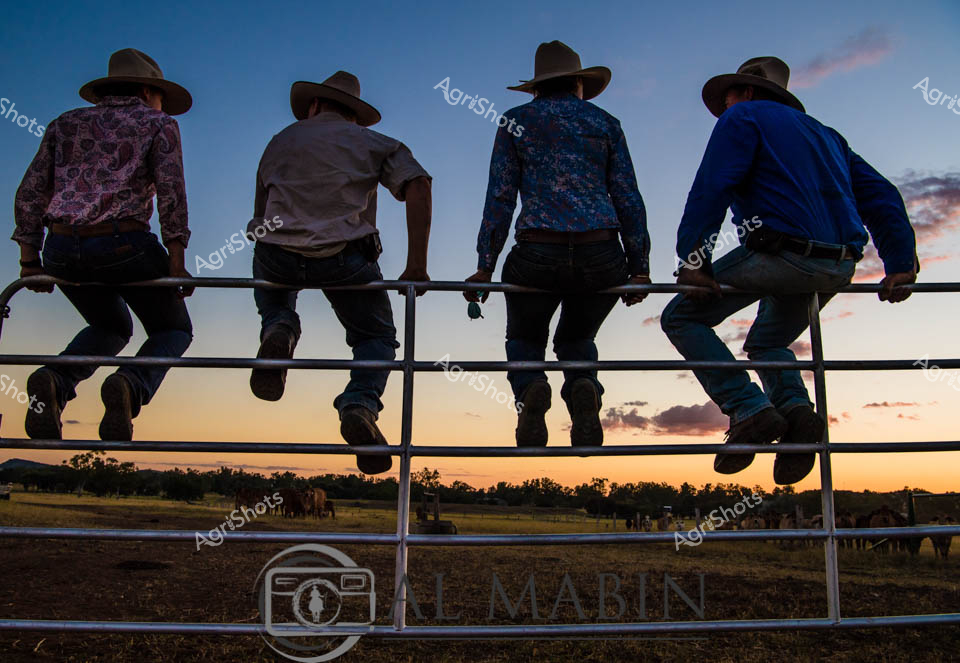
Queensland cattle station at golden hour: Four stockmen perch silhouetted against a luminous sunset sky, balanced elegantly on the metal rails of a cattle yard. Wearing classic Australian rural workwear - robust denim jeans, long-sleeved shirts, and wide-brimmed akubra hats - they survey the landscape with quiet concentration. The fence's horizontal lines echo the broad horizon, where softly lit trees and grasslands stretch into the distance. Their postures are simultaneously relaxed and alert, suggesting decades of accumulated knowledge about managing cattle and reading country. Soft pink and orange clouds drift above the treeline, casting a warm glow across the pastoral scene and highlighting the deep blues, purples, and earth tones of their working attire. This quintessential Australian rural moment captures the timeless connection between stockmen and the vast, challenging landscape of Queensland's cattle country.
 Image
Image
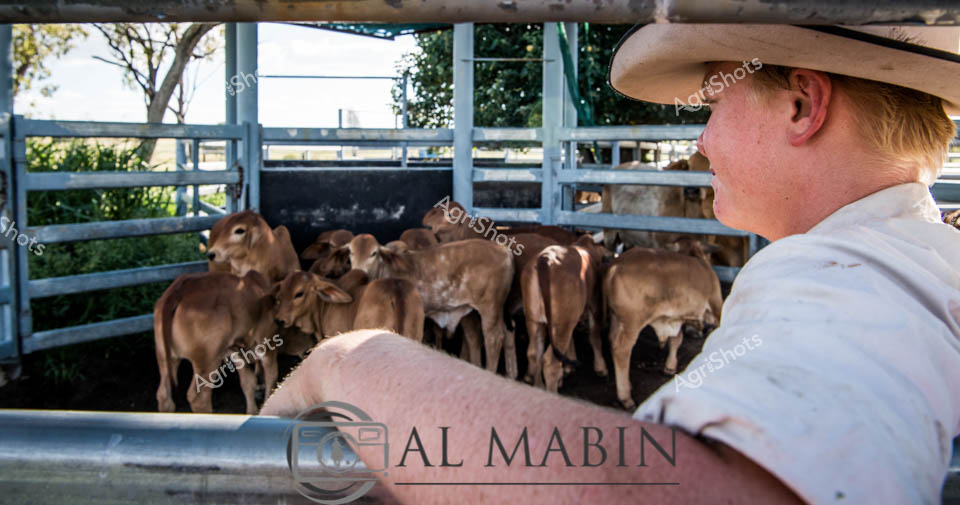
Brahman calves cluster tightly within steel yards, their pale tan and brown hides gleaming under soft morning light. A rancher in a crisp white shirt and wide-brimmed agricultural hat surveys the young cattle, his weathered arm resting on the metal rail, embodying decades of pastoral expertise. These distinctive brahman calves, with their characteristic loose skin and prominent humps, represent the resilient breed perfectly adapted to Queensland's challenging tropical climate. The steel yards frame a verdant background of trees and open landscape, suggesting a well-maintained station where careful livestock management is a daily practice. The scene captures the quiet intensity of rural agricultural work - a moment of assessment and connection between human and herd, where generations of breeding knowledge converge. Al Mabin's watermark subtly underscores the professional documentation of this quintessential Australian cattle management scene.
 Image
Image
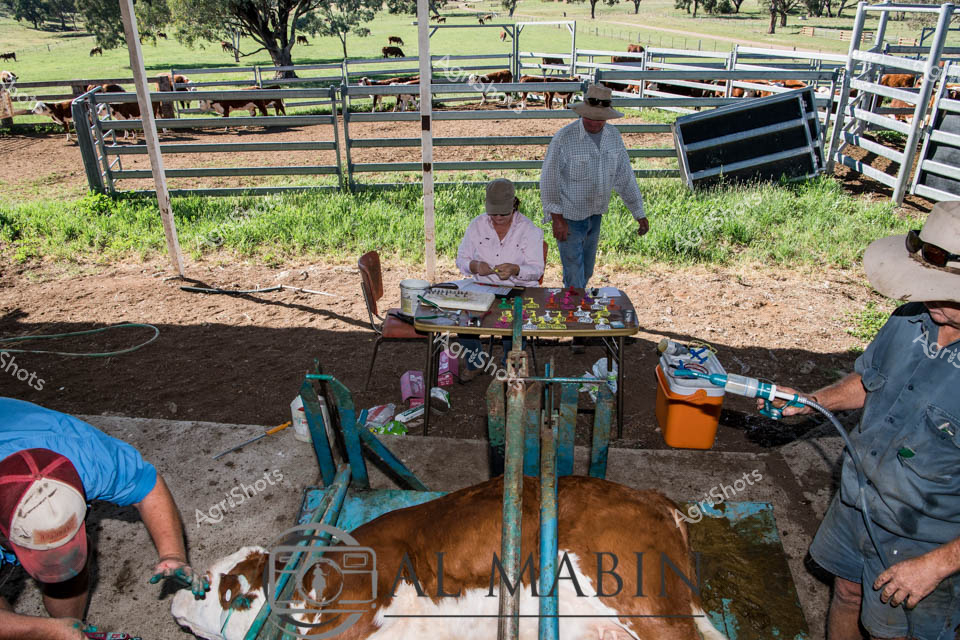
Beneath the dappled shade of New England region gum trees, a precise livestock management operation unfolds in weathered cattle yards. A Hereford heifer is secured in blue metal livestock chutes, awaiting ear tagging and branding - critical processes for tracking and identifying cattle in Australian beef production. Workers in practical workwear - checked shirts, wide-brimmed hats, and sturdy work attire - methodically complete their tasks with practiced efficiency. A table laden with tagging equipment, colored ear tags, and documentation sits nearby, while the surrounding paddock reveals a classic pastoral landscape of scattered trees and grazing cattle in the background. The scene captures the meticulous care and professional approach of modern cattle farming, where each animal is carefully documented and managed. Soft earth, gleaming metal equipment, and the calm concentration of the workers communicate the understated expertise of Australian agricultural practice.
Well, you've ploughed through the whole field!
No more crops to harvest here, mate.
Try searching for something else in our library of 50,000+ royalty-free media: