 Image
Image
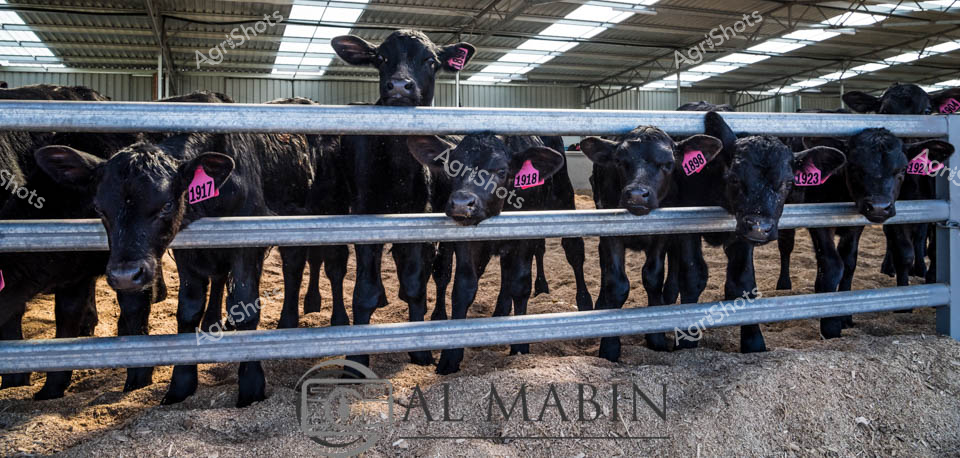
Black Angus calves stand in tight formation behind sturdy galvanized steel railings within a modern, light-filled indoor livestock facility. Uniformly tagged with bright pink identification markers, these young cattle represent precision agricultural breeding and management. Soft natural light streams through translucent roof panels, illuminating their deep black coats and creating subtle shadows across the concrete and sawdust flooring. Each calf displays alert, curious expressions, their sleek bodies demonstrating robust health and careful rearing practices typical of high-performance dairy and beef operations. The Al Mabin branding watermark suggests this compelling agricultural scene captures the technical sophistication and professional standards of contemporary Australian livestock farming. These young Angus calves embody the next generation of carefully selected genetic lines, poised for future production in Tasmania's advanced agricultural landscape.
 Image
Image
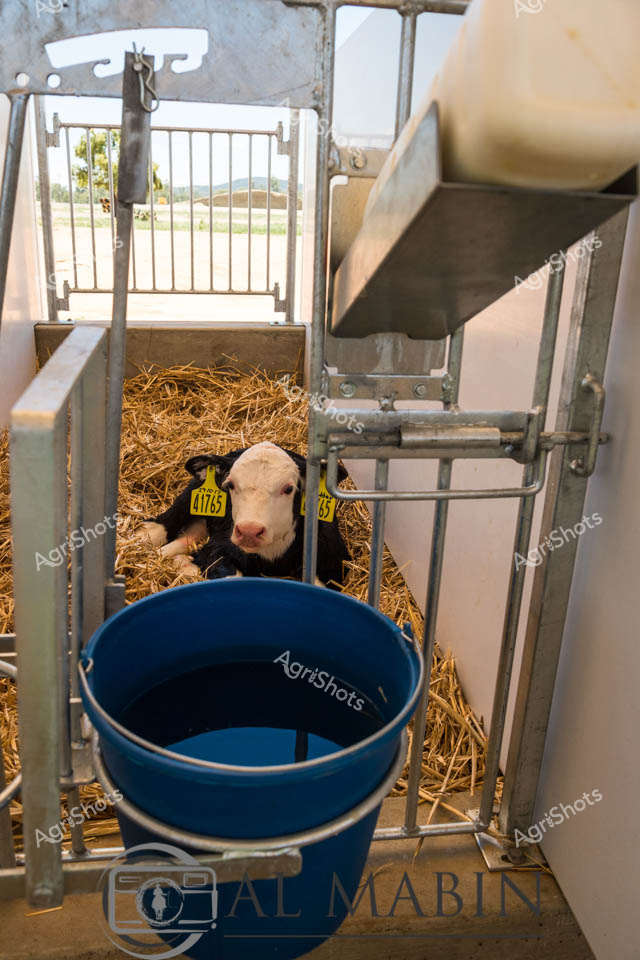
A young Holstein dairy calf nestles into golden straw bedding within a precisely engineered calf rearing pen, tagged with a yellow identification marker. Gleaming stainless steel gates and structural elements frame the tender scene, reflecting modern agricultural infrastructure designed for animal welfare and efficient farm management. The blue feeding bucket stands ready, waiting to deliver crucial nutritional support to the newborn, symbolizing the meticulous care integral to contemporary dairy farming practices. Soft natural light filters through the pen's background, revealing distant rural landscape hints - rolling hills and open paddocks characteristic of dairy regions in New South Wales. The calf's pristine white coat contrasts beautifully against the warm wheat-colored straw, creating a visual narrative of nurture, growth, and agricultural precision. This intimate vignette captures the delicate early stages of livestock development, where sophisticated agricultural technology meets fundamental animal husbandry principles.
 Image
Image
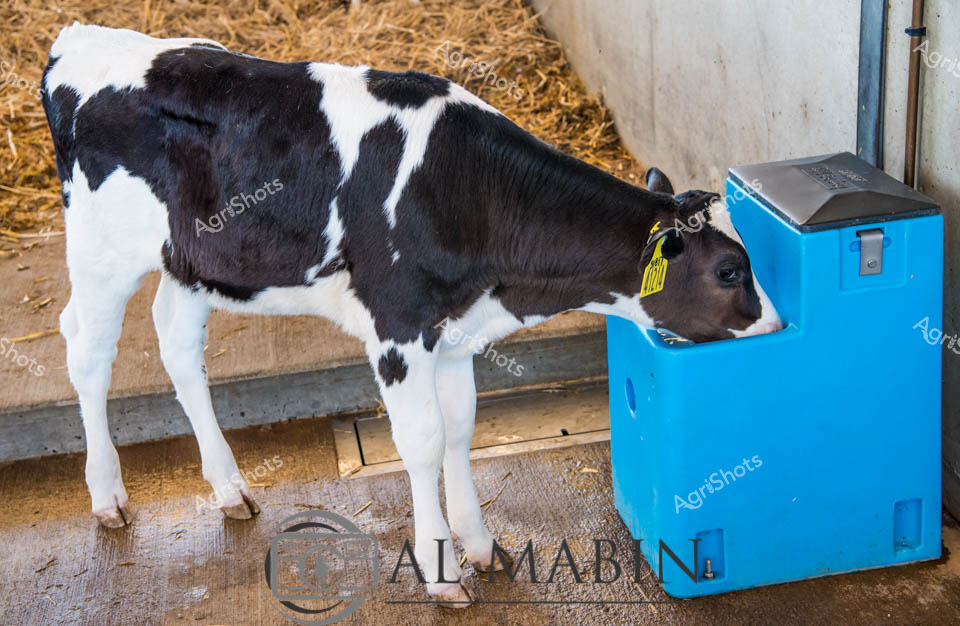
Holstein Friesian heifer calf explores her feeding station, nestled in a bright blue insulated milk dispenser within a straw-bedded dairy shed. Her distinctive black and white coat patterns gleam against the textured golden straw and concrete flooring, highlighting the classic markings of this premier dairy breed. The young bovine peers intently into the blue feeding unit, her curiosity and early nutritional development captured in this precise moment of agricultural care. Modern calf-rearing practices emphasize individual nutrition and hygiene, with specialized equipment ensuring each young animal receives carefully measured and temperature-controlled milk replacer. The clean, structured environment reflects contemporary Australian dairy farming's commitment to animal welfare and scientific management. This image encapsulates the delicate early stages of livestock development, where precision and attentive care form the foundation of a productive dairy herd.
 Image
Image
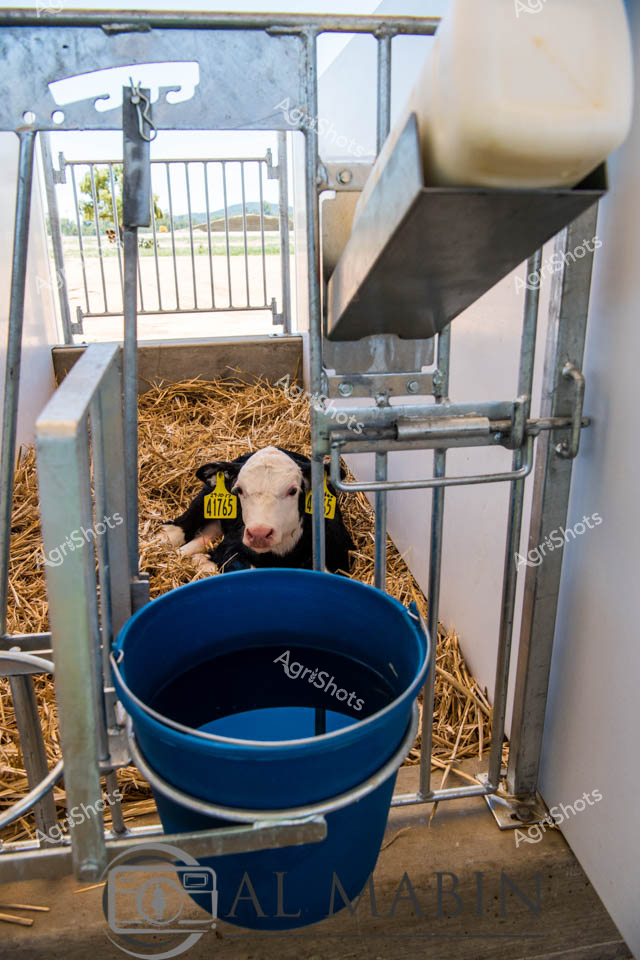
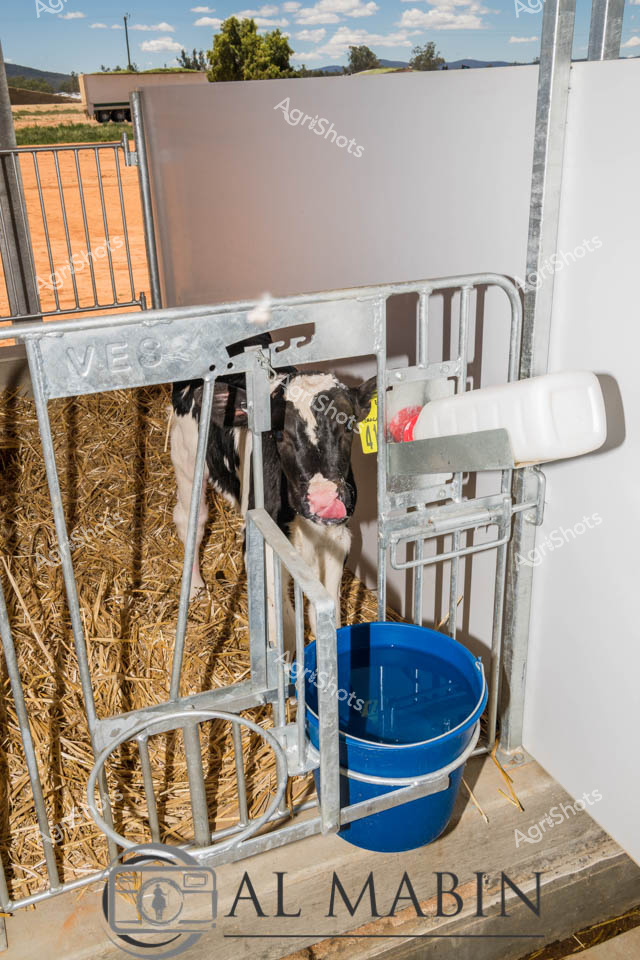
A young dairy calf nestles into a bed of golden straw within a precision-engineered steel calf rearing pen, highlighting the meticulous care of modern agricultural practices. The pristine blue feeding bucket stands ready beneath gleaming metal gates, creating a striking contrast of industrial infrastructure and natural nurturing. Wearing a bright yellow ear tag – identification number 4165 – the pale-coated calf looks alert and healthy, symbolizing the careful monitoring of livestock in contemporary dairy farming. The surrounding metallic framework suggests a purpose-built calf management station, likely located in a New South Wales dairy region, where advanced animal husbandry techniques ensure optimal early-life nutrition and development. Soft natural light filters through the pen's railings, illuminating the textural richness of the straw bedding and the smooth surfaces of the feeding equipment. This image encapsulates the intersection of agricultural technology and animal welfare, demonstrating the precision and care inherent in Australian dairy farming practices.
 Image
Image
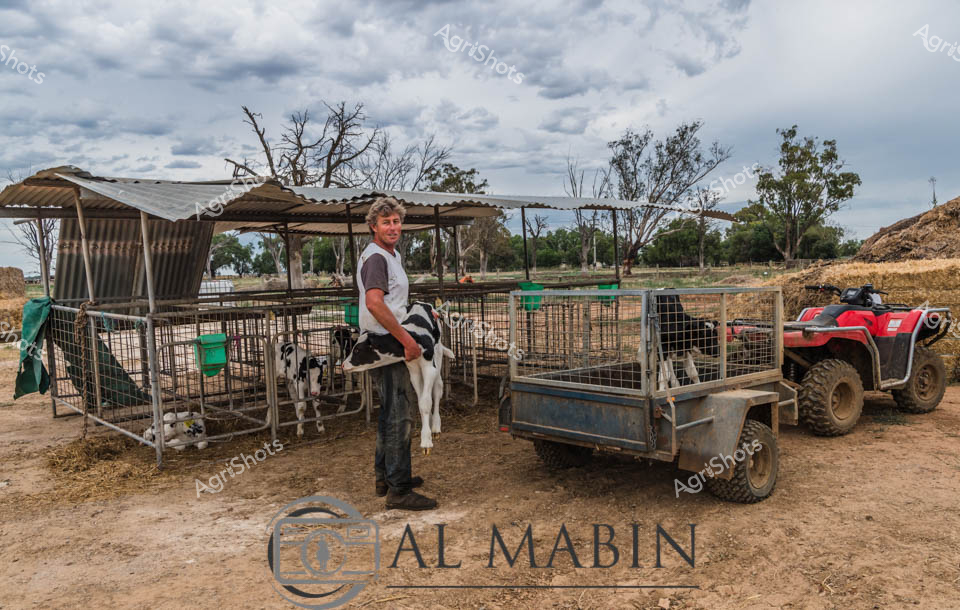
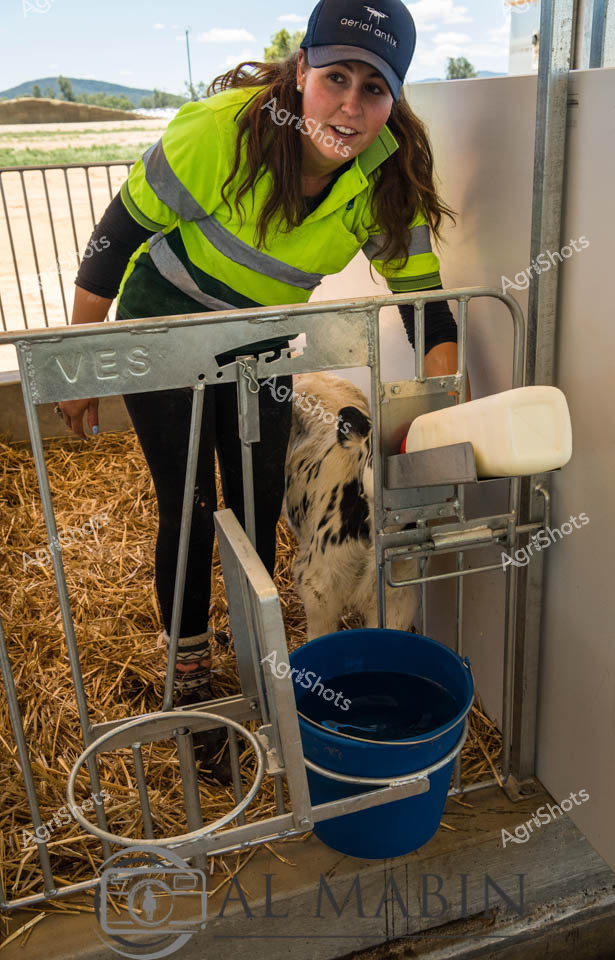
A lone dairy farmworker tends to young calves under the expansive, cloud-mottled skies of rural Victoria, embodying the quiet dedication of Australian agricultural life. Sturdy metal livestock pens line a dusty yard, sheltered by corrugated iron roofing, with a robust red Honda ATV parked nearby - a testament to modern farm mobility. The worker carefully handles a spotted black and white dairy calf, demonstrating the hands-on care essential to successful animal husbandry in the Goulburn Region. Weathered fence lines and sparse, hardy trees frame the background, reflecting the resilient landscape of southeastern Australia's farming heartland. Soft greys and earthy browns dominate the scene, punctuated by the vibrant red of the farm vehicle and the verdant hints of surrounding vegetation. This intimate portrait captures the nuanced rhythm of daily agricultural work - methodical, practical, and deeply connected to the land.
 Image
Image
Holstein-Friesian dairy calves stand precisely aligned in individual feeding stalls within a modern, well-structured calf rearing facility. Sleek black and white markings characterize these young bovines, their distinctive coloration highlighting the classic dairy breed profile. Robust metal infrastructure surrounds the calves, with galvanized steel gates and concrete surfaces creating a clinical, efficient environment designed for optimal animal health and management. Expansive rural paddocks are visible through open sides, suggesting this facility sits within a broad agricultural landscape, likely in the rich dairying regions of New South Wales. Bright natural light floods the space, illuminating the clean lines of the feeding station and casting soft shadows across the concrete floor. Each calf appears calm and secure, positioned in a customized stall that ensures individual nutrition and careful monitoring during these critical early growth stages, representing contemporary Australian agricultural precision and animal welfare standards.
 Image
Image
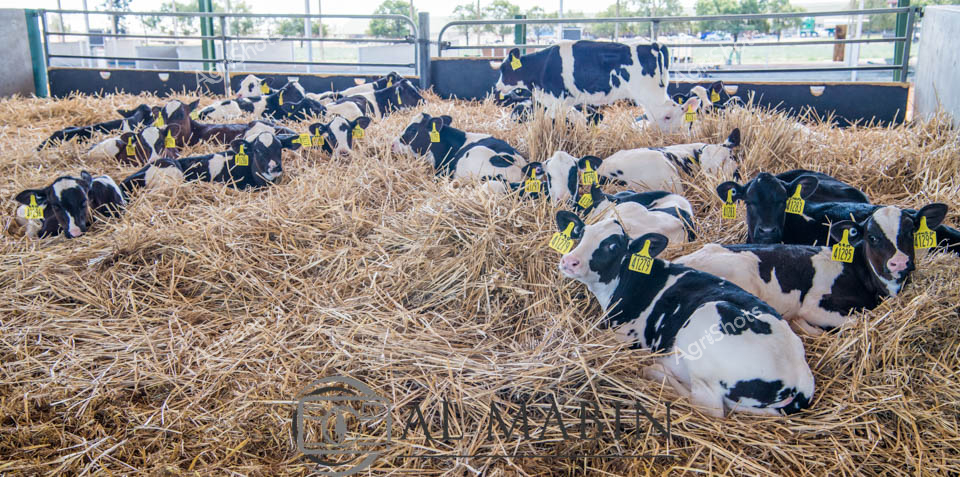
Nestled in a spacious covered dairy shed, a group of Holstein Friesian calves rests contentedly on a thick bed of golden straw. Each young bovine wears a distinctive yellow ear tag, marking them as part of a carefully managed herd in a modern New South Wales dairy operation. The black and white spotted calves are clustered together, some lying down and others sitting upright, creating a picturesque scene of early livestock care. Soft natural light filters through the shed's perimeter, highlighting the textural contrast between the calves' smooth coats and the rough, wheat-colored straw bedding. This image captures the meticulous approach to calf rearing in Australian dairy farming - providing clean, comfortable environments that support animal welfare and future herd productivity. The structured metal fencing and organized pen layout reveal a professional, scientific approach to agricultural animal husbandry, where each young animal represents an investment in the farm's future milk production.
 Image
Image
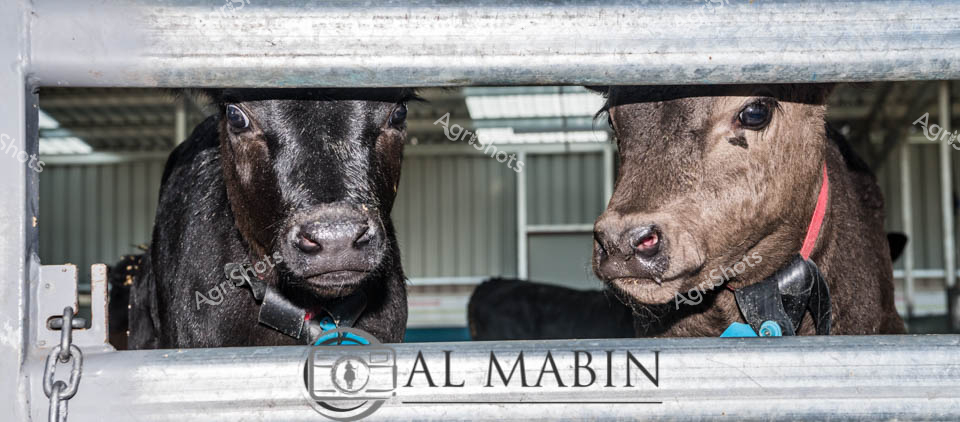
Two dairy calves peer intently through the metal bars of a modern livestock holding pen, their distinctive breeds revealing the rich genetic diversity of Australian dairy farming. A jet-black Holstein and a warm brown Jersey, both wearing identification collars in vibrant blue and pink, showcase the nuanced color variations typical of carefully managed cattle breeding programs. The galvanized steel infrastructure suggests a contemporary agricultural facility, with clean, structured lines and professional animal management practices visible in the background. Condensation and subtle lighting hint at an early morning setting, capturing the crisp atmosphere of rural Tasmania's dairy regions. The calves' expressive eyes and alert postures communicate a sense of curiosity and potential, representing the next generation of Australia's vital dairy industry. Al Mabin's watermark subtly confirms the professional agricultural photography, capturing the precise moment of these young animals' daily routine with technical excellence and understated artistic insight.
 Image
Image
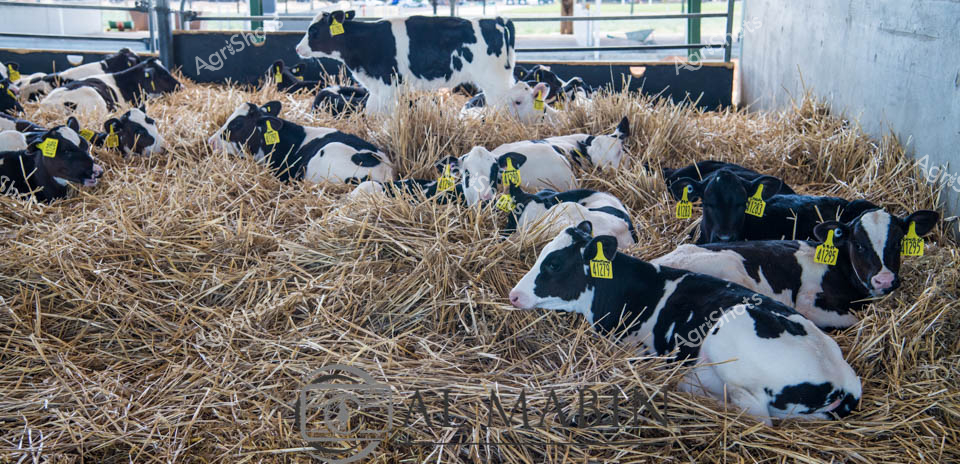
Holstein-Friesian dairy calves rest comfortably on golden straw bedding within a modern livestock shelter, their distinctive black and white patched coats creating a striking visual pattern. Precise yellow ear tags indicate individual identification, reflecting meticulous farm management practices typical of progressive Australian dairy operations. The calves appear young and healthy, nestled closely together on thick, clean wheat straw that provides insulation and comfort, demonstrating best practice animal husbandry techniques. Soft natural light filters through the shelter's structural framework, highlighting the crisp white and deep black fur markings of these future milk production animals. Each calf wears a numbered tag, suggesting systematic tracking and care in this carefully managed dairy environment. The scene captures the careful balance of agricultural science and animal welfare in contemporary Australian dairy farming, where young livestock are nurtured with precision and compassion.
 Image
Image
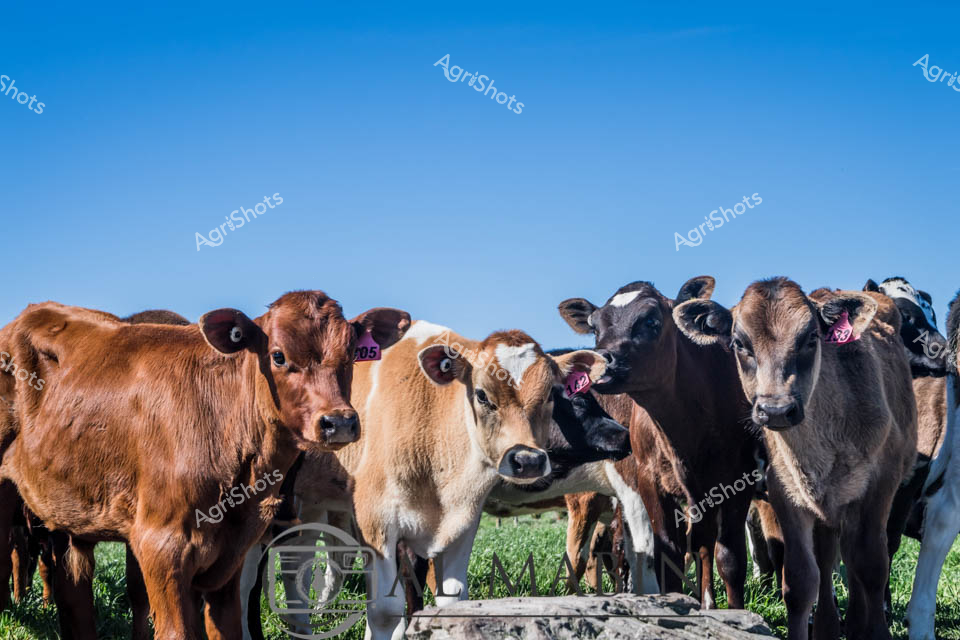
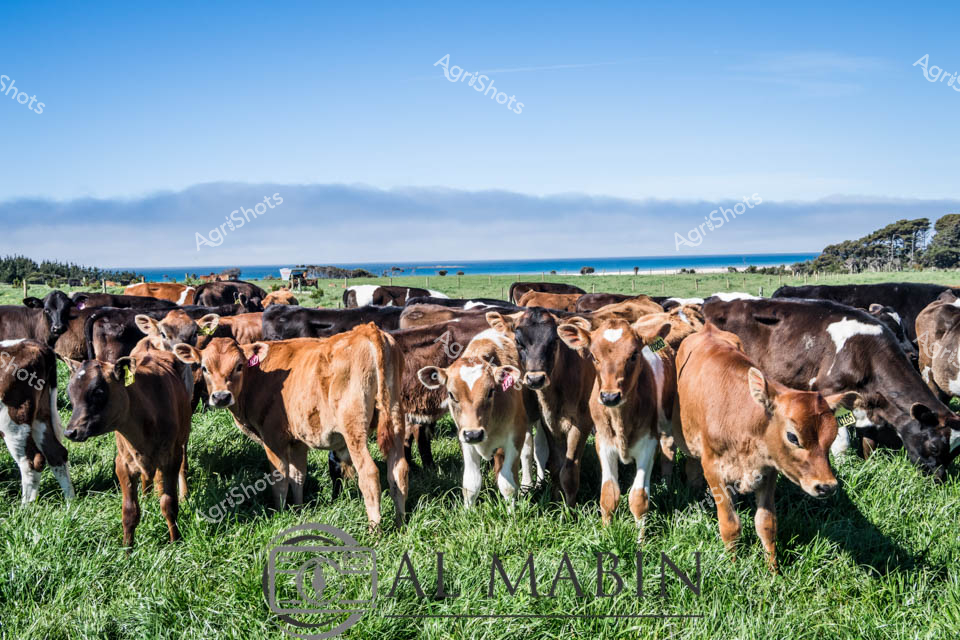
Jersey and Holstein dairy heifers cluster together on a pristine summer pasture, their varied coat colors ranging from rich mahogany to black and white patches gleaming under a cloudless azure sky. The young cattle, tagged for identification, stand companionably near a water trough, representing the diversity of a carefully managed dairy breeding program. Lush green grass provides a vibrant foreground, suggesting fertile Tasmanian agricultural land at the peak of growing season, likely mid-morning with bright, crisp sunlight illuminating the animals' sleek coats. These replacement heifers - some Jersey crossbreeds with warm caramel coloration, others classic black and white Holsteins - represent the future genetic potential of a progressive dairy enterprise. Their alert expressions and robust physiques demonstrate careful nutrition and breeding selection, highlighting the sophisticated agricultural practices of modern Tasmanian dairy farming. The panoramic composition captures the essence of rural prosperity: healthy young stock, verdant pastureland, and the promise of future milk production.
 Image
Image
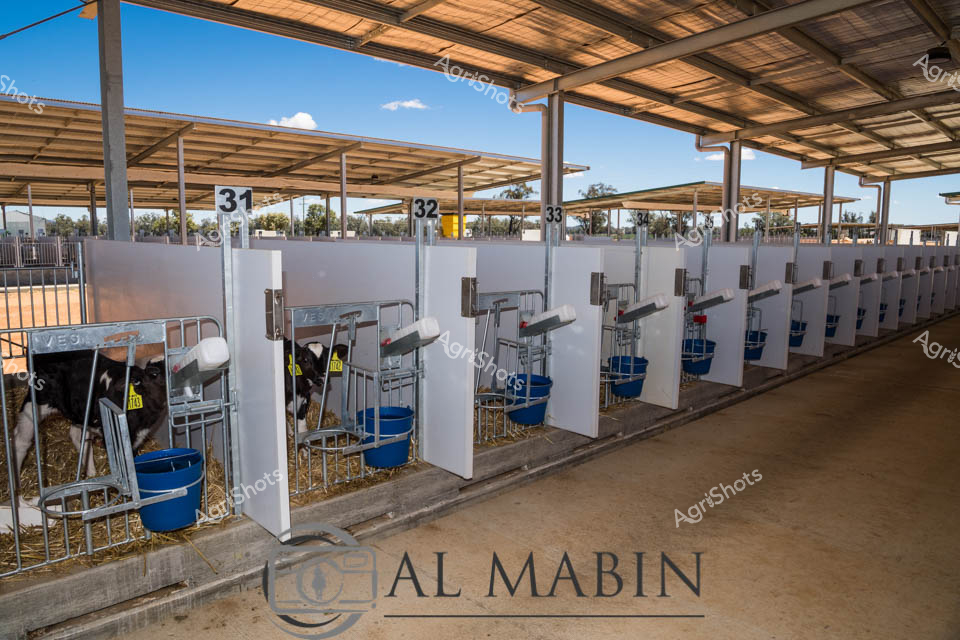
State-of-the-art calf rearing facility nestled under a robust metal-framed shelter, showcasing modern dairy management practices in regional New South Wales. Pristine white-walled individual pens numbered consecutively from 31 to 33 demonstrate precision livestock care, each equipped with blue feeding buckets and clean straw bedding. Sophisticated metal gates and adjustable feeding mechanisms allow controlled nutrition delivery, with young dairy calves visible in their individual management spaces. Soft natural light filters through the raised roof structure, illuminating the concrete walkway and highlighting the systematic, hygienic environment designed for optimal animal health and growth. The infrastructure represents cutting-edge agricultural technology, balancing animal welfare with efficient production methods typical of progressive Australian dairy operations. Overhead shelter protects vulnerable young stock from harsh environmental conditions, reflecting sophisticated agricultural engineering that supports the critical early stages of livestock development.
 Image
Image
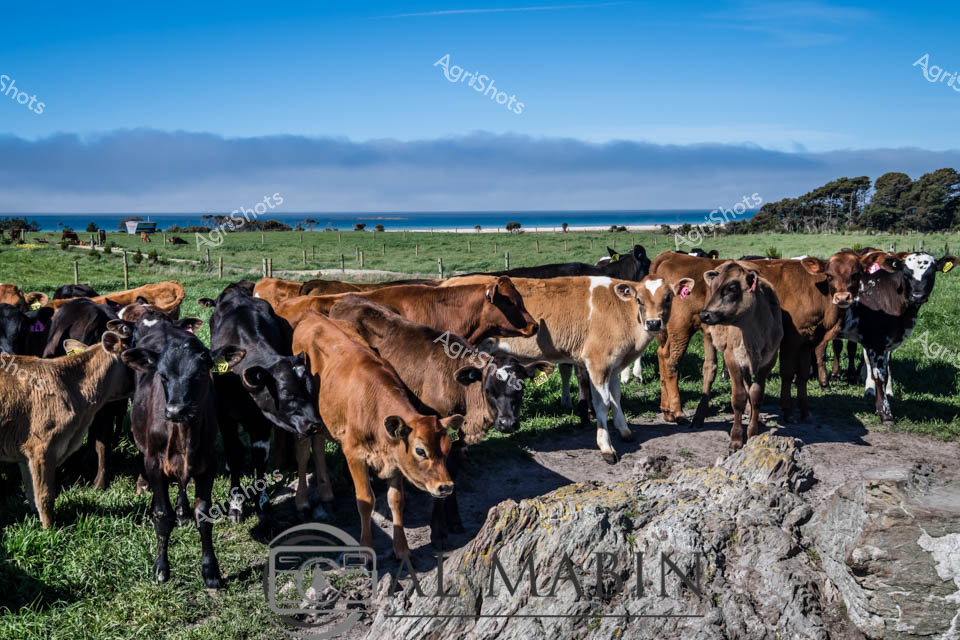
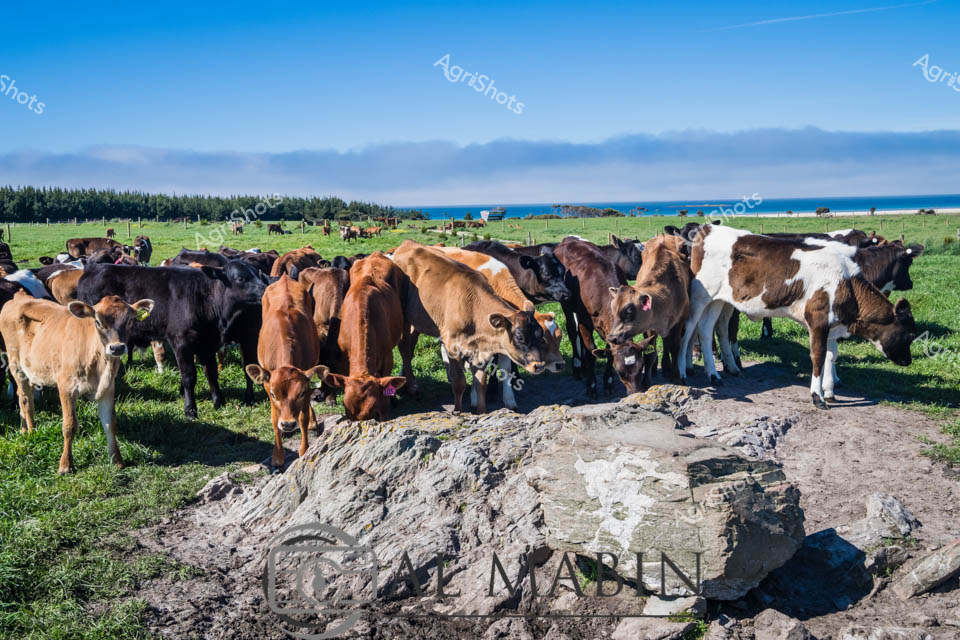
Jersey and Holstein dairy cows cluster on a rocky outcrop in a lush coastal pasture, backdropped by the expansive Tasmanian blue horizon. The herd represents classic dairy genetics, with rich brown Jersey cattle and distinctive black-and-white Holstein animals standing together on weathered stone ground. Verdant green grass stretches across gently rolling farmland, with distant blue ocean waters and a soft layer of cloud creating a quintessential southern Tasmanian pastoral landscape. These robust dairy cattle demonstrate the strength of Tasmania's agricultural landscape - hardy animals thriving in a challenging but beautiful maritime environment. The morning light casts sharp shadows, highlighting the varied coat colors and muscular frames of these productive milk-producing animals. Each cow wears a small ear tag, signaling careful herd management and reflecting the sophisticated approach of modern Tasmanian dairy farming.
 Image
Image
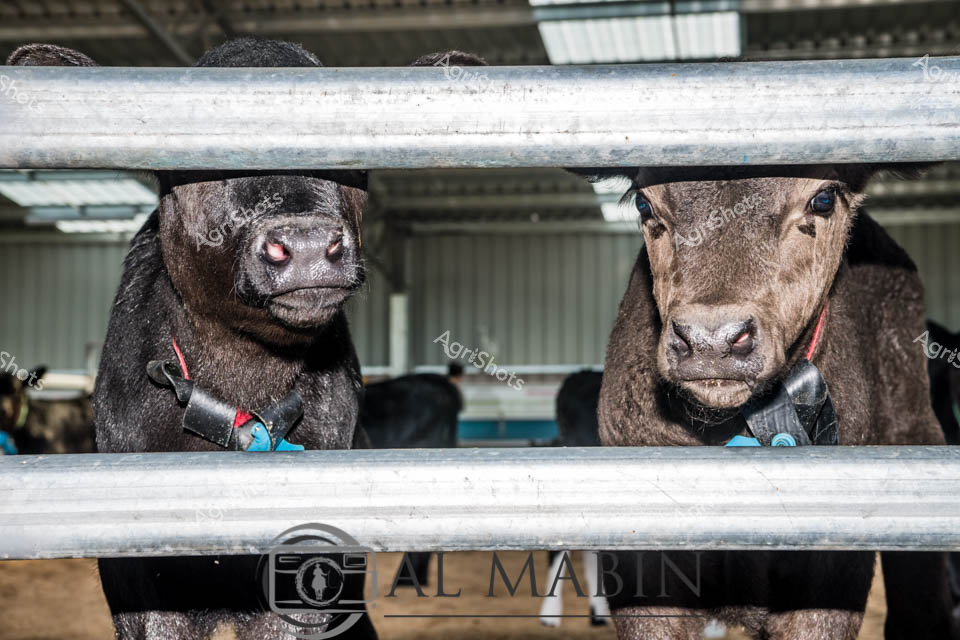
Precision dairy management unfolds within a modern cattle shed, where two young dairy cows - one a rich dark brown and the other a lighter tan - rest side by side behind galvanized steel livestock barriers. Their distinctive collars, adorned with blue tracking devices, speak to the advanced monitoring technologies transforming contemporary agricultural practices. Soft overhead lighting filters through translucent roof panels, casting subtle shadows across the animals' textured hides and highlighting their alert, intelligent expressions. These Holstein and Jersey breed calves represent the genetic diversity and careful breeding strategies of Tasmania's progressive dairy industry. The metallic infrastructure and clean, structured environment reflect the scientific approach to animal husbandry, where each animal's health, growth, and potential are meticulously tracked and supported. The calm, attentive demeanor of the calves suggests a well-managed, low-stress rearing environment - a hallmark of high-quality Australian dairy production.
 Image
Image
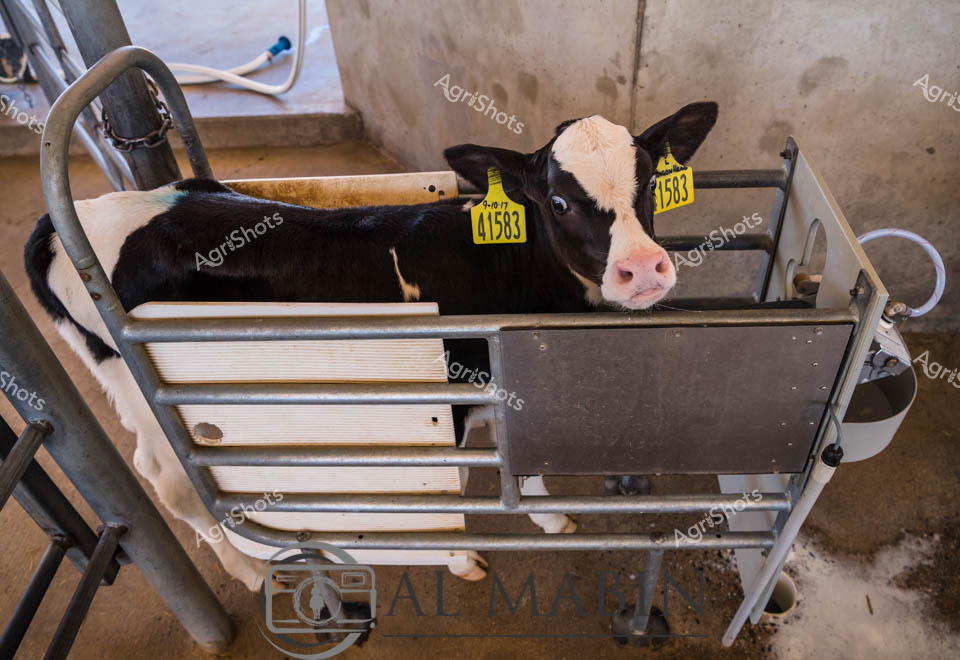
Holstein-Friesian dairy calf nestled in a precision-engineered calf rearing pen, her black and white coat sharply contrasting against the industrial concrete backdrop. Numbered identification tags (41583 and 1583) mark her for careful tracking, reflecting modern agricultural management practices. The metallic rearing pen, constructed with adjustable white slats and robust grey panels, provides a controlled environment for early-stage livestock development, typical of progressive dairy operations across New South Wales. Smooth tubular metal framing surrounds the young animal, ensuring safety and facilitating systematic care during critical growth phases. Soft tubing and systematic infrastructure suggest a meticulously organized facility dedicated to animal husbandry and efficient livestock management. The calf's alert expression and pristine condition highlight the careful attention and professional standards prevalent in contemporary Australian dairy farming, where each animal represents a carefully nurtured investment in agricultural productivity.
 Image
Image
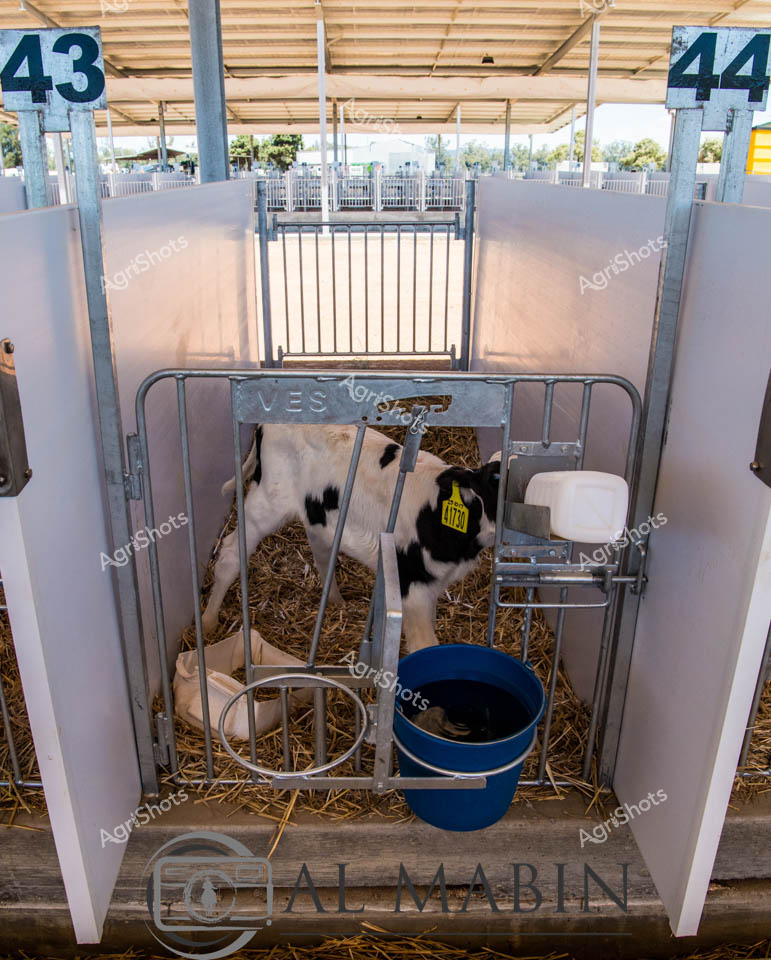
Within the meticulously organized dairy calf rearing facility, a young Holstein-Friesian heifer stands nestled in a clean, straw-bedded individual pen, marked with identification tag number 4127. Crisp white and black coat patterns contrast against the golden straw, while a blue feeding bucket waits nearby, representing the careful nutritional management of modern dairy husbandry. Numbered steel gates frame the pen, with markers 43 and 44 indicating a systematic approach to calf management and tracking. The overhead shelter provides protection from environmental elements, highlighting the controlled and professional environment of contemporary Australian dairy farming. Soft natural light filters through the structure, illuminating the clean, well-maintained infrastructure that supports the critical early stages of a dairy animal's development. This scene captures the precision, care, and scientific approach characteristic of progressive agricultural practices in New South Wales, where each young animal represents a valuable investment in future herd productivity.
 Image
Image
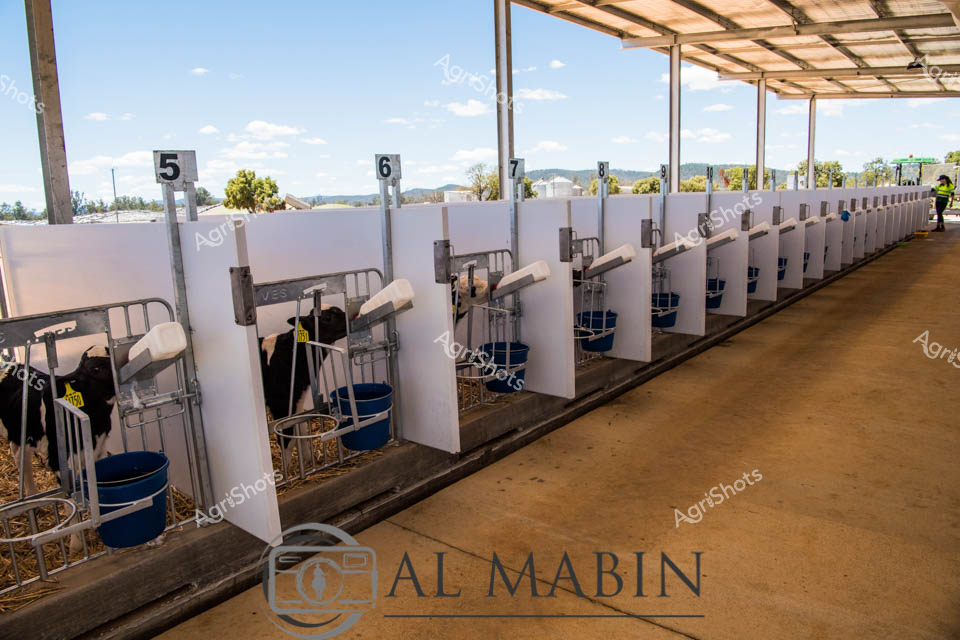
In this meticulously designed dairy calf-rearing facility, pristine white dividers create individual pens numbered from 5 to 7, each equipped with modern feeding infrastructure. Stainless steel gates and blue feeding buckets line a spacious, well-ventilated shed with an open-sided design that allows natural light and air to circulate. Young calves stand quietly in their designated spaces, representing the next generation of a carefully managed dairy herd, with clean straw bedding providing comfort and warmth. The structured environment reflects contemporary agricultural best practices, showcasing precision livestock management techniques that prioritize animal welfare and optimal growth conditions. Soft blue skies and distant rural landscape glimpsed through the shed's open sides suggest a temperate regional setting, likely in the dairy-rich areas of New South Wales. The systematic layout and professional infrastructure demonstrate the agricultural industry's commitment to scientific approach and animal husbandry, where each calf receives individualized care and nutrition for healthy development.
 Image
Image
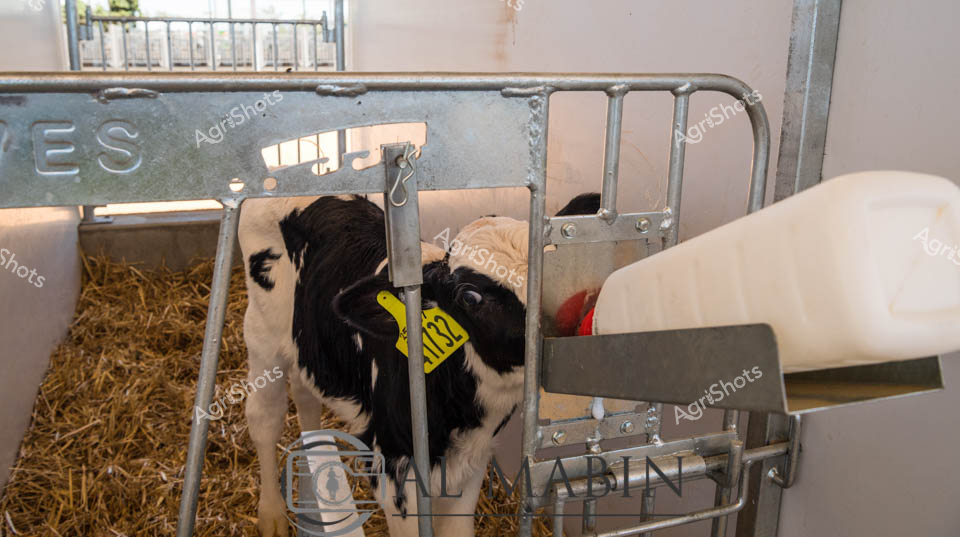
A Holstein Friesian dairy calf nestles in a pristine straw-lined pen, her distinctive black and white coat a striking contrast against the galvanized steel livestock housing. Yellow ear tag #6132 identifies her within the carefully managed dairy herd, highlighting precision agricultural practices typical of modern New South Wales farming operations. Soft morning light filters through the stable infrastructure, illuminating the clean, controlled environment designed for optimal calf development and nutrition. The meticulously arranged pen reflects the careful husbandry of Australian dairy farmers, with fresh straw bedding providing comfort and warmth for the young animal. Specialized metal barriers and feeding equipment demonstrate the advanced infrastructure supporting intensive dairy production, ensuring each calf receives optimal care during critical early growth stages. This intimate scene captures the intersection of animal welfare, agricultural technology, and the meticulous management that characterizes contemporary Australian dairy farming.
 Image
Image
Rugged coastal pastures of Tasmania cradle a vibrant dairy herd, where Holstein, Jersey, and mixed-breed cattle graze on lush emerald grasslands. A rocky outcrop dominates the foreground, its weathered surface providing a textural contrast to the sleek coats of the cattle - ranging from rich chocolate browns to black and white patchwork patterns. The ocean glimmers azure blue in the background, framed by a distant line of evergreen forest, creating a quintessential Tasmanian agricultural landscape bathed in crisp, clear sunlight. Young calves and mature dairy cows cluster together, their bodies creating a living mosaic across the verdant paddock. Ear tags in bright colors mark each animal, signaling careful herd management and traceability. The rocky ground suggests a challenging but fertile terrain typical of Tasmania's coastal farming regions, where generations of farmers have cultivated resilient livestock adapted to the variable maritime climate. This image captures the essence of Australian dairy farming - a harmonious blend of natural beauty, agricultural productivity, and the enduring connection between land, animal, and farmer. The scene speaks to the robust and innovative spirit of Tasmanian agriculture, where traditional farming practices meet modern sustainable approaches.
 Image
Image
Coastal dairy herd grazes lushly on verdant Tasmanian pastureland, with azure ocean waters stretching across the horizon. A vibrant mix of Jersey and Holstein dairy cows cluster together, their rich brown and black-and-white coats creating a textural patchwork against the brilliant green grass. Soft morning light illuminates the herd, highlighting the muscular frames and alert expressions of these robust agricultural animals. Yellow ear tags glint on several animals, marking them as carefully managed livestock in this productive coastal farming landscape. The scene captures the quintessential Tasmanian dairy environment - rolling green paddocks meeting pristine ocean views, representing the island state's premium agricultural heritage. Dense pine forest edges frame the background, providing a natural windbreak for the contented herd grazing peacefully in this idyllic maritime farming setting.
 Image
Image
Nestled in the golden light of a pastoral New South Wales morning, a young dairy calf stands within a precisely engineered rearing station. Straw bedding provides warmth and comfort, while a meticulously designed metal gate frames the black and white Holstein-Friesian calf. A bright blue feeding bucket awaits, positioned perfectly for the young animal's nutritional needs. The galvanized metal infrastructure speaks to modern agricultural precision - clean, functional, and engineered for optimal animal welfare. Soft clouds drift across a rural landscape in the background, highlighting the open, airy environment that supports healthy livestock development. This carefully constructed space represents the intersection of compassionate animal husbandry and sophisticated farming technology, capturing a moment in the critical early stages of a dairy calf's life cycle.
 Image
Image
A dairy farmworker in a high-visibility safety vest and branded cap tends to a young dairy calf within a modern livestock handling station. The pristine metal gate and feeding equipment suggest a meticulously managed calf-rearing facility, likely situated in the rolling pastoral landscapes of rural New South Wales. Straw bedding provides a warm, comfortable environment for the black and white calf, who appears alert and engaged with the worker. A blue feeding bucket stands ready, highlighting the systematic approach to animal nutrition and care typical of contemporary Australian dairy operations. The worker's posture - leaning in with a friendly, attentive demeanor - reflects the careful and compassionate relationship between farmers and their livestock. Soft natural light filters through the enclosure, casting gentle shadows and emphasizing the clean, professional environment of this agricultural setting, where precision and animal welfare are paramount.
 Image
Image
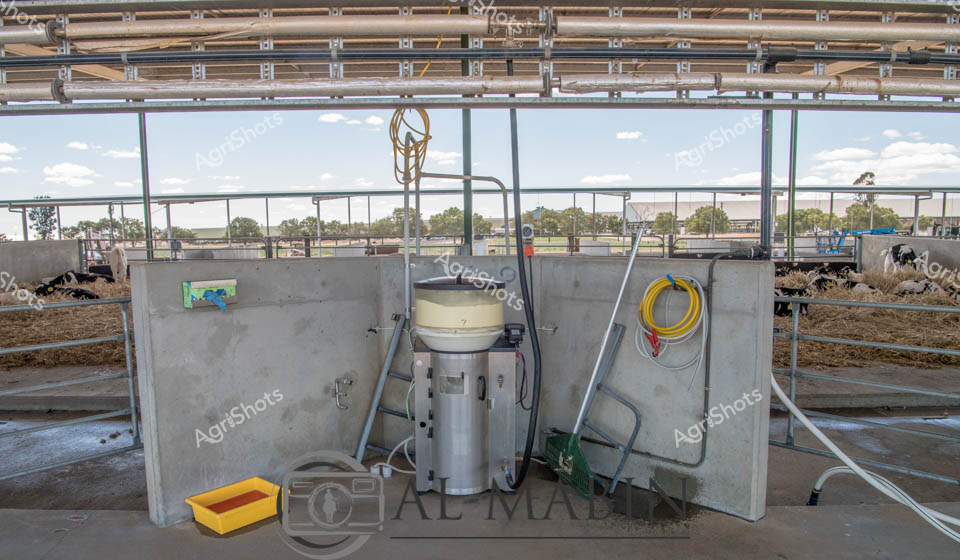
Crisp morning light bathes a modern dairy calf-rearing station, revealing precision agricultural infrastructure designed for optimal young livestock care. Concrete feeding bays with clean grey panels create a structured environment, with sturdy metal framing and overhead rails providing functional support. A central milking system cylinder stands ready, flanked by yellow and green equipment - a yellow feed tray and green cleaning tools - signaling meticulous hygiene protocols essential in contemporary animal husbandry. Beyond the structured feeding area, straw-bedded pens house young dairy calves, their black and white markings visible in the background against a backdrop of distant rural landscape and scattered gum trees. The metallic equipment, bright yellow and green accent colors, and pristine concrete surfaces communicate a sense of clinical efficiency and professional animal management. This installation represents the sophisticated approach of progressive New South Wales dairy farmers, where animal welfare, technological innovation, and systematic care converge to nurture the next generation of productive livestock.
 Image
Image
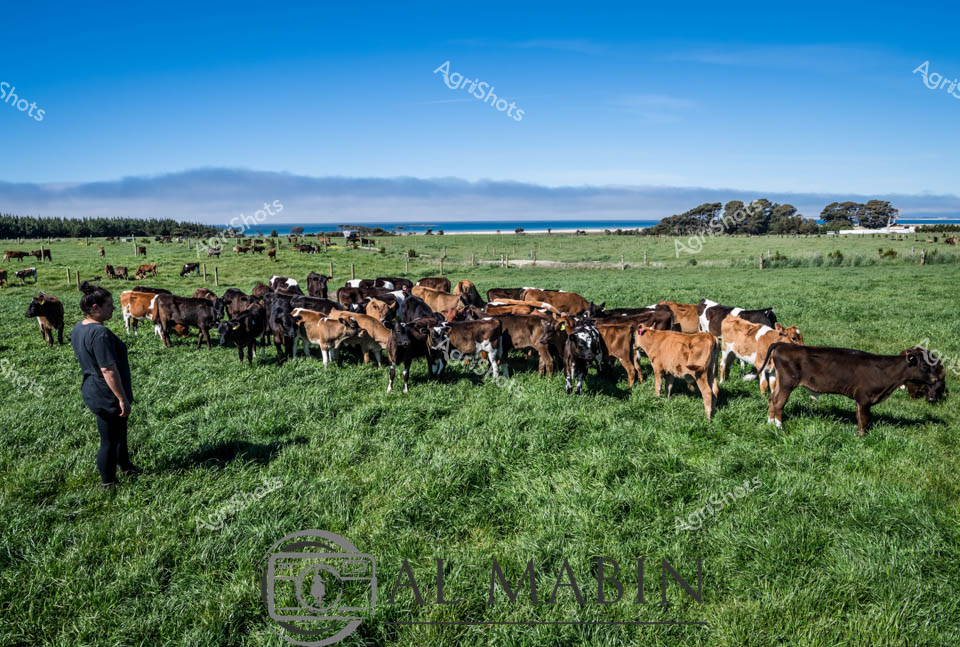
Coastal Dairy Harmony: Jersey and Holstein Herd at Pasture A lush emerald pasture stretches toward a serene Tasmanian coastal horizon, where deep blue ocean meets expansive sky. A diverse herd of Jersey and Holstein dairy cattle graze contentedly on rich grasslands, their coats ranging from deep chocolate brown to warm caramel and classic black-and-white patterns. A lone farm worker stands watchfully beside the herd, his dark clothing providing a stark contrast against the vibrant green landscape and multicolored cattle. Fenced paddocks and distant pine windbreaks frame the scene, while scattered trees punctuate the background, suggesting a meticulously managed agricultural landscape. The cattle cluster loosely, some grazing, others standing quietly, representing the genetic diversity and robust health of a well-maintained dairy operation. Brilliant morning light bathes the scene, highlighting the lush pasture texture and creating a sense of pastoral tranquility that epitomizes Tasmania's renowned agricultural excellence.
 Image
Image
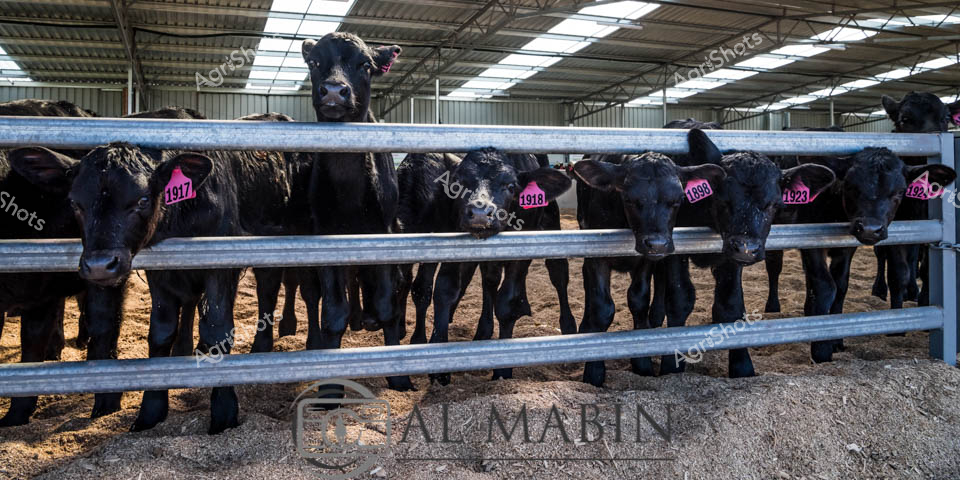
Black Aberdeen Angus beef calves line up in a modern, steel-framed agricultural shed, their distinctive dark coats contrasting against the sandy bedding and metal infrastructure. Numbered with bright pink ear tags (1971, 1918, 1898, 1423, 1620), these young cattle represent the precision and systematic approach of contemporary cattle management. Robust metal barriers divide the space, creating a structured environment that allows close monitoring and controlled feeding. Soft natural light filters through the high skylights, illuminating the calves' sleek black hides and creating subtle highlights across their muscular frames. Each animal stands with quiet composure, suggesting the calm efficiency of professional livestock rearing. The metallic greys of the shed, the rich black of the cattle, and the warm earth tones of the bedding create a sophisticated palette that speaks to the technical excellence of modern agricultural practice in Tasmania's dairy and beef sectors.
 Image
Image
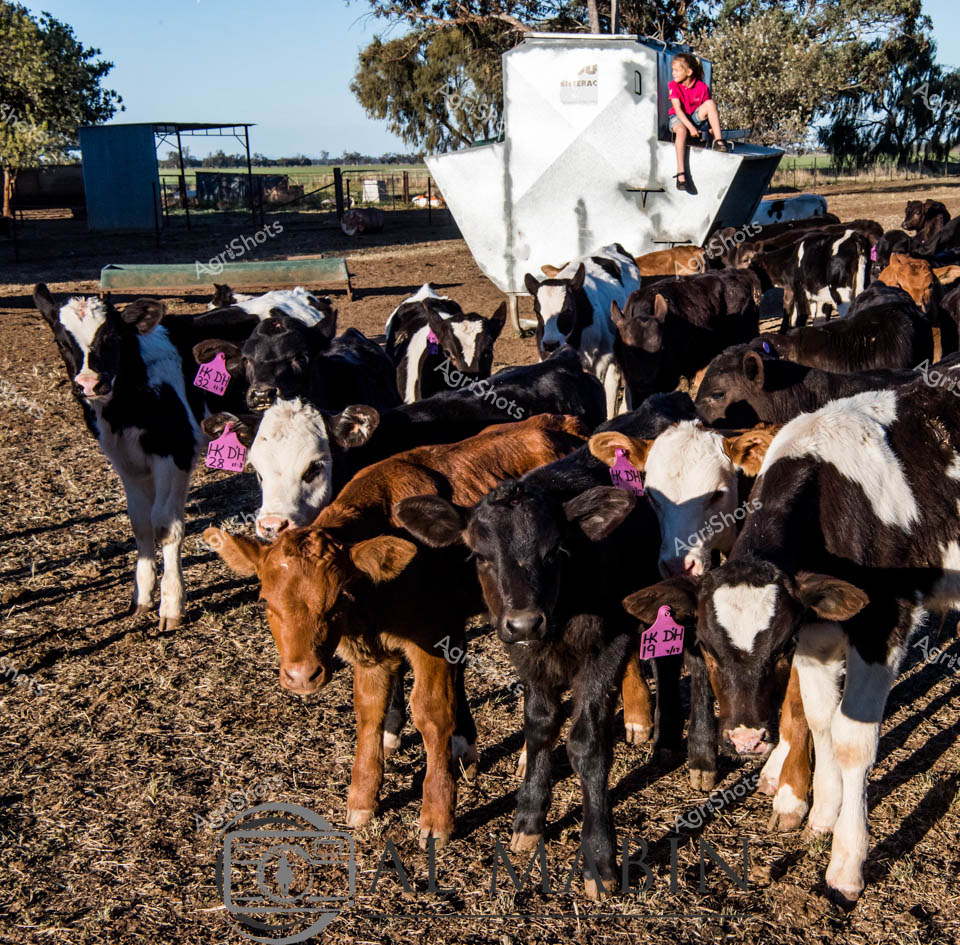
Holstein-Friesian and brown calves cluster in a sun-drenched paddock, their pink identification tags glinting in the late morning light. A white processing trailer stands sentinel in the background, with a pink-shirted worker perched atop, overseeing the young herd. The dusty earth and scattered gum trees speak to a classic Australian rural landscape, most likely in the central tablelands of New South Wales. Calves of various coat colors - jet black, crisp white, rich chocolate brown - huddle together, their lanky legs and alert expressions capturing the vulnerability and potential of young livestock. Sturdy metal fencing and a utilitarian feed trailer frame the scene, highlighting the careful management of modern beef and dairy operations. This image encapsulates the quiet precision of agricultural care, where each animal is individually tracked, nurtured, and prepared for its future role in Australia's robust livestock industry.
 Image
Image
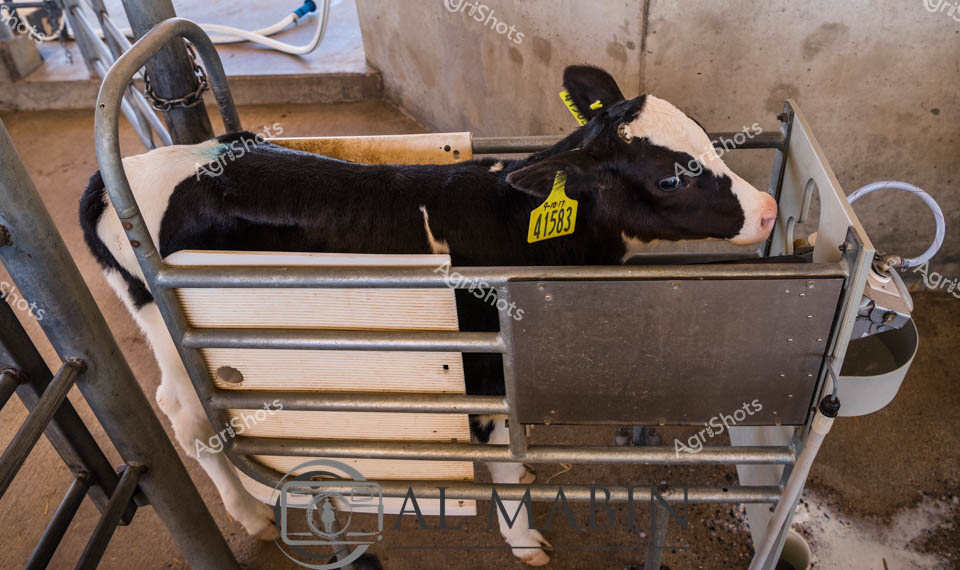
A Holstein dairy calf rests quietly in a precision-engineered rearing pen, her black and white coat marked with a yellow identification tag numbered 41583. The sturdy metal containment unit, crafted with clean lines and practical design, reflects the modern approach to animal husbandry in Australian dairy farming. Smooth wooden slats and metallic panels provide structured support and protection, creating a controlled environment for young livestock development. Soft concrete surroundings and clinical infrastructure suggest a professional, hygienic facility typical of contemporary agricultural practices in New South Wales. The calf appears calm and well-supported, her distinctive coloration and alert posture indicating robust health and careful management. This scene captures the intersection of animal welfare and agricultural technology, showcasing the meticulous care fundamental to successful dairy production in the Australian agricultural sector.
 Image
Image
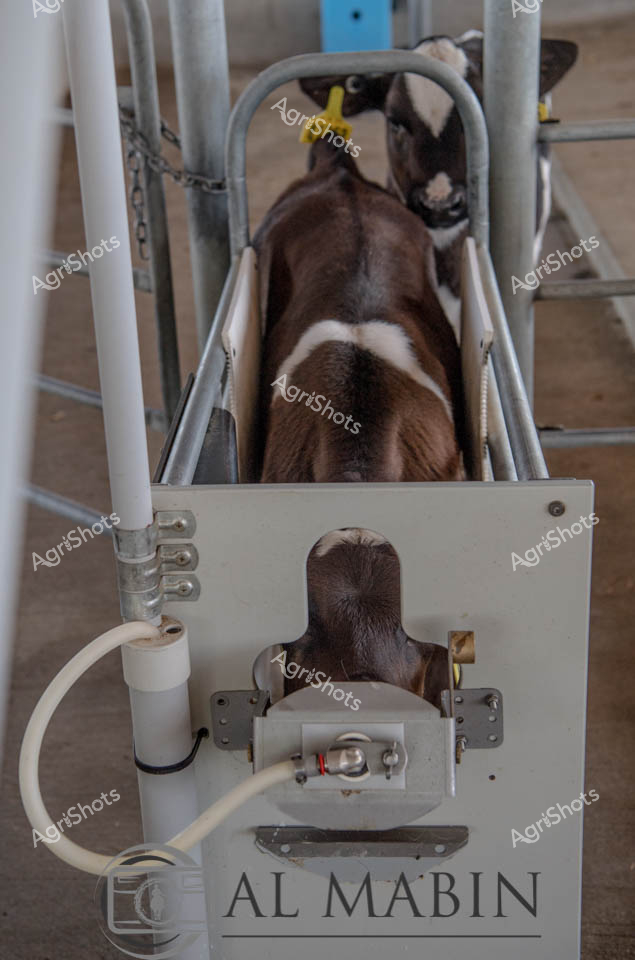
Al Mabin's precision-engineered calf rearing station cradles a young dairy calf in its clinical, purposeful embrace. The gleaming white and metallic grey frame of the feeding apparatus provides structured support, allowing the chocolate-brown calf with distinctive white markings to access nutrition safely and efficiently. Every mechanical element appears engineered for optimal animal welfare, with carefully positioned tubes and restraints ensuring controlled, hygienic feeding. The close-up perspective reveals the intricate details of modern agricultural technology, highlighting how contemporary dairy farming marries animal care with technical innovation. Sterile yet purposeful, the environment speaks to the meticulous standards of contemporary Australian livestock management, where each young animal represents a carefully nurtured investment in future herd productivity. The Al Mabin branding prominently displayed underscores the specialized agricultural equipment design that supports Australia's world-class dairy industry.
 Image
Image
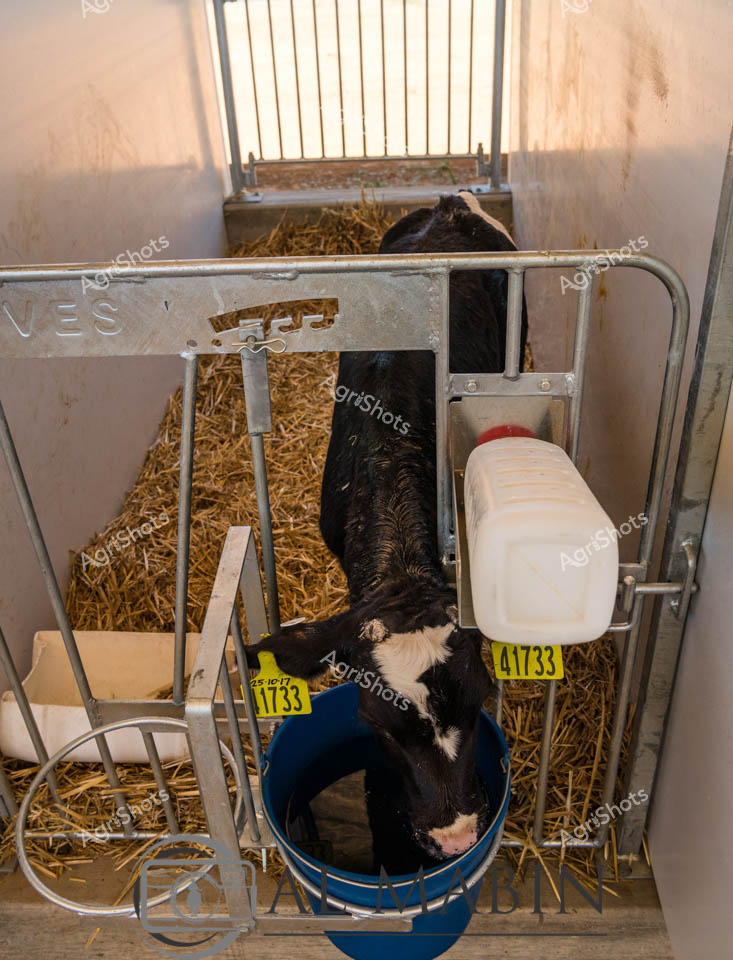
Nestled in a carefully designed calf-rearing pen, a young black and white dairy calf rests on golden straw bedding, secured within a meticulously engineered metal feeding station. A large white milk bottle hangs ready to nourish the young animal, highlighting the precision of modern dairy farm management practices. Bright yellow ear tags - numbered 41733 - mark the calf for tracking and identification, a standard practice in systematic livestock management. The metallic infrastructure of the pen, with its clean lines and adjustable components, reflects the sophisticated approach to animal husbandry in contemporary Australian dairy farming. Soft, diffused light filters through a barred window, casting gentle shadows on the straw and metal surfaces, creating a sense of calm and controlled nurturing. This intimate space represents the critical early stages of a dairy animal's life, where careful nutrition and sheltered environment are paramount to developing healthy, productive livestock.
 Image
Image
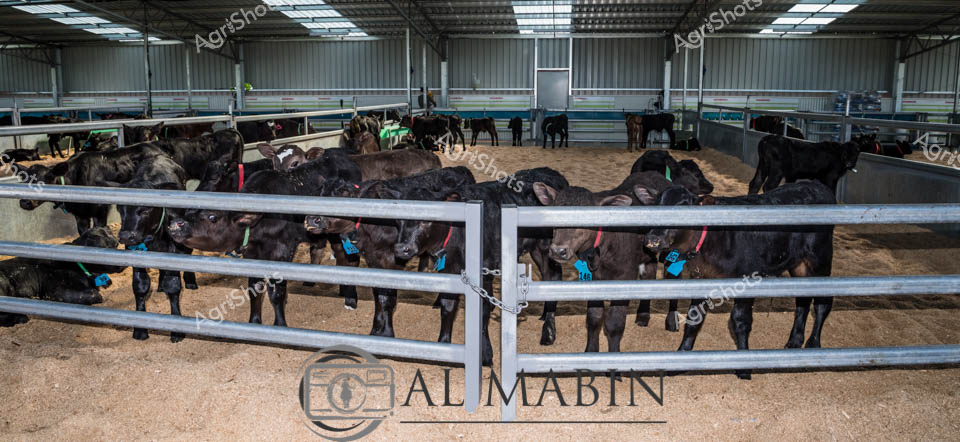
Black and blue-tagged dairy calves cluster in a modern, steel-framed indoor rearing facility, highlighting Tasmania's sophisticated agricultural infrastructure. Sleek Holstein and Jersey crossbred calves stand clustered in a sand-floored pen, their dark coats contrasting against the light industrial interior with skylights streaming natural illumination. Precision metal barriers divide the space, demonstrating contemporary livestock management techniques that prioritize animal welfare and systematic herd development. The uniform blue identification tags on each calf represent meticulous record-keeping and genetic tracking essential to progressive dairy breeding programs. Soft sandy substrate provides comfortable footing, while the structured metal framework suggests a climate-controlled environment designed to optimize young cattle health and early growth stages. This image captures the intersection of agricultural technology and animal husbandry, revealing Tasmania's commitment to advanced, professional dairy production methodologies.
 Image
Image
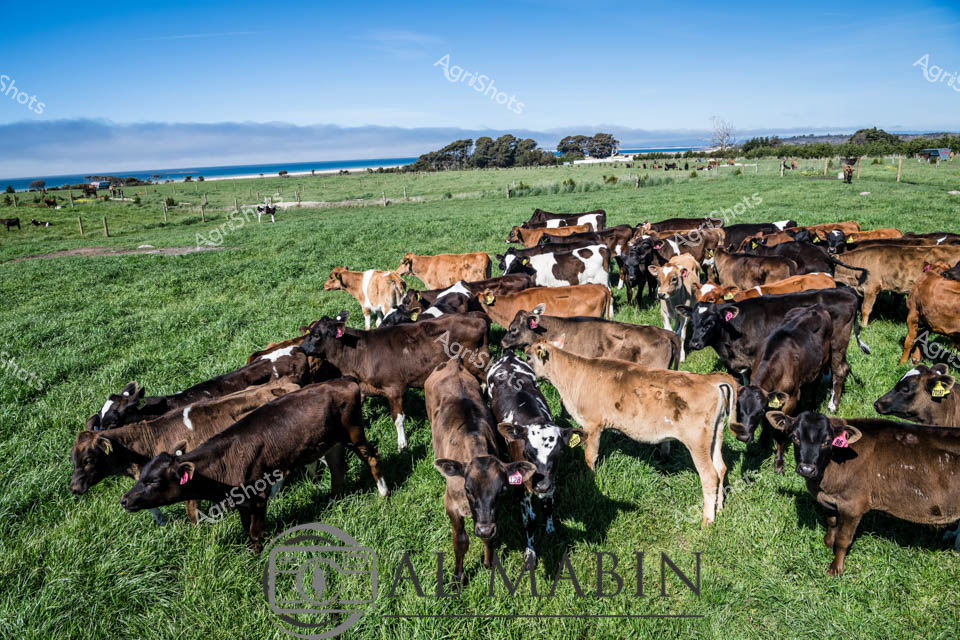
Coastal Tasmanian dairy pastures bloom with life as a diverse herd of Holstein, Jersey, and crossbred dairy cattle graze on lush emerald grasslands. Rolling green paddocks stretch toward a distant azure ocean horizon, framed by distant treelines and gentle coastal hills. The herd represents classic Tasmanian dairy genetics - rich brown Jersey cattle alongside classic black and white Holstein markings, with younger calves interspersed among mature cows. Soft morning light bathes the scene, casting gentle shadows across the well-maintained pasture, with neat fence lines defining the grazing area. Each animal displays the robust health characteristic of Tasmania's premier dairy regions, with ear tags indicating careful livestock management. The expansive landscape captures the essence of Australian coastal dairy farming - a harmonious blend of productive agriculture and stunning natural beauty, where generations of farming expertise are evident in every carefully tended hectare.
 Image
Image
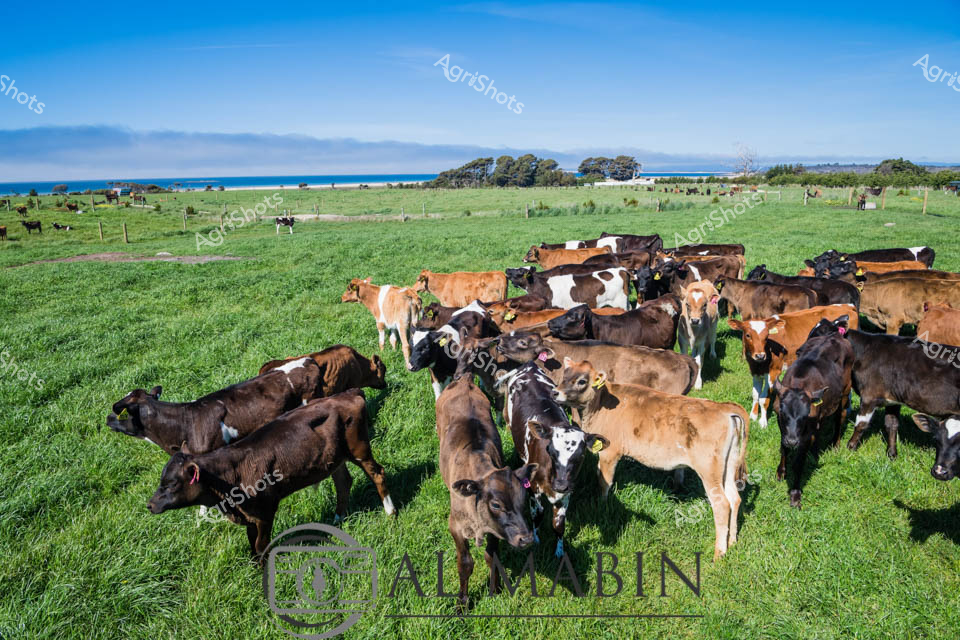
A vibrant herd of dairy cattle grazes contentedly on lush green pastures, with the sparkling blue waters of the Tasmanian coast stretching out to the horizon. The paddock boasts a diverse mix of Holstein, Jersey, and crossbred cattle, their coats ranging from deep chocolate brown to rich caramel and striking black-and-white patches. Calves and mature cows cluster together, their yellow ear tags glinting in the bright sunlight, against a backdrop of verdant grasslands and a distant grove of coastal trees. The crisp, clear morning light illuminates the healthy condition of the herd, showcasing the exceptional pasture-based dairying that Tasmania is renowned for. Rolling green fields bordered by neat fence lines demonstrate the meticulous farm management typical of the region's premium dairy industry. This scene captures the essence of Tasmanian dairy farming - a harmonious blend of natural beauty, agricultural expertise, and sustainable livestock production that defines the island state's agricultural landscape.
 Image
Image
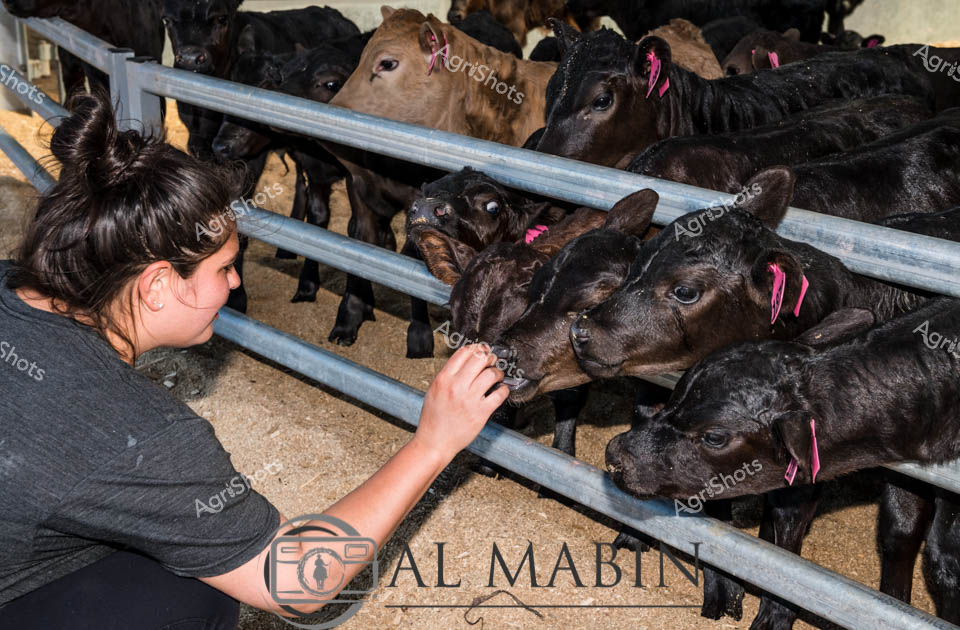
Young dairy farm worker tends to a group of black and brown calves in a modern livestock barn. Her gentle touch and close proximity reveal a nurturing approach to animal care, characteristic of Tasmania's progressive agricultural practices. The calves, predominantly black with distinctive pink ear tags, huddle close to metal barriers, representing a mix of Holstein and Jersey breeds. Soft natural light filters across the sandy-colored concrete floor, highlighting the varied coat colors and textures of the young animals. A caramel-colored Jersey calf stands among the darker Holsteins, adding visual diversity to the scene. The worker's careful interaction demonstrates the critical role of hands-on husbandry in early calf development, essential to maintaining the high-quality dairy herds that Tasmania is renowned for in Australian agricultural production.
Well, you've ploughed through the whole field!
No more crops to harvest here, mate.
Try searching for something else in our library of 50,000+ royalty-free media: