 Video
Video
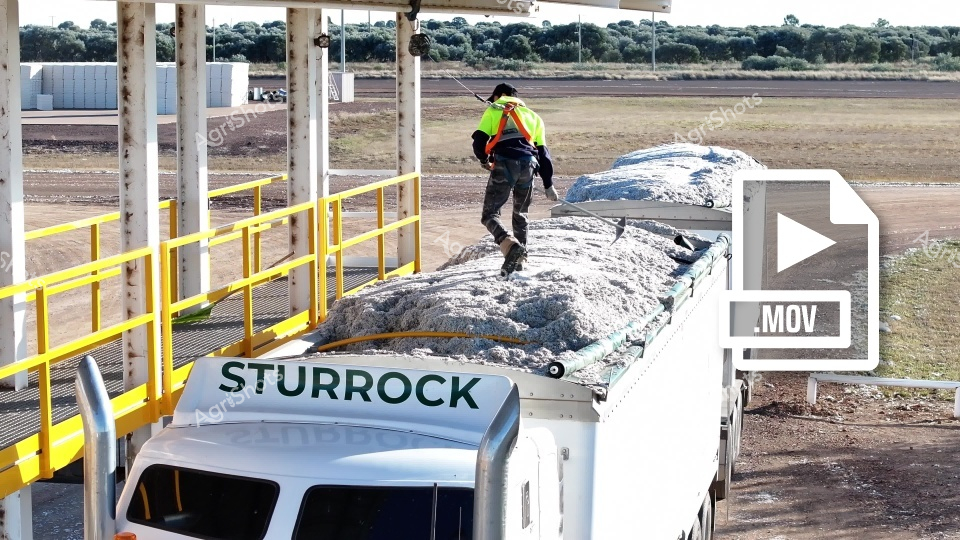
A safety-conscious worker in vibrant high-visibility yellow and orange safety gear traverses a white truck loaded with fresh cotton at a regional processing facility. Sturrock branding adorns the vehicle's side, signaling a professional agricultural transport operation in Queensland's Central Highlands. Carefully balanced on the truck's covered cargo, the worker wearing a safety harness prepares to adjust the protective tarp covering the delicate white cotton bales. Bright yellow safety railings frame the loading platform, highlighting the meticulous workplace safety protocols essential in modern agricultural processing. The surrounding landscape reveals a expansive rural setting with scattered eucalyptus trees and open farmland, capturing the industrial agricultural infrastructure of the Australian cotton industry during harvest season. The crisp, clear autumn light emphasizes the textural contrast between the soft, billowing cotton and the rigid industrial structures, embodying the precision and care integral to agricultural production.
 Image
Image
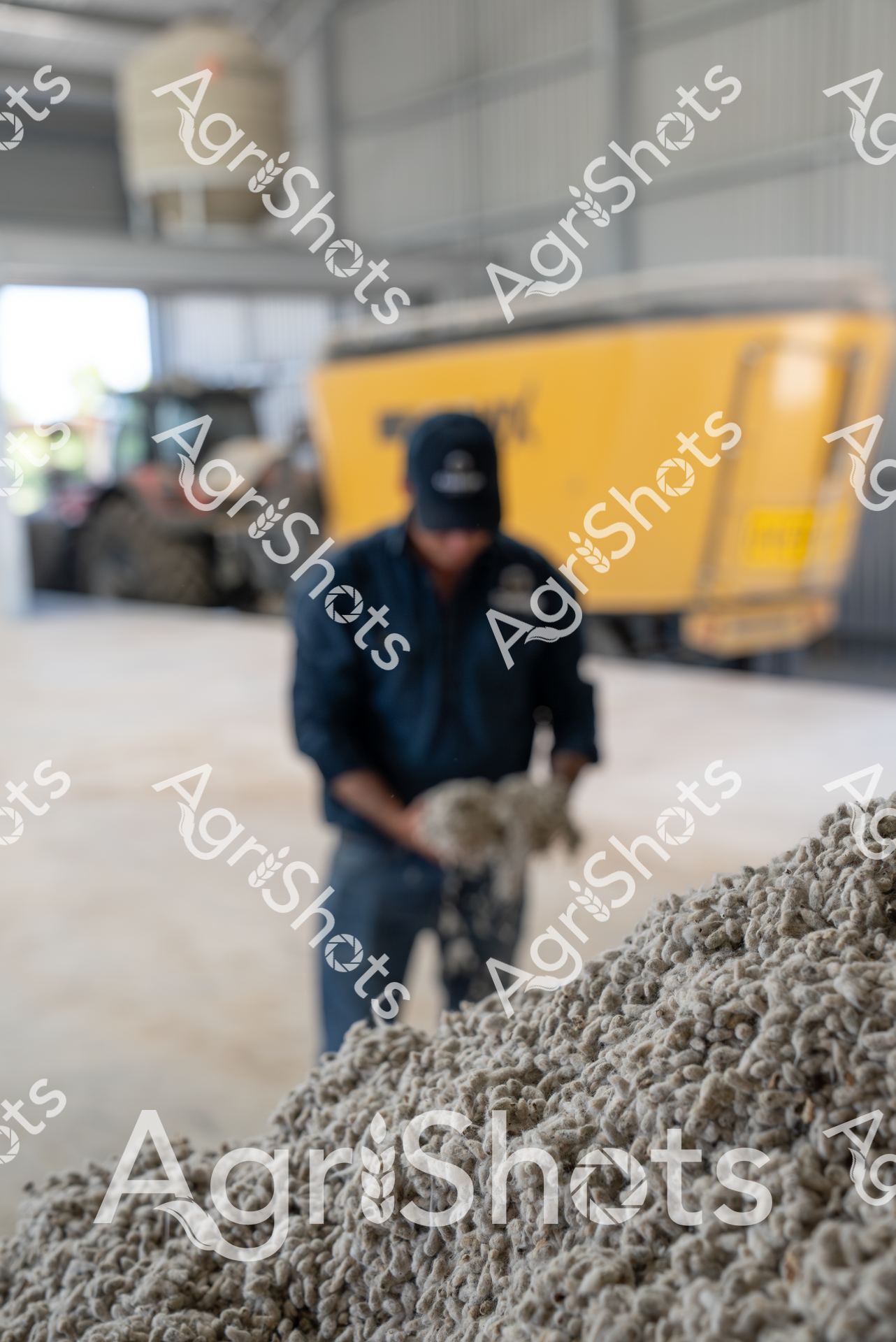
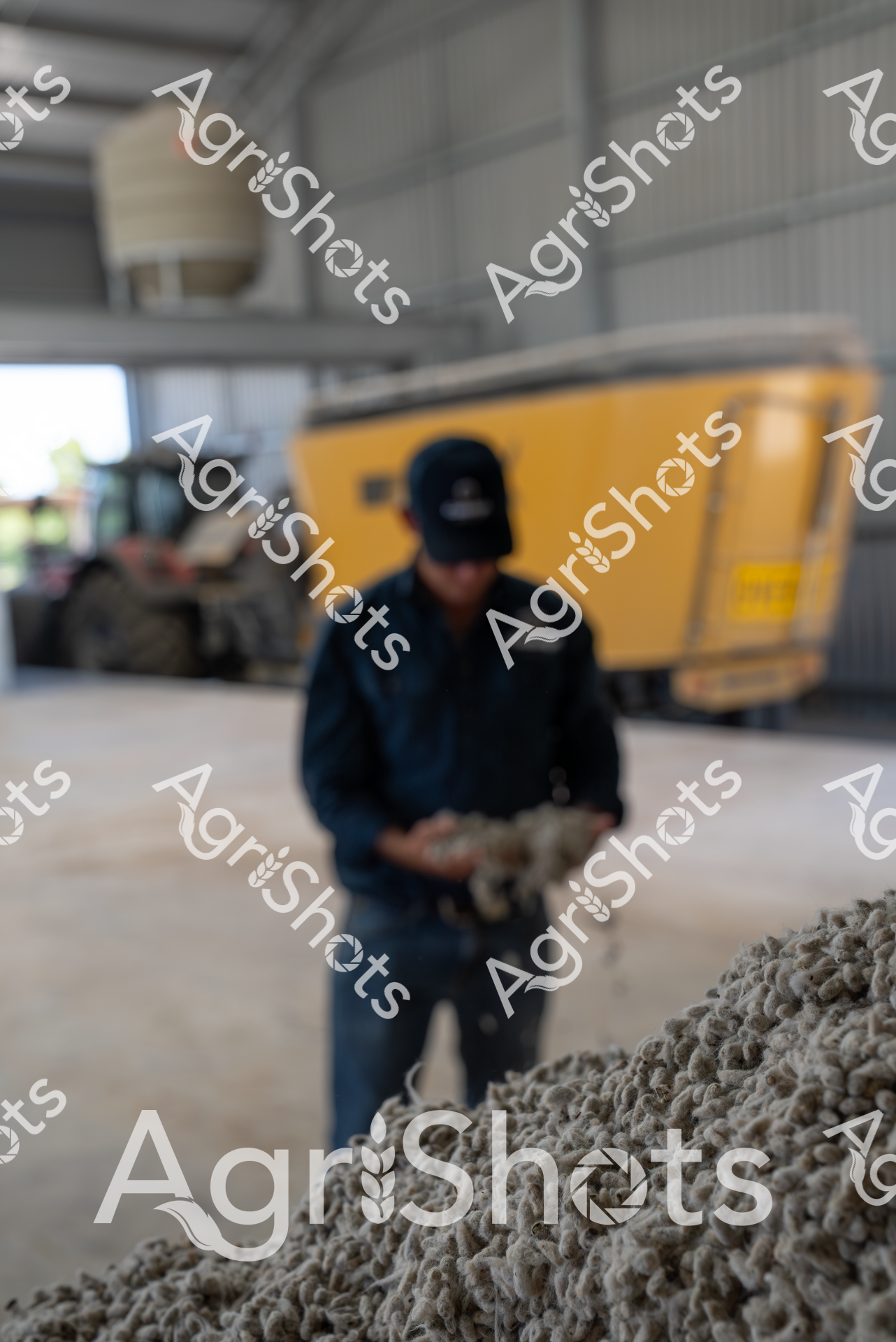
In the heart of Queensland's cotton country, a seasoned agricultural worker stands amid a towering pile of freshly harvested cotton seeds. Dressed in a navy uniform and branded cap, the worker carefully handles the dense, textured seeds, showcasing the meticulous process of cotton production in the Goondiwindi region. The bright yellow feed mixer in the background hints at the sophisticated agricultural machinery used in modern farming operations. Soft, earthy greys and whites of the cotton seeds create a tactile landscape, contrasting with the crisp industrial setting of the storage facility. Sunlight filtering through the windows illuminates the scene, casting a warm glow that highlights the intricate texture of the seeds and the worker's focused demeanor. This image captures the essence of Australian agricultural expertise - a blend of manual skill, technological innovation, and deep connection to the land during the peak of the summer harvest season.
 Image
Image
Merino lambs huddle in a radial formation, their russet-hued bodies creating a living flower against the terracotta-colored earth of a drought-stricken paddock. Each lamb stands tightly pressed against its siblings, creating a survival strategy that minimizes individual exposure to harsh conditions while accessing a centralized feed source. The white and reddish-brown bodies reflect the unforgiving Australian rural landscape - a palette of survival and resilience typical of New South Wales agricultural regions during extended dry periods. Supplementary feeding becomes a critical lifeline, with cotton seed and grain strategically distributed to maintain livestock condition when pasture growth has ceased. The circular arrangement suggests careful livestock management, where each animal receives equal opportunity for nutritional support. The compressed earth and monochromatic background emphasize the challenging environmental conditions confronting Australian farmers. The Al Mabin watermark indicates this compelling image is part of a professional agricultural documentation series, capturing the raw, unfiltered reality of pastoral life during climatic stress. This photograph powerfully communicates the sophisticated survival techniques of both livestock and farmers in adapting to Australia's unpredictable agricultural landscape.
 Image
Image
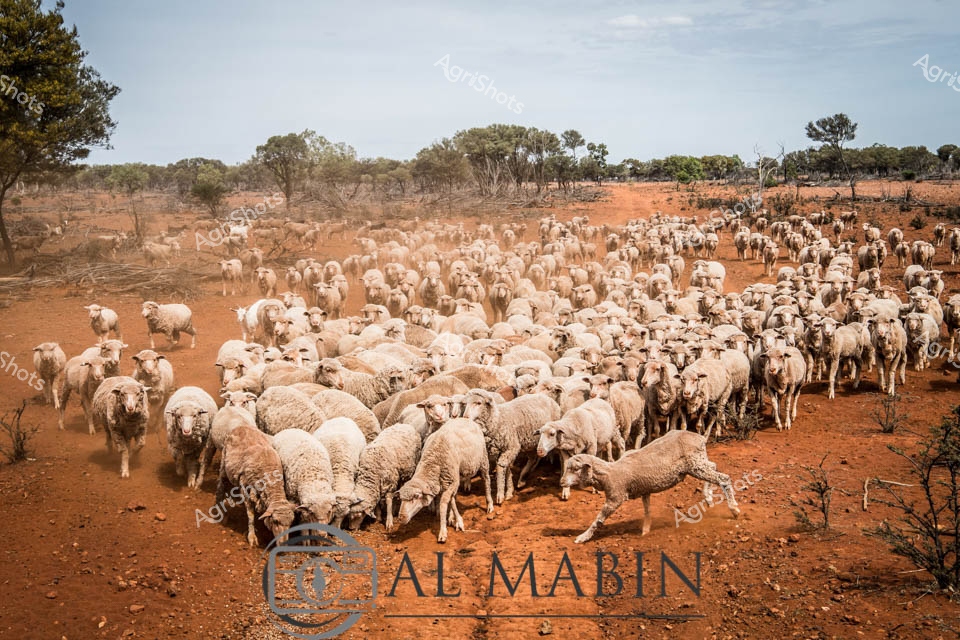
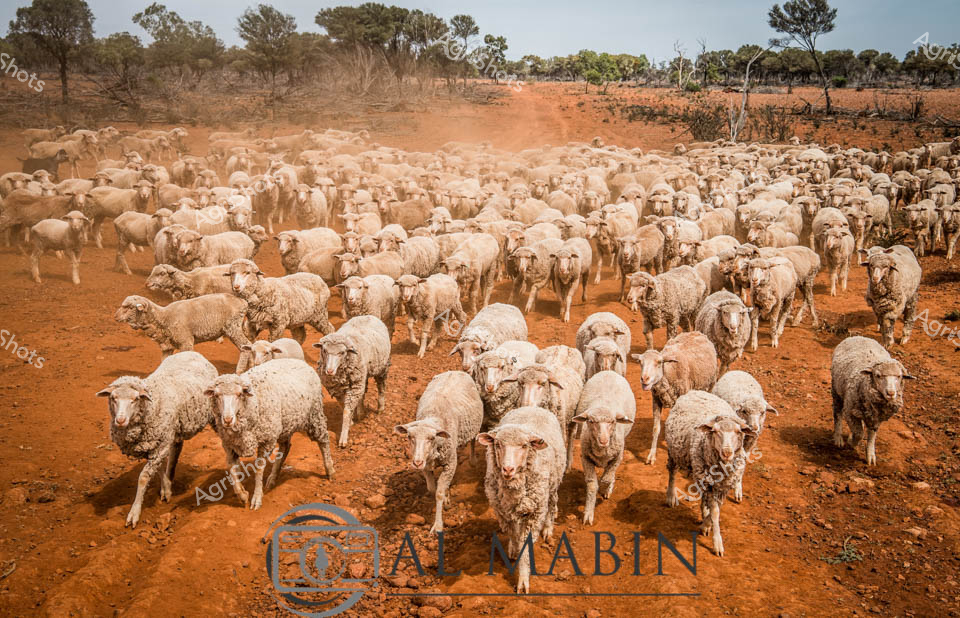
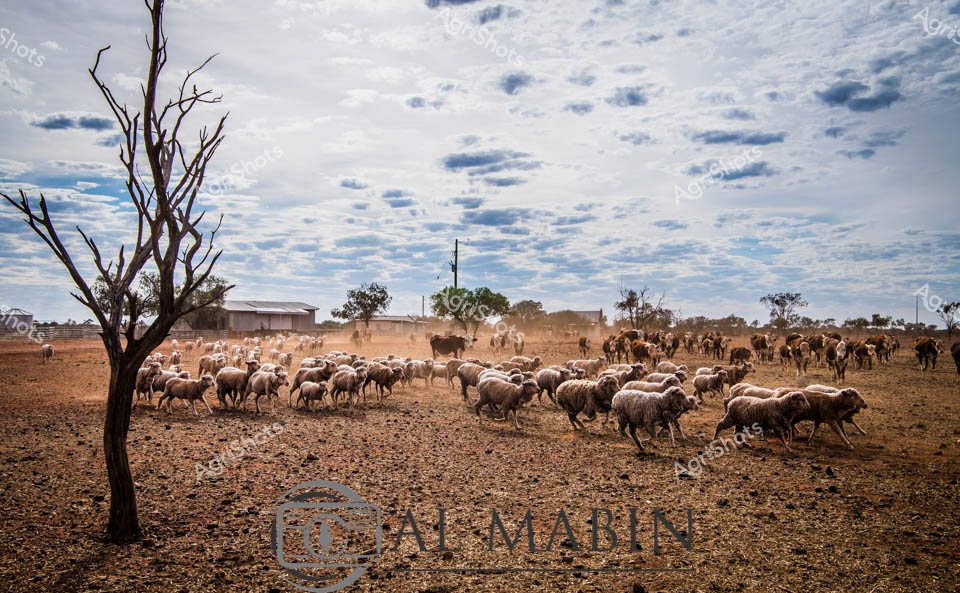
Merino sheep traverse the parched, rust-red earth of inland Australia, kicking up a billowing dust cloud that softens the stark landscape beneath an overcast sky. The tightly-packed flock moves with purpose across a rugged pastoral terrain, scattered with resilient native shrubs and weathered trees - a testament to the challenging conditions of rural agricultural regions. Each woolly sheep bears the hallmarks of sturdy stock, their thick fleeces a uniform pale cream against the ochre ground, reflecting generations of careful breeding for harsh continental environments. The dramatic cloudscape overhead suggests an imminent seasonal shift, with potential rain promising renewal to this arid ecosystem. A watermark from "Al Mabin" indicates this powerful documentary-style image captures the daily realities of sheep farming in drought-affected areas of New South Wales. The scene powerfully communicates the endurance of Australian agricultural communities, where livestock management requires profound skill, patience, and connection to an unforgiving landscape.
 Image
Image
Merino sheep cluster densely across a parched red earth landscape in central western New South Wales, their woolly bodies casting a dusty haze across the arid terrain. The flock, tightly packed and resilient, stands amid sparse eucalyptus trees and sparse vegetation, a testament to the challenging drought conditions of the Australian agricultural heartland. Rich ochre soil contrasts sharply with the cream and tan fleeces of the sheep, creating a textural landscape that speaks to the endurance of pastoral farming. These hardy Merino ewes, bred for both wool and meat production, demonstrate the agricultural adaptation required in harsh inland environments where water and feed are scarce. The mob moves with a collective instinct, their clustered formation suggesting recent droving or supplementary feeding – a critical survival strategy during prolonged dry seasons. This powerful image captures the raw essence of Australian livestock farming: survival, persistence, and the unbreakable connection between land, animal, and farmer in one of the world's most challenging agricultural regions.
 Image
Image
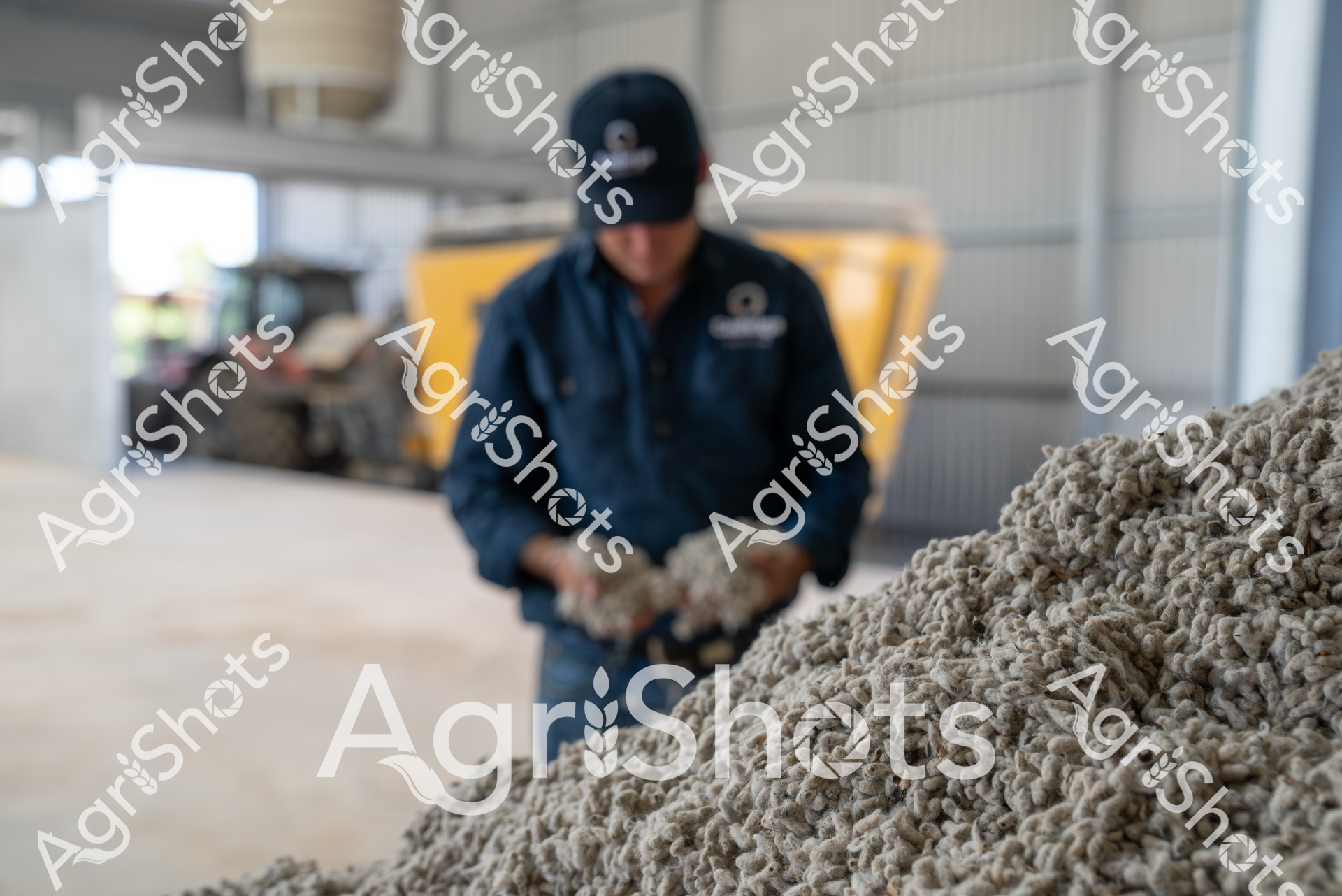
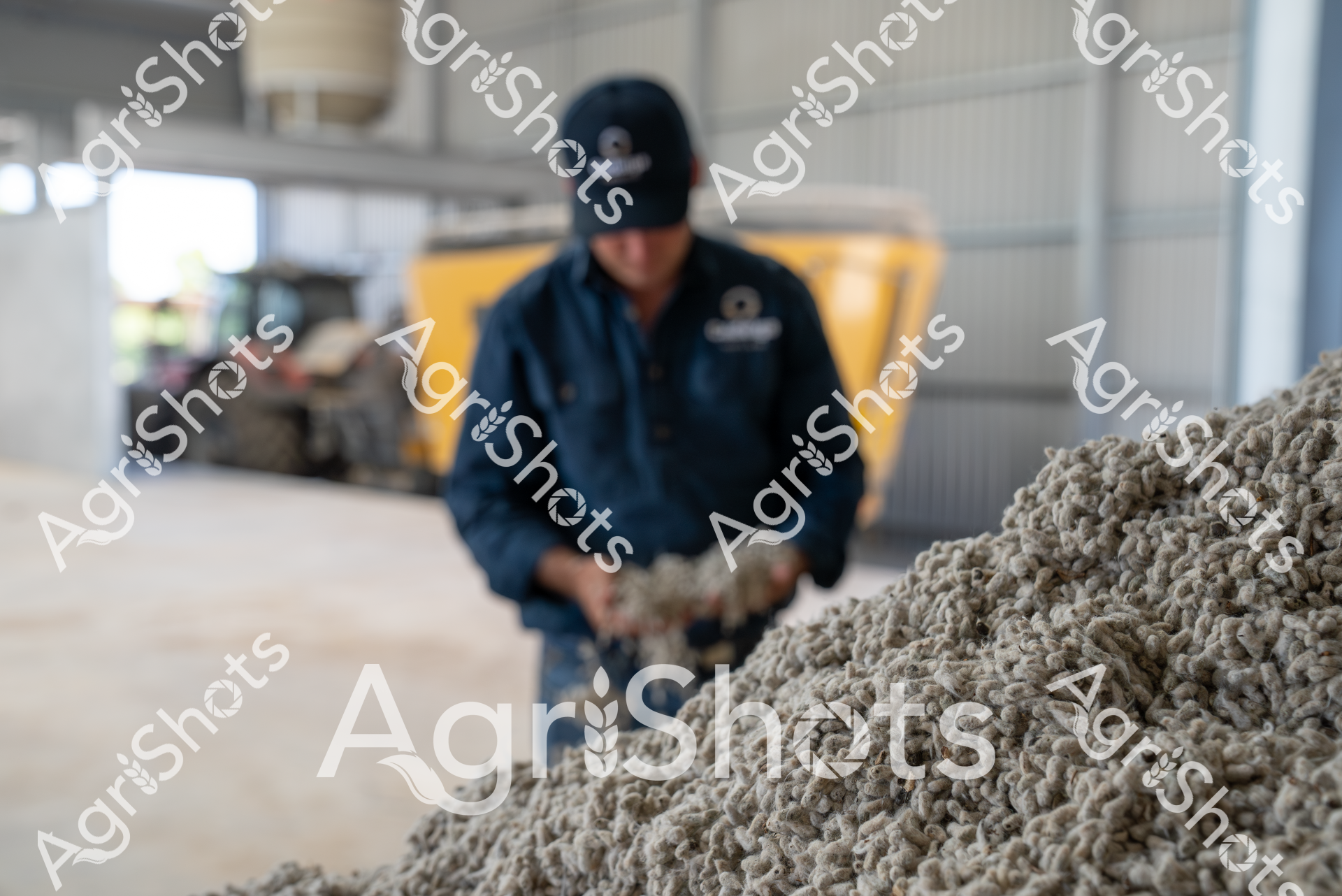
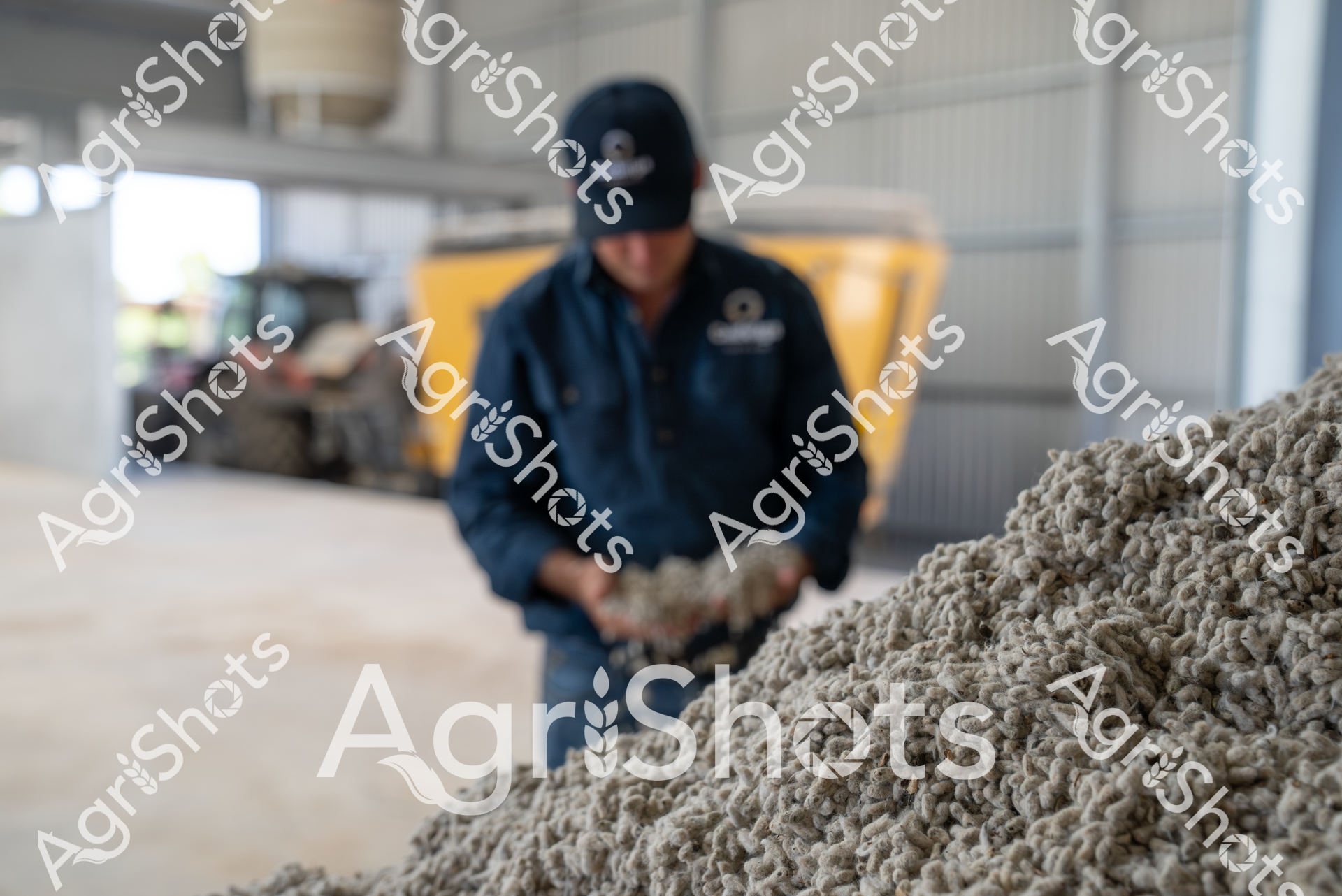
Raw cotton seed piles high in the foreground, its textured, lumpy surface filling the frame with a soft grey-white mass characteristic of freshly harvested cotton. A farm worker in dark blue workwear and a black cap stands behind the cotton pile, partially obscured, actively managing the seed storage in what appears to be a large agricultural processing shed. A bright yellow feed mixer or agricultural equipment is visible in the background, suggesting this is a modern agricultural facility in the Goondiwindi region of Queensland. The industrial interior space has clean, structured walls and provides a controlled environment for seed processing and storage. The scene captures the technical precision of contemporary cotton agriculture - a moment of transition between harvest and further processing, with the raw material waiting to be transformed. The muted colors and focused worker convey a sense of quiet productivity, highlighting the meticulous work involved in preparing cotton seed for future use in textile production or agricultural applications.
 Image
Image
Raw cotton harvests pile in textured mounds of soft, silvery-grey fibers in the foreground, highlighting the agricultural bounty of Queensland's cotton growing regions. A farm worker stands in the background, partially obscured, wearing dark workwear and a cap, positioned near a large yellow feed mixer in what appears to be a spacious agricultural processing shed. The industrial interior features corrugated metal walls and high ceilings, suggesting a purpose-built agricultural storage and processing facility typical of the Goondiwindi region's robust cotton industry. Sunlight filters softly through unseen windows, casting a warm ambient light that accentuates the texture of the cotton and the utilitarian environment. The scene captures a moment of agricultural productivity, with the massive cotton heap representing the result of months of careful cultivation and harvesting. The composition speaks to the technical precision and hard work underlying Australia's significant cotton production, with equipment and human labor working in concert to transform raw agricultural product.
 Image
Image
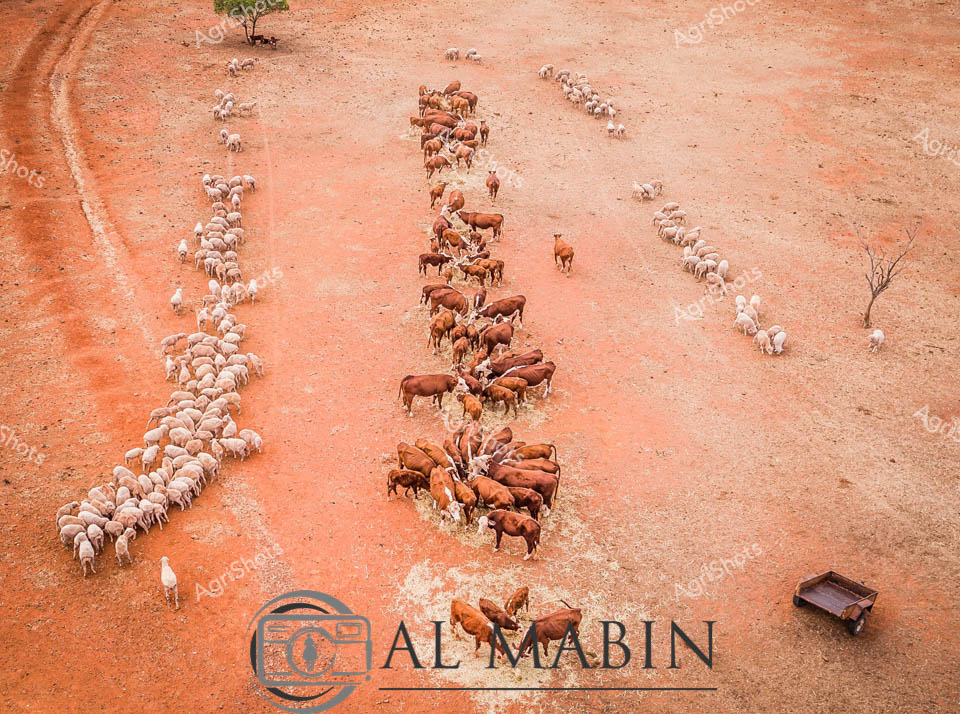
A stark aerial view of pastoral resilience unfolds across the sunbaked terracotta landscape of rural Australia during an intense drought. Tightly clustered herds of reddish-brown beef cattle and pale sheep congregate along dusty tracks, strategically positioned around what appears to be supplementary feed distribution points. The rich ochre earth stretches monotonously, punctuated only by a few skeletal trees and a lone trailer, emphasizing the harsh environmental conditions challenging livestock producers. Herds are meticulously grouped - muscular cattle centrally positioned, surrounded by smaller bands of sheep - suggesting careful management and survival strategies in an unforgiving climate. The image powerfully captures the agricultural determination required to sustain livestock through extreme environmental stress, with each animal's positioning revealing the calculated precision of drought-hardened farmers. Al Mabin's watermark signals this as a professional agricultural documentation, transforming a challenging agricultural moment into a compelling narrative of Australian rural endurance.
 Image
Image
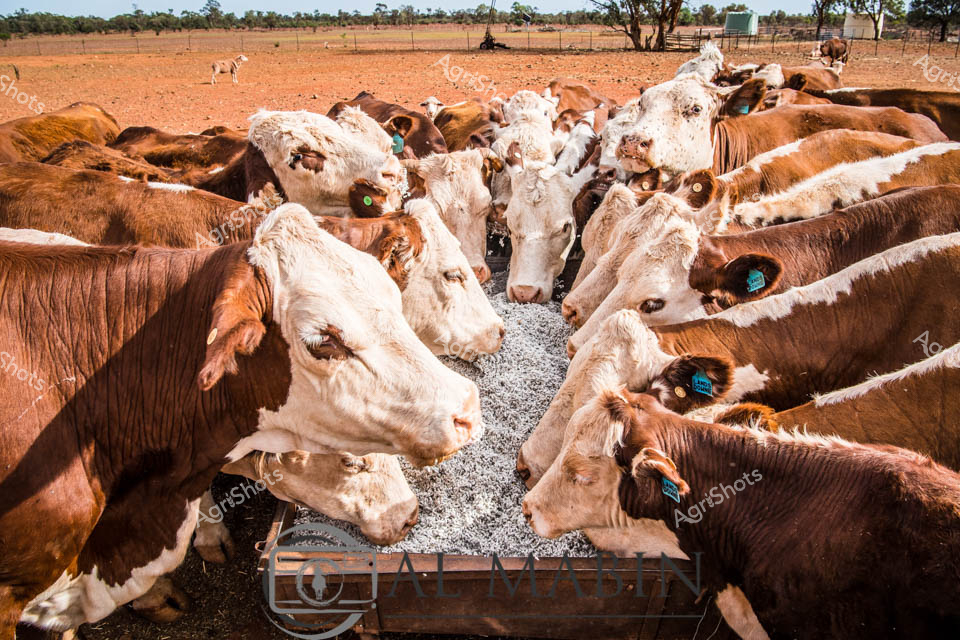
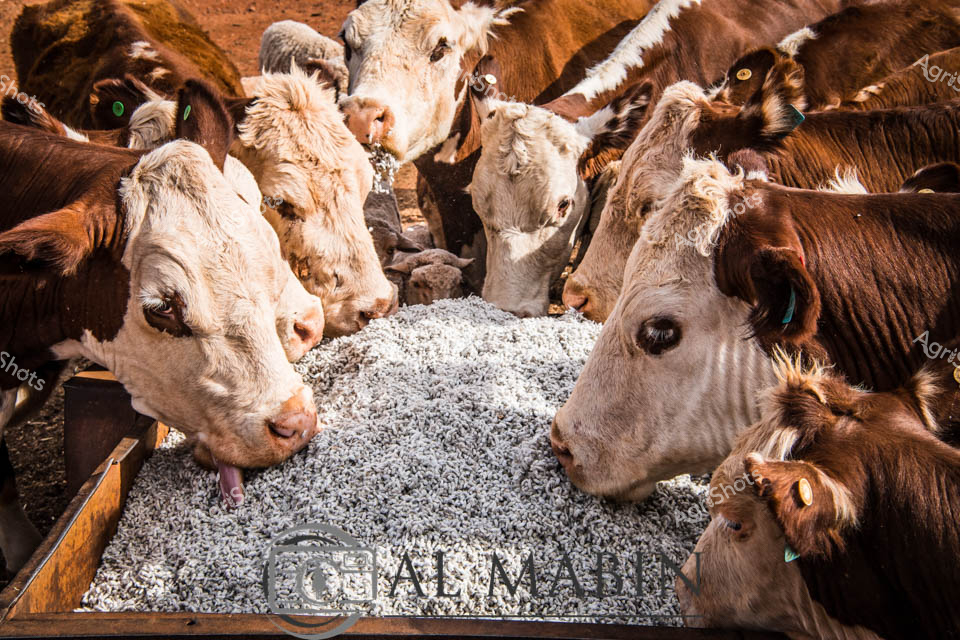
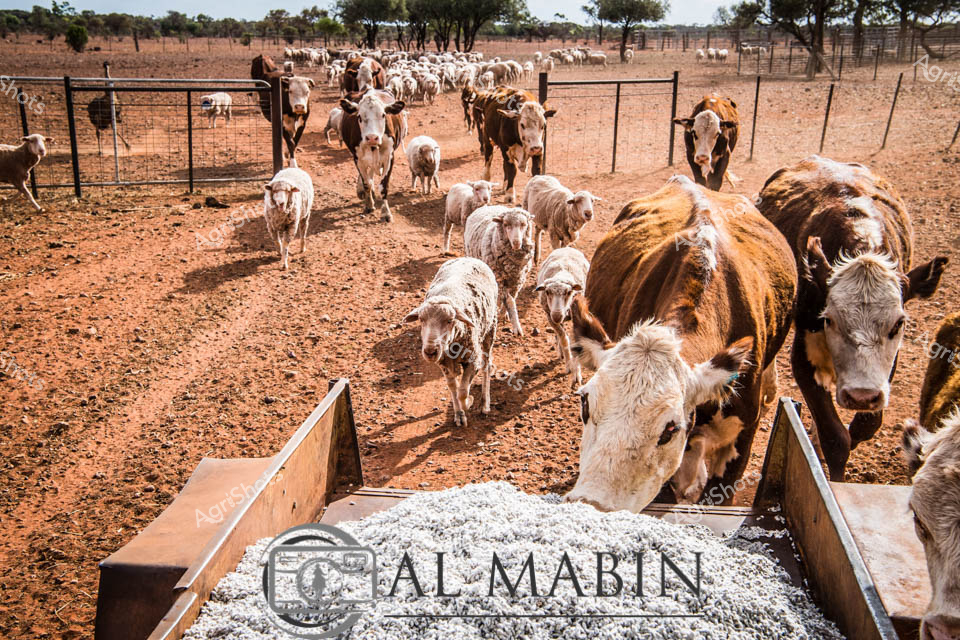
Merino and Hereford cattle crowd together at a feed trough in the parched western plains of New South Wales, their russet and cream-colored coats contrasting sharply against the baked terracotta earth. Blue ear tags identify each animal, clustered tightly to share precious feed during the unforgiving drought conditions. A silver metal feed trough stretches between them, filled with what appears to be cotton seed or grain - a critical lifeline in this arid landscape. Sparse paddock trees and distant fencing mark the horizon, revealing the uncompromising Australian rural environment where livestock survival demands constant human intervention. The harsh sunlight casts deep shadows, highlighting the muscular frames of these resilient cattle and the textured, cracked ground beneath their hooves. This image captures the raw essence of agricultural resilience - farmers and livestock working in unison against challenging environmental conditions.
 Video
Video
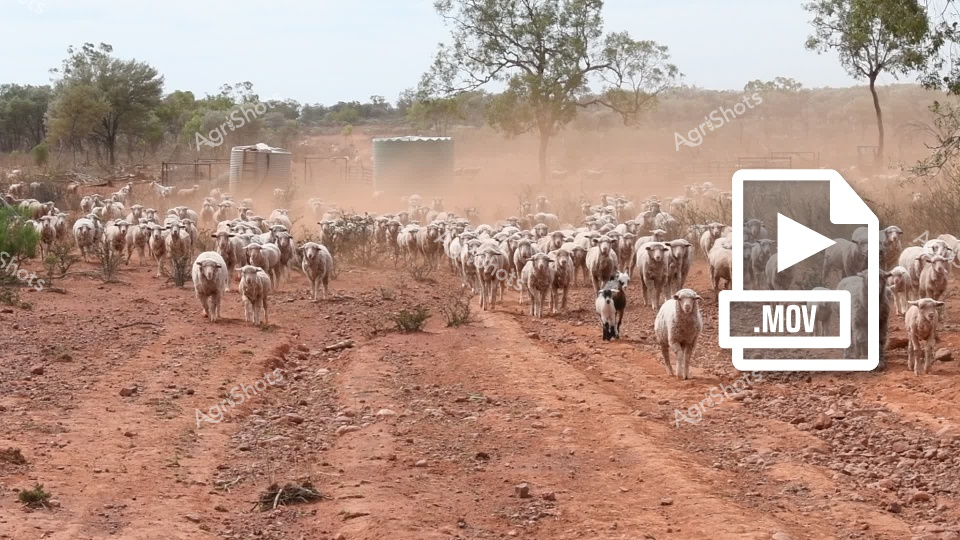
This dynamic video footage captures a large flock of sheep moving across a sun-scorched, rust-colored dirt track in a dry Australian rural landscape. The clip showcases a massive mob of woolly sheep, likely Merino or a mixed pastoral breed, trudging through a dusty, arid environment with scattered gum trees and sparse vegetation. Clouds of ochre-colored dust billow around the livestock as they move in a dense, coordinated formation, creating a powerful visual representation of livestock movement in challenging outback conditions. The video powerfully depicts the harsh realities of agricultural life in what appears to be a drought-affected region, most likely in South Australia or Queensland during the winter season. Rugged metal water tanks can be glimpsed in the background, suggesting this is a working station or pastoral property where water management is critical. The sheep move with a determined rhythm, their woolly bodies creating a textural mass against the raw, weathered landscape. The scene captures the resilience of Australian livestock and farmers, showcasing how these animals navigate extreme environmental conditions with remarkable adaptability. Subtle variations in the sheep's wool colors - ranging from cream to light brown - add visual depth to the dusty, monochromatic scene, highlighting the robust nature of these agricultural animals in a challenging terrain.
 Image
Image
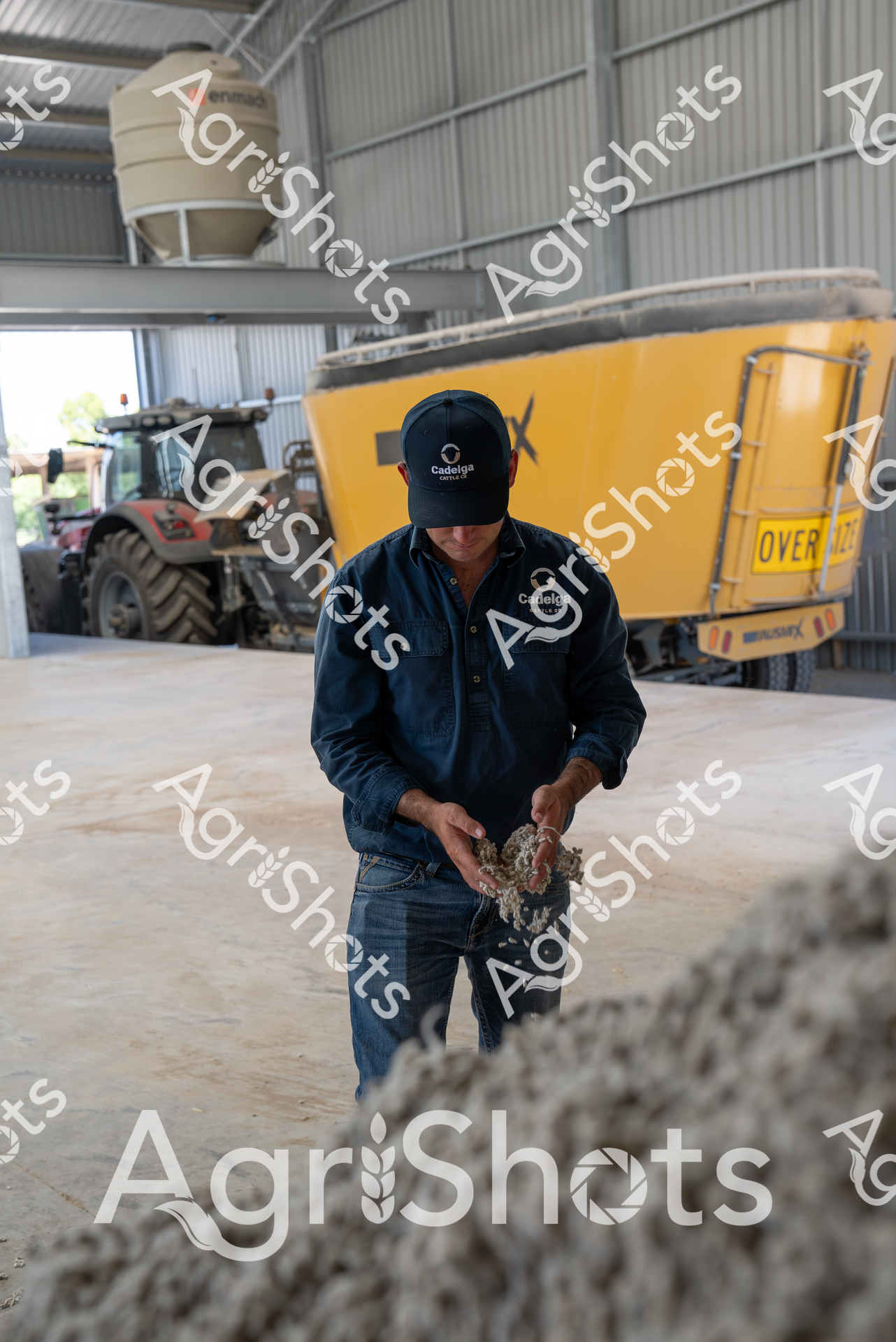
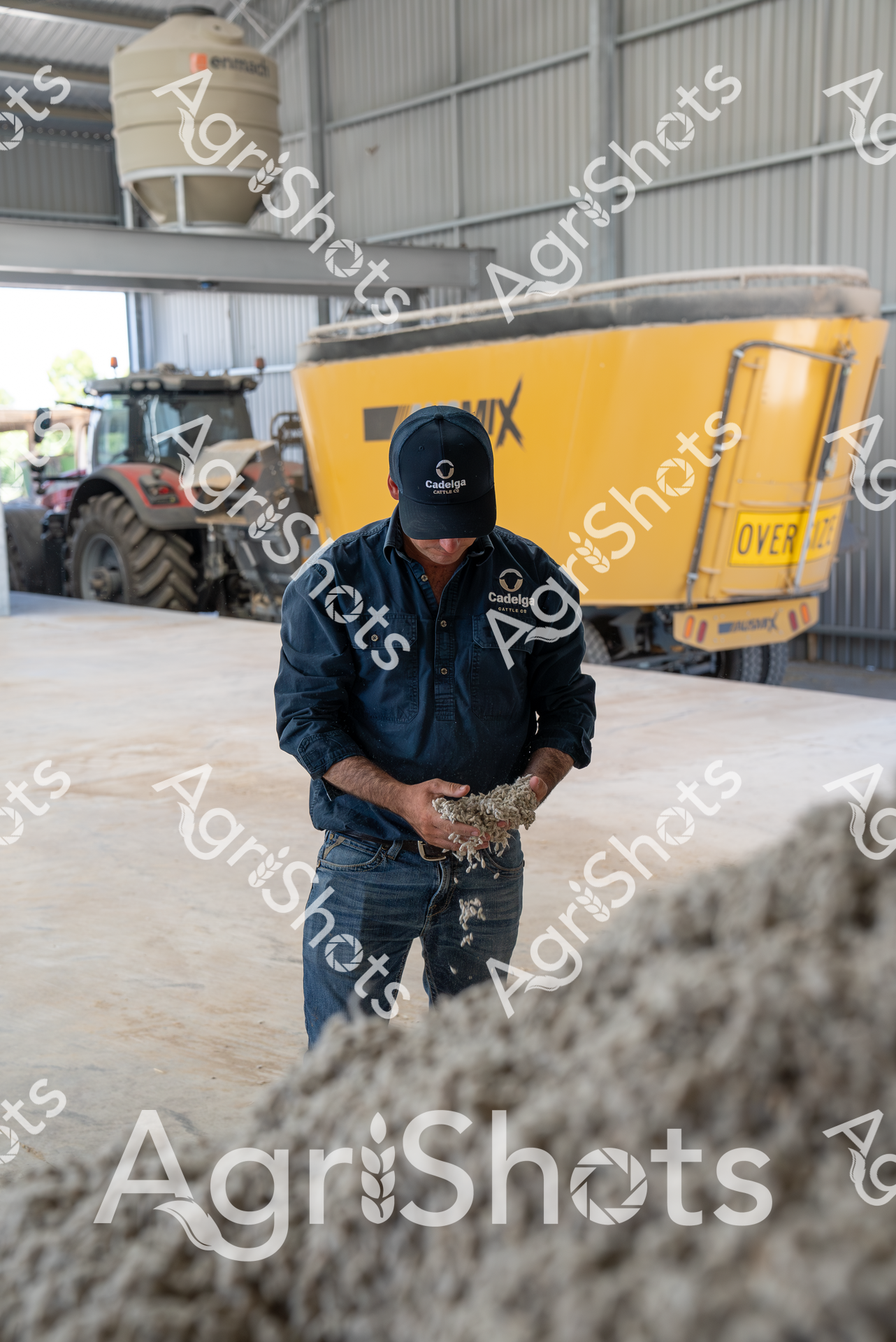
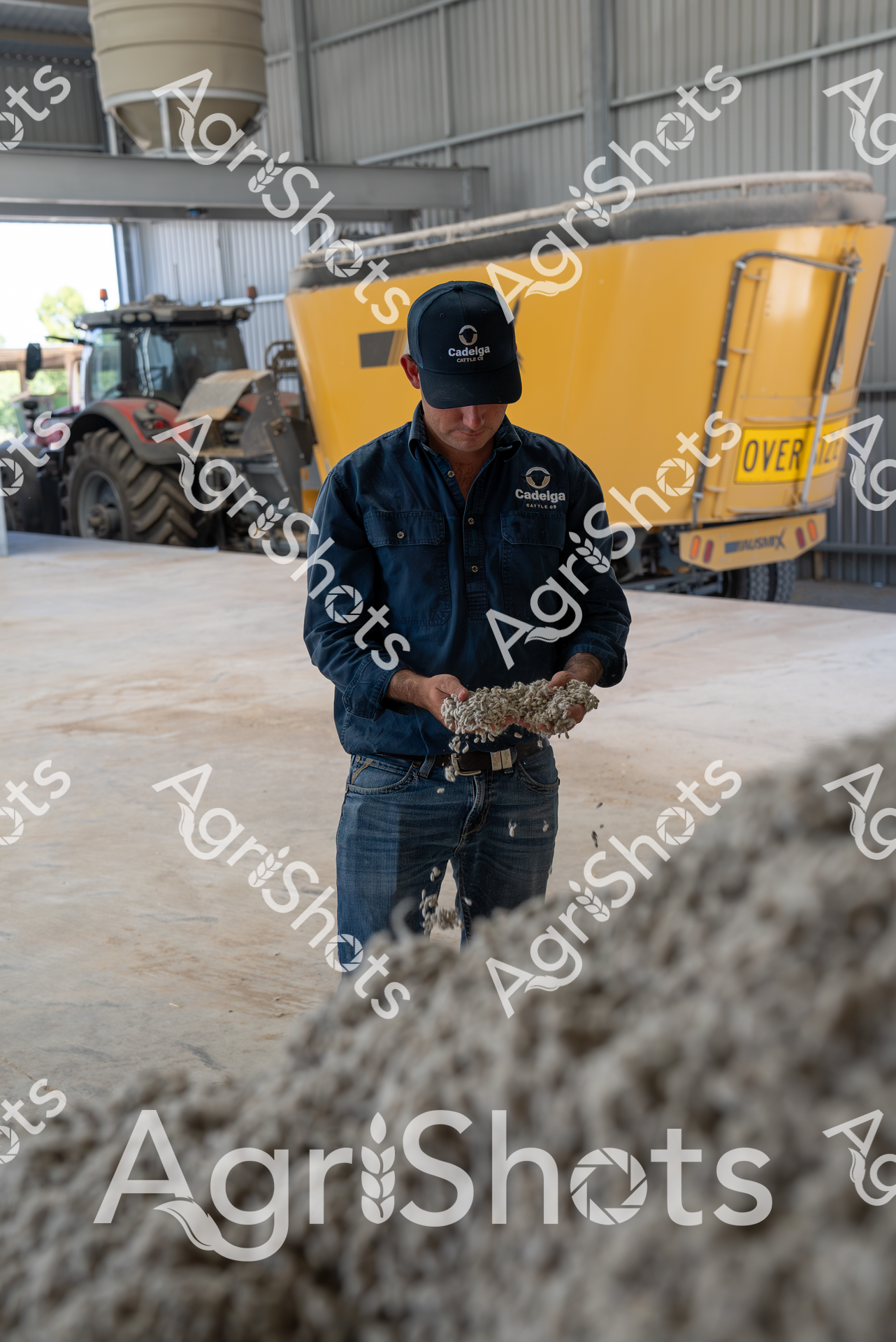
In the expansive agricultural shed of a Goondiwindi region farm, a Cadelga-branded agricultural worker carefully examines raw cotton seed, his navy work attire and cap contrasting against the industrial backdrop. A massive yellow feed mixer dominates the background, alongside a powerful tractor, highlighting the sophisticated machinery of modern cotton production. The worker's hands cradle a handful of freshly processed cotton seed, showcasing the tactile connection between farmer and crop during quality assessment. Overhead, a large cream-colored storage silo stands sentinel, reinforcing the structured and methodical approach of contemporary agricultural operations. Sunlight filtering through the open shed entrance suggests a warm summer day typical of Queensland's agricultural heartland, casting soft shadows across the concrete floor. The scene captures the precision and care integral to cotton seed processing, where every handful represents potential yield and agricultural expertise.
 Image
Image
Merino and Angus cattle cluster intently around a feed trough loaded with cotton seed during a harsh drought season in rural New South Wales. The lean, muscular livestock press close, their varied coats ranging from creamy white to rich chocolate brown, each animal tagged with identification markers in their ears. Dusty, arid ground surrounds the feeding station, highlighting the critical importance of supplementary feed during challenging agricultural conditions. Tightly framed and sharply focused, the image captures the raw resilience of Australian livestock farming - animals sustaining themselves through strategic nutritional support in an unforgiving landscape. The textured, granular cotton seed provides essential protein and energy, a lifeline for cattle struggling through prolonged dry periods that test the limits of pastoral enterprise. This powerful portrait speaks to the technological precision and compassionate management required to maintain livestock health in Australia's most demanding agricultural environments.
 Video
Video
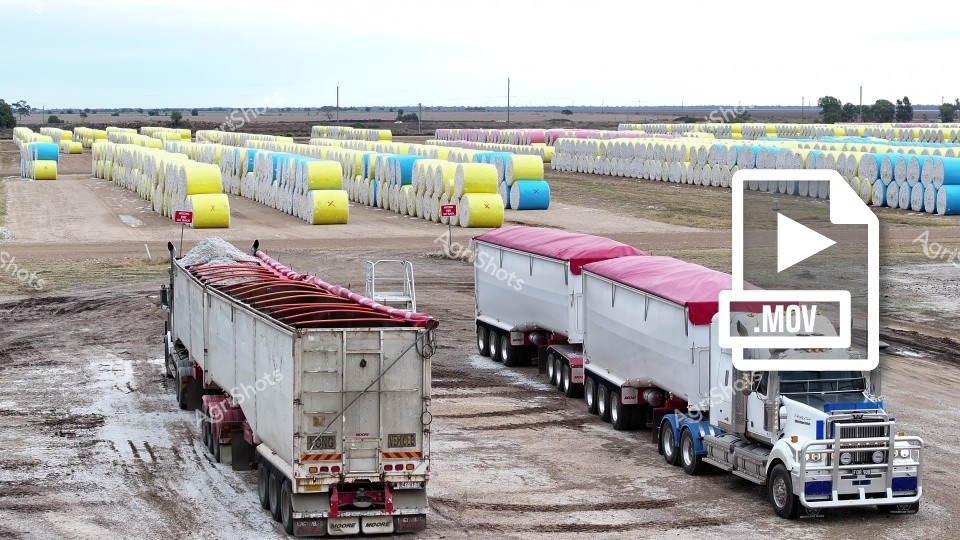
Cotton Harvest Logistics: Baled and Ready Rows of massive cylindrical cotton bales stretch across the dusty rural landscape, a patchwork of white, yellow, and blue under the expansive Australian sky. Heavy-duty road trains - mammoth trucks with multiple trailers - stand ready to transport the season's harvest, their red and pink-topped trailers contrasting against the muted earth tones of the storage yard. The precision of the stacked bales reveals the meticulous organization of modern cotton production, each wrapped bundle representing weeks of careful cultivation in the challenging climate of Northern New South Wales. Weathered ground and distant horizons speak to the harsh agricultural environment where cotton thrives, with power lines and sparse vegetation emphasizing the industrial scale of contemporary farming. The trucks, robust and purposeful, symbolize the critical link between paddock and market - mechanical giants poised to distribute this valuable commodity across the region and beyond. Soft autumn light bathes the scene, highlighting the textures of machinery, compressed cotton, and the unforgiving terrain that defines Australia's agricultural heartland.
 Image
Image
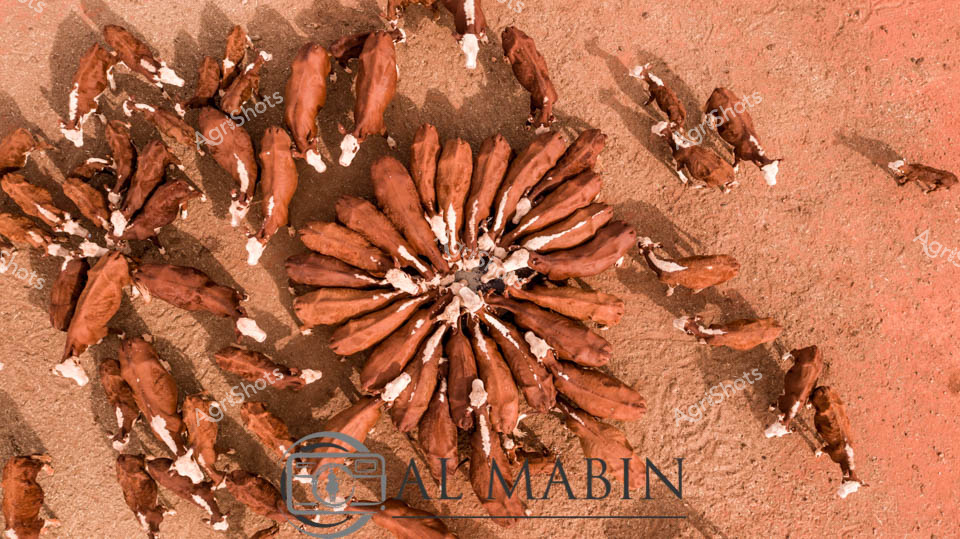
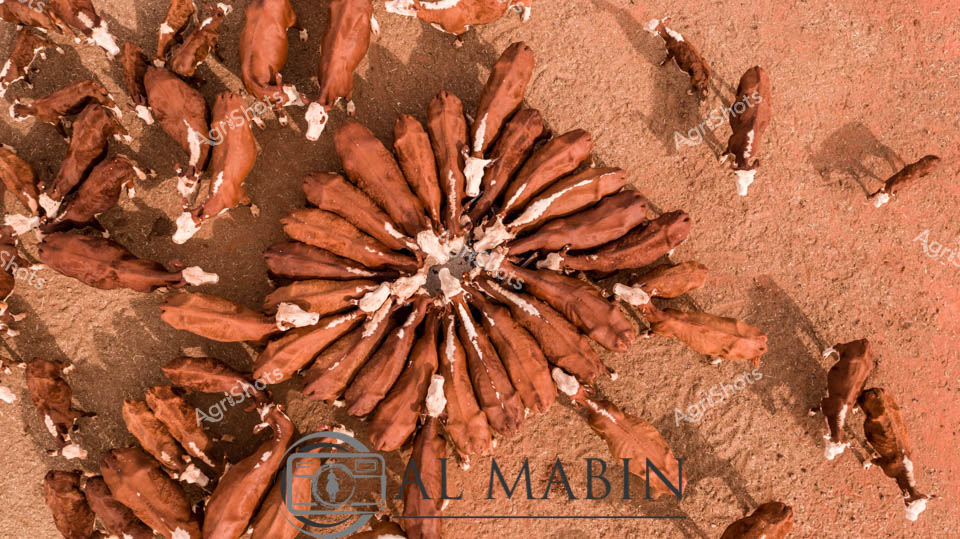
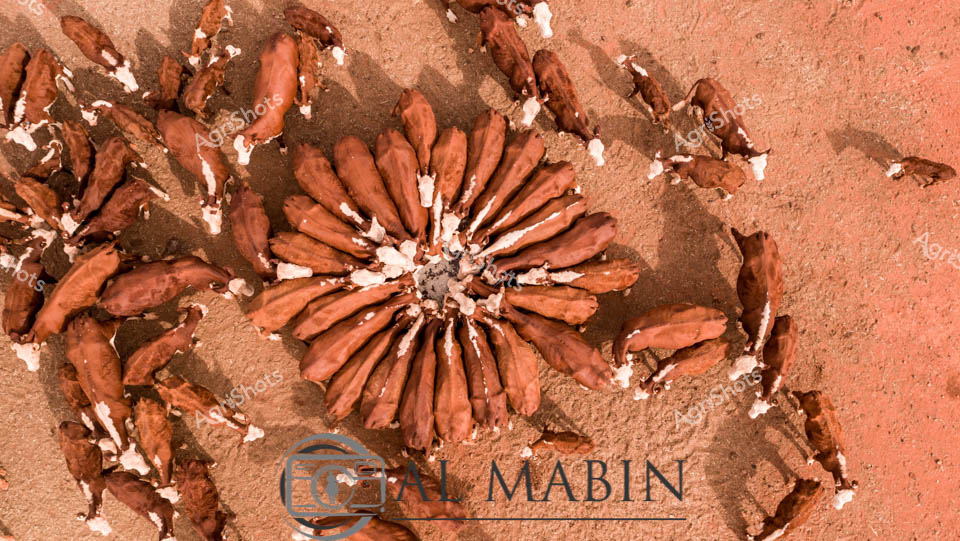
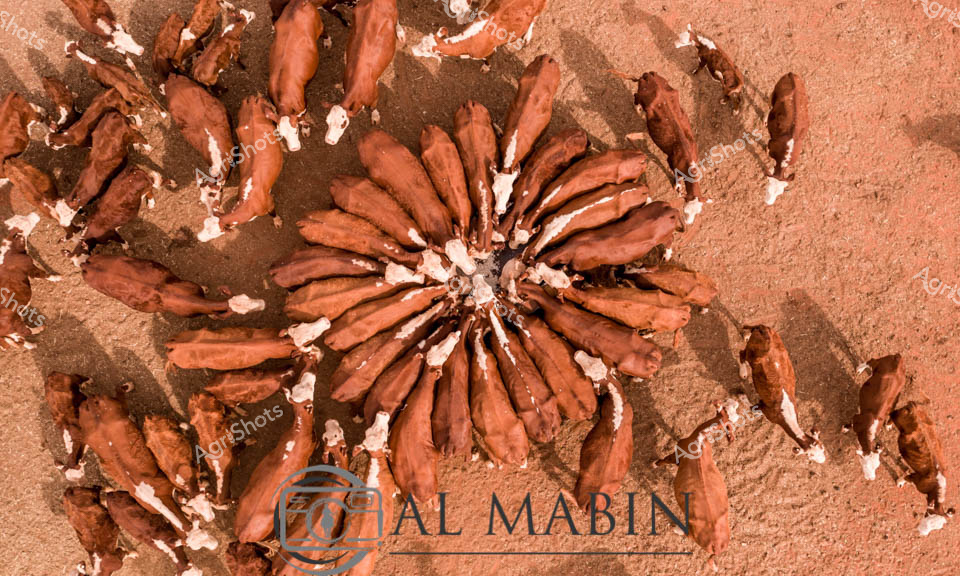
Reddish-brown cattle huddle in a radial formation, their lean bodies arranged like the petals of a starburst against a dusty terracotta landscape. Each animal stands tightly clustered, pointing inward towards a central point of distribution - likely a feed or water source during the harsh conditions of a New South Wales drought. The barren, cracked earth speaks to the challenging agricultural environment, with the cattle's positioning suggesting a communal survival strategy amidst scarce resources. The monochromatic palette of burnt oranges and browns creates a stark, almost artistic composition that captures the resilience of Australian livestock during extreme environmental stress. White patches and hints of skeletal definition underscore the animals' struggle, while their disciplined, symmetrical arrangement reveals an innate intelligence and adaptability. This image powerfully communicates the harsh realities of drought management in agricultural regions, where strategic feeding and careful livestock care become critical to survival. The watermark from Al Mabin, a renowned agricultural photographer, adds professional credibility to this evocative scene of rural endurance, documenting a moment that speaks to the challenging yet noble work of Australian cattle farmers.
 Image
Image
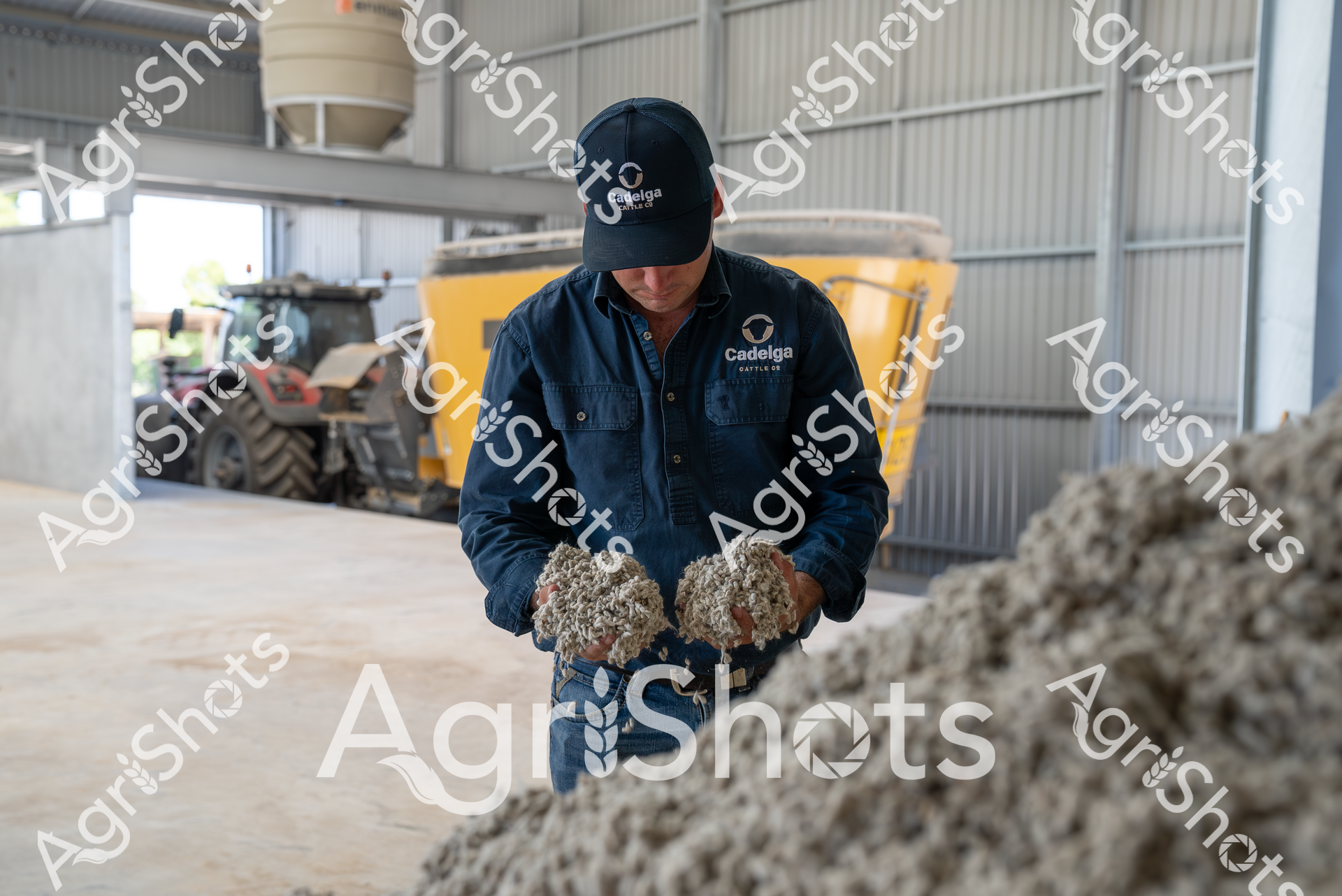
In the expansive agricultural shed of a Cadelga Cattle Co. facility in Queensland's Goondiwindi region, a seasoned farm worker displays the season's raw cotton seed harvest. Wearing a navy blue branded work shirt and cap, the worker carefully holds two substantial clusters of freshly harvested cotton, their textured, light grey-white fibers contrasting against the concrete floor and yellow feed mixer in the background. Summer's harsh light filters through the corrugated iron shed, illuminating the intricate, fluffy mass of seeds and fiber - a testament to the meticulous agricultural process. The industrial setting, with its high ceilings and strategic equipment placement, speaks to the modern, efficient approach of contemporary cotton production. Every element of the scene - from the worker's focused stance to the carefully handled cotton clusters - communicates a sense of pride and precision in agricultural work. The Cadelga branding subtly underscores the professional, dedicated nature of this cotton seed handling operation, capturing a moment of careful evaluation in the complex journey from field to further processing.
 Image
Image
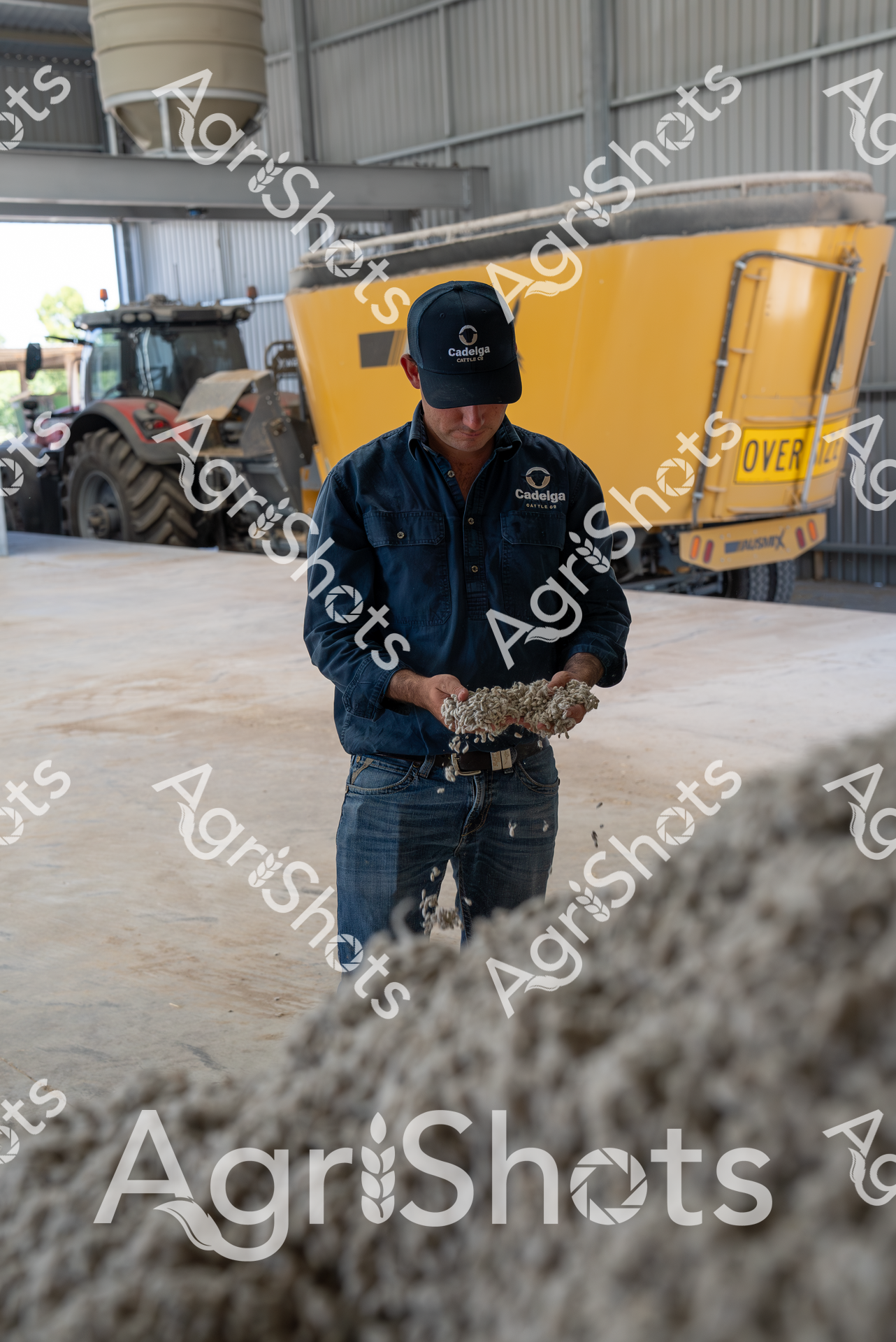
In the heart of Queensland's cotton country, a Cadelga Agricultural Services worker examines a handful of freshly harvested cotton seeds within a robust farm shed. Dressed in a navy blue uniform and branded cap, the worker stands amid piles of fluffy white seed, surrounded by agricultural infrastructure including a yellow feed mixer and a modern tractor. Sunlight filters through the corrugated iron walls, casting soft shadows on the concrete floor and highlighting the delicate, textured clusters of cotton seeds cascading between his fingers. The scene captures the meticulous quality control inherent in Australian agricultural production, with the worker's focused stance reflecting the precision and care fundamental to cotton processing. A yellow "OVER" labeled piece of equipment in the background hints at the sophisticated machinery integral to modern farming operations. The image epitomizes the intersection of manual expertise and technological advancement in contemporary agricultural practice, showcasing the Goondiwindi region's significance in Australia's cotton industry.
 Image
Image
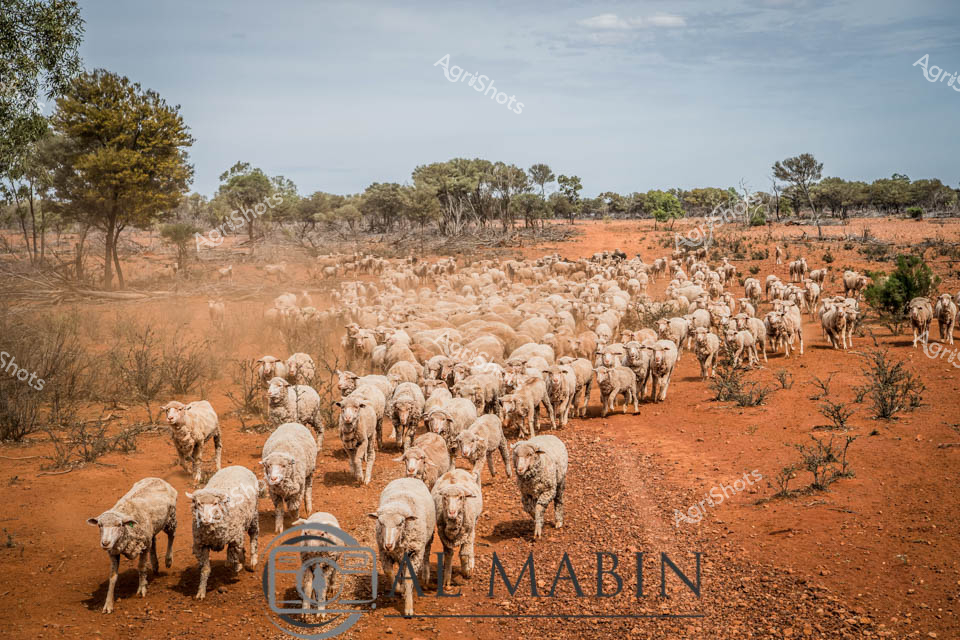
Merino ewes traverse the sun-scorched earth of inland New South Wales, kicking up ochre dust against a sparse woodland backdrop. The dense flock moves with purposeful determination across a rugged, arid landscape dominated by vivid terracotta soil and scattered drought-resistant trees. Their woolly bodies, a palette of cream and soft beige, contrast dramatically with the burnt sienna ground, creating a powerful visual testament to pastoral resilience. Each sheep bears the hallmarks of robust bloodlines bred to survive Australia's harshest agricultural environments - thick fleeces and sturdy frames honed by generations of selective breeding. The scene captures the unrelenting challenge of livestock management during prolonged dry seasons, where farmers must navigate extreme conditions to sustain their herds. This image, watermarked by Mabin, eloquently narrates the endurance of Australian agricultural communities - their quiet strength embodied in these steadily moving sheep against a landscape both unforgiving and beautiful.
 Image
Image
Drought-stricken red earth cradles a carefully arranged cluster of feed pellets, forming an intricate radial pattern that mimics a desert flower. The reddish-brown cotton seed and grain supplements are meticulously positioned, creating a striking circular design against the parched, terracotta-hued soil typical of harsh inland Australian landscapes. Each pellet is strategically placed, revealing the careful hand of a farmer battling extreme conditions, providing critical nutrition for livestock surviving in unforgiving drought conditions. The precise arrangement speaks to the precision and care of agricultural workers who must innovate and strategize to keep cattle alive during challenging environmental circumstances. White fragments interspersed between the feed pellets suggest mineral supplements or calcium additives, highlighting the comprehensive nutritional approach required in extreme agricultural environments. The watermark for "MABIN" suggests this is a professional agricultural documentation, capturing the resilience and strategic thinking required in Australian livestock management during periods of severe environmental stress.
 Image
Image
Merino ewes traverse the sun-scorched landscape of western New South Wales, their wool-laden bodies kicking up ochre dust against a stark, drought-ravaged backdrop. The densely packed flock moves across the cracked, rust-red earth, surrounded by sparse eucalyptus and scrub trees, revealing the harsh resilience of Australian pastoral agriculture. Each sheep bears the hallmarks of fine Merino breeding - dense, slightly yellowed fleece hanging in heavy folds, testament to generations of careful genetic selection and adaptation to unforgiving inland conditions. The afternoon light casts long shadows, emphasizing the undulating mass of woolly bodies and highlighting the survival strategy of collective movement through challenging terrain. This image captures the raw essence of Australian sheep farming - a delicate balance of animal husbandry, environmental endurance, and agricultural determination, where survival depends on the careful management of livestock through extreme climatic conditions. The watermarked image, branded with "Agri Mabin", speaks to the professional documentation of Australia's critical agricultural narratives.
 Image
Image
Clustered like a living mandala, recently weaned calves huddle tightly in a radial formation, consuming supplementary cotton seed feed during the harsh drought conditions of rural New South Wales. The terracotta-hued earth beneath them reflects the unforgiving arid landscape, each vulnerable animal positioned with precision around a central point, their reddish-brown bodies creating an almost geometric pattern of survival. White patches of feed contrast against the rusty ground, highlighting the critical nutritional intervention by farmers battling extreme environmental conditions. The Al Mabin watermark suggests this compelling agricultural documentary image captures the resilience of Australian cattle producers adapting to challenging climate realities. Each calf represents not just an individual animal, but a testament to agricultural persistence - carefully managed, strategically fed, surviving where only the most robust can endure. The overhead perspective transforms a practical feeding strategy into an almost artistic representation of agricultural survival, showcasing the intricate relationship between human intervention and animal husbandry in the Australian pastoral landscape.
 Image
Image
Dust-laden paddocks stretch beneath a merciless sun as livestock crowd around cotton seed feed troughs at the height of a punishing drought. Robust beef cattle and woolly sheep intermingle, their varied russet, white, and cream coats contrasting against the burnt sienna earth of what appears to be a classic New South Wales agricultural landscape. Sturdy metal fencing defines the feeding zone, where animals jostle carefully for access to the critical nutritional supplement - pristine white cotton seed providing essential sustenance during harsh dry conditions. The Al Mabin watermark suggests this powerful agricultural documentary image captures the resilience of Australian farmers and livestock during environmental challenge, showcasing the strategic feeding practices that sustain herds through extreme seasonal pressures. Sparse trees on the horizon provide minimal relief, emphasizing the stark, unforgiving terrain that tests the endurance of both animals and agricultural workers. The scene speaks to the technological and emotional sophistication of modern pastoral management, where survival depends on careful resource allocation and deep understanding of animal nutrition.
 Image
Image
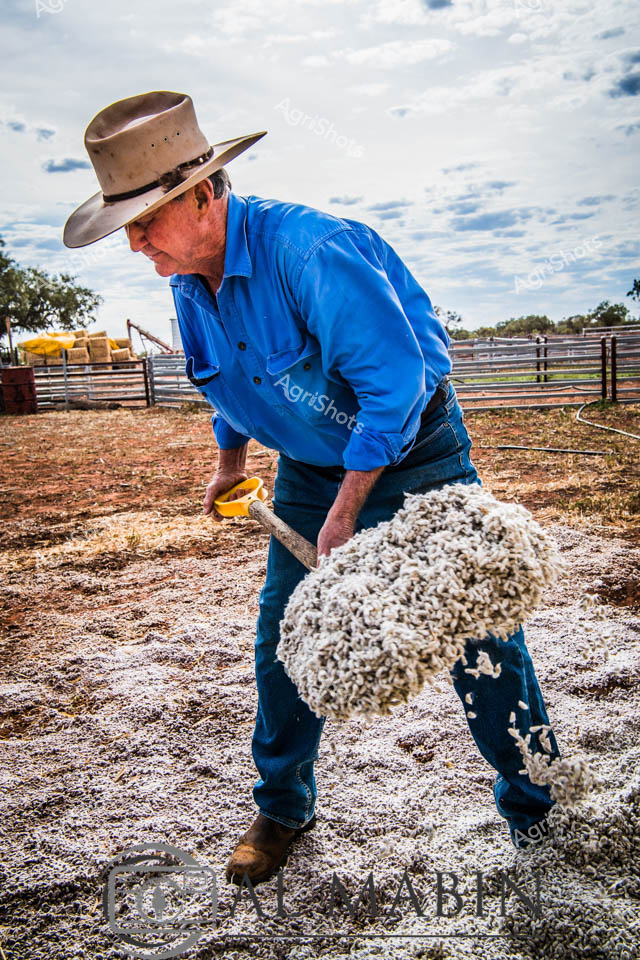
Beneath an expansive clouded sky in the heart of rural Australia, a seasoned wool worker tends to a flock during a challenging dry season. Wearing a classic wide-brimmed stockman's hat and a vivid blue work shirt marked with an AgriShots logo, the experienced farmer carefully handles a dense, dusty fleece of wool. The surrounding landscape reveals a parched paddock with wooden livestock yards, highlighting the harsh conditions of the region. His weathered hands and determined posture speak to generations of agricultural resilience, carefully managing livestock during what appears to be a difficult drought period. The woolshed environment is textured with earthy browns and weathered greys, contrasting sharply with the worker's bright blue workwear and the voluminous white-grey wool being manipulated. Hay bales in the background and scattered feed containers suggest ongoing livestock management strategies during difficult environmental conditions. This image captures the gritty, authentic essence of Australian agricultural life - a narrative of persistence, hard work, and connection to the land during challenging times.
 Image
Image
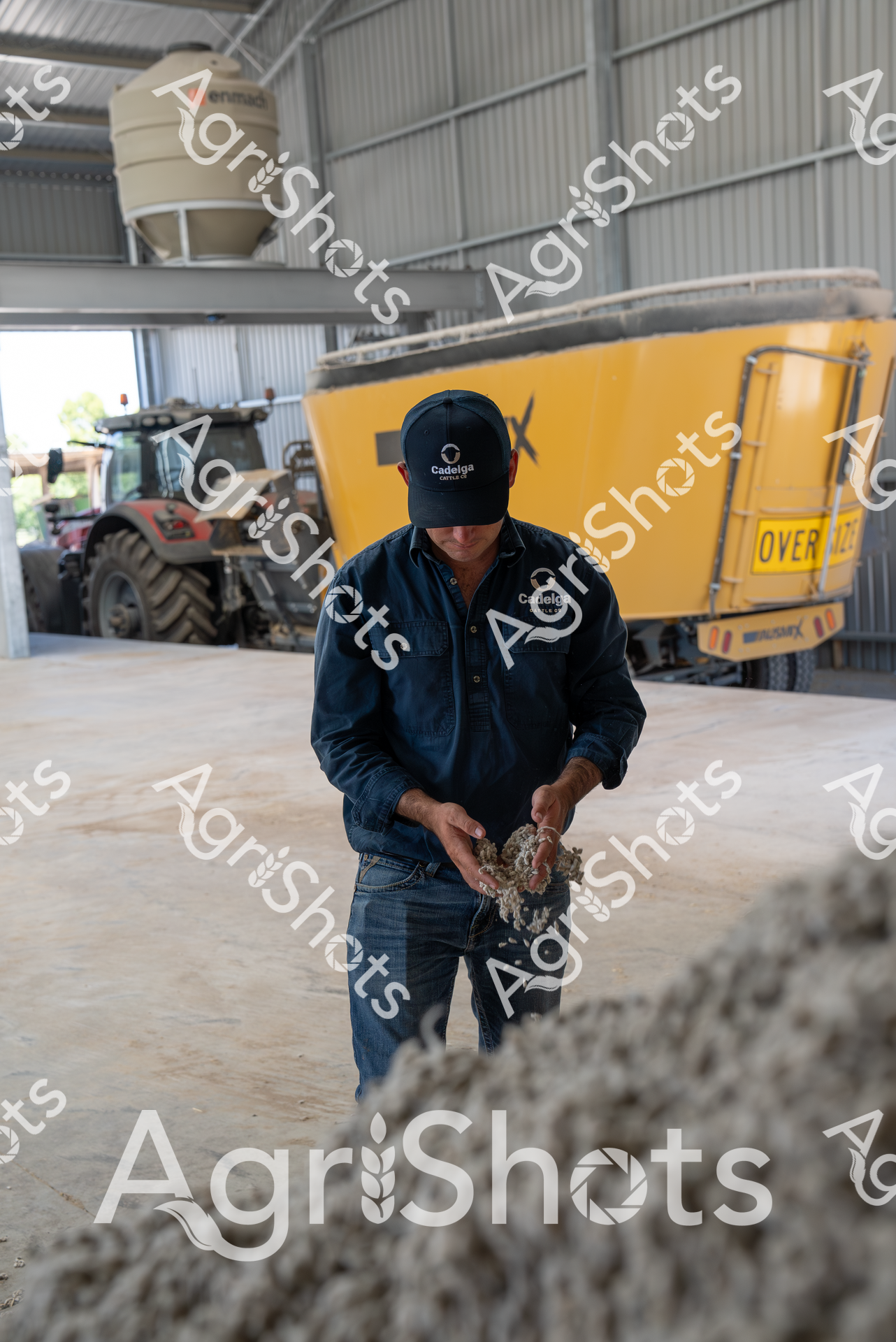
In a sun-drenched agricultural shed near Goondiwindi, a Cadelga-branded farm worker carefully examines a handful of raw cotton seed, standing before a massive yellow feed mixer and a robust tractor. The crisp white concrete floor contrasts with the worker's navy uniform - a cap and work shirt emblazoned with the company logo - creating a stark, professional agricultural environment. Overhead, a large white storage silo anchors the industrial space, while blurred mounds of cotton seed occupy the foreground, suggesting the critical process of feed preparation and agricultural resource management. The worker's focused posture and careful handling of the seed communicate the precision and care integral to modern agricultural operations, highlighting the technical expertise required in contemporary farming. Harsh summer light filtering through the corrugated metal shed walls creates sharp shadows and emphasizes the textural qualities of the seed and machinery, rendering the scene with an almost documentary-like clarity that speaks to the methodical nature of agricultural work in regional Queensland.
 Video
Video
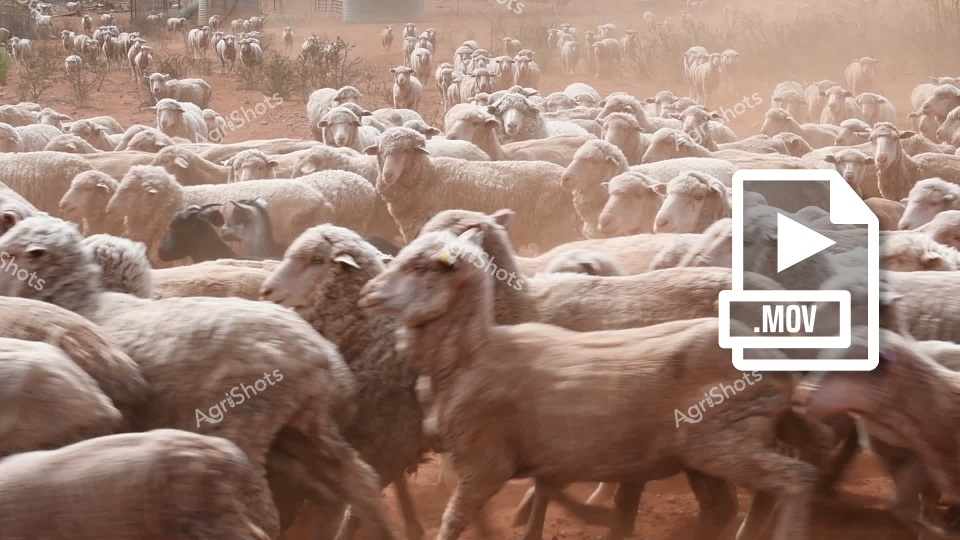
This dynamic video footage captures a massive flock of Merino sheep densely packed across a dusty, arid Australian rural landscape. The clip showcases hundreds of woolly sheep moving together, creating a sea of soft beige and grey bodies that blend seamlessly with the reddish-brown earth beneath them. Fine dust clouds rise around the livestock, highlighting their movement and creating a atmospheric, almost ethereal visual texture that speaks to the challenging conditions of outback sheep farming. The video appears to be shot during the dry season, with a harsh, unforgiving landscape visible in the background. Sparse vegetation and the powdery, cracked ground suggest this is likely a large station in South Australia or another inland region experiencing drought conditions. The sheep move with a collective purpose, their tightly clustered formation indicating expert management and the resilience of both the animals and the farmers who tend them. The muted color palette - ranging from the soft cream and grey of the sheep's wool to the terracotta tones of the soil - creates a powerful visual representation of Australian pastoral life. This footage brilliantly captures the raw, unfiltered essence of large-scale sheep farming, showcasing the scale, endurance, and natural beauty of Australia's agricultural landscape.
 Video
Video
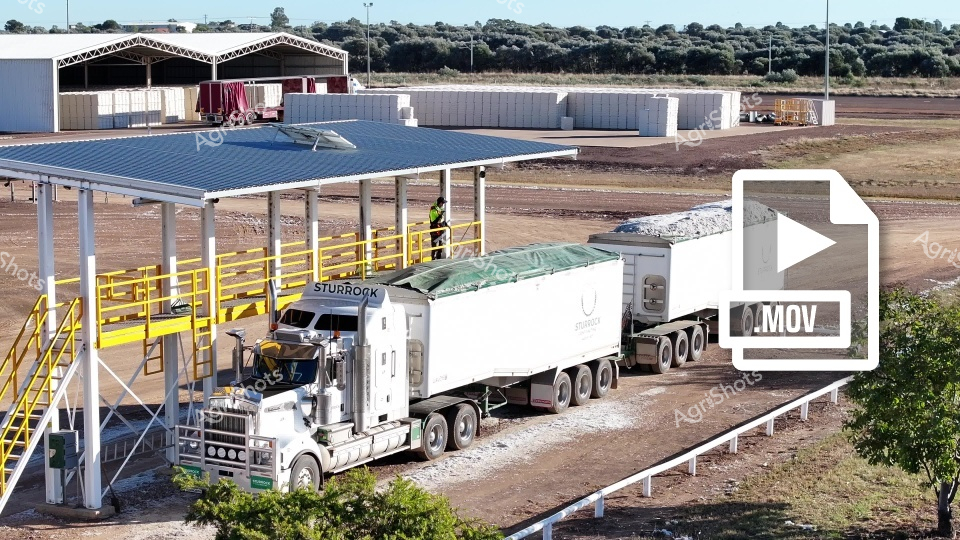
A robust Kenworth truck with a white and chrome finish sits beneath a safety platform at a cotton processing facility in Queensland's Central Highlands. The elevated walkway, lined with vibrant yellow safety railings, allows workers in high-visibility gear to oversee the loading process, highlighting the meticulous safety protocols of modern agricultural logistics. Sturrock branding adorns the trailer, which appears ready to transport a load of freshly processed cotton seed, with a steel-framed processing shed and neatly stacked cotton modules visible in the background. The landscape is characterized by sparse eucalyptus trees and open ground, typical of the region's agricultural terrain, with a cool, clear autumn light casting soft shadows across the industrial site. The scene captures the intersection of agricultural technology, worker safety, and efficient supply chain management - a testament to Australia's sophisticated cotton industry. Metallic blues, whites, and yellows dominate the color palette, creating a crisp, professional atmosphere that speaks to the precision of contemporary farming operations.
 Image
Image
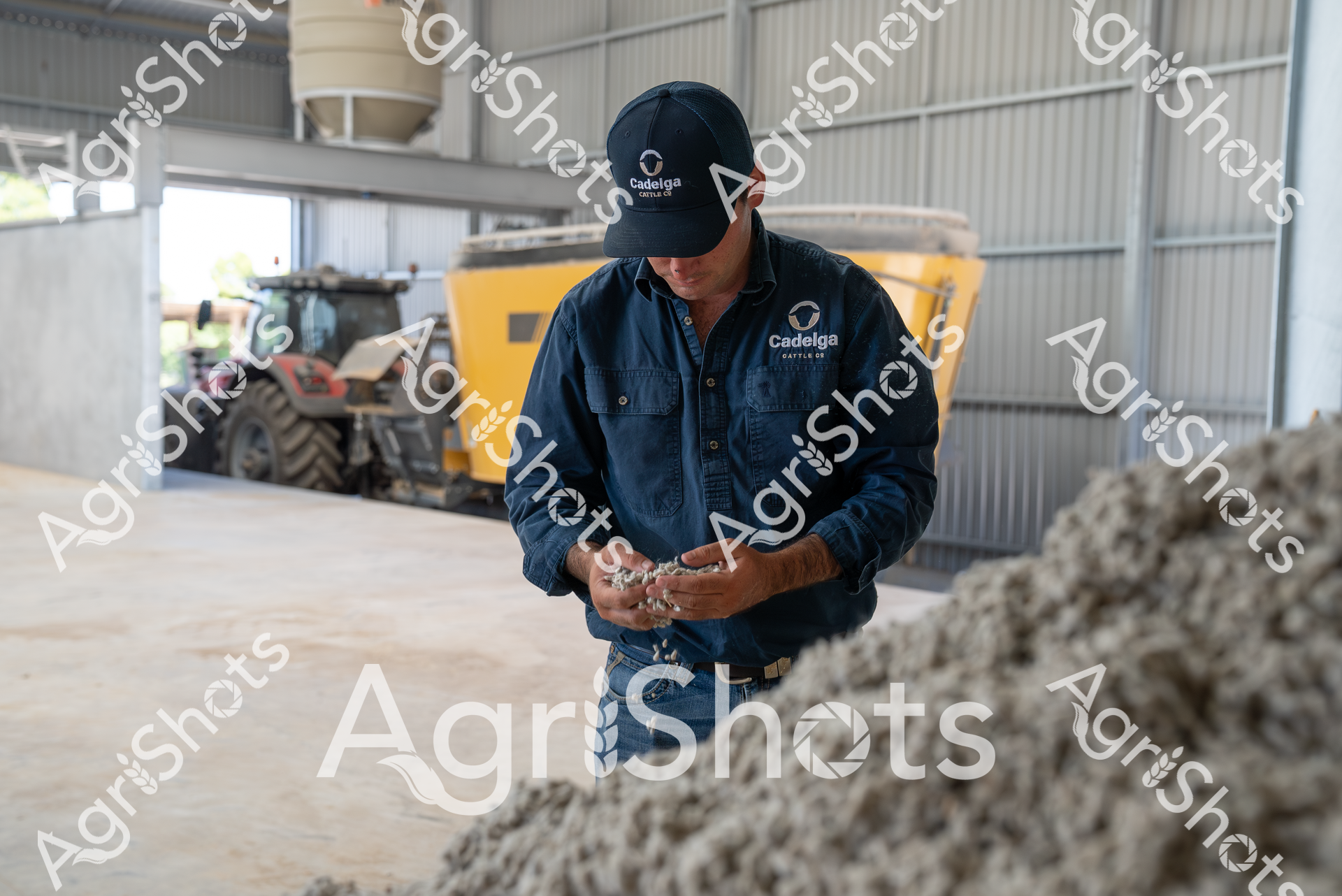
In the heart of Queensland's cotton country, a Cadelga-branded agricultural professional carefully inspects a handful of cotton seeds within a sprawling farm shed. A massive yellow feed mixer dominates the background, alongside a robust tractor, highlighting the scale and mechanization of modern agricultural operations. The worker, dressed in a dark navy Cadelga polo and cap, stands amid piles of raw cotton seeds, meticulously examining their quality and condition. Sunlight filters through the corrugated iron shed, casting soft shadows across the concrete floor and illuminating the texture of the scattered cotton seeds. The scene captures the precision and care inherent in agricultural production, with sophisticated equipment and attentive personnel working in harmony to prepare feed and assess crop quality. This image embodies the technical expertise and dedication of contemporary Australian farmers, showcasing the intersection of agricultural science, technology, and hands-on agricultural craft in the Goondiwindi region during the peak of summer.
 Image
Image
Merino sheep cluster tightly across a parched, dusty paddock near a weathered farm shed, kicking up russet-colored earth beneath their woolly frames. The landscape speaks of persistent drought, with a stark, leafless tree standing sentinel against a mottled blue-grey sky heavy with undelivered promise of rain. Cattle intermingle with the flock, creating a dense mass of livestock survival in the unforgiving Australian rural terrain. The animals appear concentrated and purposeful, likely gathered for supplementary feeding during a critical dry season when pasture is scarce and every precious grain of feed counts. A watermarked "Al Marin" brand suggests this is a professional agricultural documentation capturing the resilience of pastoral farming in challenging environmental conditions. The scene epitomizes the stark beauty and brutal realities of agricultural life in rural New South Wales - a testament to the endurance of both animals and farmers in a landscape defined by extremes.
 Image
Image
A Cadelga Cattle representative meticulously examines cotton seed in a expansive agricultural processing shed, capturing the essence of rural agricultural expertise. Wearing a navy blue branded work shirt and cap, the worker carefully sifts through a pile of raw cotton seeds, demonstrating the critical quality control process in livestock feed preparation. A robust yellow feed mixer stands in the background, alongside a tractor, highlighting the sophisticated machinery integral to modern agricultural operations in the Goondiwindi region of Queensland. The corrugated metal shed provides a stark, industrial backdrop to the nuanced work of seed assessment, with natural light filtering through and illuminating the textural details of the cotton seeds cascading between weathered, experienced hands. Summer heat seems to permeate the scene, suggested by the worker's focused stance and the crisp, dry environment typical of Australian agricultural landscapes. This image encapsulates the precision, dedication, and technical expertise required in contemporary cattle feed production, where every handful of seed represents a crucial link in sustainable farming practice.
 Video
Video
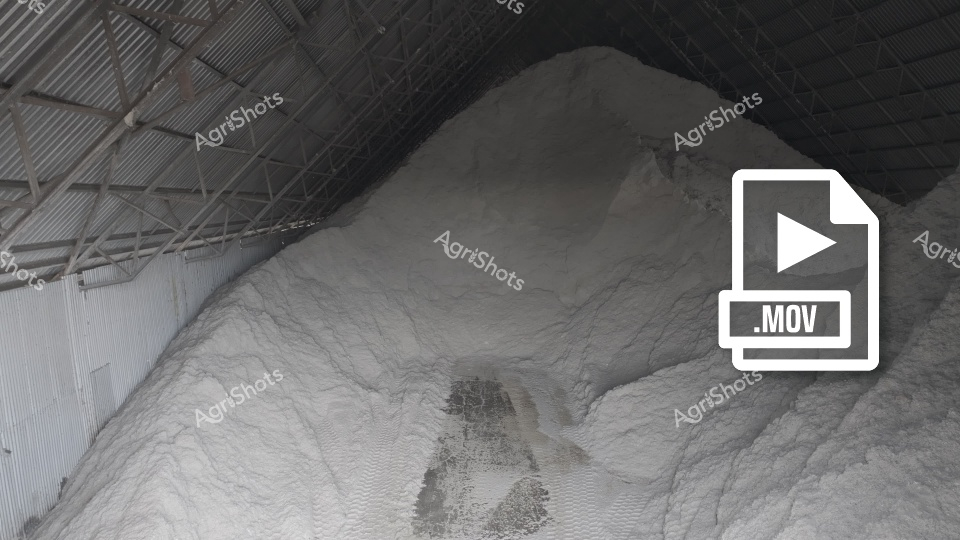
Massive mounds of pristine white cotton seed billow within the steel-framed interior of a Northern New South Wales cotton gin facility. The stark monochromatic landscape reveals mountainous piles of compressed cotton seeds, their soft, granular texture creating undulating terrain beneath the corrugated metal roof. Dark streaks mark pathways where mechanical loaders have carved routes through the seed stockpile, suggesting recent agricultural processing activity. Industrial infrastructure frames the scene - steel trusses and corrugated walls creating a geometric backdrop to the organic cotton seed formations. The raw, unprocessed seeds represent a critical stage in the cotton production cycle, capturing the moment between harvest and further manufacturing. This image embodies the scale and precision of modern Australian agricultural operations, where massive quantities of agricultural produce are systematically collected, processed, and prepared for distribution.
 Image
Image
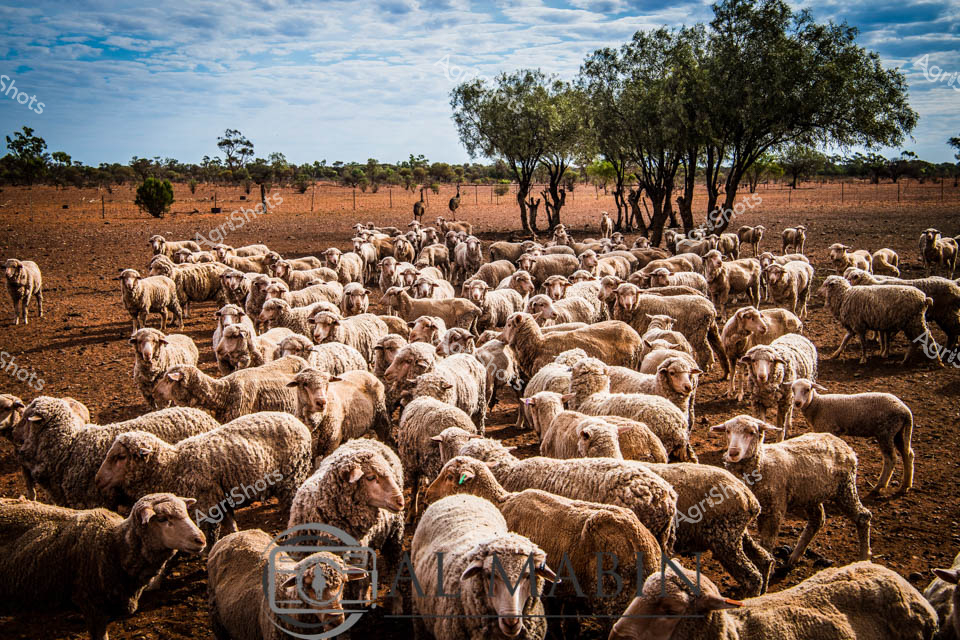
Merino sheep cluster densely across a parched, russet-colored paddock in western New South Wales, their woolly bodies creating a living carpet against the stark drought-affected landscape. Gnarled eucalyptus trees stand sentinel in the background, casting minimal shade across the arid terrain, with a soft blue cloudscape stretching overhead. The flock appears resilient, huddled together in a survival formation typical of sheep during harsh environmental conditions, their thick fleeces a testament to generations of breeding for Australian pastoral environments. Dusty earth and sparse vegetation highlight the challenging agricultural conditions, with the sheep demonstrating remarkable adaptability to this unforgiving ecosystem. Each animal's fleece carries subtle variations of tan, brown, and cream, their muscular forms suggesting robust genetic lines developed for survival in marginal grazing lands. This powerful image captures the essence of Australian agricultural persistence - livestock and landscape locked in an enduring, often brutal partnership of survival and sustenance.
 Video
Video
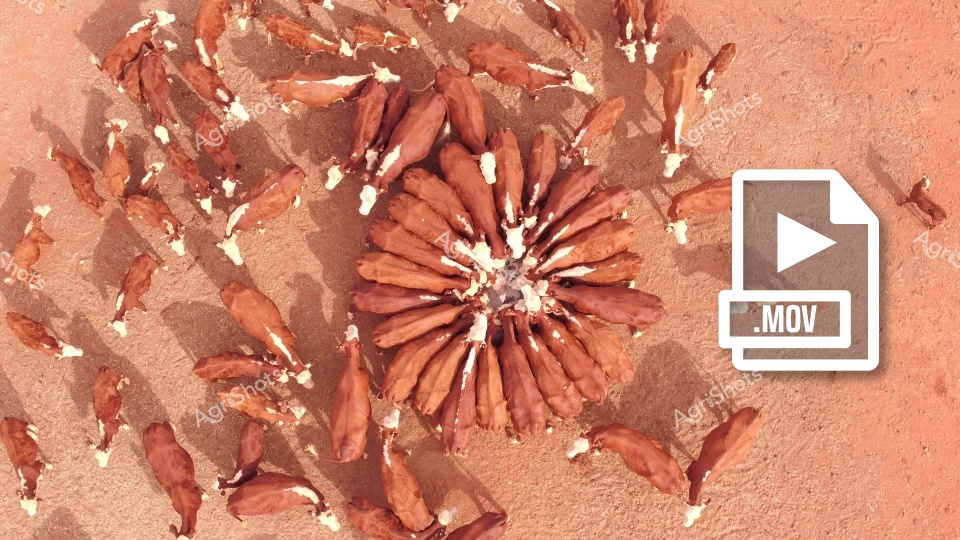
This fascinating footage captures a remarkable agricultural scene that appears to be a stunning overhead view of seed or grain distribution, likely showcasing a precise agricultural planting or research process. The video clip reveals a striking radial pattern of reddish-brown seeds or grains arranged in a perfect circular formation, reminiscent of a natural flower-like design. Each seed is carefully positioned, radiating outwards from a central point, creating an intricate geometric arrangement against a terracotta-colored background. The methodical placement suggests this is a scientific or agricultural demonstration, potentially exploring seed distribution, crop research, or precision farming techniques. The rich reddish-brown tones of the seeds contrast beautifully with their white tips, creating a visually compelling pattern that highlights the meticulous nature of modern agricultural practices. The overhead perspective provides a unique view that transforms a seemingly mundane agricultural process into an almost artistic composition. The footage captures the precision and innovation inherent in contemporary agricultural research and farming methods, demonstrating how scientific approach can reveal unexpected beauty in the most practical of processes. The circular arrangement suggests controlled experimentation, potentially related to seed germination, crop density studies, or advanced agricultural methodology.
 Video
Video
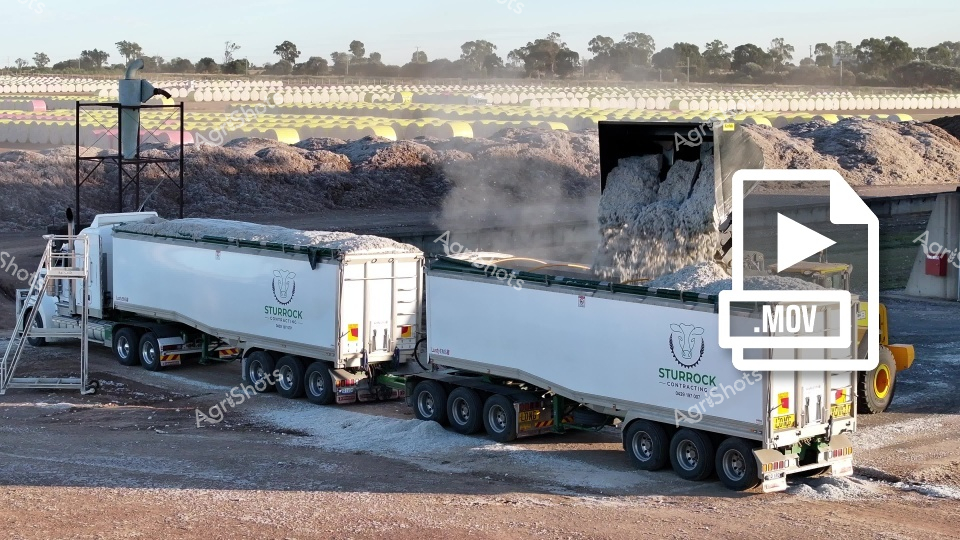
Sturrock Transport semi-trailers stand poised at the cotton processing facility, capturing the intense industrial rhythm of agricultural logistics. Massive white trailers with triple axles frame a dusty unloading scene, where cotton modules cascade into receiving areas beneath soft morning light. Steam and particulate matter rise from the transfer process, highlighting the mechanical precision of modern cotton harvesting infrastructure. The sprawling facility stretches across the background, with neat rows of stored cotton modules creating a geometric landscape of creamy white and soft earth tones. High-visibility safety structures frame the work platform, underscoring the rigorous safety protocols of agricultural processing environments. The Sturrock branding on the trailers signals a professional operation deeply embedded in Queensland's cotton production ecosystem, representing the critical link between field and market in Australia's agricultural supply chain.
 Image
Image
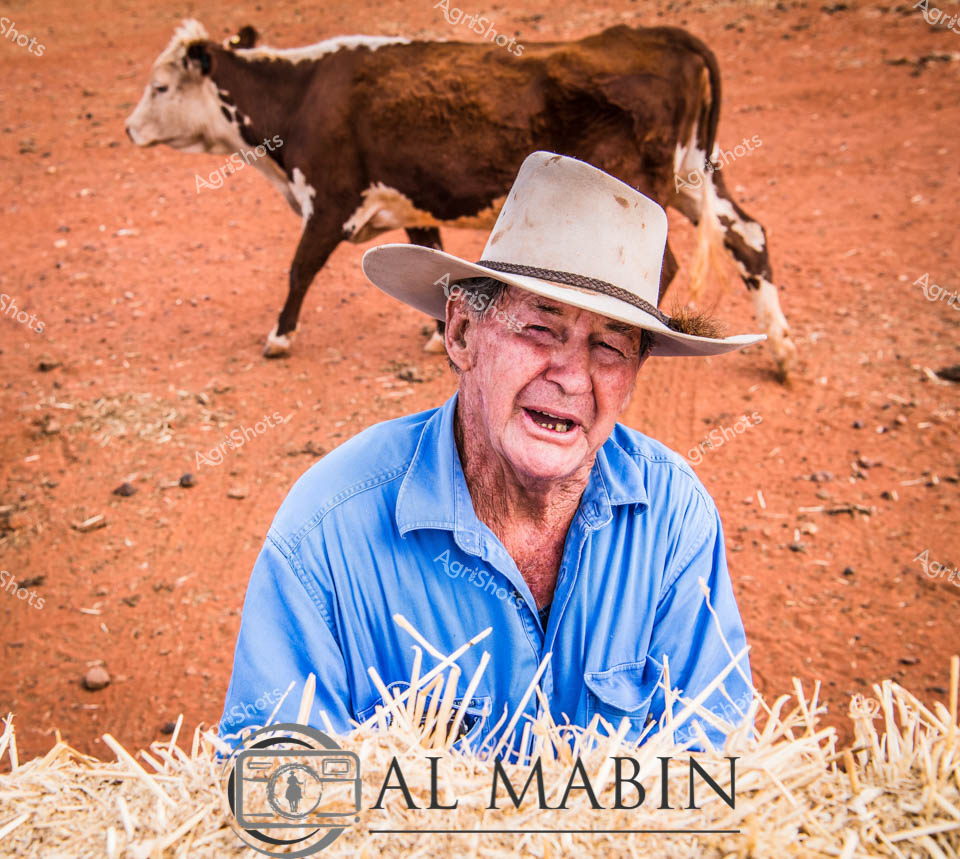
Weathered and wise, an experienced grazier sits amid golden straw with a stoic resilience that defines Australian agricultural spirit. Wearing a classic wide-brimmed akubra and faded blue work shirt, he surveys his modest paddock under the unforgiving red earth of inland New South Wales. Behind him, a sturdy beef cow - likely a Hereford or Angus cross - grazes sparsely on drought-stressed ground, symbolizing the challenging conditions facing rural producers. The aged farmer's lined face tells a story of generations of agricultural persistence, his expression a mixture of determination and quiet endurance. Scattered hay and sparse vegetation underscore the harsh realities of managing livestock during prolonged dry seasons, where careful feeding and strategic stock management become critical to survival. This intimate portrait captures the essence of Australian agricultural resilience: a human and animal partnership shaped by an uncompromising landscape, where survival depends on adaptability, hard work, and an unbreakable connection to the land.
 Image
Image
Raw cotton seeds cascade in soft, dense mounds within a bright industrial processing facility, highlighting the critical post-harvest agricultural processing stage. A worker wearing a dark blue uniform and cap carefully handles the fluffy, textured cotton seeds, standing near a yellow feed mixer in the background. The industrial space features clean white walls and provides ample natural light, suggesting a modern agricultural processing facility in the Goondiwindi region of Queensland. The seeds appear freshly harvested - clustered in irregular, chunky formations with a distinctive grayish-white coloration that speaks to their quality and recent separation from cotton bolls. The scene captures the meticulous care and technical precision required in agricultural seed management, with the worker's focused posture demonstrating the hands-on expertise needed in cotton seed processing. Summer sunlight filtering through the facility hints at the peak harvest season, when these seeds will be prepared for further agricultural uses such as cotton oil production or replanting.
 Image
Image
A Cadelga-branded agricultural worker inspects raw cotton seed within a spacious farm machinery shed, surrounded by industrial agricultural equipment. The worker, dressed in a dark blue work shirt and cap, carefully handles a cluster of raw cotton seed, with subtle seed fragments falling to the concrete floor. In the background, a substantial yellow feed mixer truck sits adjacent to a large tractor, while an overhead white storage tank completes the industrial agricultural setting. Sunlight filters through the open shed doorway, casting soft shadows across the concrete floor and highlighting the textural details of the cotton seed. The scene captures a moment of quality control and agricultural expertise, with the Cadelga branding suggesting a professional approach to cotton production and processing. The color palette of navy blue, yellow, and neutral concrete tones creates a robust, functional atmosphere typical of modern Australian agricultural operations in the Goondiwindi region of Queensland.
 Image
Image
In the heart of a Queensland agricultural shed, a worker in Cadelga branded workwear carefully examines a handful of cotton seed, surrounded by towering piles of the silvery-white agricultural product. A massive yellow feed mixer dominates the background, alongside a modern tractor, signaling the sophisticated agricultural operations of the Goondiwindi region. The worker, dressed in dark denim and a matching company cap, stands with focused concentration, letting the cotton seed flow through his fingers - a tactile assessment of quality that speaks to the precision of modern farming. Sunlight filters through the corrugated iron shed, casting soft shadows across the concrete floor and highlighting the textural contrast between the rough industrial setting and the delicate, fluffy cotton seed. The scene captures a moment of quiet expertise, where agricultural science and hands-on experience converge in the careful evaluation of a crucial crop input. Every element - from the branded workwear to the high-tech equipment - tells a story of contemporary Australian agricultural innovation and meticulous crop management.
 Image
Image
Merino ewes and beef cattle huddle together on the sun-baked earth of a drought-stricken New South Wales pastoral landscape. The rich red soil contrasts sharply with the tawny wool of the densely packed sheep and the chestnut-brown coats of the cattle, creating a powerful tableau of agricultural resilience. Sparse eucalyptus and scrub trees dot the background, their muted green foliage highlighting the parched conditions of the landscape. The livestock cluster tightly, likely gathered for supplementary feeding - a critical survival strategy during periods of extreme dry weather. Cotton seed and grain feed supplements are likely scattered among the animals, providing essential nutrition in this challenging environment. The Al Mabin watermark suggests this is a professional agricultural documentation, capturing the harsh realities and remarkable adaptability of Australian livestock farming during drought conditions.
 Image
Image
Raw cotton harvest reaches its peak in the Goondiwindi region, with a skilled agricultural worker carefully examining a large mound of freshly harvested cotton seeds. Dressed in navy workwear and a dark cap, the worker stands beside a yellow feed mixer in a well-lit agricultural processing facility, highlighting the meticulous quality control integral to cotton production. The cotton seeds form a dense, textured pile with a soft grey-beige coloration, representing the valuable agricultural commodity grown in this renowned Queensland farming district. Sunlight filters through the industrial space, casting a bright, clean atmosphere that emphasizes the precision of modern agricultural practices. The worker's focused stance and handful of cotton seeds demonstrate the hands-on expertise required in assessing crop quality, bridging traditional farming knowledge with contemporary agricultural technology. This image captures the essence of Australian cotton production - a sophisticated, technical process that begins with careful, expert evaluation of each harvest.
 Image
Image
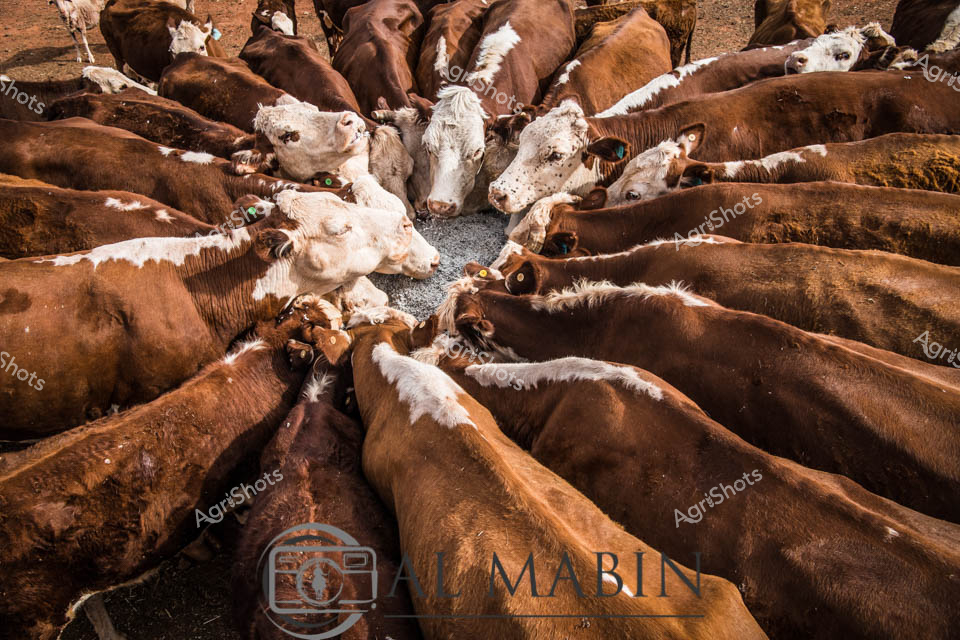
Hereford and Angus cattle cluster tightly around a central feeding area, their rich mahogany and white coats pressed intimately together in a vivid demonstration of survival during harsh drought conditions. The overhead perspective reveals a circular feeding pattern, with each animal carefully positioned to access the sparse nutritional resources - likely cotton seed or grain supplementation critical for livestock survival in arid Australian agricultural landscapes. Yellow ear tags punctuate the scene, marking each animal's identity and tracking, while the dusty terracotta-colored ground speaks eloquently of water scarcity and environmental challenge. These robust beef cattle, muscular and resilient, represent the backbone of NSW pastoral farming - their clustered formation both a practical feeding strategy and a poignant metaphor for agricultural endurance. The tightly packed bodies create a mesmerizing geometric pattern, their varied brown and white markings blending into a living tapestry of rural agricultural resilience. This image captures the intense, unflinching reality of livestock management during Australia's unforgiving drought seasons, where strategic feeding and animal husbandry become acts of profound economic and ecological significance.
 Video
Video
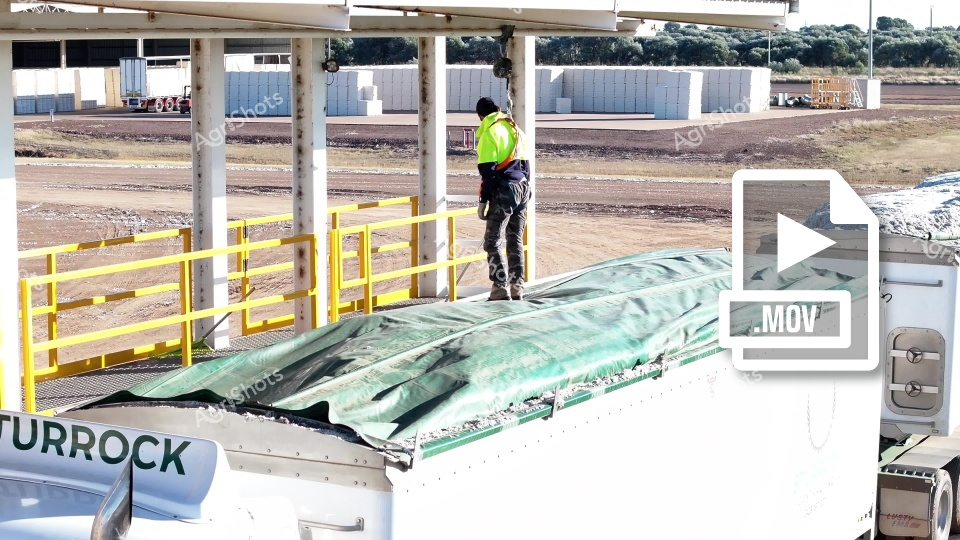
A worker in a high-visibility yellow safety vest stands on a raised platform at a cotton processing facility, carefully managing a green-tinted tarp covering a transport container. The industrial landscape stretches out behind him, revealing a stark agricultural setting with concrete structures and open ground, typical of the Central Highlands region in Queensland. Sturdy yellow safety railings define the working platform, while a "TURROCK" branded container hints at the specific agricultural logistics taking place. The scene captures the meticulous safety protocols of modern cotton industry operations, with the worker positioned carefully to secure or inspect the covered load. Autumn light casts a muted tone across the expansive site, highlighting the intersection of agricultural infrastructure, worker safety, and mechanical precision. The image speaks to the methodical, structured approach of contemporary Australian agricultural processing, where every movement is calculated and every piece of equipment serves a critical purpose in the cotton supply chain.
 Image
Image
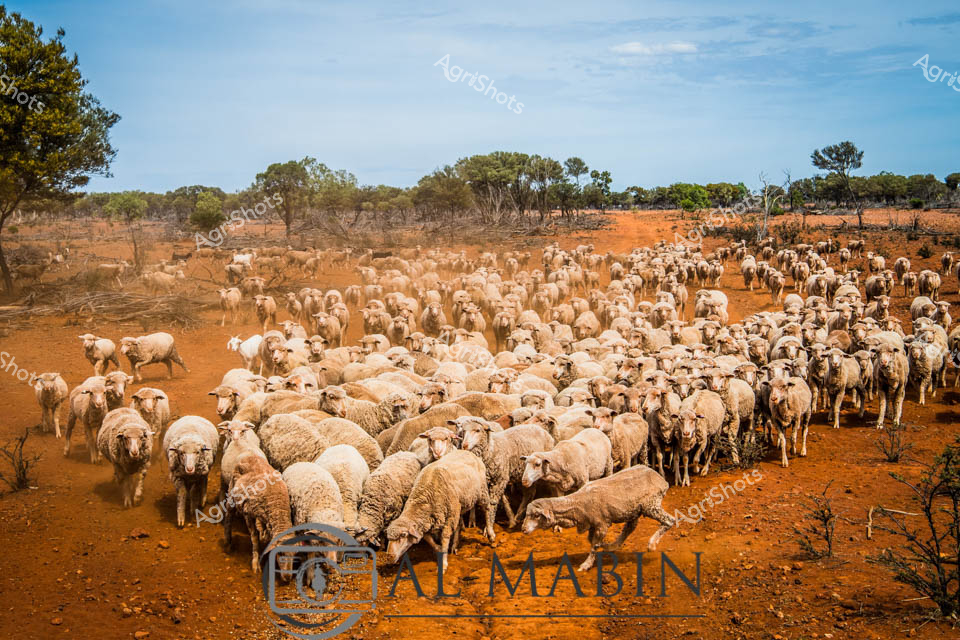
Merino sheep crowd the rusty-red earth of an arid New South Wales pastoral landscape, their woolly bodies packed tightly together against the sparse, drought-stricken terrain. Scattered eucalyptus trees punctuate the horizon, casting minimal shade across the bleached and cracked ground, while a pale blue sky suggests the unrelenting heat of an Australian summer. This powerful image captures the resilience of livestock and farmers battling extreme environmental conditions, with the flock's dense clustering revealing their instinctive response to survival. The sheep's thick, creamy-white fleeces contrast dramatically with the ochre soil, creating a textural landscape that speaks to the challenging agricultural conditions of inland Australia. Dusty and compact, the mob demonstrates the hardiness of Merino breeding, their muscular frames and dense wool suggesting generations of adaptation to harsh pastoral environments. Sparse vegetation and dried brush surrounding the flock underscore the critical nature of supplementary feeding during prolonged drought periods. The watermark of "AL-MABIN" suggests this is a professional agricultural documentation, likely capturing the daily realities of sheep management during climate extremes that test the limits of Australian farming communities.
 Image
Image
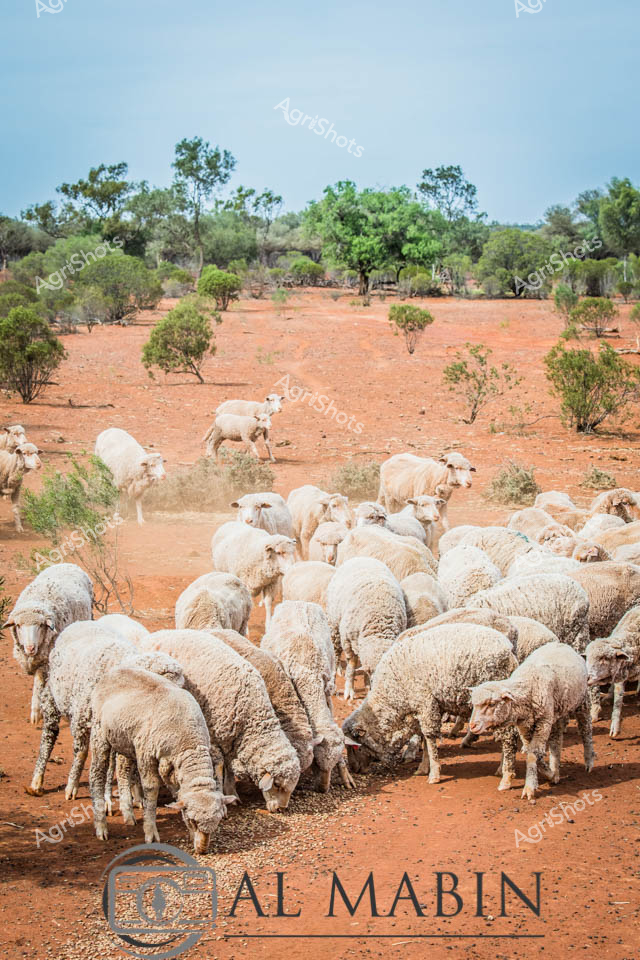
Merino sheep cluster tightly on a rust-red earth paddock, their dense woolly fleeces a stark contrast against the arid Central West landscape of New South Wales. A scattered grove of resilient eucalyptus and native scrub trees punctuates the parched background, revealing the harsh conditions of a prolonged drought. The flock grazes intently on what appears to be supplementary feed - likely cotton seed or grain - carefully distributed along a narrow line to ensure each animal receives nutrition during these challenging agricultural times. The earthy ochre tones of the landscape blend seamlessly with the soft cream and white of the sheep, creating a quintessential Australian pastoral scene that speaks to the resilience of both livestock and farmers. Dust rises subtly around the animals' hooves, indicating the dry ground and challenging environmental conditions. This image, watermarked with the Al Mabin brand, captures the critical moments of livestock management during drought - where strategic feeding and careful husbandry can mean survival for an entire flock. The scene embodies the spirit of Australian agricultural persistence: adaptation, resourcefulness, and unwavering commitment to sustaining livestock in one of the world's most unpredictable farming environments.
 Image
Image
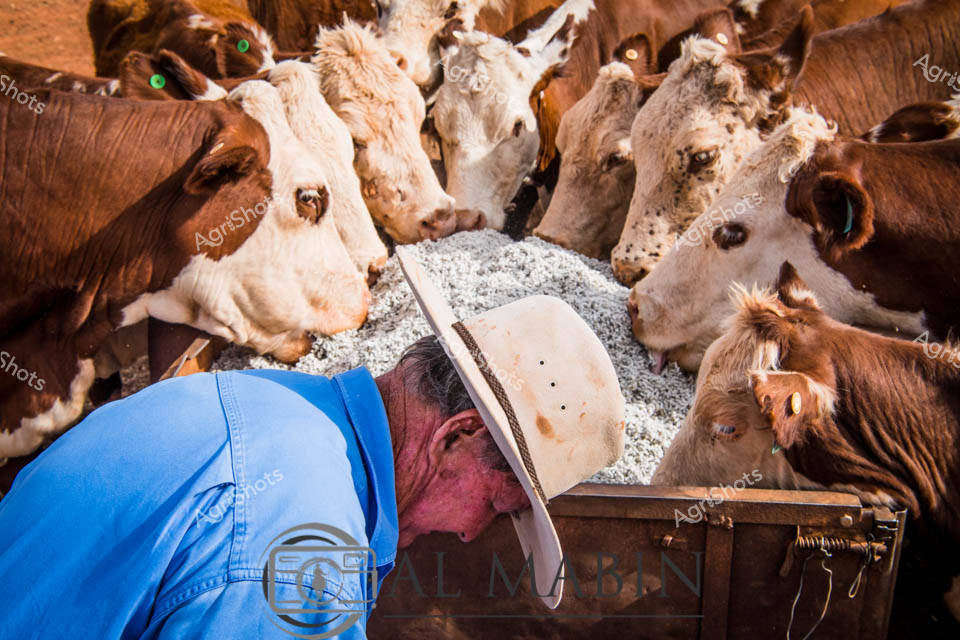
Crushing drought grips this New South Wales cattle yard as a dedicated farmer bends close to a feed trough, surrounded by watchful Hereford and mixed-breed beef cattle. Mottled brown and white cows press together, their lean bodies testament to the harsh seasonal conditions, while granite-coloured grain and cotton seed provide critical nutrition. The worker, wearing a crisp blue shirt and wide-brimmed white hat, leans intently into the feeding process, his weathered neck exposed to the unrelenting sun. Green ear tags glint on the cattle, marking each animal with a hint of agricultural precision amid the dusty, textured landscape. The tight clustering of the herd around the feed trough speaks to their hunger and the scarcity of resources, while the farmer's dedicated posture reveals the daily resilience required to maintain livestock through challenging environmental conditions. This intimate scene captures the raw essence of Australian agricultural survival - a moment of connection between human and animal in the unforgiving rural ecosystem.
 Image
Image
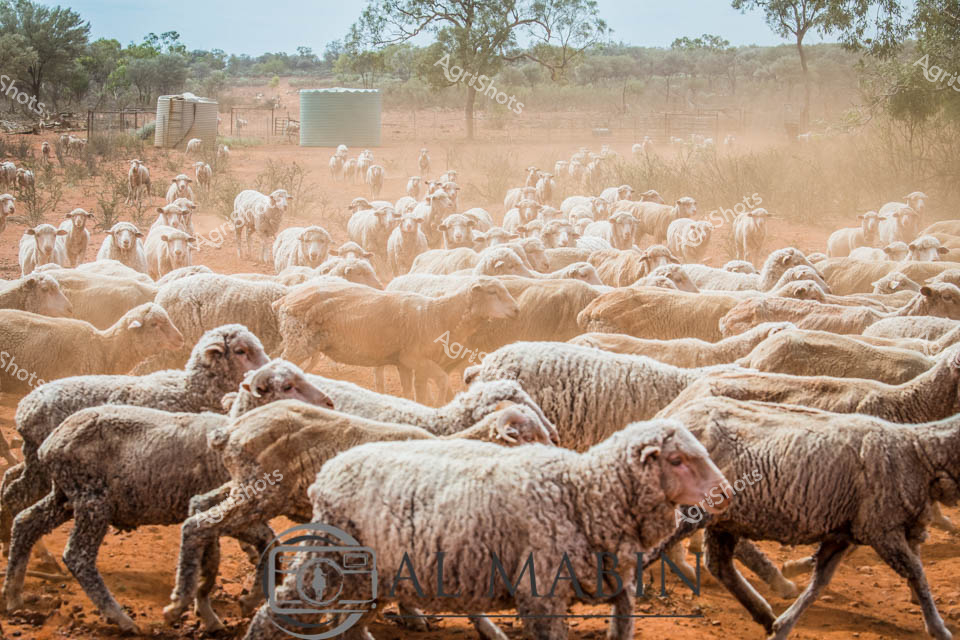
Merino sheep crowd a dusty paddock under the unforgiving Australian sun, their dense woolly coats a testament to resilience in harsh rural conditions. The burnt-orange earth kicks up a fine haze around their hooves, highlighting the challenging drought-stricken landscape of inland New South Wales. Water tanks and sparse eucalyptus trees punctuate the background, stark reminders of the arid environment these robust livestock navigate daily. Each sheep displays a thick, creamy fleece - characteristic of the prized Merino breed renowned for producing some of the world's finest wool. The flock moves with a collective purpose, clustered tightly together in a survival mechanism against the oppressive heat and sparse vegetation. This scene captures the raw essence of Australian agricultural endurance: livestock and landscape locked in a delicate dance of survival, where each season's challenge demands unwavering adaptation and strength.
Well, you've ploughed through the whole field!
No more crops to harvest here, mate.
Try searching for something else in our library of 50,000+ royalty-free media: