 Image
Image
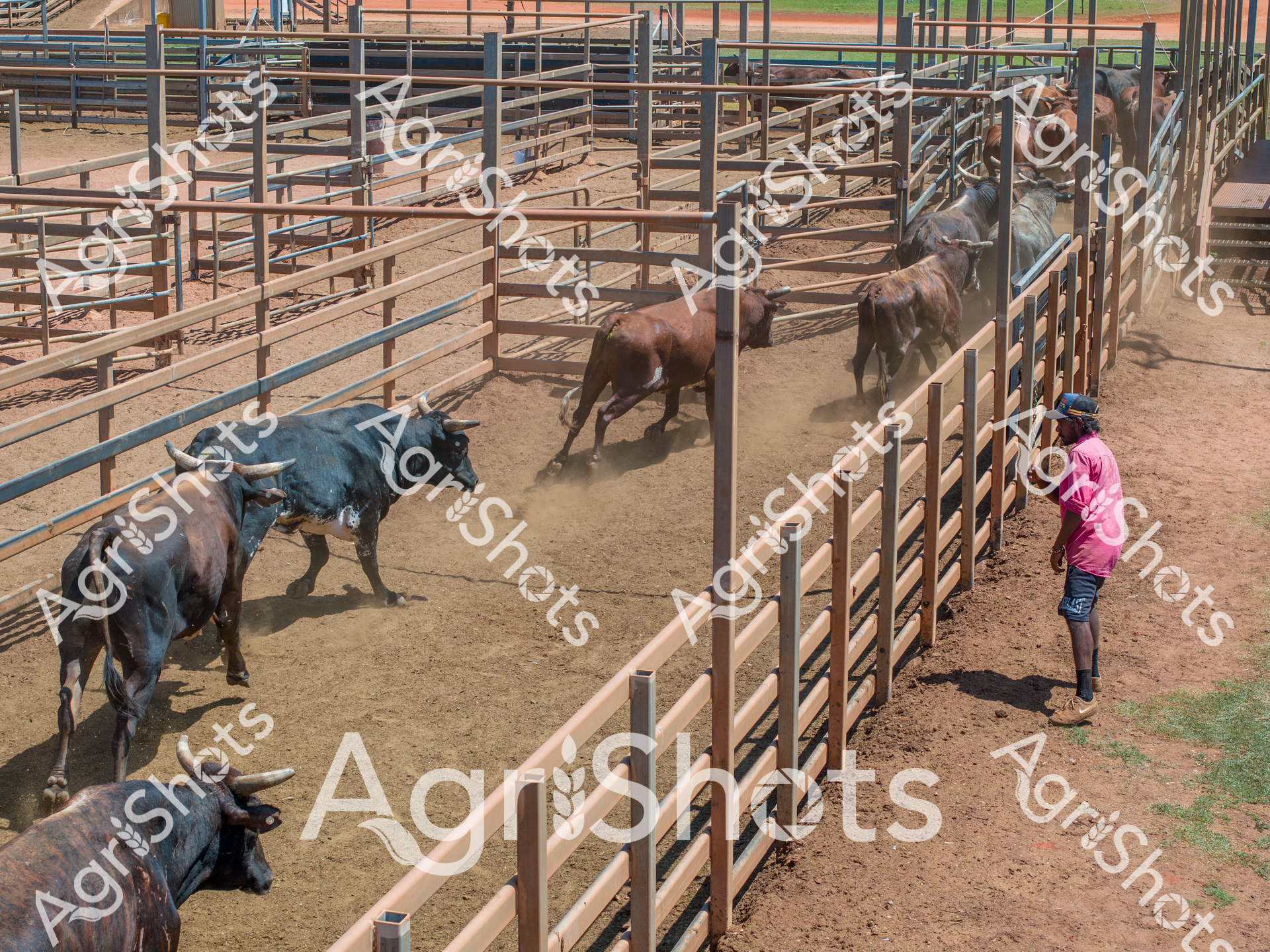
A powerful rodeo scene unfolds in a dusty cattle yard, capturing the raw energy of stock handling. Several muscular bulls of varying dark and brown coat colors move through wooden livestock pens, their powerful bodies creating swirls of ochre-colored dust. A worker in a bright pink long-sleeved shirt stands alongside the pens, carefully monitoring the cattle's movement with professional concentration. The intricate wooden fencing creates a complex geometric pattern, guiding the bulls through the yard with precision. Harsh sunlight casts sharp shadows across the dry ground, highlighting the rugged textures of the cattle yard and emphasizing the intensity of cattle management. The scene powerfully illustrates the skill and discipline required in professional livestock handling, showcasing the physical and strategic elements of working with large, unpredictable animals in an arid agricultural environment.
 Image
Image
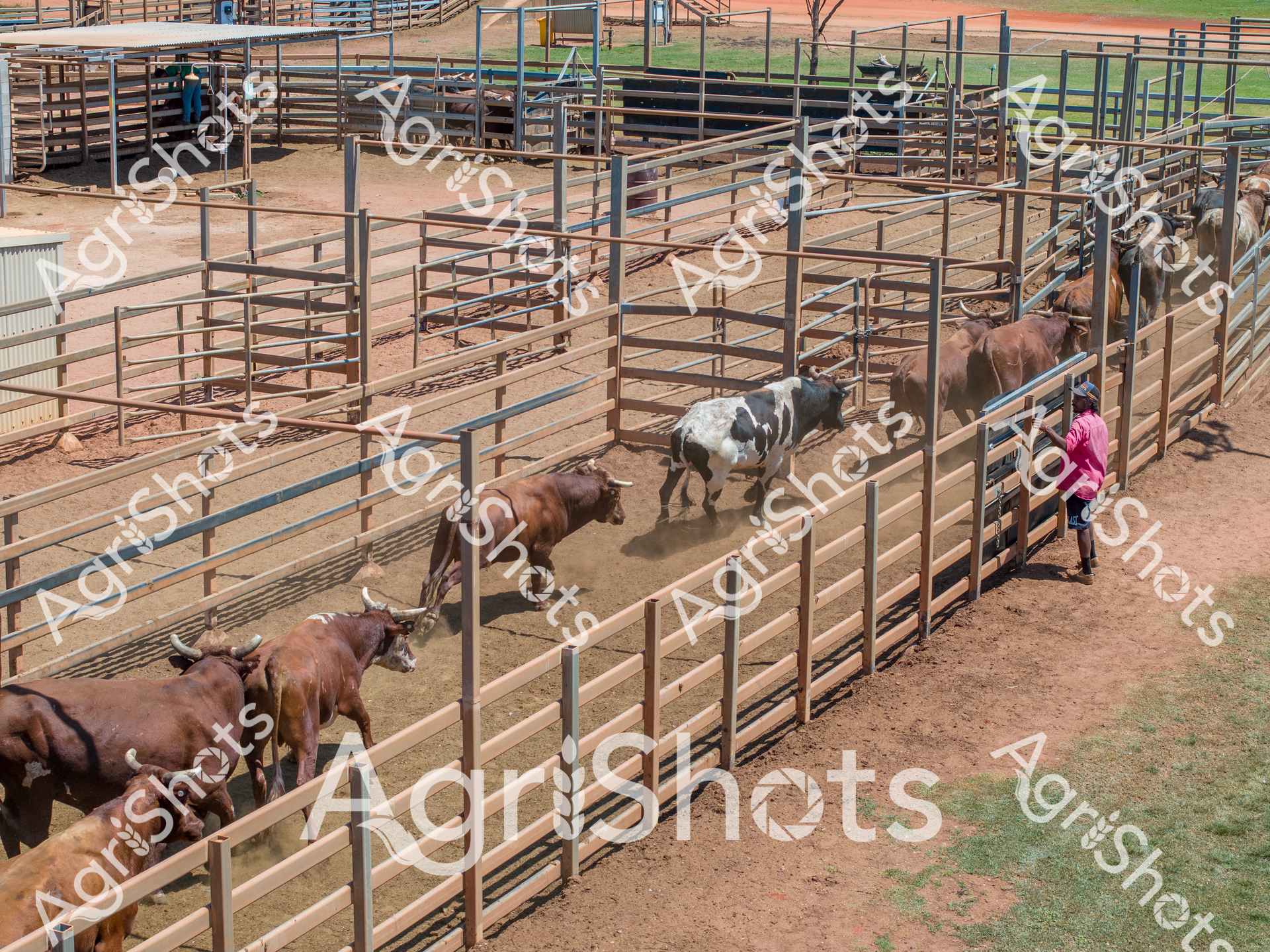
In the rugged Kimberley region of Western Australia, a bustling cattle export yard comes to life during the vibrant spring season. Sturdy steel yards create a complex maze of pens where robust beef cattle - a mix of rich brown and spotted breeds - move with deliberate purpose. A worker in a bright pink top stands attentively near the fence, carefully monitoring the livestock's movement through the sorting system. The rich ochre-colored earth of the paddock contrasts sharply with patches of green grass, capturing the distinctive landscape of a working cattle station. Overhead light casts sharp shadows across the metal fencing, highlighting the intricate infrastructure designed for efficient cattle management and preparation for export. This scene epitomizes the precision and scale of Western Australia's vital cattle industry, where generations of agricultural expertise converge in the methodical process of preparing livestock for market.
 Image
Image
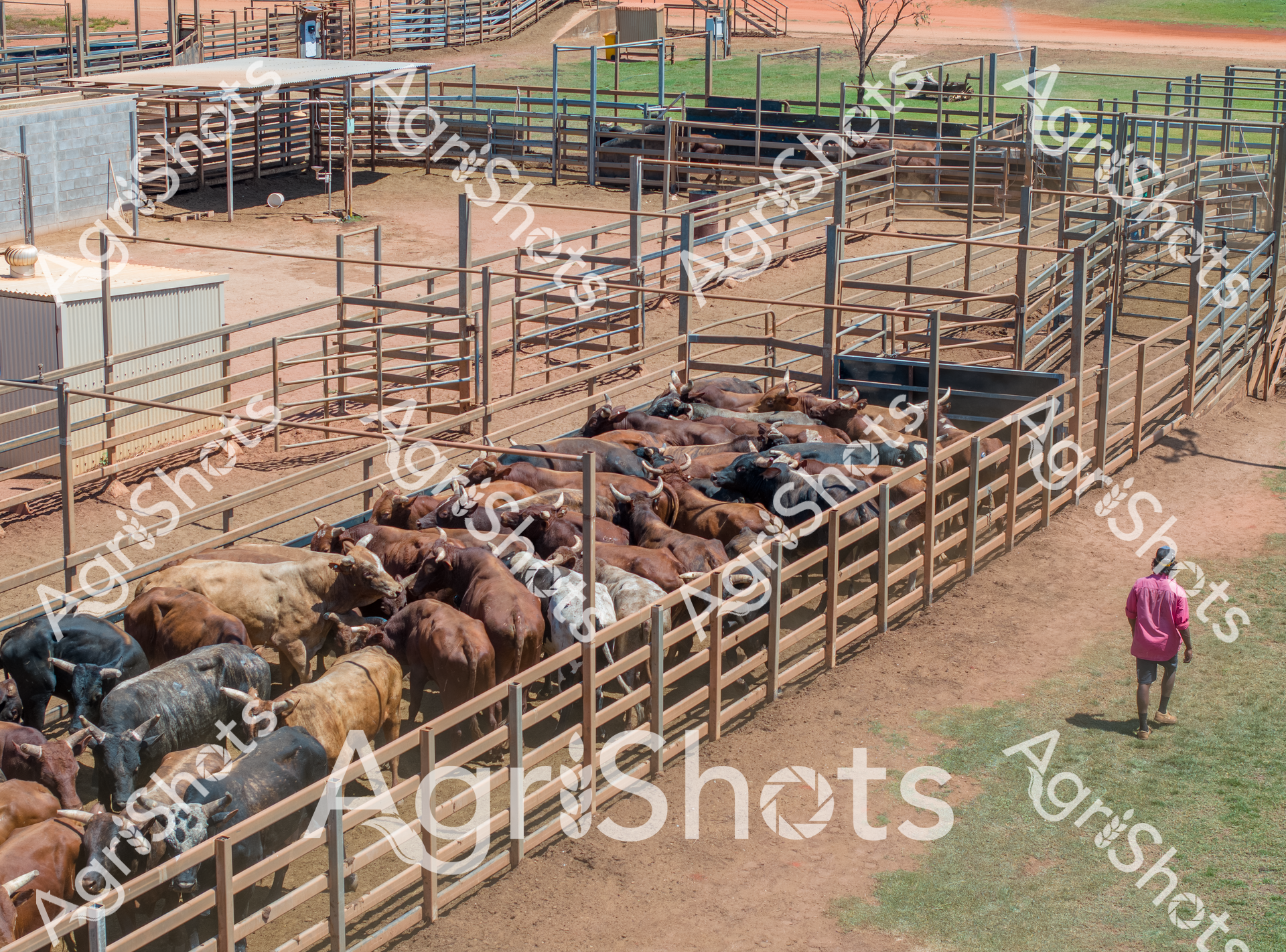
Muscular Brahman and crossbred cattle crowd a meticulously organized export yard in the rugged Kimberley region of Western Australia. Neat metal panel fences create long, serpentine holding pens on rust-colored earth, with a verdant grass verge visible in the background. A solitary worker in a vibrant pink top walks alongside the dense herd, likely conducting a livestock count or assessment prior to potential export processing. The cattle display a rich palette of colors - deep chocolates, slate greys, warm chestnuts, and black - their robust bodies pressed closely together, reflecting the resilient genetics developed for harsh northern Australian pastoral conditions. Corrugated iron sheds and an extensive infrastructure of stock handling facilities frame the scene, highlighting the sophisticated agricultural systems of this remote landscape. The soft, warm light suggests early morning, with the symmetrical yards and tightly packed livestock embodying the precision and scale of contemporary cattle production in Western Australia's northern frontier.
 Image
Image
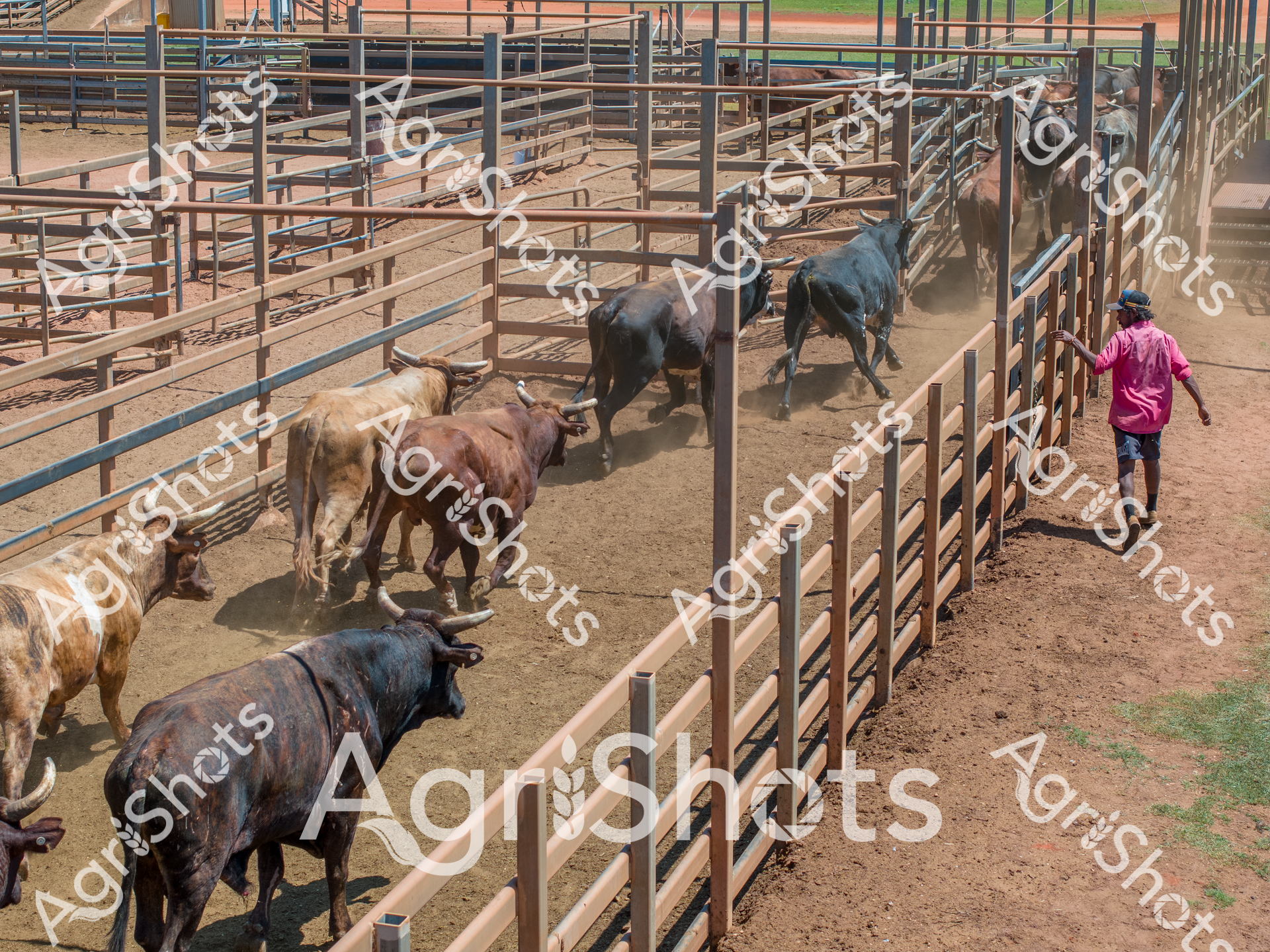
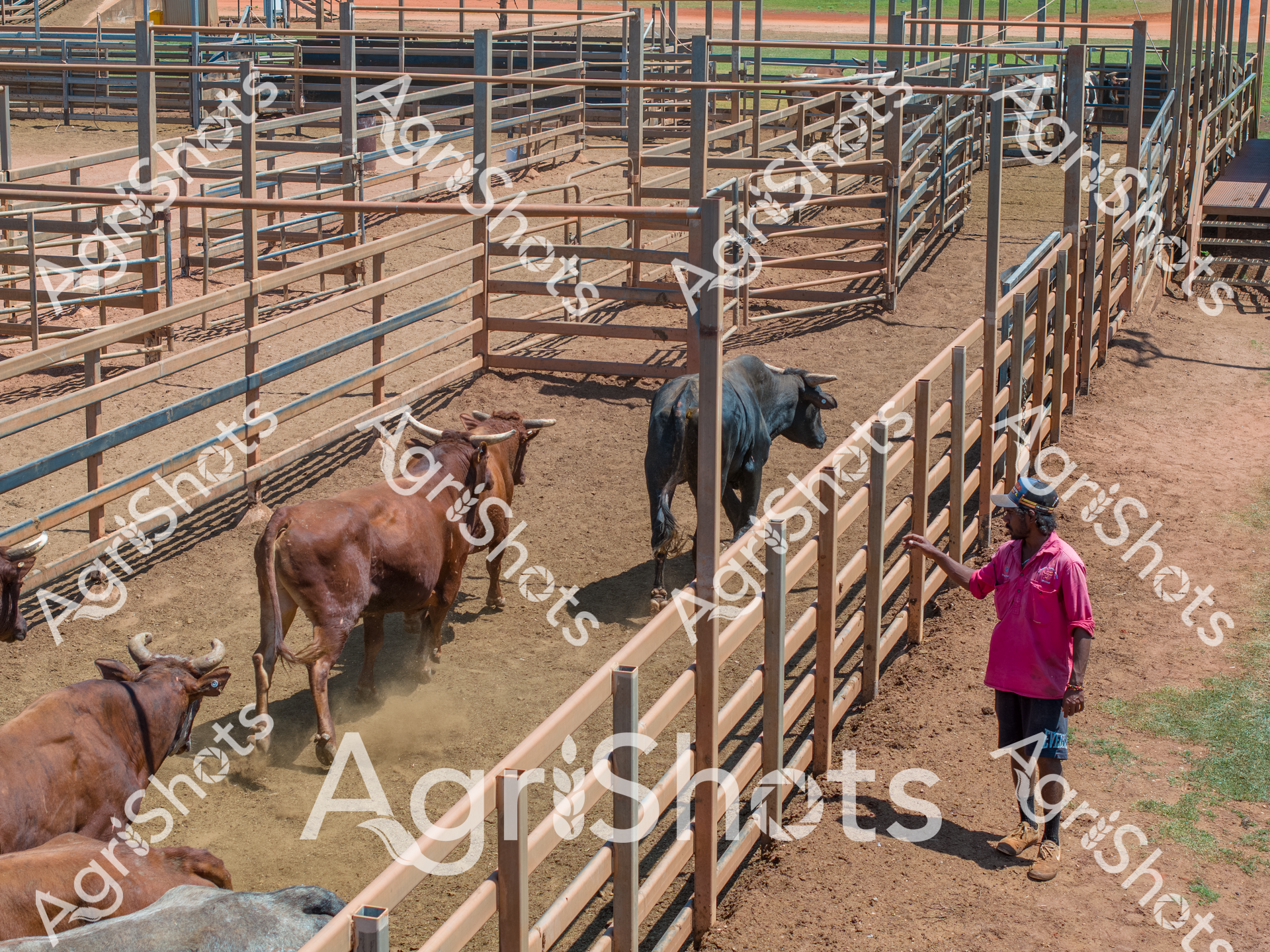
Muscular beef cattle surge through a tight network of wooden stock yard pens in Western Australia's rugged Kimberley region. Dark and light-colored bulls move purposefully, their powerful bodies creating dust clouds in the dry, sandy enclosure. A worker in a bright pink shirt moves strategically along the fence line, managing the cattle's movement with practiced skill. The harsh sunlight and metallic fence infrastructure suggest a busy spring day at a remote cattle station, capturing the intense energy of livestock management in Australia's northern agricultural landscape. The rigid geometric lines of the stock yards contrast with the organic movement of the cattle, highlighting the structured approach to rural livestock handling.
 Image
Image
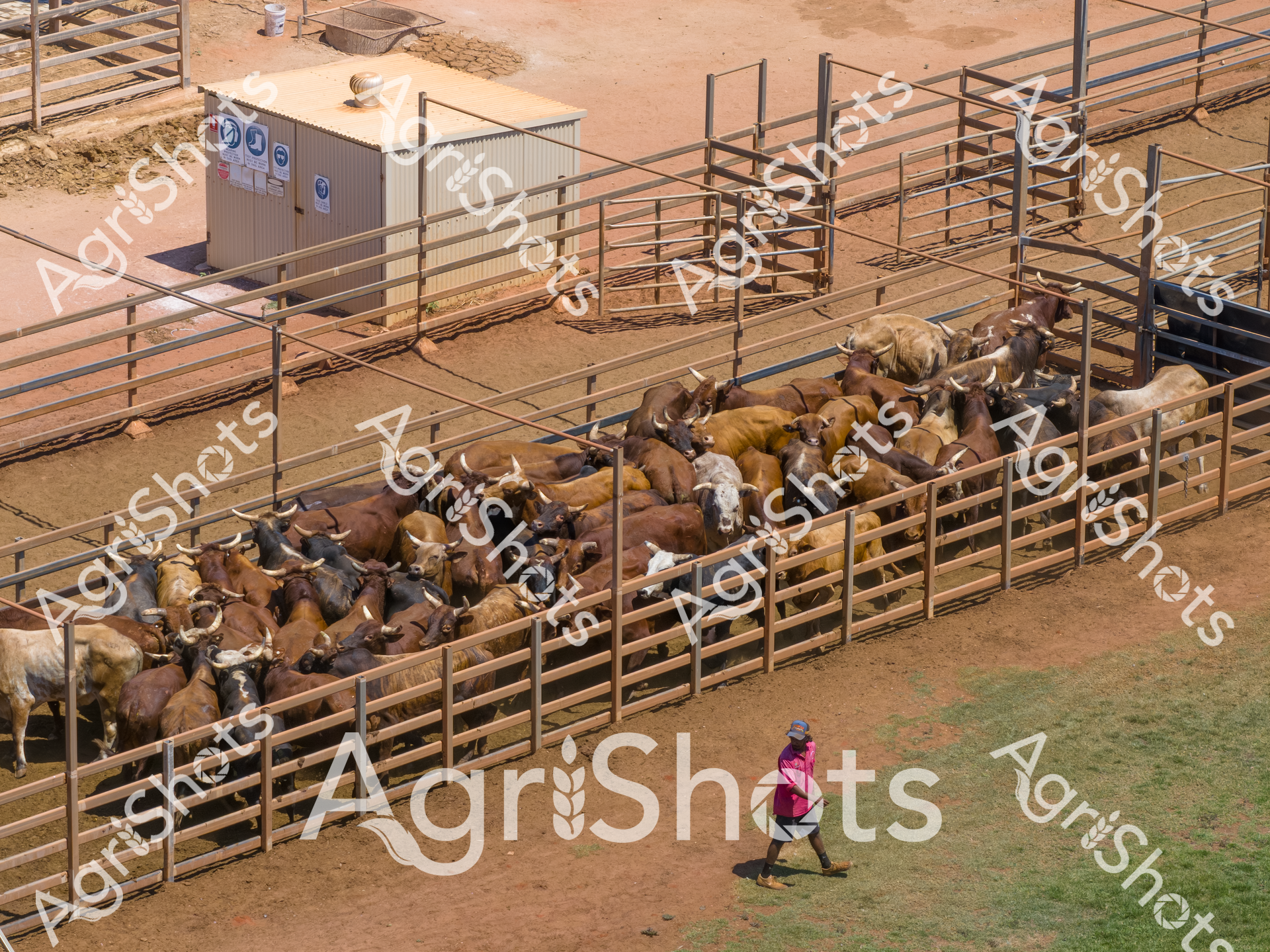
A bustling export cattle yard in the rugged Kimberley region of Western Australia pulses with agricultural energy during the vibrant spring season. Dozens of mixed-breed cattle - ranging from rich chocolate browns to spotted and dappled coats - are tightly packed within sturdy metal livestock fencing, awaiting processing and potential export. A worker in a bright pink top and hat moves purposefully across the dusty yard, suggesting meticulous preparation for cattle counting or quarantine procedures. The scene is anchored by a utilitarian metal shed with safety signage, typical of remote agricultural infrastructure that supports Australia's critical livestock export industry. The arid landscape surrounding the yards - with its ochre earth and sparse vegetation - speaks to the challenging environment of Western Australia's northern pastoral regions. This image captures the precise, methodical nature of modern cattle management, where every animal is carefully tracked, sorted, and prepared for potential international markets.
 Image
Image
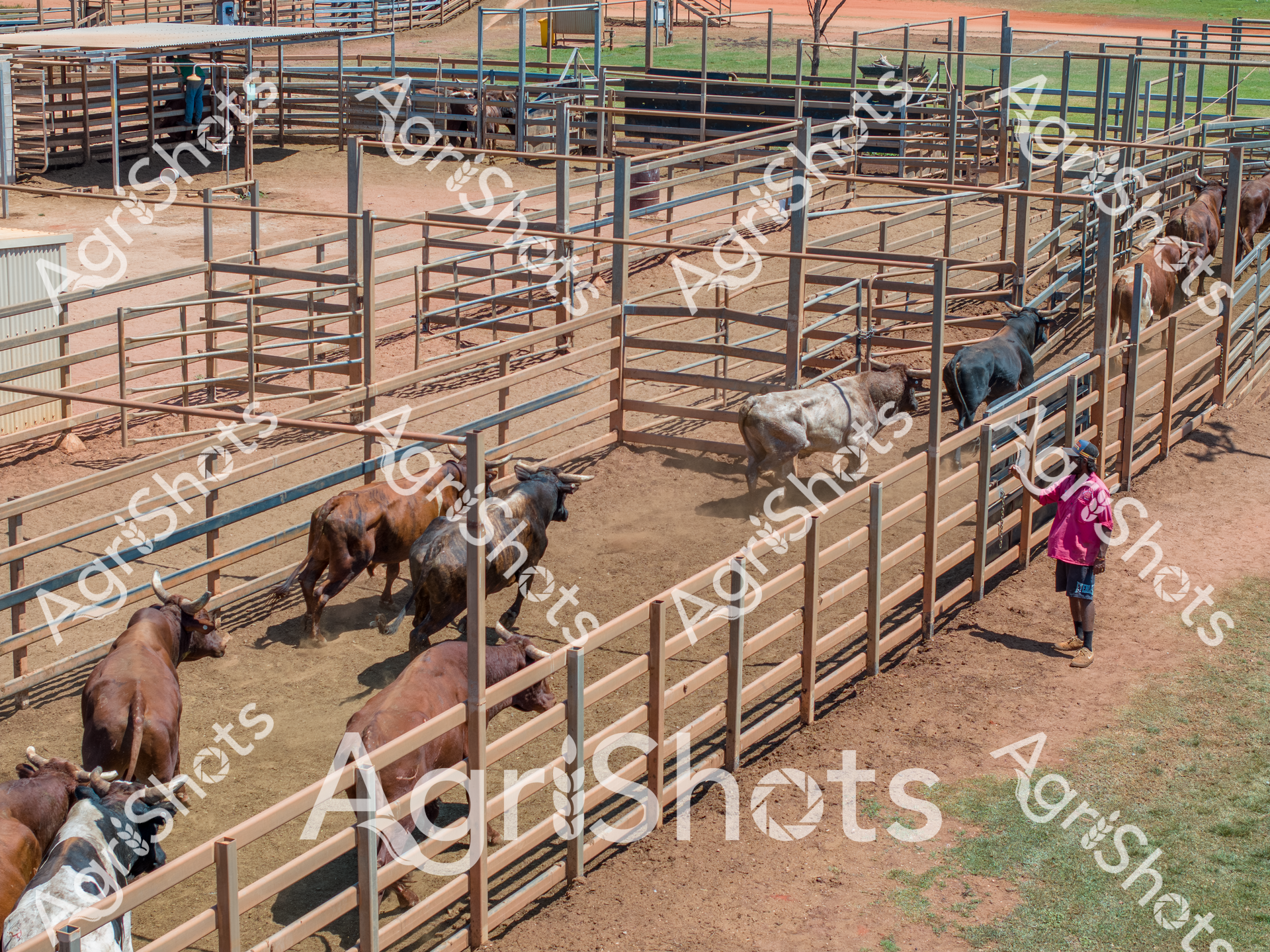
A bustling cattle yard in Western Australia's Kimberley region pulses with agricultural activity. Three robust cattle - a rich chestnut-colored and two darker-hued beasts - stand within the intricate wooden and metal fencing of the export yards. A worker in a vibrant pink shirt stands alongside the pens, carefully monitoring the livestock during what appears to be a spring season processing event. The yard's complex network of wooden and metal gates creates a geometric pattern of containment, with dusty ground beneath the animals' hooves suggesting a dry, arid environment typical of Western Australia's pastoral landscapes. Shadows cast by the fencing create sharp geometric lines across the ground, highlighting the structured nature of livestock management. The cattle appear calm but alert, their muscular bodies positioned carefully within the confined space. The mix of colors - from the earthy brown and deep charcoal of the cattle to the bright pink of the worker's shirt - creates a dynamic visual representation of the region's agricultural operations. This scene captures the precision and care inherent in Australian livestock management, showcasing the critical infrastructure of rural cattle processing.
 Image
Image
Muscular brahman and crossbred cattle navigate a complex maze of steel cattle yards under the brilliant light of a Western Australian spring morning. The expansive export preparation facility in the Kimberley region reveals a carefully choreographed sorting process, with cattle moving purposefully through narrow metal-railed pens. A station worker in a vibrant pink top stands sentinel at the yard's edge, monitoring the livestock's movements with practiced expertise. Rich earth tones of terracotta ground and rust-hued cattle contrast against the blue-grey metal infrastructure, creating a quintessential pastoral landscape that speaks to Australia's robust cattle industry. The precise geometric lines of the yard infrastructure demonstrate the scientific precision of modern livestock management, where each pen and gate represents a calculated step in preparing cattle for export. This scene captures the intersection of traditional pastoral knowledge and contemporary agricultural technology, highlighting the sophisticated systems that underpin Western Australia's significant cattle export economy.
 Image
Image
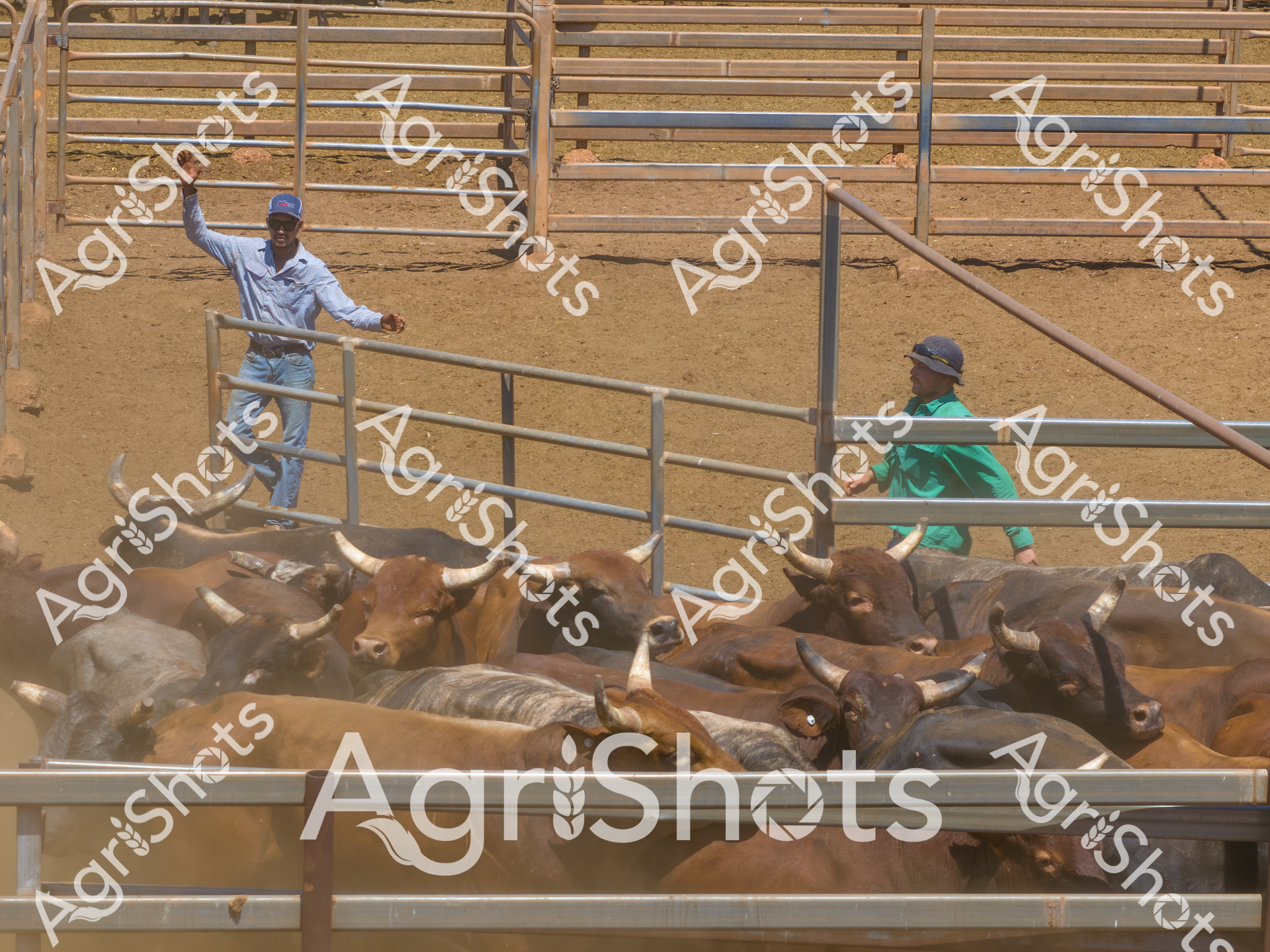
Stockyard dust billows around a tight cluster of Brahman and crossbred cattle, their muscular bodies and curved horns packed tightly within metal livestock loading gates. A stockman in a pale blue work shirt and cap stands elevated on the rail, methodically counting and assessing the herd, while another worker in a green shirt monitors from an adjacent section. The sun-baked earth and metal infrastructure speak to the harsh Kimberley landscape of Western Australia, where cattle management is an intricate dance of precision and experience. These export-ready animals represent the culmination of months of careful station management - their sleek brown and grey coats reflecting the resilience required to thrive in this challenging environment. The systematic arrangement of the yards, the calm professional demeanor of the workers, and the dense arrangement of cattle capture the methodical nature of Australia's significant live export industry, where each animal is a valuable asset carefully prepared for international markets.
 Image
Image
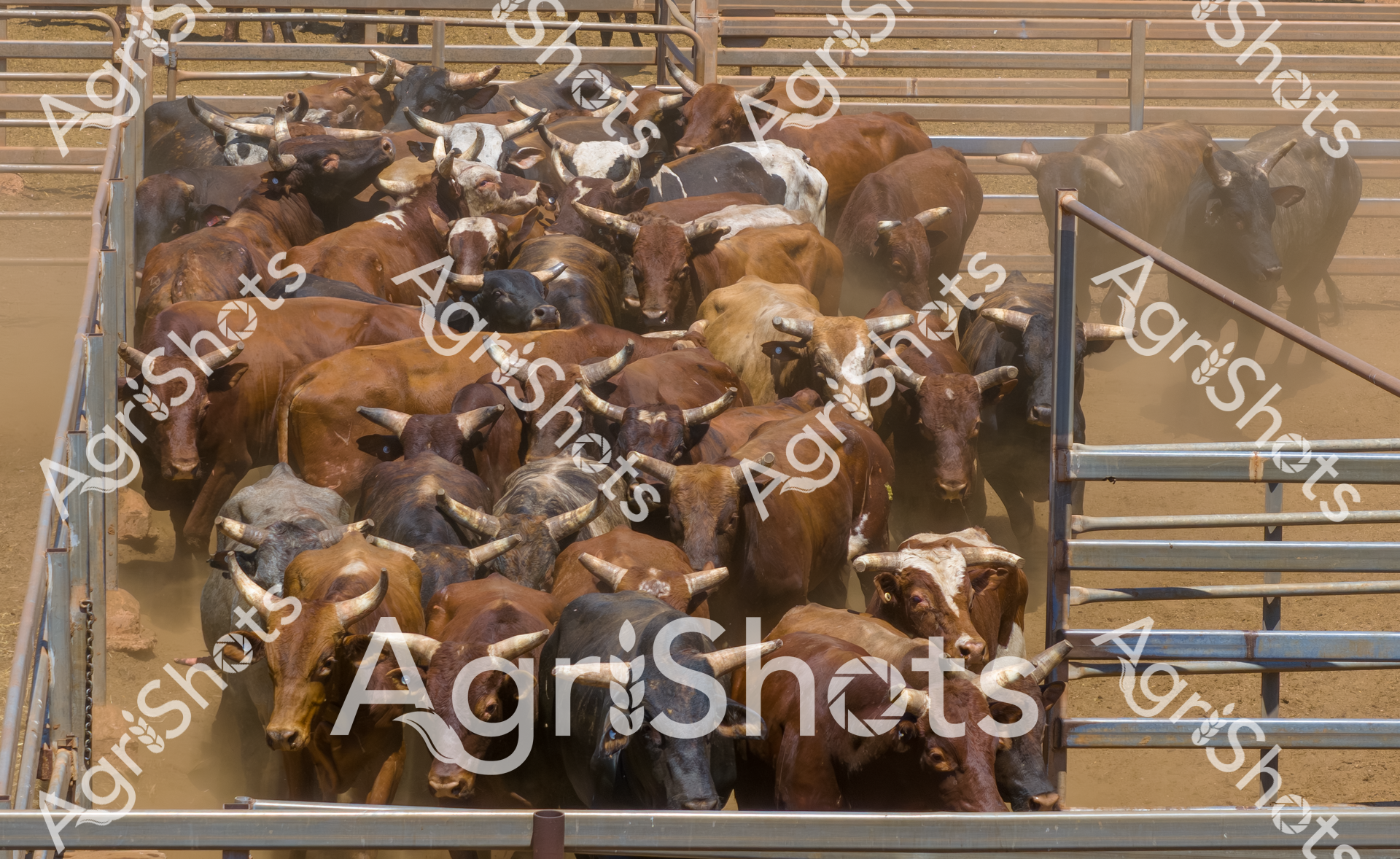
Muscled and compact beef cattle crowd together in a dust-laden export yard, their varied hide colors ranging from rich mahogany to slate grey and dappled white. The tight metal livestock pen captures the intense density of cattle preparation, likely in Western Australia's Kimberley region during the spring season. Sharp horns and powerful shoulders press against each other, creating a tense tableau of agricultural commerce and livestock management. Precise metal fencing and gates define the tight space, highlighting the systematic approach to cattle processing for potential export markets. The earthy tones of the cattle and the sandy ground create a textural landscape of rural industry, reflecting the challenging environment of northern Australian cattle stations. Each animal represents a carefully managed asset, positioned at the intersection of agricultural production and international trade.
 Image
Image
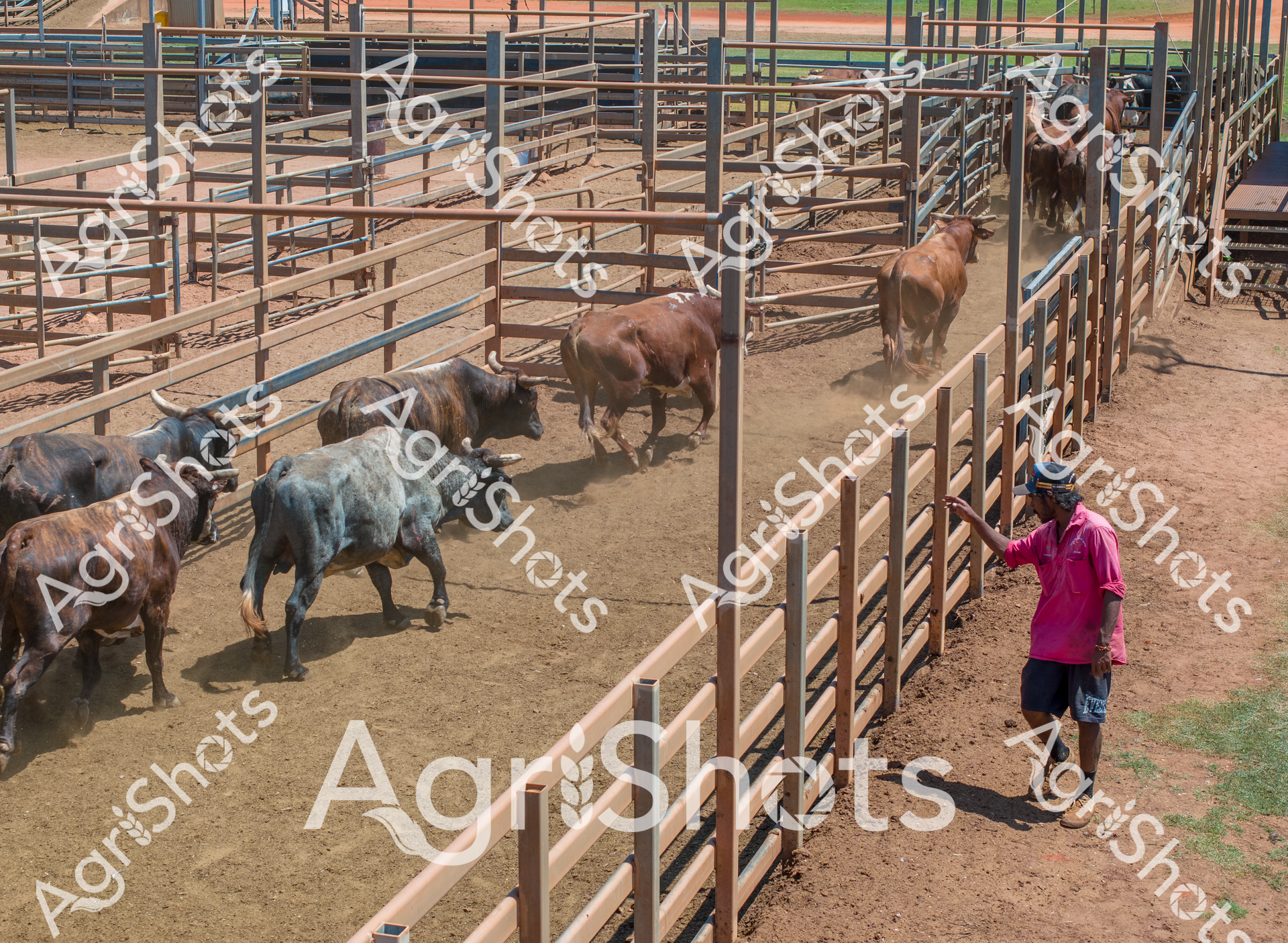
A vibrant scene of cattle management unfolds in a dusty livestock yard, with a diverse herd of bulls and steers occupying multiple interconnected metal stock pens. A worker in a bright pink shirt stands near the fencing, carefully monitoring the cattle's movement and positioning. The animals display a range of coat colors - from deep charcoal and slate gray to rich chestnut browns - showcasing the genetic diversity typical of beef cattle breeding operations. The tight, angular metal fencing creates a geometric pattern of containment, highlighting the precision of modern livestock handling techniques. Dry, packed earth beneath the animals and the structured pen system suggest this is a professional cattle management facility, likely in an arid or semi-arid agricultural region. The scene captures the careful balance of animal husbandry, with the lone worker demonstrating the skill and attentiveness required in managing a cattle herd.
 Image
Image
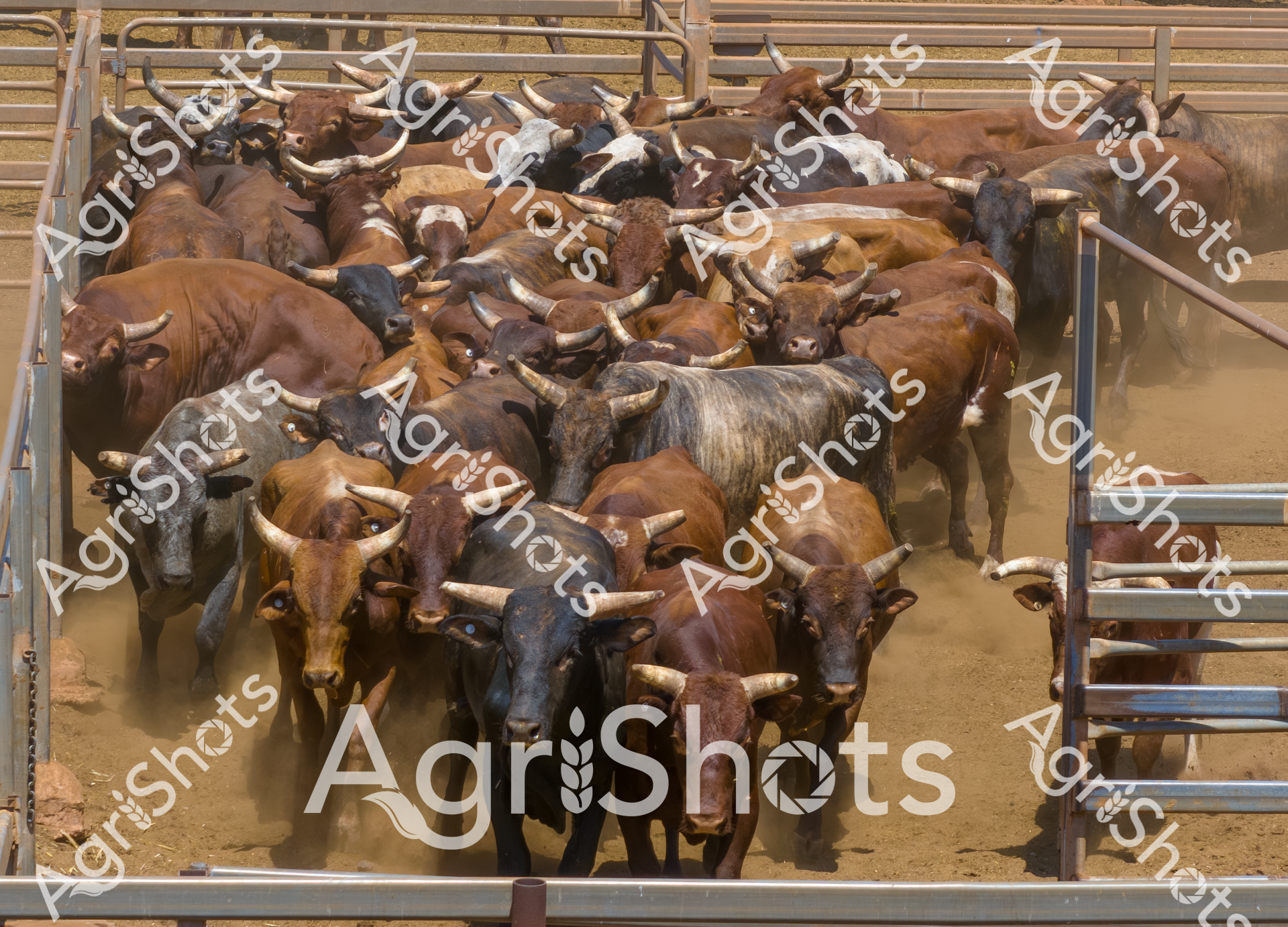
A tightly packed pen of robust beef cattle fills the frame, their diverse hides ranging from rich mahogany to deep charcoal and spotted white. These muscular bovines, likely Brahman or Droughtmaster crossbreeds typical of Western Australia's Kimberley region, stand shoulder to shoulder in a dusty export yard, their impressive horns creating a forest of curved points. The tight clustering suggests a pre-export quarantine process, with the animals compressed into a metal stock yard that radiates heat and anticipation of movement. Fine desert sand billows around their hooves, creating a soft tan backdrop that highlights the animals' powerful physiques and varied coat colors. The scene captures the rugged essence of northern Australian cattle operations - a testament to the resilience of livestock and stockmen in one of the world's most challenging agricultural landscapes. Each beast stands with a stoic presence, embodying the strength and endurance required to thrive in this harsh, beautiful environment.
 Image
Image
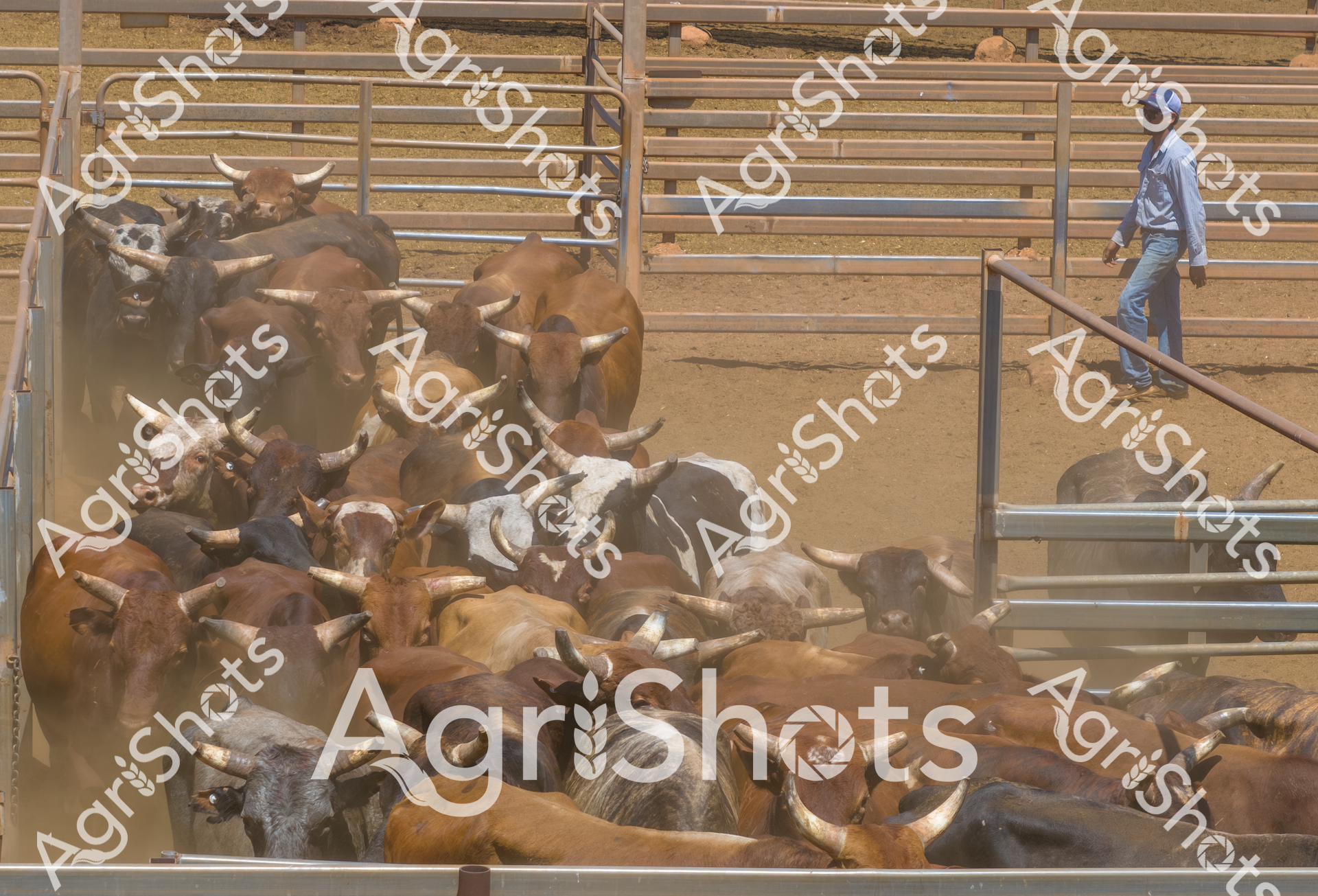
Packed tightly in a dusty export yard, a herd of robust beef cattle huddles within sturdy metal cattle pens. The animals - a mix of rich brown, charcoal, and dappled white coats - display distinctive horns and muscular frames typical of northern Australian cattle breeds. A stockman in classic light blue work attire stands watchfully on the elevated platform, surveying the densely clustered livestock against the sun-baked earthen background. The scene captures the essence of the Kimberley region's pastoral industry, with harsh spring sunlight casting sharp shadows and highlighting the dust rising from the compacted holding area. These cattle, likely prepared for live export or interstate transport, represent the rugged agricultural backbone of Western Australia's cattle stations. The tight composition and crowded pen underscore the systematic processes of livestock management, with the stockman's calm presence suggesting years of practiced expertise in handling these powerful animals.
 Image
Image
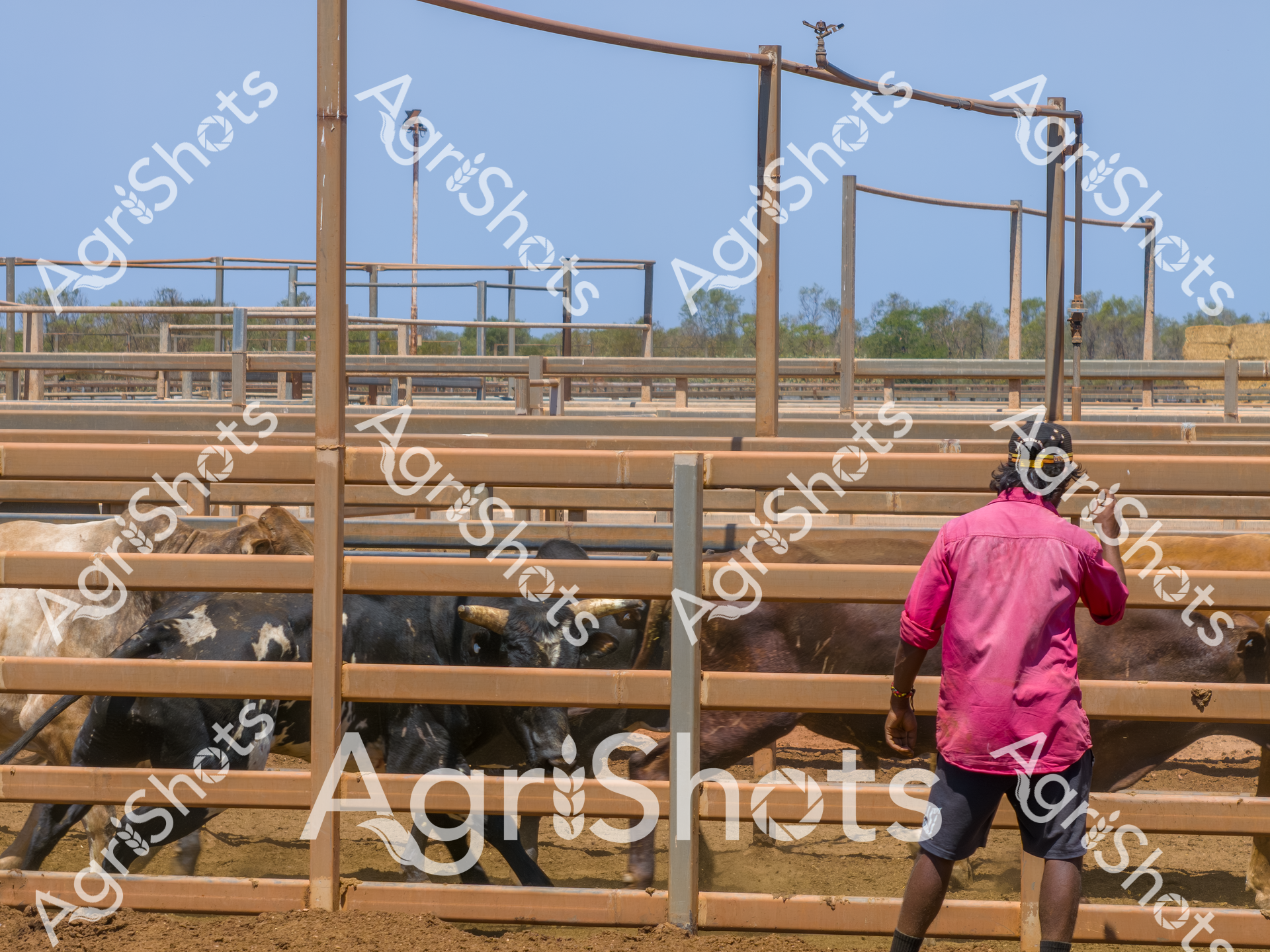
Stockyard silhouettes frame a quintessential Kimberley cattle management scene, where a worker in a vibrant pink long-sleeved shirt surveys a pen of mixed breed cattle. The sandy-floored export yards capture the essence of Western Australian pastoral life, with sturdy wooden fencing containing a diverse herd of dark, spotted, and light-colored cattle. Harsh sunlight and a clear blue sky suggest a crisp spring morning, typical of the region's dry season, while an irrigation sprinkler mounted on the yard's framework hints at careful livestock management in this challenging landscape. The worker's back is turned, focused on assessing the cattle's condition, potentially preparing for quarantine procedures or export selection - a critical process in Australia's significant livestock trading industry. The metallic infrastructure, dusty ground, and clustered cattle create a textured landscape that speaks to the precision and rugged nature of modern agricultural practices in one of Australia's most remote and productive regions.
Well, you've ploughed through the whole field!
No more crops to harvest here, mate.
Try searching for something else in our library of 50,000+ royalty-free media: