 Image
Image
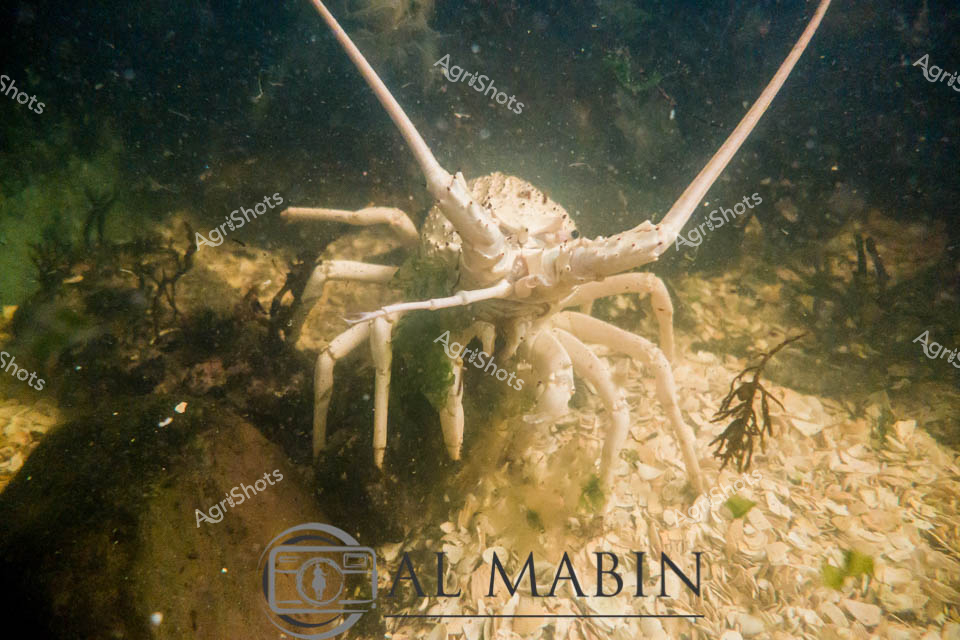
Pale and ghostly, a giant spider crab rises from the murky underwater landscape of a Tasmanian aquaculture environment. Its elongated limbs stretch outward, creating an ethereal silhouette against the mottled seafloor of rocks, sediment, and subtle vegetation. The crustacean's exoskeleton appears almost translucent, revealing intricate anatomical details and a remarkable adaptation to the submerged ecosystem. Suspended in the greenish-brown aquatic realm, the crab exemplifies the rich marine biodiversity found in Tasmania's coastal waters. Soft particulate matter drifts around its articulated legs, creating a sense of delicate movement and environmental interconnectedness. The underwater scene captures the silent, mysterious world of marine agriculture, where complex organisms thrive in carefully managed aquatic habitats.
 Image
Image
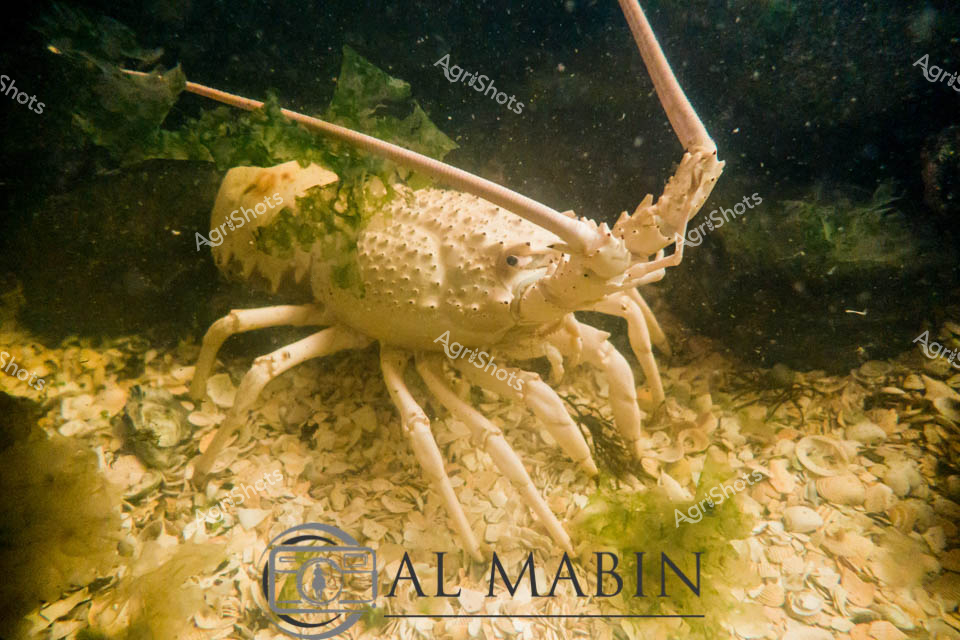
Pale and prehistoric-looking, a robust spiny rock lobster emerges from a rocky underwater landscape in Tasmania's rich marine ecosystem. Its textured exoskeleton, covered in nubbly protrusions, gleams a cream and pale yellow tone against the mottled green-brown seafloor. Long antennae extend delicately from its armored head, sensing the surrounding aquatic environment with prehistoric precision. This magnificent crustacean represents Tasmania's thriving aquaculture industry, where rock lobster farming contributes significantly to the state's marine economic output. The detailed underwater shot captures the intricate details of this remarkable creature, highlighting the sophisticated agricultural techniques used in marine species cultivation. The image, watermarked with Al Mabin's photographic branding, showcases the extraordinary marine biodiversity that makes Tasmanian aquaculture a world-renowned sector.
 Image
Image
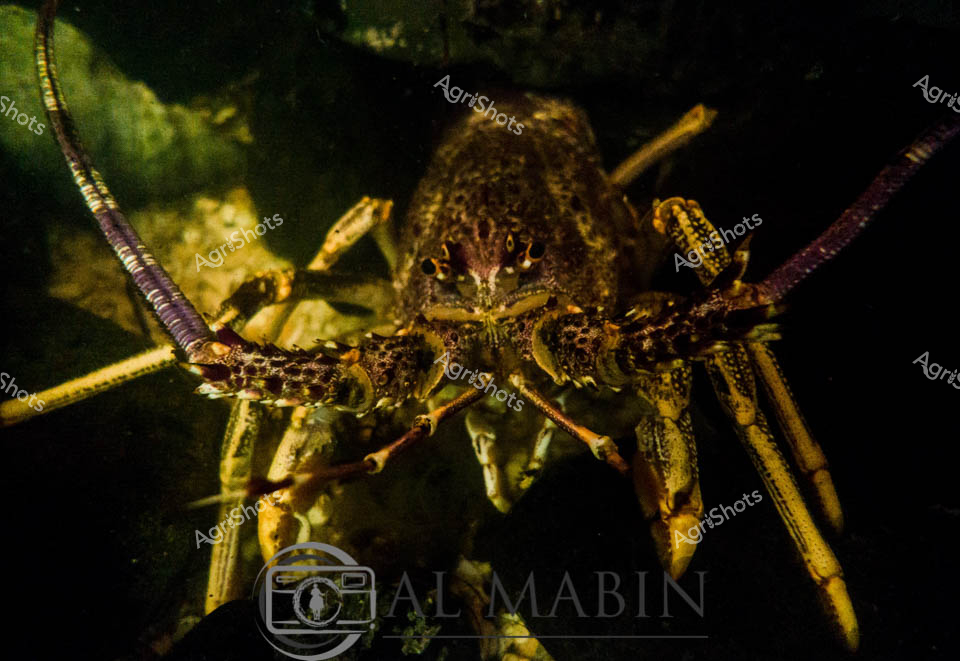
Spiny tendrils unfurl in crystalline darkness, a prehistoric sentinel of Tasmania's aquatic realm. This marbled rock lobster emerges from shadowy underwater terrain, its exoskeleton gleaming with golden-bronze hues that blend perfectly with submerged rocky landscapes. Powerful segmented limbs extend with primordial precision, revealing intricate textures of armored shell and delicate antennae probing the murky environment. Each appendage speaks to evolutionary perfection - a crustacean designed for survival in the cold southern waters surrounding Tasmania's rugged coastline. The creature's multiple eyes, nearly invisible yet alert, suggest an ancient intelligence watching from within its complex architectural form. This remarkable specimen represents the rich marine biodiversity fundamental to Tasmania's sophisticated aquaculture industry, where wild-harvested and farm-raised marine life contribute significantly to the region's sustainable seafood production.
 Image
Image
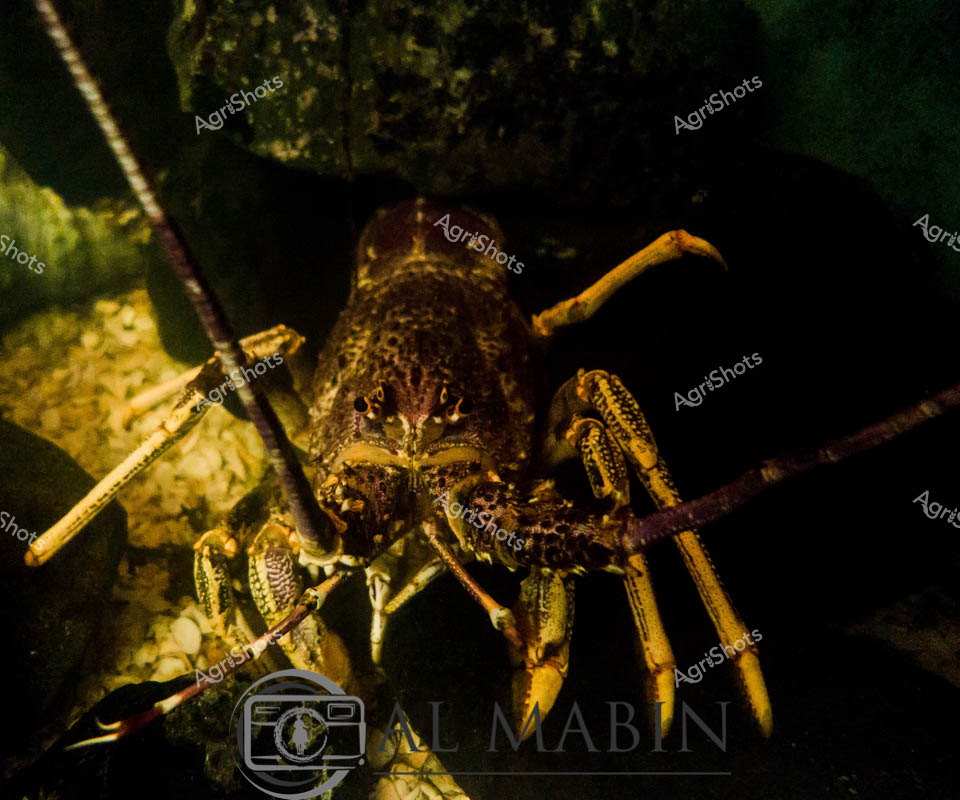
A prehistoric-looking crayfish emerges from the shadowy underwater landscape, its robust exoskeleton gleaming in rich golden and brown tones. Powerful segmented legs extend from its muscular body, revealing intricate textures and the prehistoric armor of this aquatic crustacean. The creature sits amid rocky substrate, its antennae sensitively probing the murky environment of what appears to be a Tasmanian freshwater habitat. Soft green and amber hues of underwater vegetation provide a subtle backdrop, creating an atmospheric scene that captures the raw primordial essence of aquaculture ecosystems. The crayfish's intense gaze and precisely articulated limbs suggest a creature supremely adapted to its environment, embodying the resilient marine life cultivated in Tasmania's sophisticated aquaculture industry. Every detailed scale and joint speaks to the complex biological engineering of these remarkable freshwater inhabitants, highlighting the state's rich biodiversity and sustainable seafood production.
 Image
Image
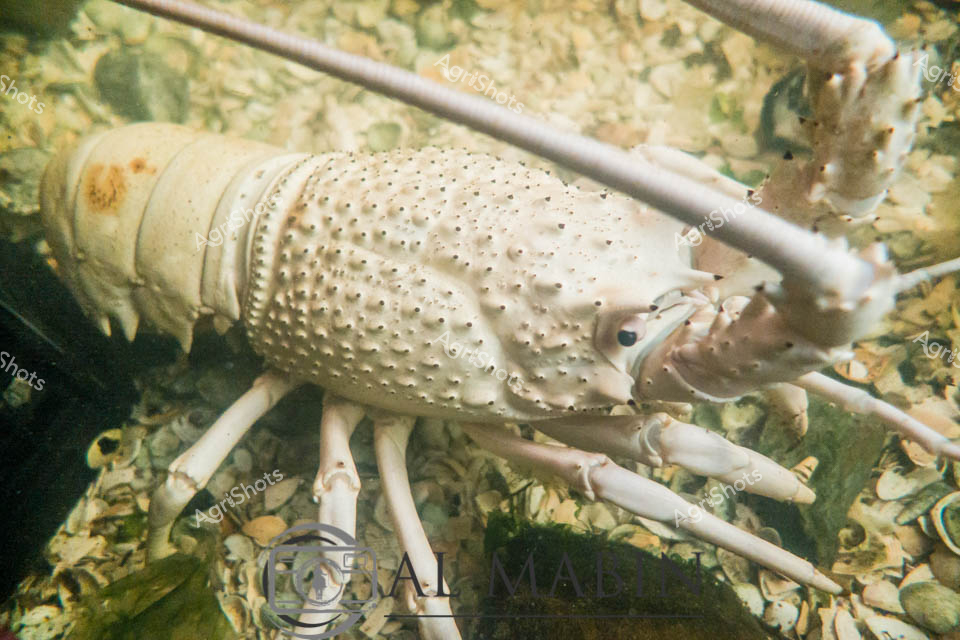
In the cool, clear waters of a Tasmanian aquaculture facility, a majestic white crayfish rests among a bed of rocky substrate, its armored exoskeleton gleaming with a remarkable textured surface covered in tiny, uniform bumps. The crustacean's pale body stands out against the mottled green and brown background, its long, delicate legs extended with an almost architectural precision. Precise lines of segmented limbs contrast with the bumpy, rounded carapace, creating a study in natural biomechanical design that speaks to the sophisticated world of modern aquaculture. The creature's eye peers out with an alien-like intensity, a testament to the extraordinary marine life cultivated in Tasmania's pristine aquatic environments. This image captures the intersection of scientific farming and natural beauty, showcasing the meticulous care and advanced techniques used in sustainable seafood production. The crisp, detailed composition reveals the intricate details of this remarkable creature, highlighting the importance of Tasmania's aquaculture industry in producing high-quality, carefully managed seafood products.
Well, you've ploughed through the whole field!
No more crops to harvest here, mate.
Try searching for something else in our library of 50,000+ royalty-free media: