 Image
Image
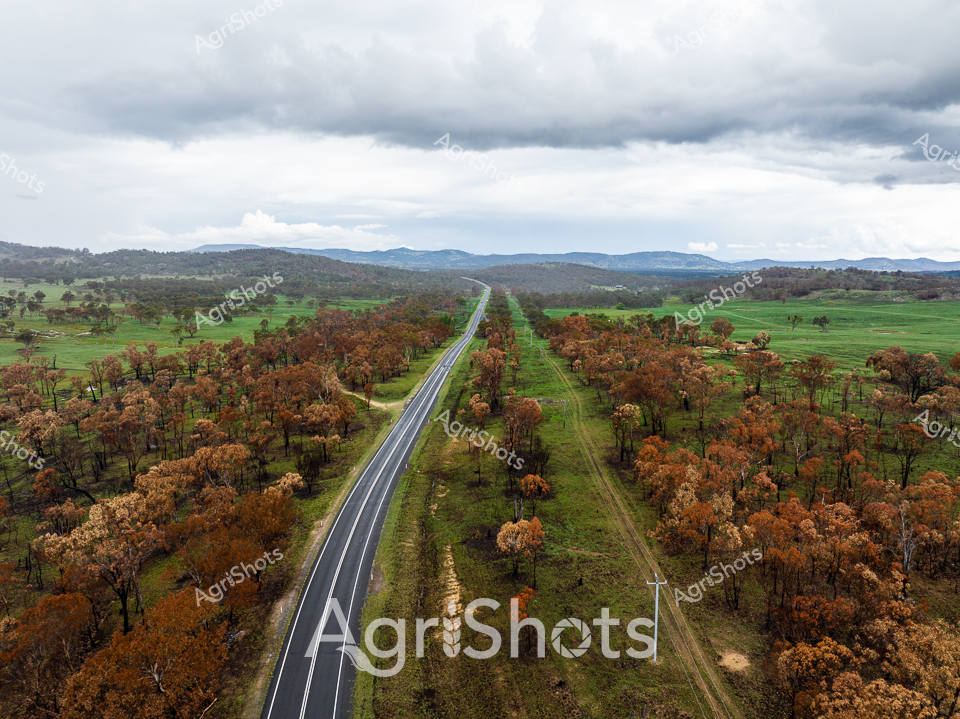
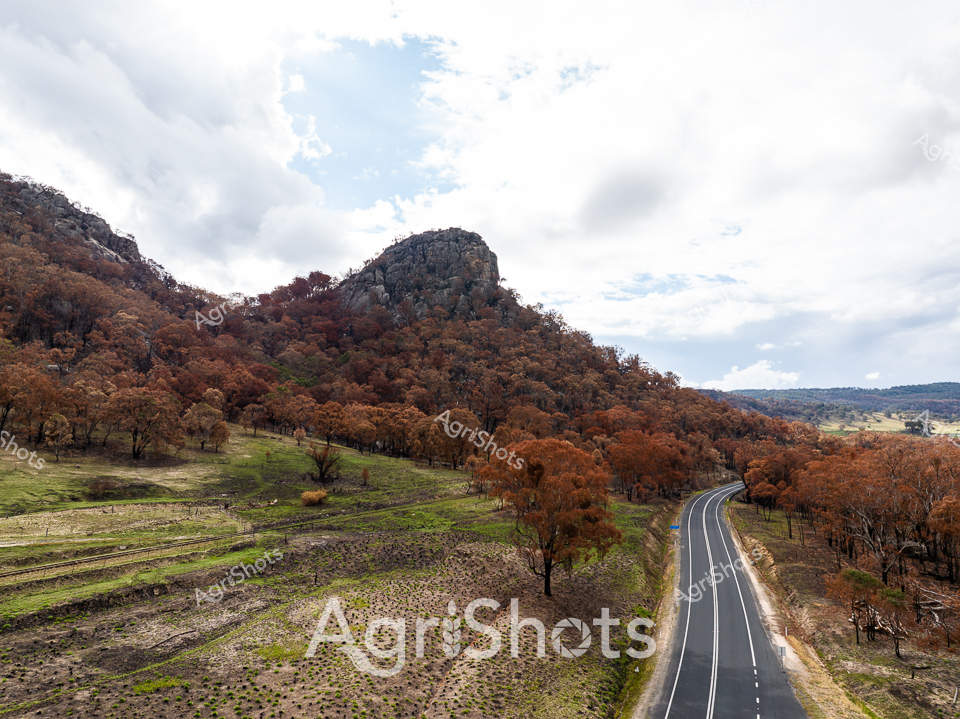
Aerial perspectives reveal the resilient landscape of rural New South Wales, where nature's regenerative power transforms a fire-scarred woodland. Stark burnt-orange and russet trees line a pristine asphalt highway, creating a striking visual corridor through the recovering bushland. Verdant green grasslands punctuate the burnt forest, signaling the landscape's remarkable resilience and ecological renewal. Distant mountain ranges fade into a brooding grey-white sky, creating a dramatic backdrop that speaks to the harsh yet beautiful Australian environment. The precise linear road cuts decisively through the landscape, a human intervention amidst the natural regeneration, symbolizing connection and progress in a challenging terrain. This panoramic view captures the profound cycle of destruction and rebirth characteristic of Australia's unique ecological systems, where fire is not an endpoint but part of a complex environmental renewal process.
 Image
Image
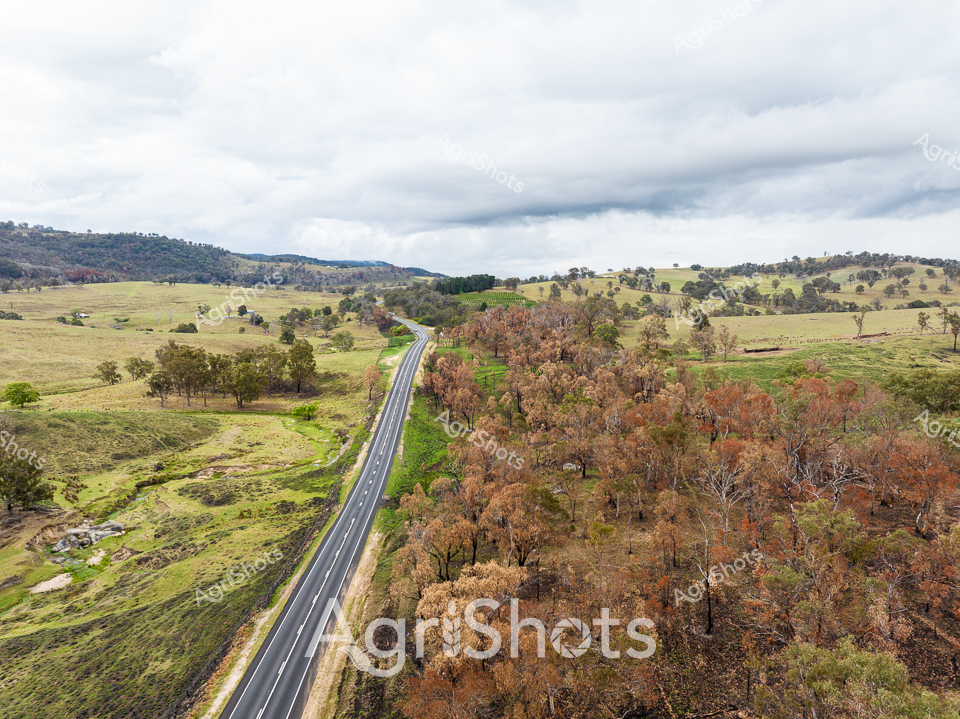
Scarred yet resilient, this aerial view captures the raw aftermath of bushfire across the undulating pastoral landscape of New South Wales. A stark highway slices through the terrain, creating a crisp divide between scorched woodland and recovering grasslands, revealing nature's remarkable regenerative power. Blackened trees stand as silent sentinels, their charred branches contrasting against verdant green pastures beginning to reclaim the earth, symbolizing the cyclical resilience of Australian rural ecosystems. Soft grey clouds drift overhead, casting a muted light that enhances the landscape's textural complexity - from the smooth asphalt road to the rough, fire-damaged tree bark and the tender new grass shoots emerging from the scorched ground. This image speaks to the brutal yet transformative nature of Australian bushfires, documenting both destruction and renewal in a single, compelling frame. The landscape tells a story of survival, showcasing how fire is not just a force of devastation, but also a critical mechanism of ecological renewal in Australia's complex and adaptive natural environment.
 Video
Video
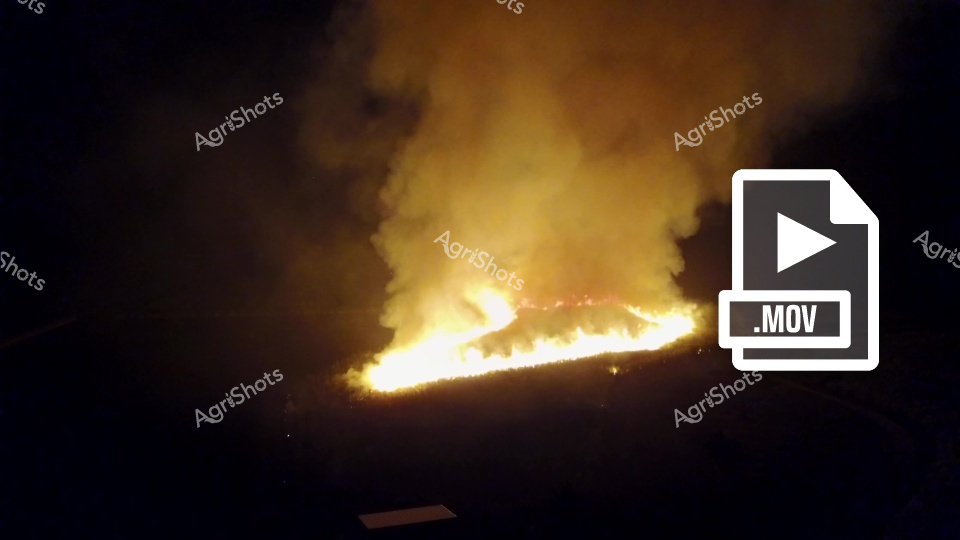
A fierce and dramatic scene unfolds as flames consume dry brush in a controlled burn, illuminating the dark surroundings with a fiery glow. Thick plumes of bright orange and yellow smoke spiral upwards into the night sky, contrasting against the inky darkness of the landscape. This vital ecological practice, often employed during the late summer months, helps reduce the risk of uncontrollable wildfires while promoting new growth in the coming seasons. The setting is rural Australia, where vast fields stretch into the distance, silhouetted against the flickering firelight, capturing the duality of destruction and regeneration in the agricultural cycle. Textures are rich and varied; the charred remains of grassland create stark contrasts with patches of untouched green beyond the flames. The air is thick with the scent of smoke, a testament to both the power of nature and the careful management required by farmers. The crackle of burning vegetation underscores the intensity of the scene, evoking a sense of urgency and responsibility inherent in land stewardship. This moment serves as a reminder of the challenges faced in agricultural practices, balancing the needs of the ecosystem with human endeavors.
 Image
Image
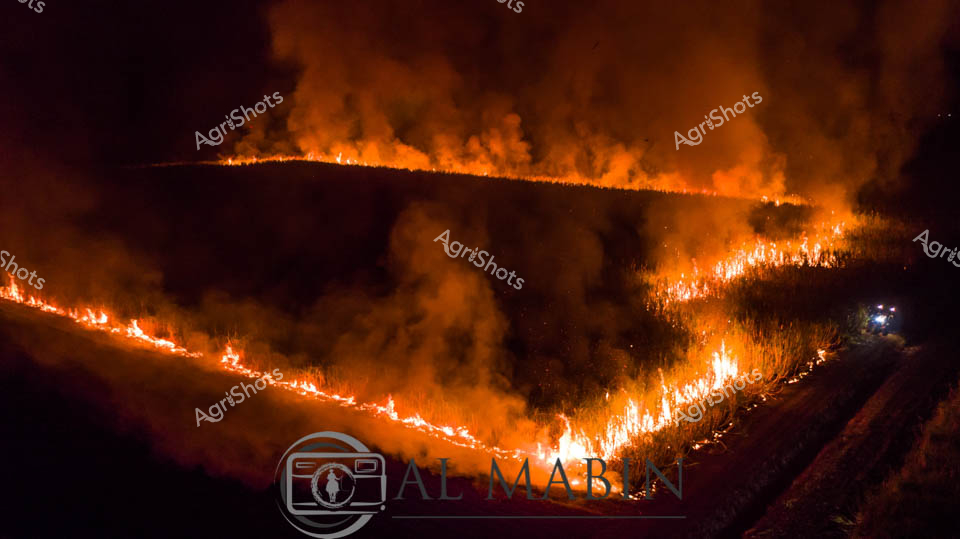
Flames surge across rolling grasslands, transforming the nocturnal landscape into a blazing canvas of orange and crimson. A controlled burn illuminates the agricultural terrain, likely a strategic cane field preparation technique common in New South Wales sugarcane regions. Intense lines of fire snake along the ground, consuming dry grasses and vegetation in a methodical progression, clearing fields for future crop cultivation. The night sky glows with an ethereal amber light, casting dramatic shadows and highlighting the textural contours of the burning landscape. In the periphery, a faint vehicle light suggests agricultural workers monitoring the carefully managed burn, ensuring the fire remains contained and purposeful. This powerful image captures the raw, elemental process of land management in Australian agricultural practices, where fire serves as a critical tool for renewing pastures, controlling undergrowth, and preparing fields for the next planting season.
 Video
Video
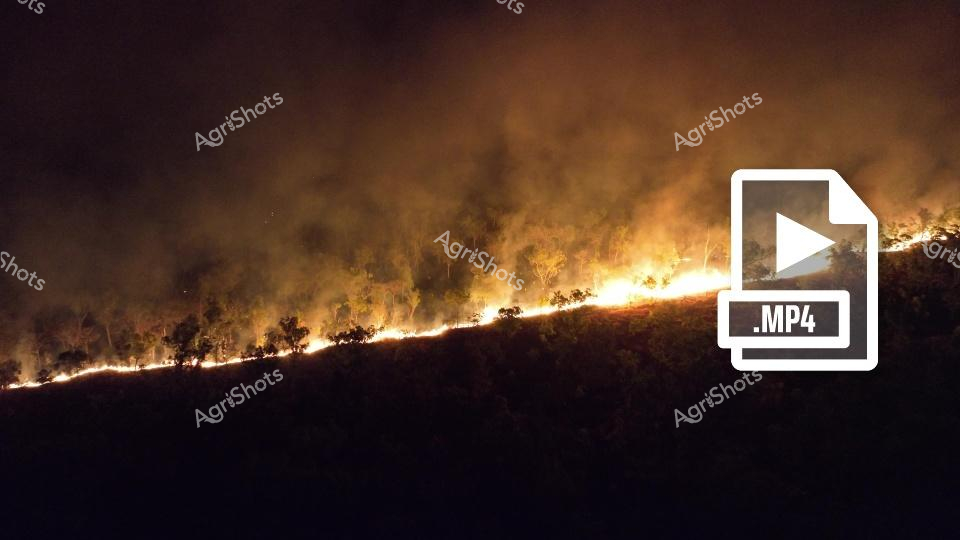
A fierce bushfire rages across a rugged landscape under the cover of darkness, illuminating the night with intense amber and golden flames. The wildfire traces a dramatic line along a sloping hillside, consuming trees and vegetation in its relentless path. Burning trees stand like silhouetted sentinels, their branches flickering with destructive energy against the smoky backdrop. The raw power of the Australian wilderness is captured in this intense moment, where the landscape transforms under the brutal touch of uncontrolled fire. Embers and sparks dance upward, creating a primal scene of elemental destruction that speaks to the harsh and unpredictable nature of the Northern Territory's environmental conditions. The MP4 video file icon suggests this is a dynamic, unfolding documentary moment of a bushfire's devastating progression across the remote Australian terrain.
 Image
Image
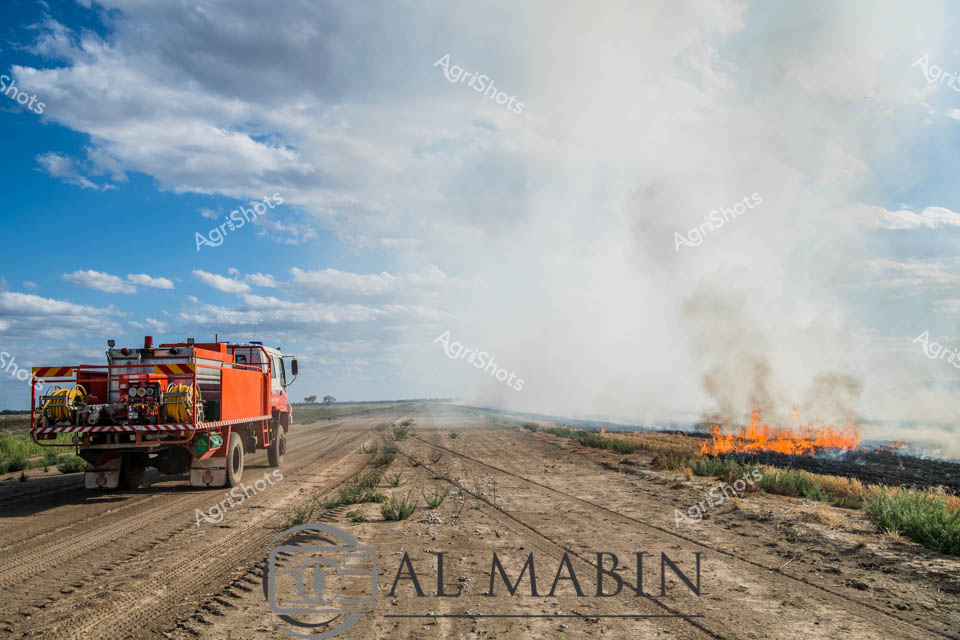
Blazing fields mark the end of harvest season as an orange fire truck stands sentinel on a dusty rural road. Controlled burning sweeps across a wheat stubble paddock, flames consuming dry crop remnants under a vast blue Australian sky scattered with wispy clouds. The fire management vehicle, brilliant orange against the muted earth tones, represents critical agricultural fire prevention techniques used by farmers to prepare fields for next season's planting. Smoke billows across the flat agricultural landscape, creating a dramatic scene of agricultural land management that speaks to the challenging environmental conditions of rural Australia. Tire tracks in the dirt and sparse native grasses indicate this is likely a wheat-growing region in New South Wales, where strategic stubble burning helps control weeds, pests, and regenerate soil nutrients. The expansive horizon and methodical burning showcase the precision and resilience of Australian agricultural practices, where every action is carefully calculated to maximize land productivity.
 Image
Image
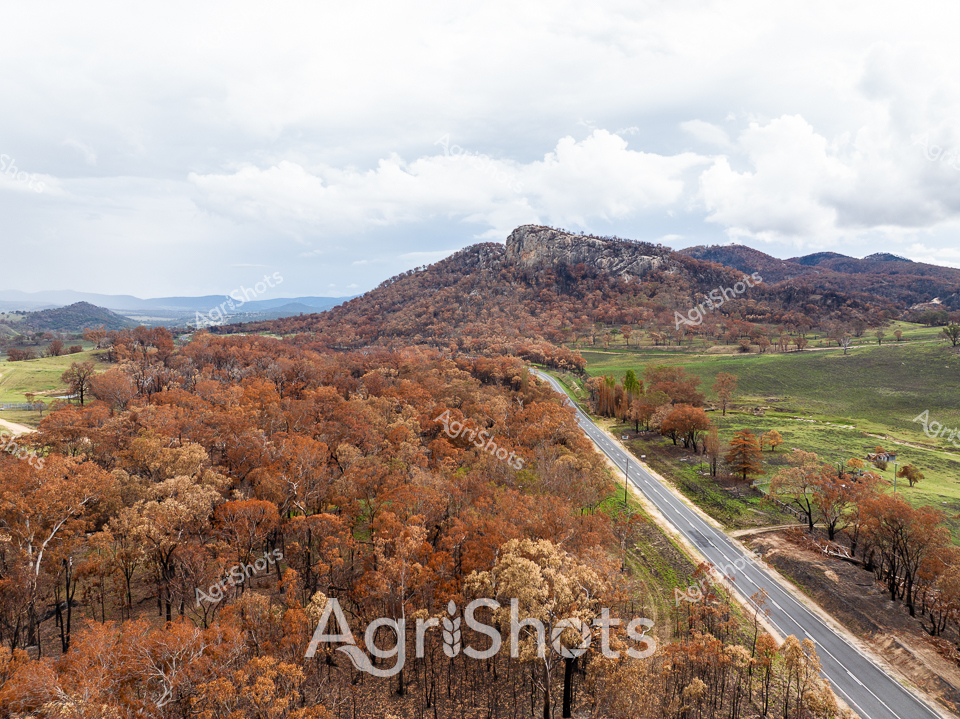
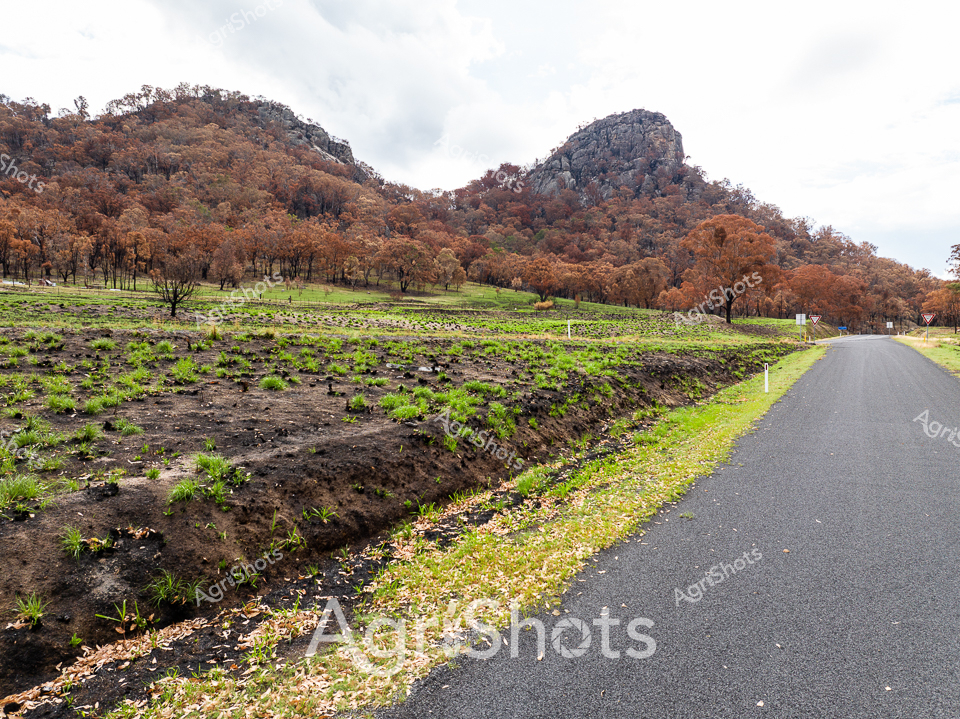
Scorched woodland cascades down rugged mountain slopes in the aftermath of an intense bushfire, revealing the raw resilience of the Australian landscape. A stark highway cuts through the blackened terrain, a stark line of infrastructure amidst the fire-ravaged ecosystem. Burnt orange and deep charcoal tones dominate the landscape, with hints of emerging green grasslands suggesting the first signs of regeneration. Towering rocky outcrops stand sentinel over the devastated forest, their weathered surfaces a testament to the enduring nature of the land. Wispy clouds drift across a pale grey sky, casting a soft light over the scene of destruction and hope. This powerful image captures the cyclical drama of Australia's bushland - the devastating power of fire and the remarkable capacity of nature to heal and renew itself, a profound metaphor for agricultural and ecological resilience.
 Image
Image
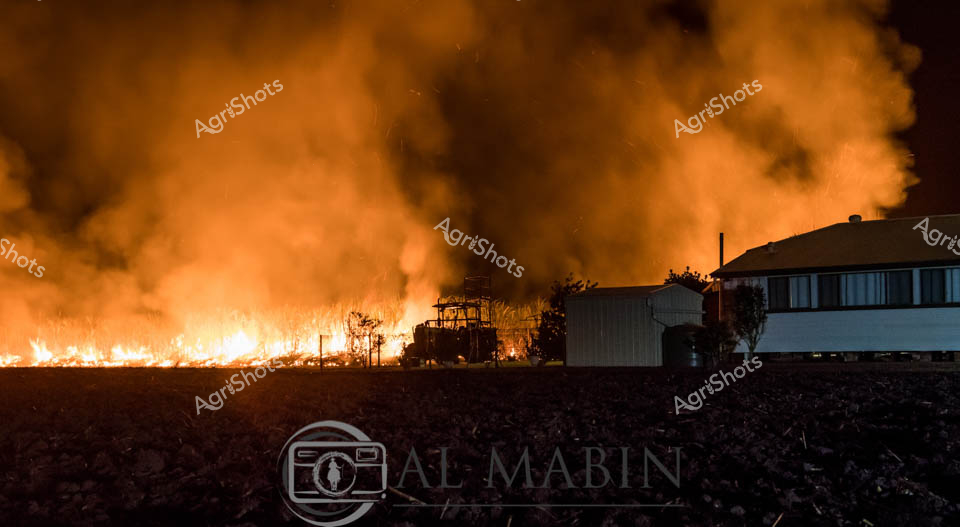
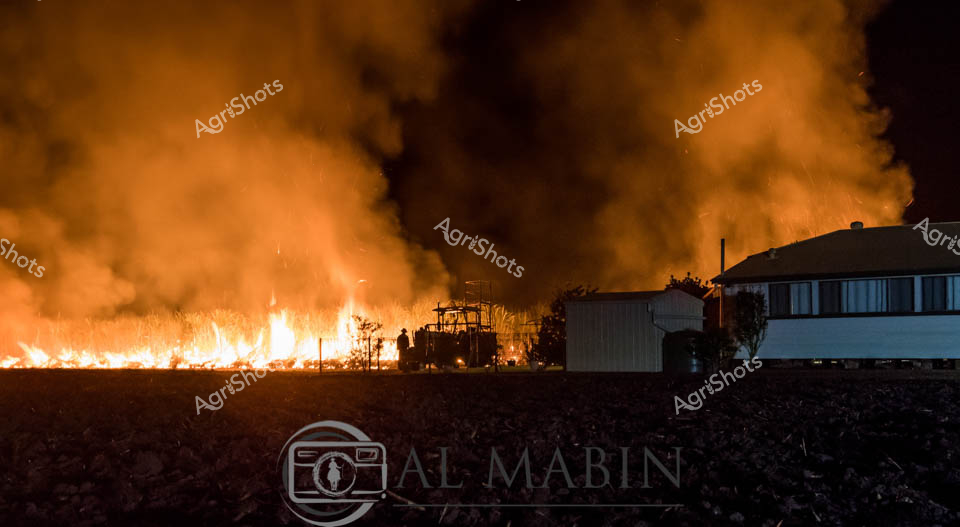
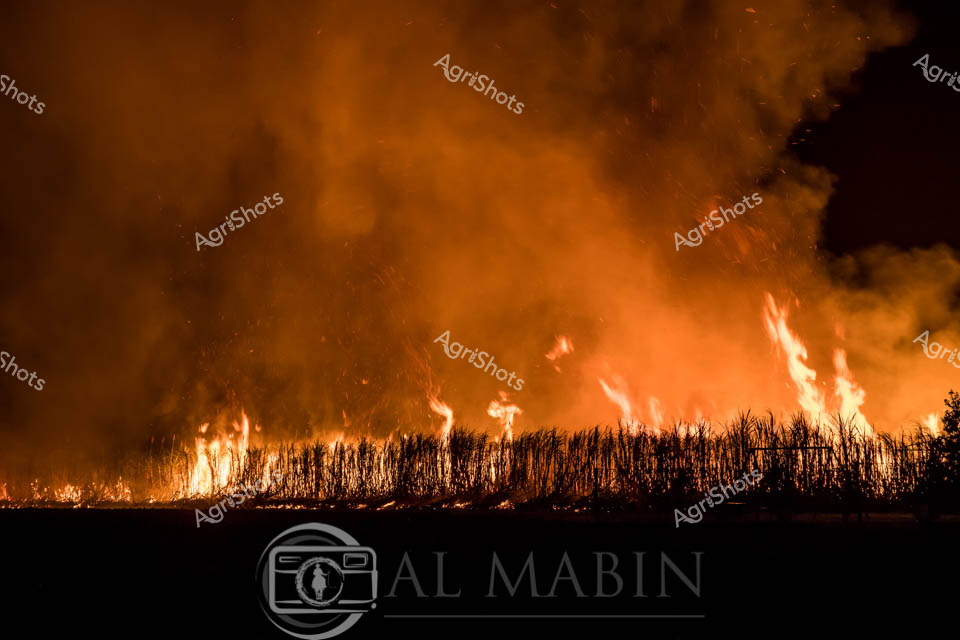
Night descends on a cane field ablaze, transforming the landscape into a dramatic tableau of agricultural transformation. Intense orange flames consume the sugarcane field, creating a sweeping wall of fire that illuminates the surrounding rural property with an apocalyptic glow. Agricultural machinery stands silhouetted against the inferno, a testament to the controlled burn techniques used in preparing fields for harvest. The controlled burn clears dead vegetation, eliminates pests, and prepares the land for cutting, a critical process in sugarcane production across regions of New South Wales. Structures—a white farmhouse and utility buildings—stand resilient at the field's edge, carefully positioned to remain safe from the managed wildfire. The scene captures the raw power of agricultural practices, where fire becomes a tool of land management, revealing the intricate relationship between farmers, their equipment, and the elemental forces that shape crop production.
 Video
Video
A dramatic scene unfolds under the cover of night, as flames fiercely consume dry grasslands, casting a vivid glow against the pitch-black sky. The fire, with bright orange and yellow tongues licking upwards, creates a striking contrast against the dark silhouette of the rural landscape in the foreground. Smoke billows and swirls, creating an almost ethereal texture as it mingles with the heat haze, signaling the dangers of drought conditions affecting the region. Red and amber hues dominate the scene, evoking an urgent sense of immediacy and danger, while the crackling sounds of burning vegetation resonate in the silence of the night. This vivid portrayal of fire risks serves as a stark reminder of the challenges faced by rural communities in Australia. The landscape, illuminated by the blaze, underscores the fragility of agricultural life, leaving an indelible impression of both beauty and peril entwined within the natural ecosystem.
 Image
Image
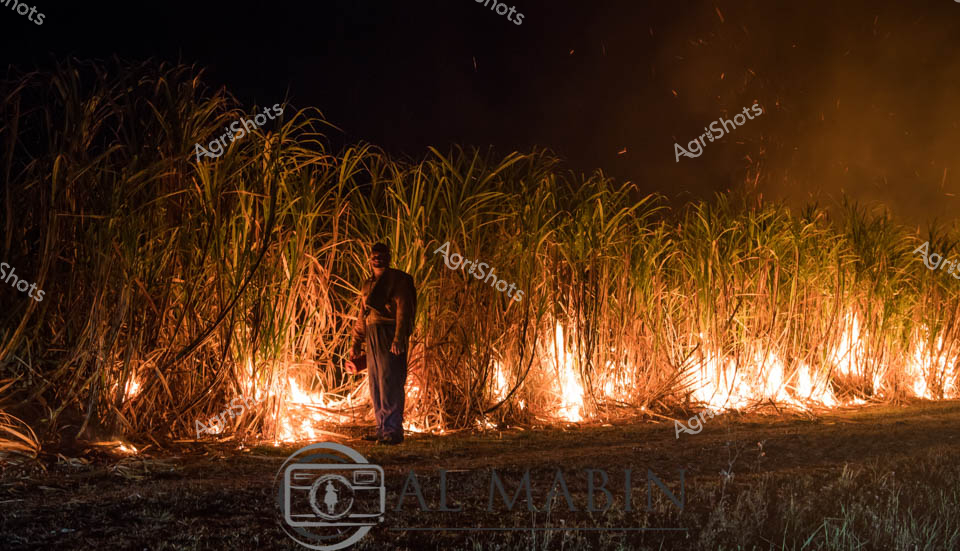
Flames surge through a dense sugarcane field under the cover of darkness, illuminating the night with an intense orange and golden glow. A solitary agricultural worker stands amid the controlled burn, preparing for the traditional pre-harvest burning method used in sugarcane production across regions of New South Wales. The tall, dry cane stalks crackle and dance with fire, creating a dramatic landscape of destruction and renewal that marks the beginning of the harvest cycle. Burning helps clear leaf litter, eliminate pests, and reduce transportation weight, making it an efficient agricultural practice despite increasing environmental scrutiny. The silhouetted figure represents generations of farming knowledge, carefully managing the fire's progression to ensure optimal conditions for harvesting. This powerful scene captures the raw intensity of agricultural processes, where fire becomes a tool of transformation, preparing the fields for the next stage of sugar production.
 Image
Image
Night descends on a sugarcane field ablaze, transforming the dark landscape into a dramatic canvas of orange and amber. Flames race horizontally across the field, consuming dry cane stalks in a controlled agricultural burn typical of pre-harvest practices in regional New South Wales. A rugged agricultural vehicle stands sentinel near farm buildings, silhouetted against the intense firelight, representing the technological resilience of Australian agricultural workers. The controlled burn serves multiple purposes - clearing unwanted vegetation, reducing pest populations, and preparing the field for efficient mechanical harvesting of sugarcane. Intense heat radiates across the foreground, creating a stark contrast between the consuming fire and the solid structures of the rural property. This powerful image captures the raw, elemental process of sugarcane production, highlighting the intersection of human agricultural strategy and natural transformation.
 Image
Image
Scorched earth meets resilient hope in this arresting landscape of post-bushfire regeneration. A winding highway cuts through a landscape transformed by fire, with burnt sienna and russet trees standing sentinel along its edges, their blackened branches telling a story of survival. Rocky outcrops emerge from the charred terrain, a testament to the enduring geology of the Australian landscape. Patches of vibrant green begin to emerge from the ash-covered ground, signaling nature's remarkable capacity for renewal and the first whispers of ecological recovery. The clouded sky suggests a somber yet hopeful atmosphere, with soft blue breaks hinting at the promise of renewal after devastation. This image captures the raw beauty of the Australian bush - resilient, stark, and ultimately regenerative - a powerful narrative of landscape and survival in the face of natural disaster.
 Image
Image
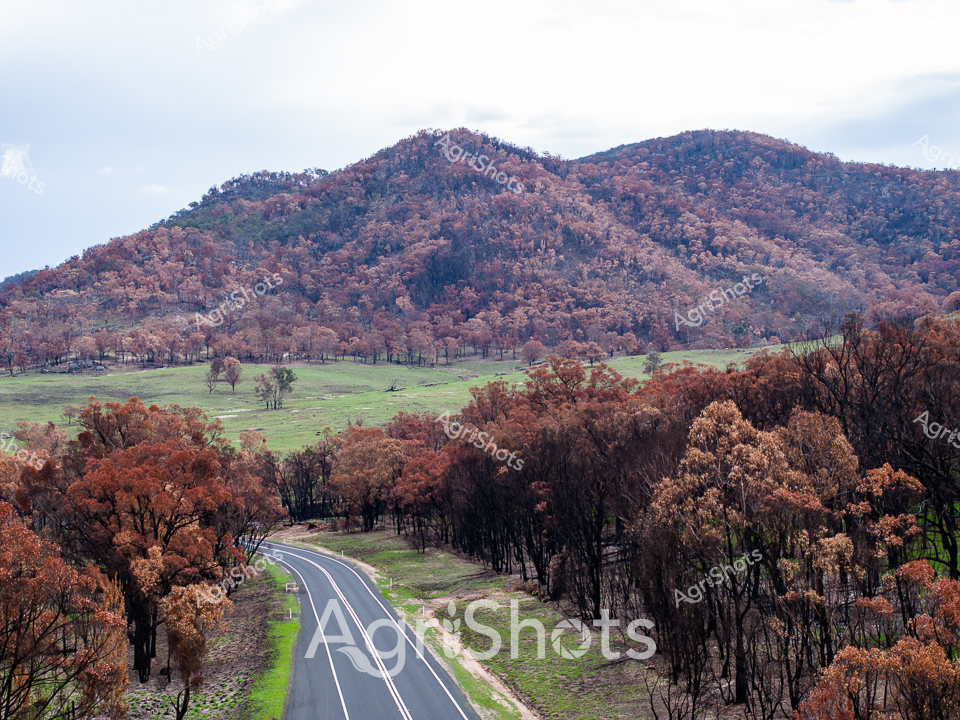
Scorched Renewal: A Resilient Landscape Burnt sienna and charcoal-blackened trees line a winding rural highway, testament to the ferocious bushfires that recently swept through this New South Wales mountain landscape. Verdant green grasslands emerge between the scarred woodland, revealing nature's remarkable regenerative power in the aftermath of devastating fire. Rugged mountains rise in the background, their slopes dressed in a patchwork of burnt auburn and resilient forest, symbolizing the Australian bush's extraordinary capacity to heal and rebuild. The stark contrast between the blackened tree trunks and the emerging green underscores the cyclical drama of Australian ecological systems - destruction and renewal dancing in an ancient, unbroken rhythm. A precisely maintained road cuts through this transformative scene, a human pathway threading through the natural world's process of recovery. This landscape tells a profound story of survival, resilience, and the unstoppable life force that defines the Australian wilderness.
 Image
Image
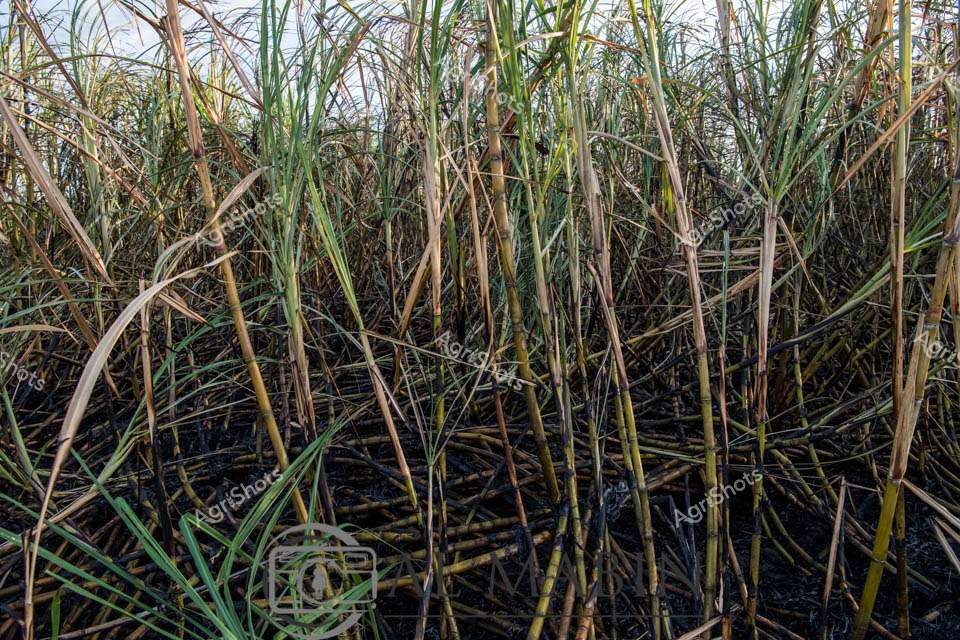
Scorched earth and towering sugarcane stalks dominate this dramatic agricultural landscape, capturing the intense post-harvest burning practices of Australia's northern cane fields. Blackened ground contrasts sharply with the standing green and yellow-tinged cane stems, which rise like natural sentinels across the burnt terrain. The vertical lines of the cane create a dense, textural scene that speaks to the brutal efficiency of agricultural land management in Queensland and New South Wales. Burnt remnants of previous crops intermingle with standing cane, revealing the cyclical nature of sugarcane cultivation - where fire cleanses the land, preparing it for new growth and next season's planting. The image captures the raw, elemental process of agricultural renewal, with charred ground and standing cane representing the transition between harvest and regeneration. This scene epitomizes the rugged agricultural practices that have defined Australia's sugar industry for generations, showcasing the stark beauty of post-harvest agricultural landscapes.
 Image
Image
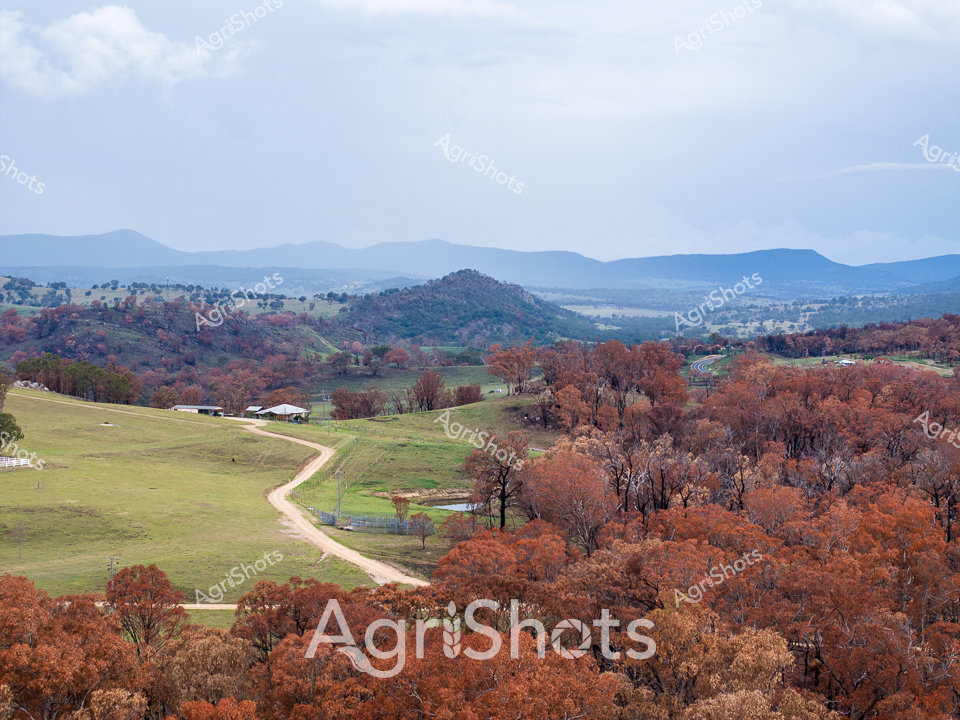
Scorched eucalyptus forests frame a resilient pastoral landscape in the aftermath of devastating bushfire. Russet-brown and charred trees stand as silent witnesses to the fire's recent passage, contrasting with verdant green pastures that hint at nature's remarkable regenerative power. A winding dirt track meanders through the rural property, leading to weathered farm sheds nestled against rolling hills and distant mountain ranges softened by a misty blue horizon. The landscape captures the stark resilience of Australian rural communities - a testament to the cycles of destruction and renewal that characterize the continent's harsh yet beautiful environments. Autumn's palette of burnt oranges, deep greens, and muted blues tells a story of survival, with new grass shoots emerging from blackened earth, symbolizing hope and continuity in the face of environmental challenge. This vista epitomizes the spirit of rural Australia - tough, adaptable, and eternally connected to the land's unpredictable rhythms.
 Image
Image
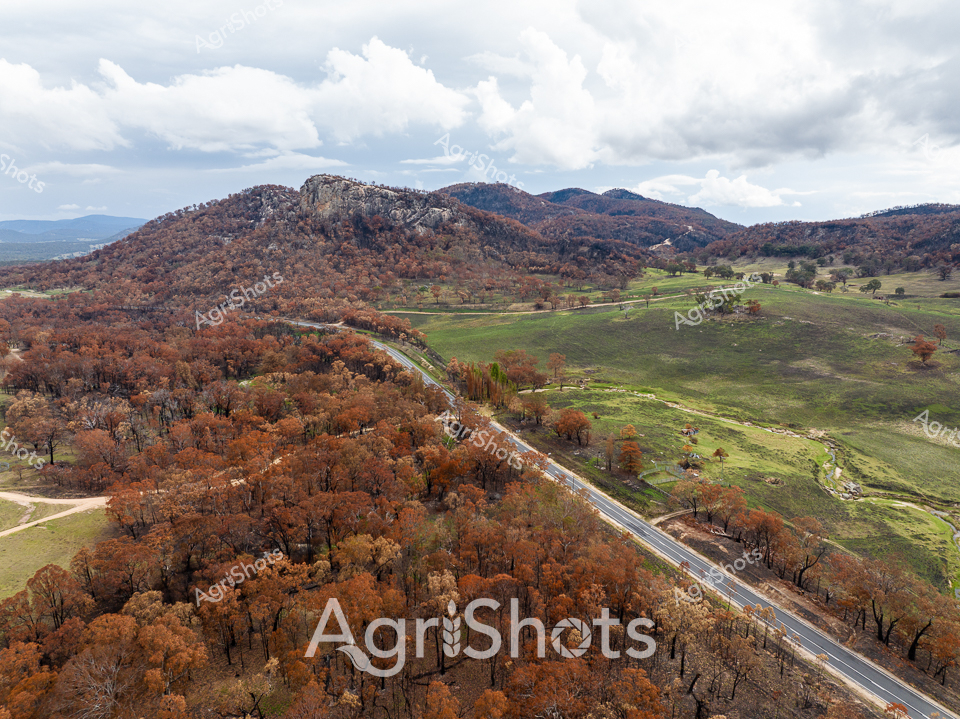
Scorched earth tells a story of resilience in this aerial view of a fire-ravaged landscape in rural New South Wales. Burnt orange and russet trees line a winding highway, their blackened trunks standing sentinel across undulating terrain. Verdant green pastures emerge in stark contrast to the fire-damaged woodland, symbolizing nature's remarkable regenerative power. Rugged mountain ranges frame the horizon, their rocky outcrops punctuating the cloudy sky with stoic persistence. The landscape breathes with a quiet intensity - a testament to the Australian bush's cyclical renewal after devastating bushfires. Soft white clouds drift overhead, offering a sense of hope and healing across this resilient agricultural ecosystem, where life steadily reasserts itself in the wake of destruction.
 Image
Image
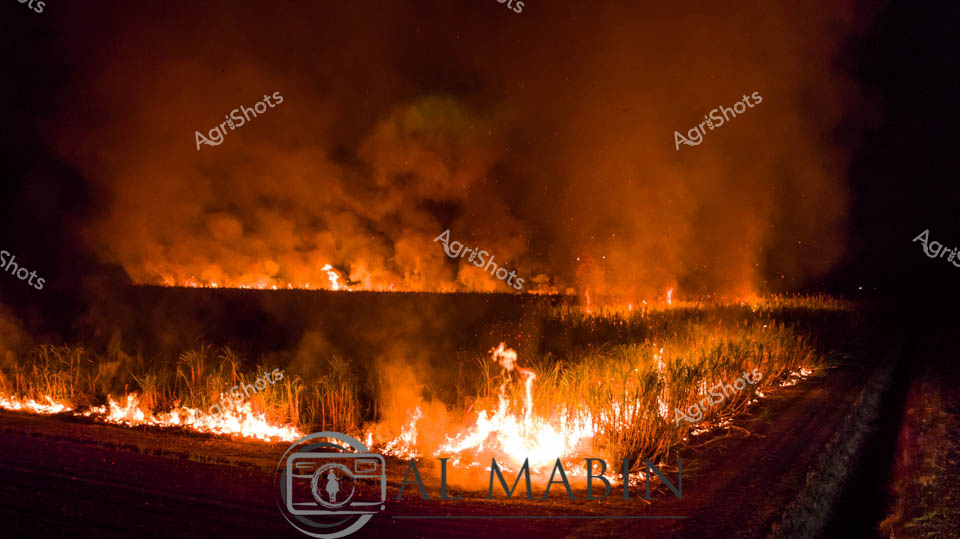
Flames consume the sugarcane fields under the cover of night, illuminating the dark landscape with an intense orange glow. A controlled burn sweeps across the rural paddock, a critical technique in pre-harvest agricultural management in New South Wales. The fire moves methodically through the dry cane stalks, clearing undergrowth and preparing the field for mechanical harvesting. Brilliant flames lick upward, creating dramatic silhouettes against the inky black background, with scattered embers dancing into the smoky atmosphere. This deliberate burning reduces leaf matter, makes cutting easier, and can help manage pest populations, representing a generations-old agricultural practice in Australian sugarcane production. The intense heat and dynamic movement of the fire create a powerful visual testament to the precision and strategic planning inherent in modern agricultural systems.
 Image
Image
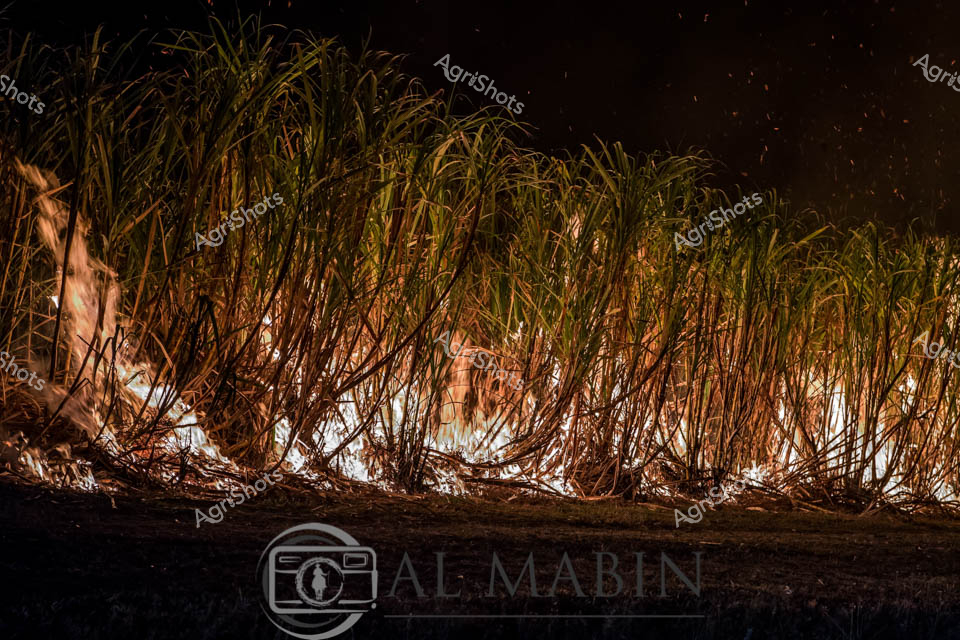
Sugarcane fields ignite in a dramatic nocturnal burn across the dark landscape of rural New South Wales. Flames lick through the dry, golden-green stalks, creating an intense agricultural spectacle of controlled burning during harvest season. The fire traces along the base of the cane rows, burning away excess foliage and preparing the field for cutting, a traditional method of crop management that reduces leaf matter and prepares sugarcane for efficient harvesting. Intense orange and amber flames contrast against the deep black night, highlighting the textured stems and creating a mesmerizing visual of agricultural transformation. This nighttime burn illuminates the agricultural practice with a primal, elemental energy, revealing the intricate relationship between farmers and the land. The controlled fire represents a critical stage in the sugarcane production process, burning away external material to maximize crop value and prepare for the upcoming harvest.
 Image
Image
Dust billows from a scorched earth as a massive controlled burn sweeps across a vast agricultural landscape in rural New South Wales. Thick plumes of smoke rise into a crisp blue sky, consuming the post-harvest wheat stubble in a strategic land management technique. The dirt track alongside the burn reveals the stark terrain - dry, dusty paddocks marked by irrigation channels and sparse vegetation, a testament to the challenging agricultural environment. Flames and smoke create a dramatic curtain across the horizon, transforming the golden agricultural landscape into a theatrical scene of renewal and agricultural practice. This deliberate burning helps clear crop residue, manage pest populations, and prepare fields for the next planting season, showcasing the intricate balance between agricultural productivity and land stewardship. The image captures the raw, elemental power of farming practices that have sustained Australian agricultural communities for generations, where fire becomes a tool of cultivation and regeneration.
 Image
Image
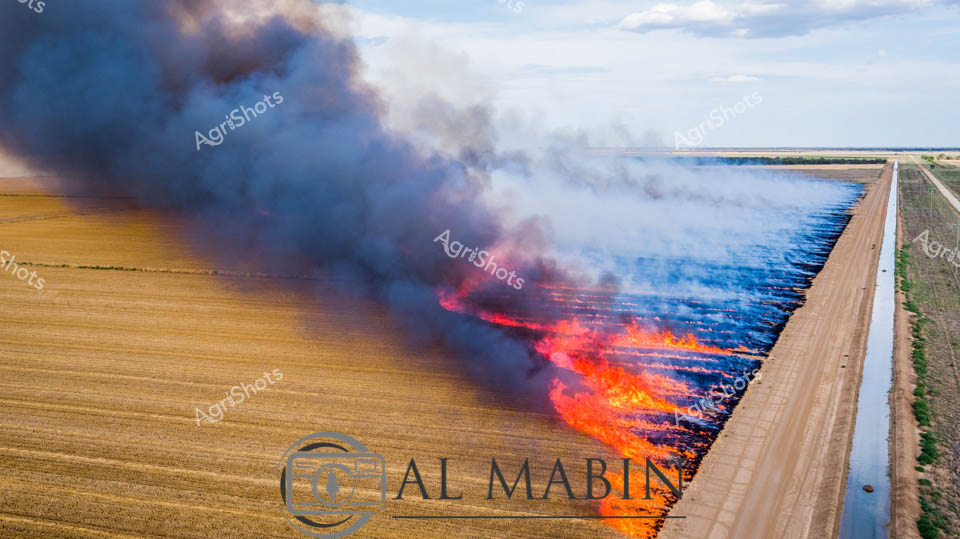
Flames surge across a golden wheat field, tracing a dramatic line along an irrigation channel in rural New South Wales. The controlled burn sweeps from the harvested golden paddock into a scorched blue-black landscape, creating a stunning visual divide of agricultural land management. Smoke billows dramatically skyward, a thick plume of blue-grey rising against the pale morning light, signaling the strategic post-harvest burning technique used by farmers to prepare fields for the next planting season. The precise geometric line of the irrigation channel creates a sharp boundary, highlighting the methodical approach to agricultural land preparation. This aerial perspective captures the raw power of fire as an agricultural tool, revealing the intricate balance between destruction and renewal in broadacre farming. The image embodies the resilience and calculated practices of Australian agricultural workers, who use fire as a means of clearing stubble, managing weeds, and regenerating soil nutrients for future crop cycles.
 Video
Video
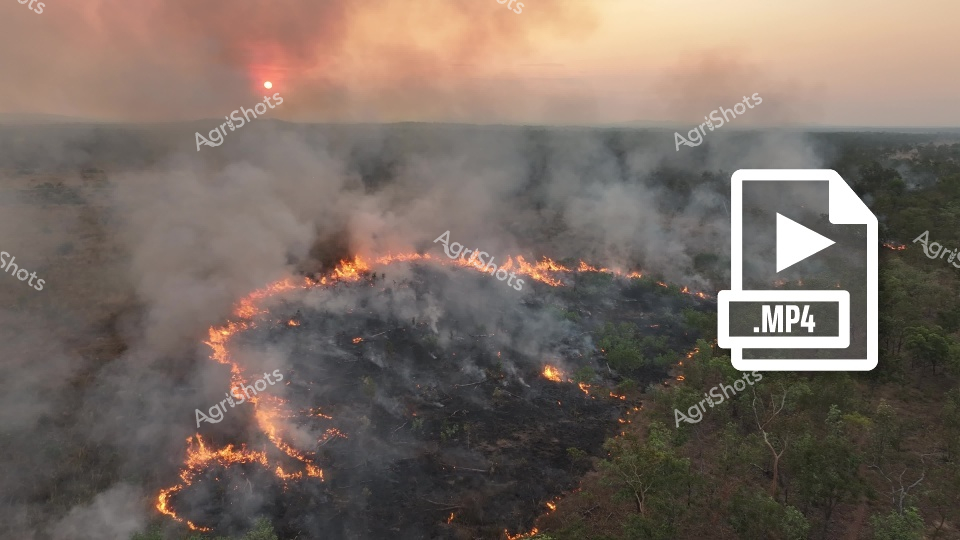
Flames devour the landscape in a controlled burn across the Adelaide River region, a critical agricultural management technique used by Northern Territory farmers during the autumn season. The fire spreads in a deliberate, curving line through dry grasslands and sparse woodland, creating a mesmerizing pattern of bright orange flames and billowing gray smoke against the sunset sky. Burning off helps regenerate soil nutrients, manage invasive species, and reduce potential wildfire risks by carefully clearing underbrush and creating firebreaks in the rugged pastoral terrain. The intense heat creates a dramatic horizon of flickering light and dense smoke, transforming the landscape into a powerful scene of elemental transformation. Wisps of smoke drift across the frame, casting a hazy, amber-toned atmosphere that speaks to the harsh yet strategic agricultural practices of Australia's northern wilderness. This raw video capture encapsulates the dynamic relationship between farmers and the land, showcasing the precision and ecological understanding required to manage vast, challenging agricultural environments.
 Image
Image
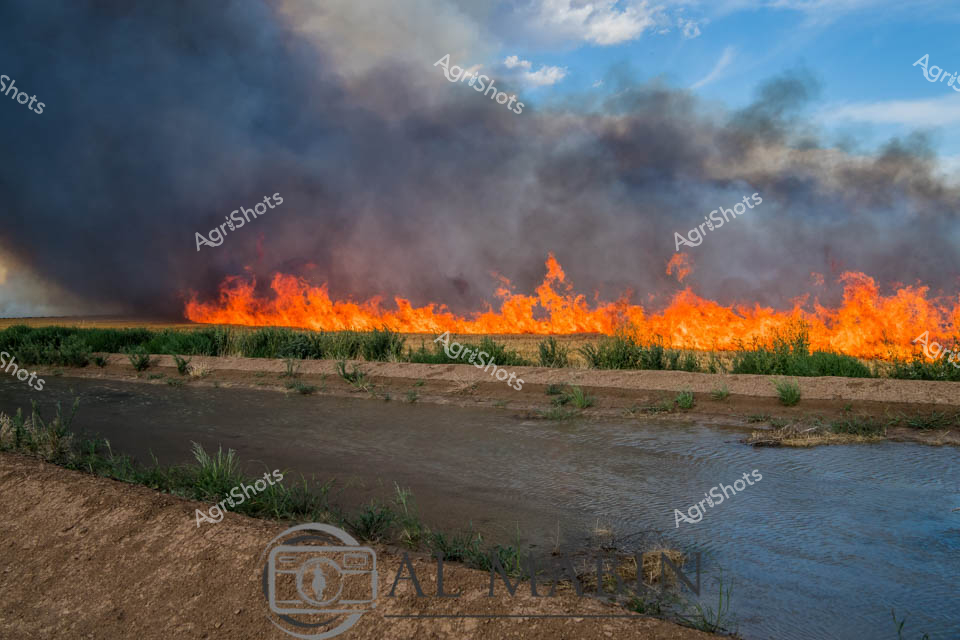
Flames of ochre and crimson surge across an irrigation channel, consuming a wheat field's harvest stubble in a controlled agricultural burn. The fierce orange blaze stretches horizontally across the landscape, creating a dramatic boundary between scorched earth and verdant vegetation. A narrow water channel runs in the foreground, providing a stark contrast of cool blue against the inferno's intense heat, revealing this is likely a strategic field management technique common in New South Wales crop regions. Thick plumes of smoke billow into a expansive blue sky, creating a layered atmospheric effect that speaks to the calculated precision of Australian agricultural practices. The controlled burn serves multiple purposes - clearing crop remnants, managing pest populations, and preparing the land for the next planting season. This powerful image captures the raw, elemental nature of farming, where fire becomes a tool of renewal and agricultural transformation.
 Image
Image
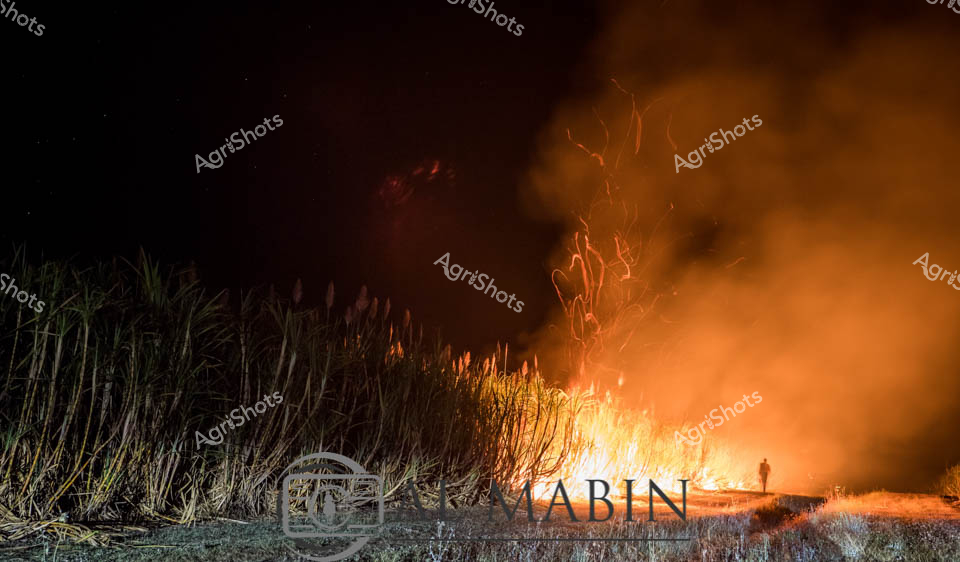
Flames consume the edge of a sugarcane field under the dark night sky, transforming the agricultural landscape into a blazing canvas of orange and gold. Intense fire licks upward, consuming dry cane stalks and creating dramatic spiraling embers that dance against the inky blackness. The controlled burn illuminates the field's edge, a critical technique in Australian sugarcane harvesting that prepares the crop for cutting and helps manage pest populations and field renewal. Sparks and heat radiate across the foreground, casting an intense glow that highlights the textured vegetation and creates a stark contrast between the burning section and the unburned cane stalks. A solitary figure stands in the distance, silhouetted against the inferno, symbolizing the human management of this powerful agricultural process. The night burn represents a generations-old practice in Queensland and New South Wales, where fire plays a strategic role in preparing sugarcane fields for harvest and maintaining crop health.
 Image
Image
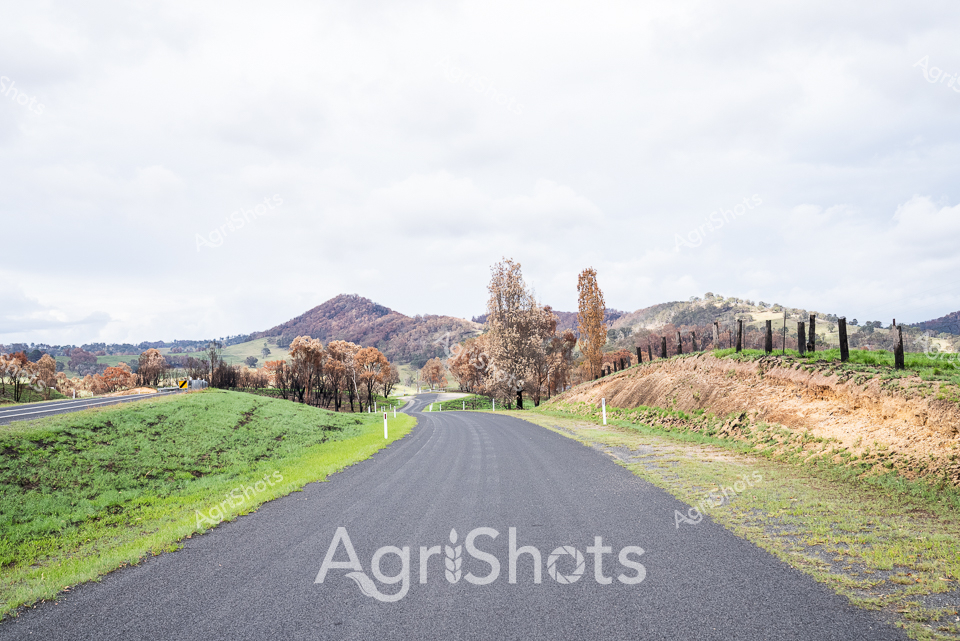
Rural Recovery: Bushfire Aftermath on New England Highway A sweeping rural highway winds through a landscape of resilience and renewal, cutting between scorched eucalyptus woodland and emerging green pastures. Blackened tree trunks stand as silent witnesses to recent bushfire devastation, their charred forms contrasting with fresh grass sprouting across the roadside. Mountains rise softly in the background, their contours softened by a pale, overcast sky typical of late winter or early spring in New South Wales. The asphalt road serves as a lifeline through this recovering terrain, its smooth gray surface representing infrastructure's endurance and community strength in the face of natural disaster. Subtle signs of environmental regeneration emerge - patches of vibrant green grass, new shoots pushing through burnt earth, and trees beginning to reshoot from blackened branches. This image captures the quintessential Australian rural landscape's remarkable capacity for renewal, documenting the aftermath of fire with a sense of quiet hope and natural resilience.
 Image
Image
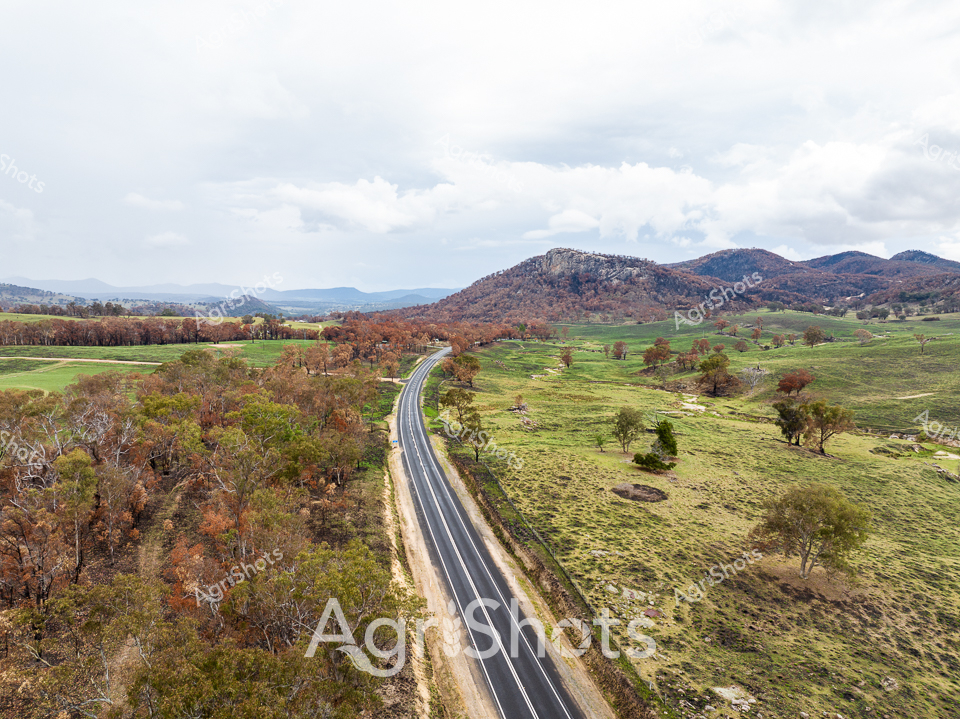
Autumn's Resilience: Rural New South Wales Landscape A weathered highway slices through the heart of a recovering bushland landscape, revealing nature's remarkable regenerative power after fire. Charred eucalyptus trees stand alongside vibrant green pastures, creating a compelling tableau of ecological renewal. Rolling hills and distant mountain ranges frame the scene, showcasing the rugged terrain of rural New South Wales with its undulating grasslands and scattered woodland. The road, pristine and freshly laid, represents infrastructure recovery and human resilience, contrasting dramatically with the fire-affected vegetation on the left side of the frame. Soft grey clouds drift across a pale sky, suggesting a calm aftermath and hinting at the landscape's gradual healing process. This image captures the raw beauty of Australian rural landscapes - a testament to the enduring spirit of the land and its capacity to regenerate after devastating environmental challenges.
 Image
Image
Rural Regeneration after Bushfire Devastation Scorched earth meets tentative renewal along a quiet country road, revealing the resilient heart of the Australian landscape. Blackened tree trunks and charred hillsides bear witness to a recent catastrophic bushfire, their russet and burnt orange hues telling a story of destruction and hope. Green shoots of new grass punctuate the damaged ground, pushing through ash-dark soil in a powerful testament to nature's regenerative strength. Rocky outcrops frame the landscape, standing sentinel over the slowly recovering terrain, while a smooth bitumen road offers a stark contrast to the rugged, healing ecosystem. The muted grey sky suggests the aftermath of trauma, yet the emerging green hints at the remarkable resilience of this Australian bushland environment. This image captures a moment of transformation - where devastation gives way to rebirth, and the landscape begins its patient process of healing and renewal.
 Image
Image
Blackened forests rise from the scarred landscape, revealing nature's resilience in the aftermath of devastating bushfires. Russet and charcoal-toned trees blanket the rugged mountain slopes, their skeletal forms standing as silent witnesses to the recent inferno that swept through this New South Wales rural terrain. A winding bitumen road cuts through the burned woodland, creating a stark contrast between the devastated forest and the emerging green pastures in the distance. Rocky mountain outcrops frame the horizon, while wispy clouds drift across a pale sky, suggesting the early stages of environmental regeneration. The landscape tells a powerful story of destruction and hope, with the burnt trees showing the first signs of renewal - delicate green shoots and new growth already beginning to emerge from the charred earth. This aerial perspective captures the raw beauty of Australian bushland's incredible capacity to heal and restart, a testament to the enduring spirit of the continent's unique ecosystem.
 Video
Video
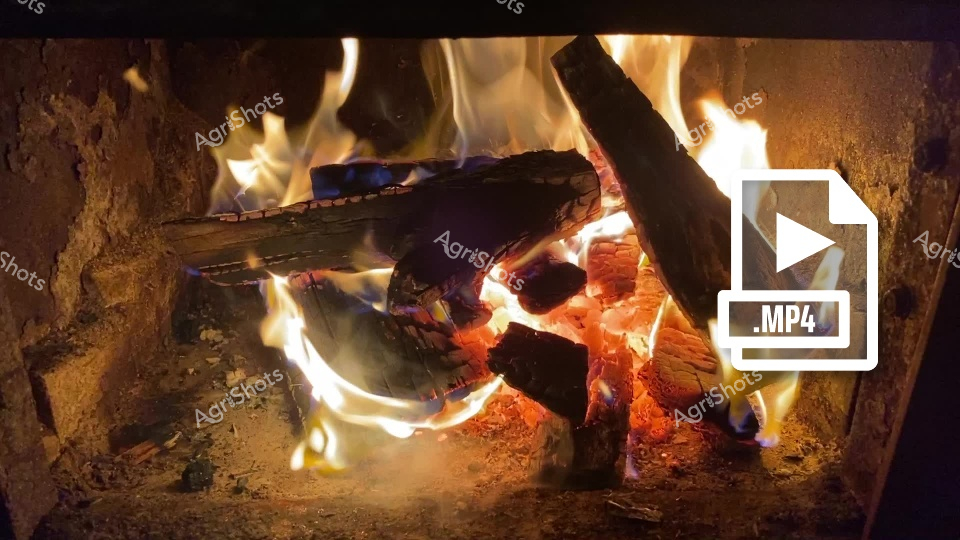
Flames dance across seasoned hardwood logs, casting a warm, primal glow within a rustic stone fireplace. Glowing embers pulse beneath the burning timber, creating a mesmerizing tapestry of orange and crimson against the rough-hewn stone backdrop. The fire crackles and shifts, revealing deep charcoal-black wood transforming into brilliant amber and white-hot centers. Intense heat radiates from the carefully stacked logs, representing the timeless rural tradition of wood heating so essential to Australian farmhouse comfort during cold country nights. Each burning log tells a story of harvested timber, likely sourced from local woodlots or pastoral property windbreaks, symbolizing the sustainable resource management integral to agricultural life. The MP4 video icon suggests this is a living, breathing moment captured from the heart of a farmhouse, where fire provides not just warmth, but a connection to generations of rural resilience.
 Image
Image
Flames consume a vast sugarcane field under the cover of darkness, transforming the night landscape into a mesmerizing tapestry of orange and black. Intense fire lines race horizontally across the field, consuming the dry cane stalks with relentless fury, creating towering flames that illuminate the surrounding darkness. The controlled burn—a critical agricultural practice in sugarcane harvesting—prepares the field for cutting by clearing away leaves and undergrowth, making harvesting more efficient and reducing pest populations. Burning also concentrates the sugar content in the cane, improving overall crop quality before mechanical harvesting begins. The dramatic scene captures the raw power of agricultural land management, where fire becomes a precise tool in the complex process of sugarcane production. Silhouetted against the blazing field, the night sky becomes a canvas of smoke and flame, revealing the intense transformation occurring in this quintessential Australian agricultural landscape.
 Image
Image
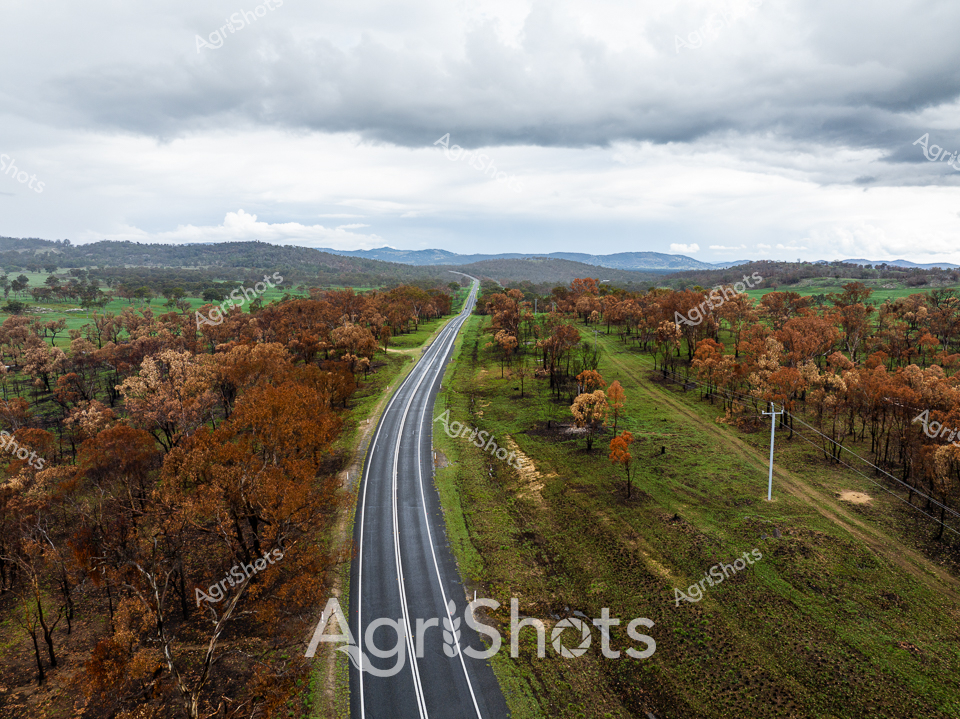
A haunting landscape of bushfire recovery unfolds across the undulating terrain of rural New South Wales. A pristine asphalt highway slices through a woodland scarred by recent fire, with charred trees standing in stark contrast to vibrant green grass emerging from the blackened earth. The muted grey sky hangs low, casting a subdued light over the regenerating landscape, highlighting nature's remarkable resilience in the aftermath of devastating bushfires. Orange and russet-toned tree trunks line the roadway, their burnt branches reaching skyward like silent sentinels of renewal, while fresh green grass carpets the ground - a powerful symbol of hope and regeneration. Power lines trace the road's edge, connecting this remote landscape to distant communities, while rolling hills and mountain ranges fade into the misty background. This aerial perspective captures the profound cycle of destruction and rebirth that defines Australia's challenging bushland ecosystems, revealing the extraordinary capacity of the landscape to heal and transform.
 Image
Image
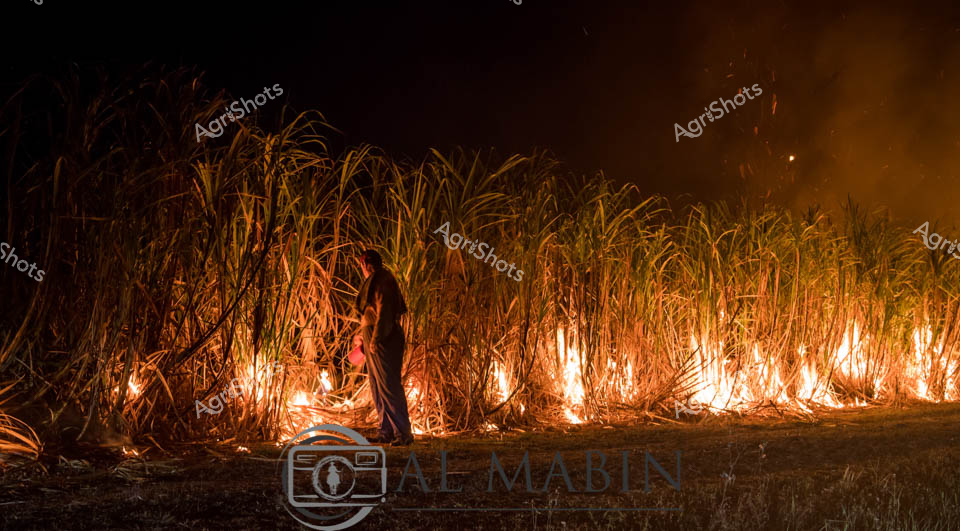
Scorching flames dance along the edges of towering sugarcane stalks under the inky black night sky, illuminating a solitary figure standing amid the controlled burn. Dressed in dark protective clothing, the agricultural worker guides the deliberate fire that will clear the field before harvest, a traditional agricultural practice in the sugarcane regions of New South Wales. Golden-amber flames lick through the dense green and yellowing cane, creating a mesmerizing wall of light that transforms the landscape into a luminous tableau of agricultural methodology. Embers float upward like fireflies, casting an ethereal glow across the field and silhouetting the worker who manages this precise agricultural technique essential to sugarcane preparation. The controlled burn removes leaf matter, prepares the ground for cutting, and reduces the volume of material transported to the mill, representing generations of farming wisdom passed down through Queensland and Northern NSW cane regions. This dramatic nocturnal scene captures the raw intersection of human agricultural intervention and the elemental power of fire, a critical moment in the sugarcane harvest cycle.
 Image
Image
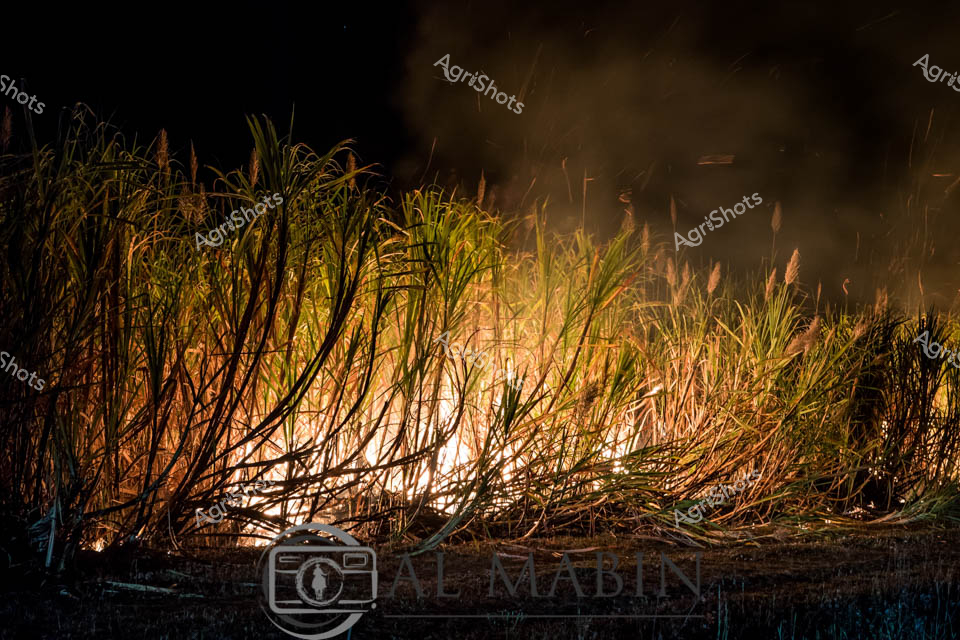
Flames lick through dense sugarcane fields under the cover of darkness, illuminating the golden-green stalks with an intense amber glow. The controlled burn transforms the landscape, casting dramatic shadows and creating a fiery tableau that is integral to the sugarcane harvesting process in rural New South Wales. Charred and blackening cane stems bend and twist in the intense heat, while unburned grass and leaves retain their verdant color at the edges of the burning zone. This nocturnal agricultural ritual prepares the fields for harvest, burning away excess foliage and facilitating easier cutting of the sugar-rich cane. The fire creates a mesmerizing interplay of light and shadow, with burning embers floating upward and the intense heat creating a shimmering atmosphere around the vegetation. Such controlled burns are a critical technique in Australian sugarcane farming, helping to clear fields, reduce pest populations, and enhance crop productivity in a landscape where fire has long been a natural and managed ecological process.
 Image
Image
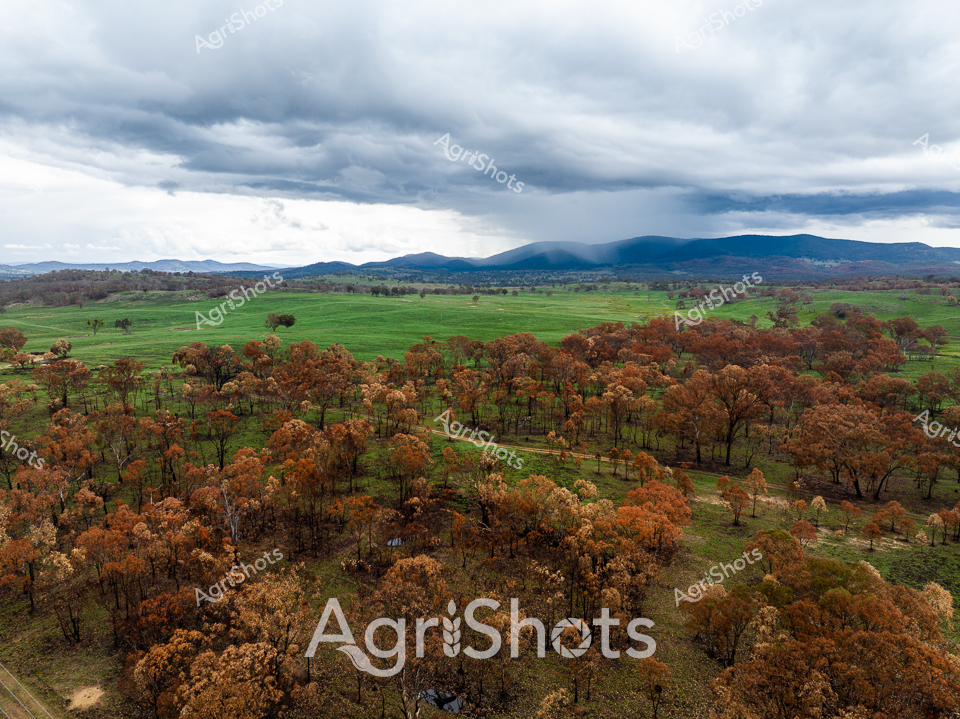
Autumn's resilience sweeps across a fire-scarred landscape in rural New South Wales, where burnt eucalyptus woodland stands sentinel against verdant pastures and distant misty mountains. Charred orange and russet trees punctuate the green grasslands, revealing nature's extraordinary power of regeneration after devastating bushfire damage. Moody steel-grey clouds hover above the undulating terrain, suggesting imminent rain that will nurture new growth and wash clean the scorched earth. The intricate patchwork of burnt woodland and emerging green grass creates a powerful narrative of ecological renewal, capturing the raw beauty of Australian agricultural landscapes in recovery. Subtle gradations of color - from deep burnt umber to vibrant spring green - demonstrate the remarkable resilience of the native ecosystem, with scattered trees offering silent testimony to the landscape's capacity to heal and transform. This panoramic vista embodies the spirit of rural Australian environments: tough, adaptive, and perpetually renewing themselves in the face of challenging conditions.
 Image
Image
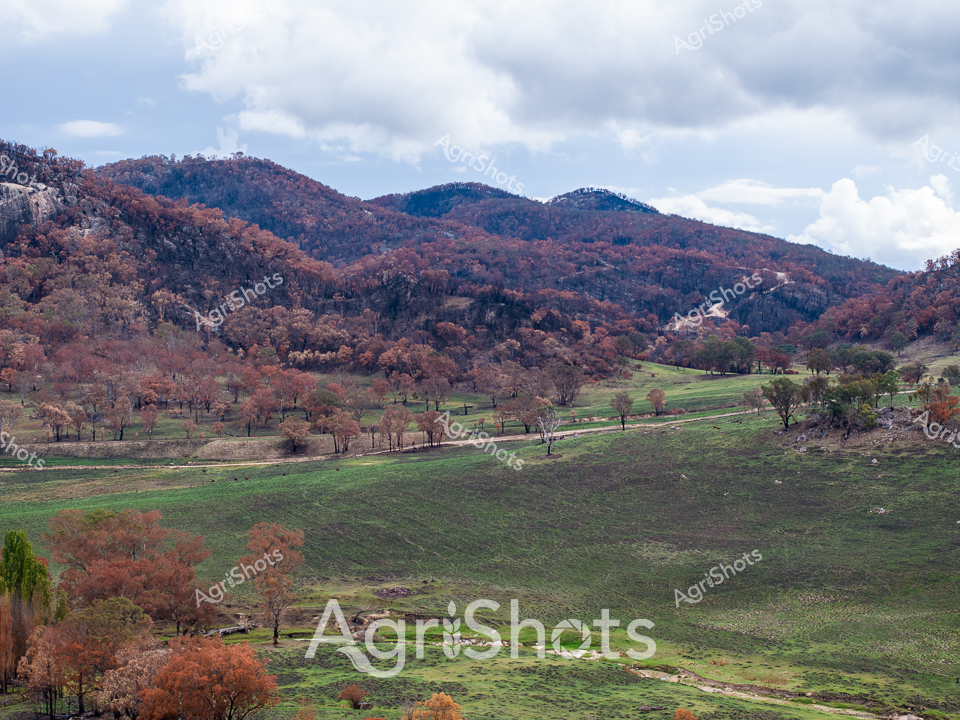
Autumn's resilience blooms across a fire-scarred landscape in the rugged highlands of New South Wales. Charred eucalyptus trees stand sentinel amid emerging green pastures, their burnt sienna and russet branches telling a story of survival and renewal. Rolling mountainsides display a patchwork of scorched earth and verdant grasslands, revealing nature's remarkable capacity for regeneration after devastating bushfires. Sparse trees dot the undulating terrain, their skeletal forms a testament to the recent ecological trauma, while fresh grass shoots push through the blackened ground, signaling hope and recovery. Soft cloud formations drift across a pale blue sky, casting gentle shadows on the landscape and highlighting the subtle textures of regenerating woodland and grassland. This powerful scene captures the raw beauty of Australian rural resilience - a landscape healing itself, demonstrating the profound cycles of destruction and rebirth that define the continent's ecological rhythms.
 Video
Video
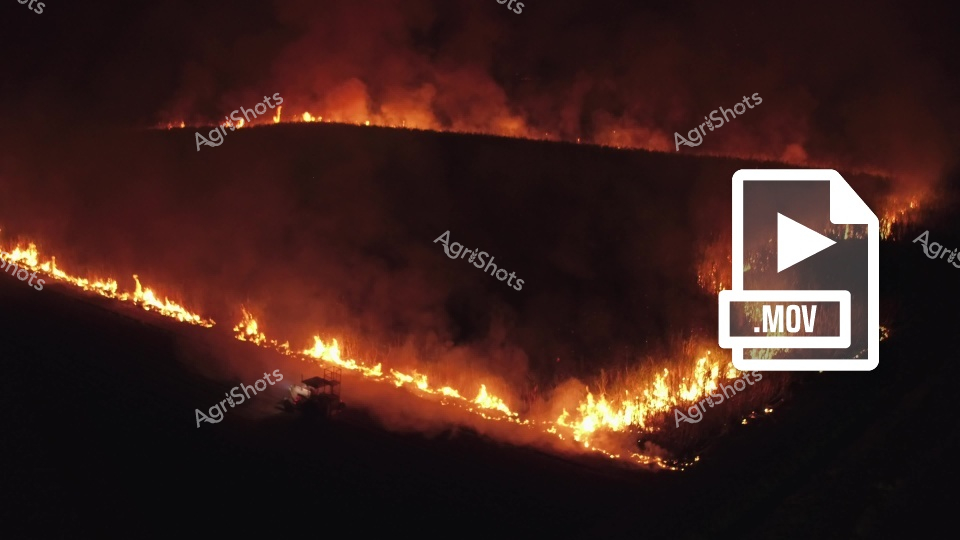
In this dramatic scene of agricultural resilience, an intense controlled burn takes place on a vast field, surrounded by smoky dark skies that hint at the battle against encroaching drought conditions. Flickering flames dance along the edges of a neatly maintained crop, illuminating the rich, earthy tones of the soil that lie beneath. The vibrant golds and reds of the fire contrast starkly against the deep greens of the crops, creating a striking visual of nature's duality—destruction and renewal. A silhouette of a tractor can be seen maneuvering through the flames, its sturdy build and robust tires designed to withstand the challenging environment. This brave act of land management signifies an essential farming practice, vital for preparing the soil for future growth. Smoke swirls into the air with a haunting beauty, hinting at both urgency and controlled power, evoking a mood of both tension and necessary resilience in the face of environmental challenges. The scene is underscored by the faint outlines of distant hills, offering a tranquil backdrop to the chaos, while the setting sun casts an ethereal glow, hinting at hope amid the fierce elements of nature.
 Image
Image
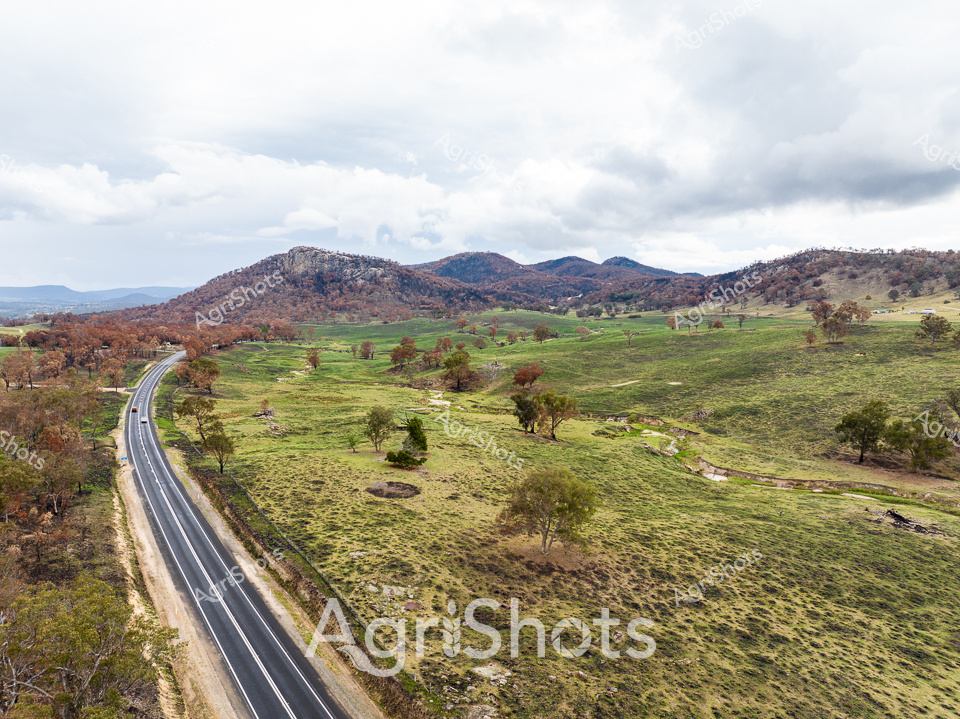
Sweeping mountain ranges and rolling pastoral landscapes unfold across New South Wales in this powerful regeneration narrative. A pristine sealed highway curves through verdant grasslands, bisecting a recovering ecosystem displaying nature's remarkable resilience after bushfire trauma. Scattered eucalyptus trees, some bearing fire-blackened scars, punctuate the emerald and ochre grasslands, standing as silent sentinels of survival. Distant mountains rise in muted blue-grey tones, their rugged profiles softened by drifting cloud cover, creating a contemplative backdrop to the renewal below. The scene captures the quintessential Australian rural landscape - simultaneously fragile and robust, showing remarkable regenerative capacity after environmental challenge. Soft green undergrowth emerges between weathered trees, signaling hope and the extraordinary capacity of native ecosystems to heal and rebuild after devastating fire events.
 Image
Image
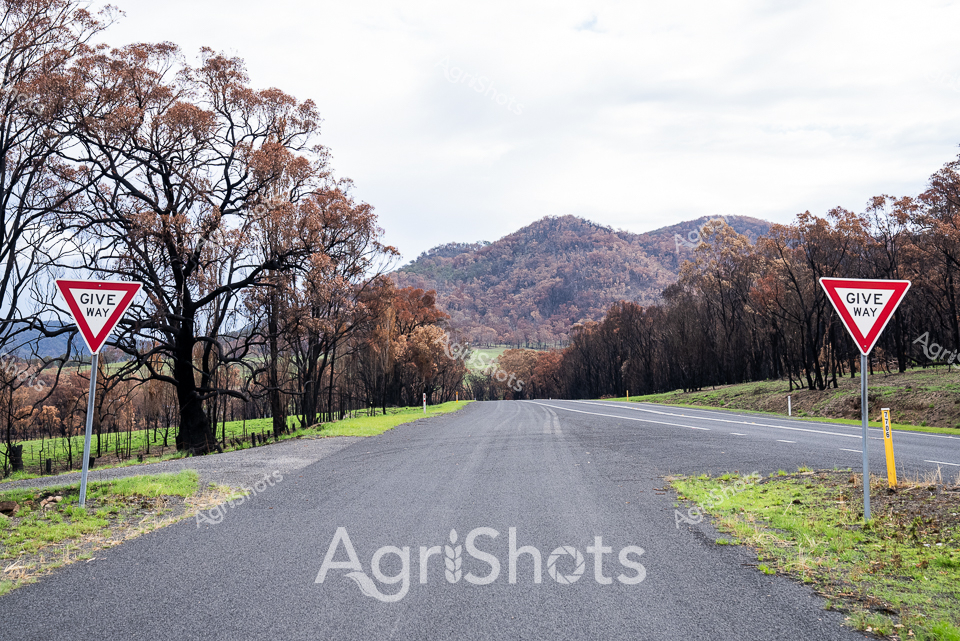
A stark testament to Australian resilience, this rural highway winds through a landscape scarred by bushfire, revealing the profound regenerative power of the land. Charred eucalyptus trees stand sentinel along the roadside, their blackened silhouettes contrasting with vibrant emerald grass sprouting from the fire-cleared ground. Two red-and-white "Give Way" signs punctuate the scene, symbolizing both road safety and nature's own pause and renewal. In the distance, mountains rise with a patchwork of burnt umber and hints of recovering greenery, showcasing the nuanced recovery process after catastrophic fire events. The asphalt road stretches forward, clean and clear, representing infrastructure's endurance and community's commitment to rebuilding. This image captures a quintessential Australian narrative of landscape transformation - where destruction creates space for new growth, and the agricultural spirit remains unbroken despite environmental challenges.
 Video
Video
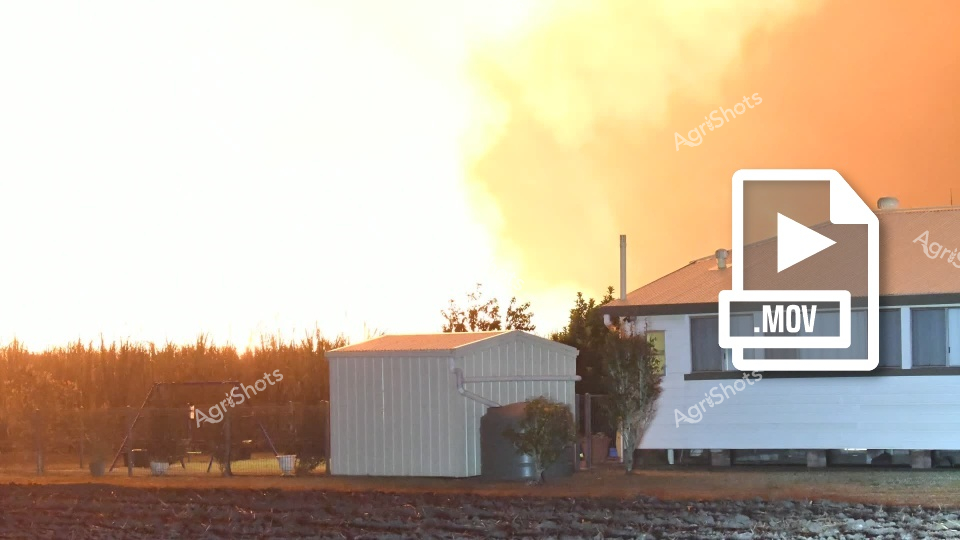
A striking rural scene envelops the viewer as a vivid orange glow illuminates the sky, indicating a dramatic sunset over the agricultural landscape. The spectral light dances against the silhouetted outlines of a modest farmhouse and its outbuildings, evoking a sense of serenity mixed with the raw power of nature. Wispy smoke trails blend with the fiery hues, suggesting a recent agricultural burn-off, a common practice in the region designed to manage crop residues and promote soil health. The house features light-colored siding, contrasting the darkening surroundings, while a nearby shed stands resilient against the sprawling fields, which are alive with earthy textures and muted tones of brown and green. At the heart of this scene, the air is infused with the scent of scorched earth, mingled with the subtle promise of regeneration. The overall mood encapsulates a duality of destruction and rebirth, as nature's cycle unfolds against a breathtaking sky, hinting at the resilience of the rural community. The contrasting colors invite reflection on the beauty of the land’s transition, wrapped in the embrace of the season's change.
 Image
Image
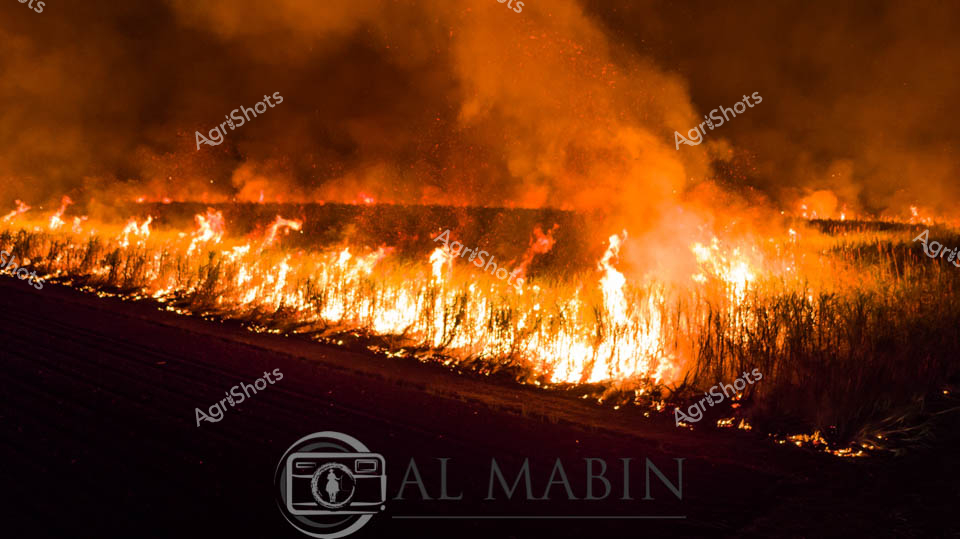
Scorching flames surge across a vast sugarcane field, illuminating the night with an intense orange and amber glow. The controlled burn sweeps methodically along the agricultural landscape, a critical preparation technique for harvesting in the New South Wales cane farming region. Tall dry cane stalks ignite in a dramatic line of fire, creating a mesmerizing wall of flames that reaches skyward, casting dramatic shadows and generating immense heat against the dark background. This traditional agricultural practice helps clear unwanted vegetation, eliminate pests, and prepare fields for efficient mechanical harvesting, representing generations of farming wisdom passed through Queensland and NSW sugarcane communities. The precision of the burn line demonstrates the skill of local farmers who carefully manage these fires to maximize crop productivity while minimizing environmental impact. Captured under the cover of darkness, the image reveals the raw, elemental power of agricultural land management techniques that have sustained Australian rural economies for decades.
 Image
Image
Scarred yet resilient, this sweeping landscape captures the profound aftermath of bushfire across the undulating terrain of regional New South Wales. A long highway stretches through burnt eucalyptus woodland on the left, contrasting dramatically with verdant grasslands on the right, revealing nature's remarkable regenerative power. Charred tree trunks in russet and grey stand alongside emerging green shoots, symbolizing the cycle of renewal that defines Australia's complex bushland ecosystems. Rocky mountain ranges frame the distant horizon, their weathered silhouettes providing a timeless backdrop to this scene of ecological resilience. A solitary vehicle traverses the highway, a subtle reminder of human presence amid the vast, transforming landscape. The soft clouded sky suggests early autumn, with muted light illuminating the nuanced palette of recovery - burnt ochres blending with fresh green pastures, demonstrating the extraordinary capacity of Australian landscapes to heal and transform after fire.
 Video
Video
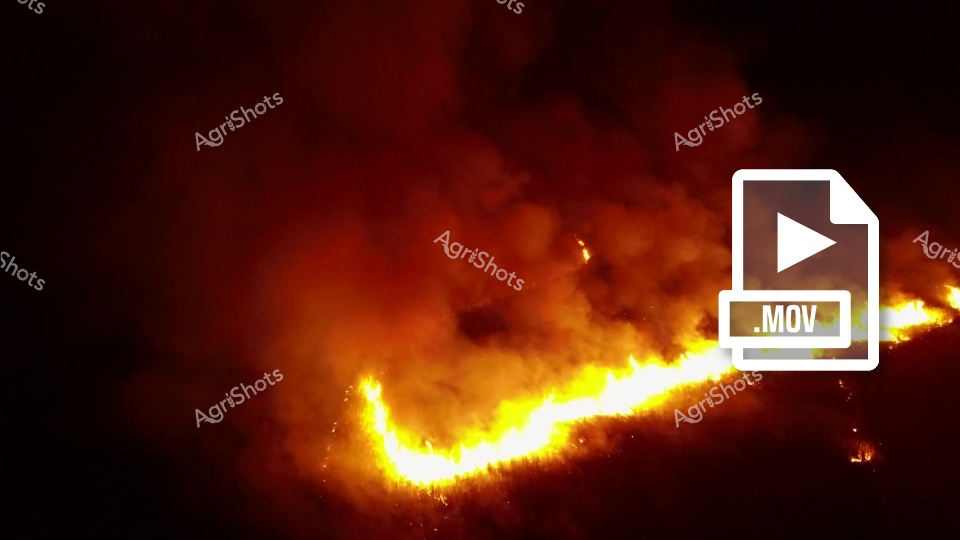
Fierce flames dance across a rugged landscape, casting a dramatic orange glow against the night sky as a wildfire sweeps through parched Australian bushland. Thick plumes of smoke rise into the air, creating a striking contrast with the flickering fire, as embers scatter in the shifting winds. The terrain, marked by charred trees and scorched earth, highlights the devastating impact of drought on this once-thriving ecosystem. Glowing lines of fire carve a fiery path, illustrating the rapid advance of the blaze, while the shadows of remaining vegetation loom ominously in the background. The heat emanating from the inferno is palpable, creating an atmosphere of urgency and destruction, capturing the relentless nature of this environmental disaster. This powerful scene serves as a stark reminder of the challenges faced by rural communities in maintaining the land amidst increasing climate threats and the importance of resilience in the face of adversity.
 Video
Video
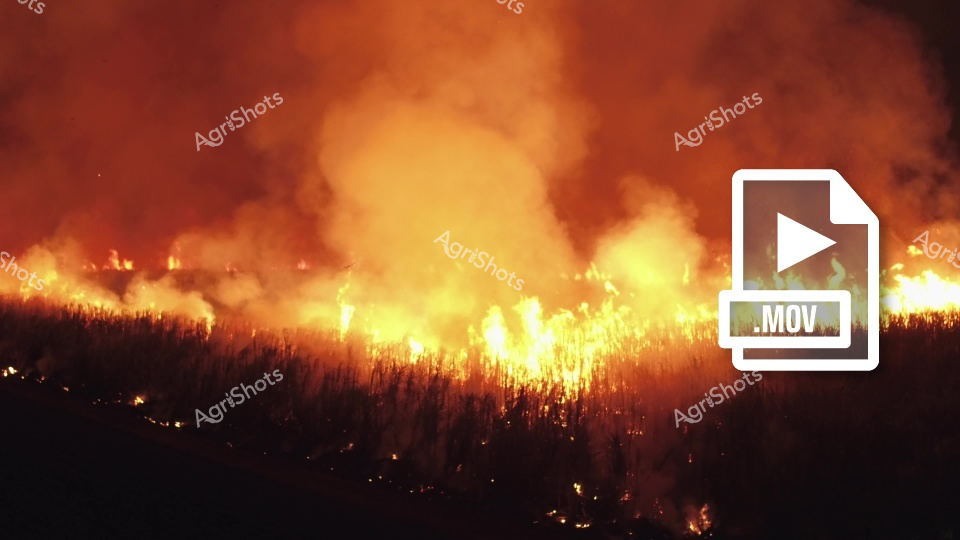
A dramatic scene unfolds as fierce flames engulf the dry, parched landscape, illuminating the night sky with a fiery glow. Deep shades of orange and yellow dance against a stark black backdrop, highlighting the intense heat of a controlled burn aimed at rejuvenating the land. The fire crackles and roars, sending plumes of smoke swirling upwards, a testament to the raw power of nature intertwined with agricultural practices. In this landscape, charred grass and blackened earth contrast with the vibrant flames, painting a striking picture of resilience amid adversity. This specific location, likely in a rural region of Australia, showcases the seasonal strategy farmers employ to manage their fields and promote new growth. The atmosphere is charged with a sense of urgency and protection, as fire crews monitor the burn, ensuring safety while working closely with the land. Bright orange and red embers flicker against the night sky, creating a mesmerizing visual display, while the warm, earthy aroma of smoke and scorched vegetation pervades the air, amplifying the sensory experience of this critical agricultural technique. As the fire rages on, it symbolizes both destruction and renewal, essential in the cycle of farming life.
 Image
Image
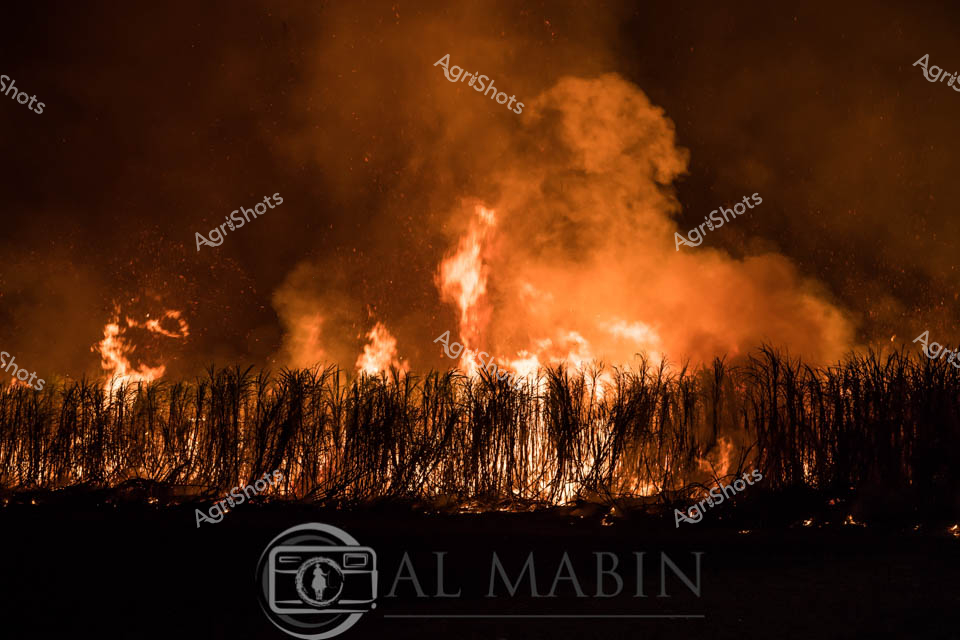
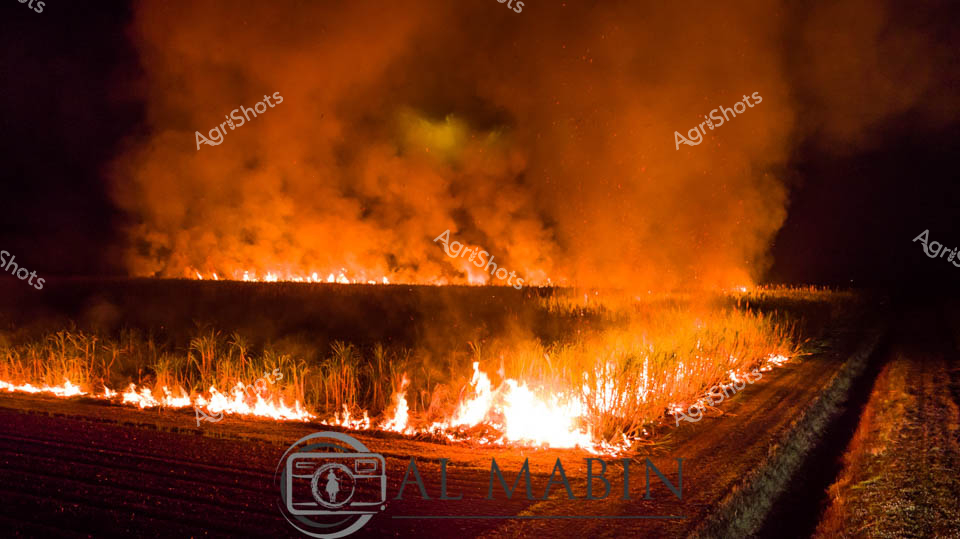
Fierce flames engulf a sugarcane field under the dark night sky, illuminating the landscape with an intense orange and amber glow. Towering stalks of burnt sugarcane stand blackened and charred, their silhouettes stark against the raging inferno that sweeps across the agricultural terrain. Pre-harvest burning, a traditional agricultural practice in New South Wales, clears fields of excess leaf matter, prepares the crop for cutting, and helps control pests and weeds. The controlled burn creates a dramatic visual spectacle, with multiple fire zones generating massive plumes of smoke that billow dramatically into the night atmosphere. Sparks and embers dance upward, creating a mesmerizing display of destructive yet purposeful agricultural management. This image captures the raw power of fire as a critical tool in the sugarcane production process, highlighting the intense and strategic methods used by farmers to prepare their fields for harvest in the rich agricultural landscapes of regional Australia.
 Image
Image
Flames lick across the night-dark landscape, transforming sugarcane fields into a blazing canvas of orange and yellow. Controlled burning illuminates the agricultural terrain, a critical stage of the pre-harvest ritual in New South Wales' sugarcane regions. Precise lines of fire consume dry vegetation, clearing fields and preparing for mechanical harvesting while naturally managing crop residue and pest populations. The intense heat radiates outward, casting dramatic shadows along carefully demarcated field boundaries and drainage channels. Smoke billows skyward, creating a primal tableau that speaks to generations of agricultural practice and the rhythmic renewal of the land. This striking nocturnal scene captures the raw, elemental process of agricultural management, where fire becomes a strategic tool in the complex choreography of crop production.
 Image
Image
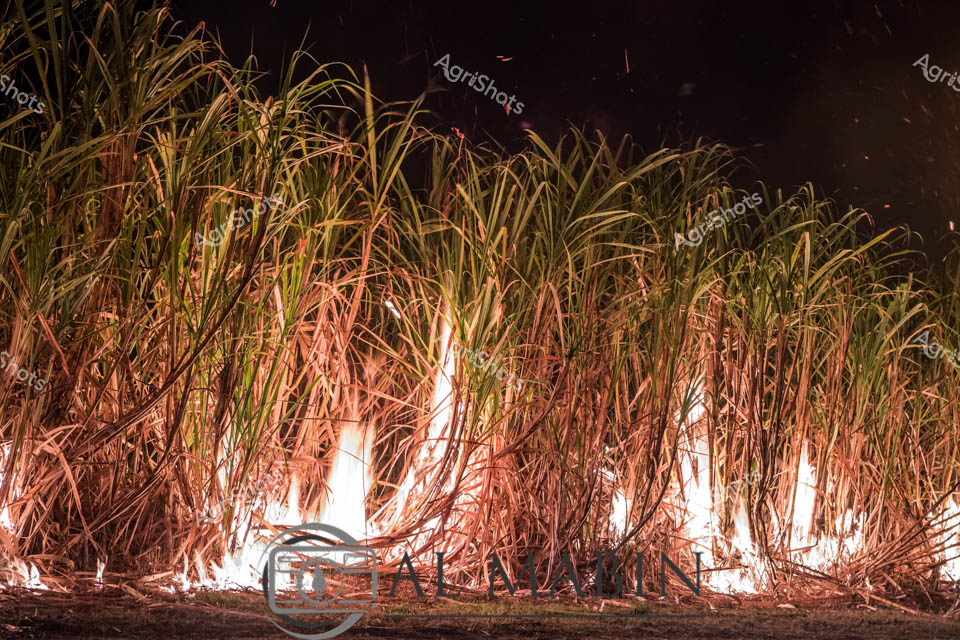
Sugarcane burns under the dark night sky, flames licking through dense green and reddish-brown stalks in a dramatic agricultural ritual. Harvesting preparations transform the agricultural landscape as controlled fire sweeps through the tall cane fields, clearing dried leaves and preparing the crop for cutting. Intense orange and white flames illuminate the thick grass-like vegetation from below, creating a mesmerizing interplay of light and shadow across the field. The burn method is a traditional technique used by Australian sugarcane farmers to reduce leaf matter, improve harvest efficiency, and reset the field for the next growing cycle. Sparks and embers dance upward, punctuating the darkness and highlighting the textural complexity of the sugarcane plantation. This nocturnal scene captures the raw, elemental process of agricultural land management in regional New South Wales, where fire becomes a critical tool in sustainable crop preparation.
 Image
Image
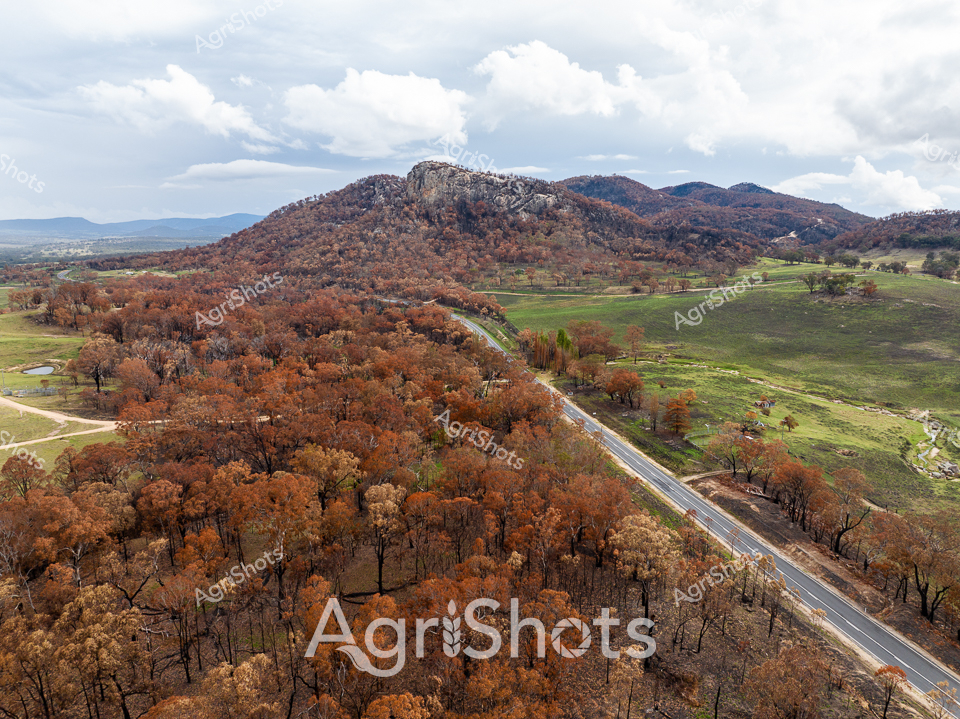
Bushfire aftermath stretches across the rugged landscape of New South Wales, revealing nature's resilience and regenerative power. A winding highway cuts through a forest of burnt orange and copper-hued trees, their skeletal branches standing as silent witnesses to recent devastation. Rolling green pastures contrast sharply with the scorched woodland, highlighting the boundary between destruction and renewal. Distant mountain ranges frame the horizon, their blue-grey silhouettes providing a backdrop of enduring stability to the transformative scene. Young green shoots emerging from the charred earth signal the beginning of ecological recovery, a testament to the Australian landscape's remarkable ability to heal and restart. The soft clouded sky and expansive terrain capture the vast, stoic spirit of rural NSW - a landscape that absorbs trauma and continues to breathe with quiet determination.
 Image
Image
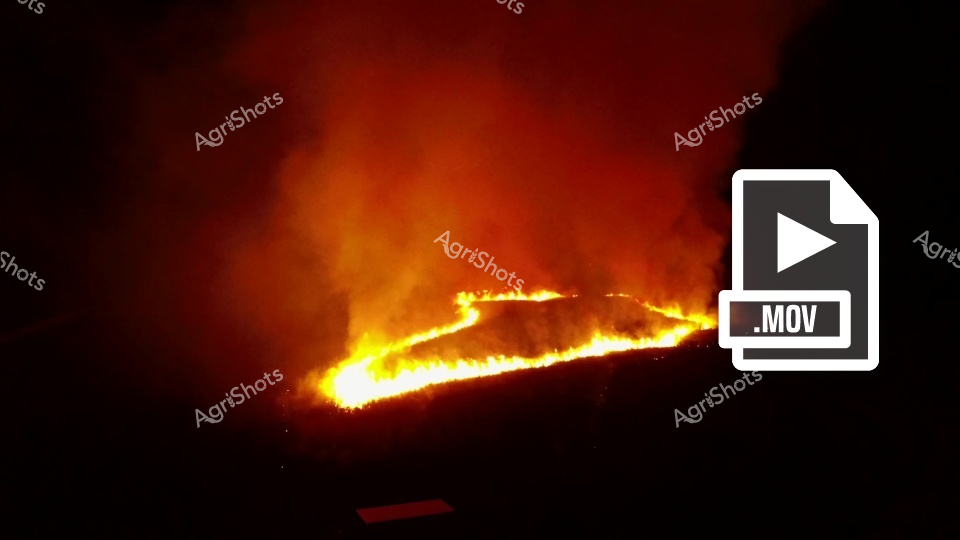
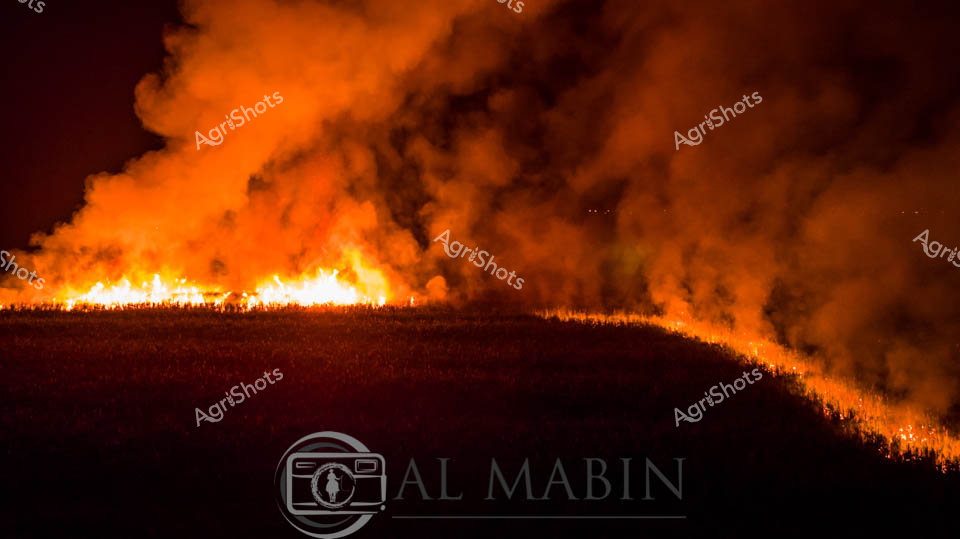
Flames consume the dry grasslands in a sweeping arc of brilliant orange and deep crimson, illuminating the nocturnal landscape with an intense, primal energy. This controlled burn across the agricultural terrain represents a critical agricultural practice in sugarcane cultivation, where strategic fire management prepares fields for harvest and regeneration. The fire traces dramatic lines across the undulating landscape, creating a mesmerizing pattern of active combustion that reveals the topography in stark relief against the dark background. Intense heat radiates from the deliberate flames, which consume dry vegetation with systematic precision, a time-honored technique used by farmers in New South Wales to clear fields, manage crop residue, and stimulate new growth. The night sky serves as a dramatic backdrop, emphasizing the raw power and calculated intention behind this agricultural intervention. Captured with expert timing, the image reveals the transformative moment when traditional land management techniques merge with the elemental force of fire, showcasing the intricate relationship between agricultural practice and natural processes.
 Image
Image
Sugarcane fields ablaze under the cover of darkness, a primal agricultural ritual unfolds across the undulating landscape. Intense orange flames surge through the dry cane stalks, consuming the field in a sweeping inferno that illuminates the night sky with fierce, consuming energy. The controlled burn transforms the agricultural terrain, preparing the ground for harvest and clearing excess vegetation in a time-honored practice of Australian cane farming. Thick plumes of smoke billow and twist against the black backdrop, creating a dramatic tableau of agricultural transformation that speaks to generations of farming technique in regions like New South Wales. The fire's leading edge races across the sloping ground, creating a dynamic line of destruction and renewal, where old growth gives way to future productivity. This powerful image captures the raw, elemental process of sugarcane field management - a complex dance of fire, land, and agricultural strategy that has shaped rural Australian farming practices for decades.
Well, you've ploughed through the whole field!
No more crops to harvest here, mate.
Try searching for something else in our library of 50,000+ royalty-free media: