 Image
Image
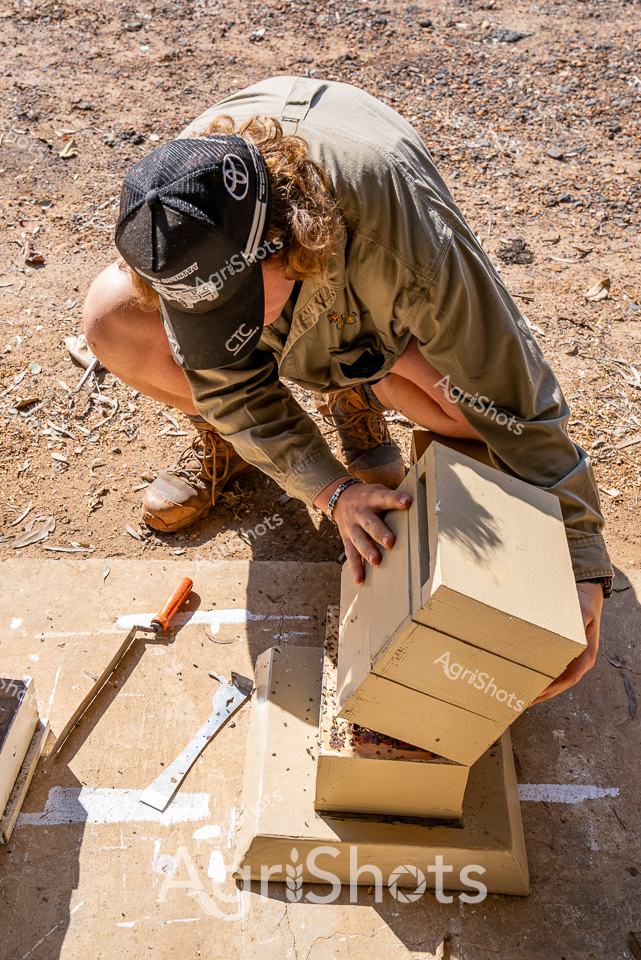
In the sun-baked terrain of Queensland's Lockyer Valley, a focused worker bends intently over stacked cardboard boxes, preparing equipment for native bee management. Wearing a khaki work shirt and a distinctive black cap, the individual carefully handles the containers on a dry, rocky ground scattered with small stones and debris. Precision tools—a ruler and another measuring implement—lie nearby, suggesting a methodical approach to apiary work. The harsh winter sunlight casts sharp shadows across the scene, highlighting the textural contrasts between the worker's rugged clothing, the sandy ground, and the clean lines of the storage boxes. This image captures the meticulous behind-the-scenes labor of Australian bee husbandry, where careful handling and preparation are critical to maintaining healthy native bee colonies. The scene embodies the quiet dedication of agricultural workers who play a vital role in supporting local ecosystems and agricultural productivity.
 Image
Image
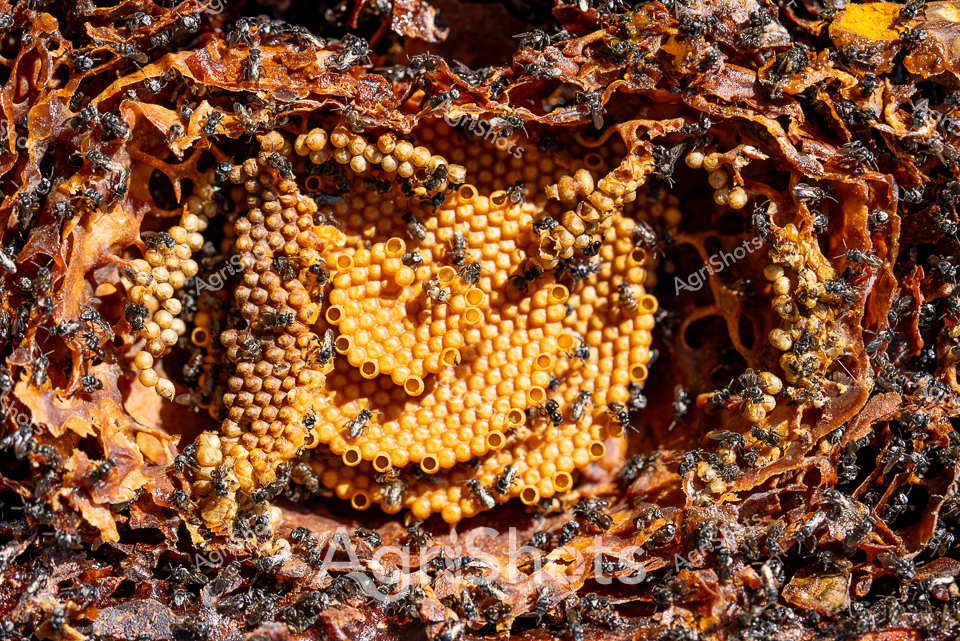
Honeycomb Harvest: Native Stingless Bee Colony Golden amber clusters of native Australian stingless bee (Tetragonula carbonaria) eggs radiate from an intricate honeycomb structure, surrounded by weathered organic hive materials. Hundreds of tiny black bees traverse the delicate cellular landscape, tending to their meticulously arranged brood chambers with remarkable precision. The rich ochre and burnt sienna tones of the hive material create a textural backdrop, highlighting the luminous yellow-orange eggs clustered in dense, geometrically perfect formations. This intimate macro view reveals the extraordinary architectural complexity of Queensland's native bee colonies, showcasing the sophisticated social organization and reproductive strategies of these critical pollinators. The image captures the winter season's subdued light, emphasizing the warm, organic textures and the remarkable micro-world of these essential agricultural companions native to the Lockyer Valley region. Each tiny egg and bee represents a complex ecosystem of agricultural significance, embodying the intricate relationship between insect life and Australian agricultural landscapes.
 Image
Image
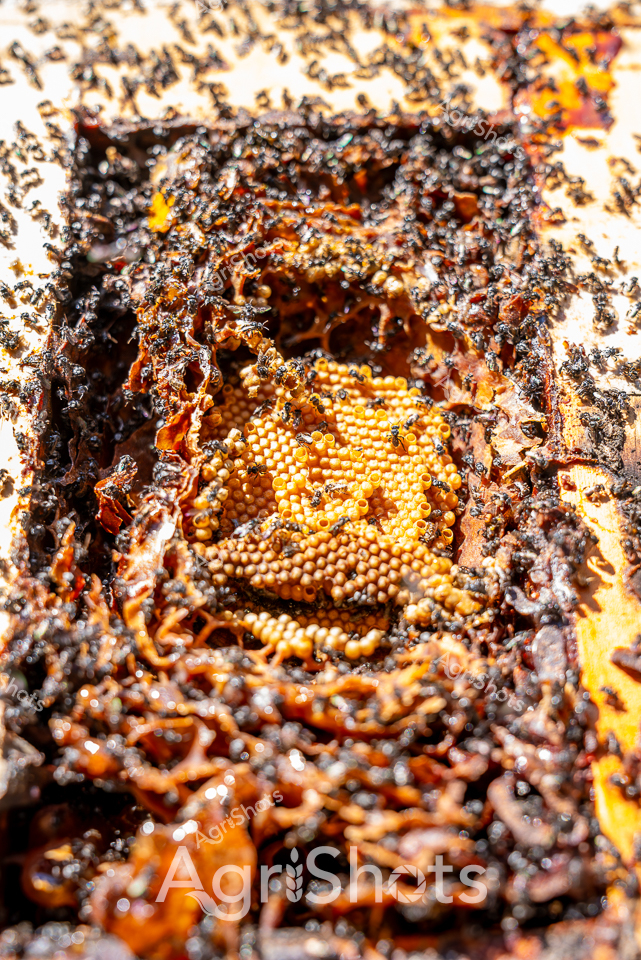
Stingless native bee honey glistens like liquid gold, nestled within the intricate honeycomb of a Trigona carbonaria hive. The close-up reveals the remarkable micro-architecture of an Australian native bee colony, capturing the rich amber and deep brown textures of their meticulously constructed home. Tiny black native bees have crafted an extraordinary nest structure, with perfectly formed hexagonal cells packed densely around a central golden honey reservoir. The organic, layered surfaces suggest the hive's location in the subtropical Lockyer Valley of Queensland, where these remarkable social insects thrive during the mild winter months. Each textured surface tells a story of collective labor, precision, and the sophisticated ecological networks that sustain Australian native bee populations. The image celebrates the intricate world of these essential pollinators, highlighting the delicate beauty of their miniature agricultural enterprise.
 Image
Image
Golden honeycomb glistens with liquid amber, its fractured surface teeming with native Australian stingless bees (Tetragonula carbonaria). Intricate hexagonal wax structures capture the rich, caramelized texture of raw honey, revealing deep golden-orange and burnished mahogany tones characteristic of winter harvest in Queensland's Lockyer Valley. Tiny dark bees navigate the waxy terrain, their bodies moving purposefully across the undulating honeycomb landscape, demonstrating the intricate symbiosis of Australian native bee species and their meticulously constructed hive. The macro perspective illuminates the extraordinary complexity of these small pollinators, highlighting their critical role in agricultural ecosystems and the delicate art of honey production. Warm lighting accentuates the sticky, translucent quality of the honey, creating a sensory experience that speaks to the rich agricultural traditions of rural Queensland. Each bee and droplet of honey represents a moment of precise, natural craftsmanship unique to Australia's distinctive apiary practices.
 Image
Image
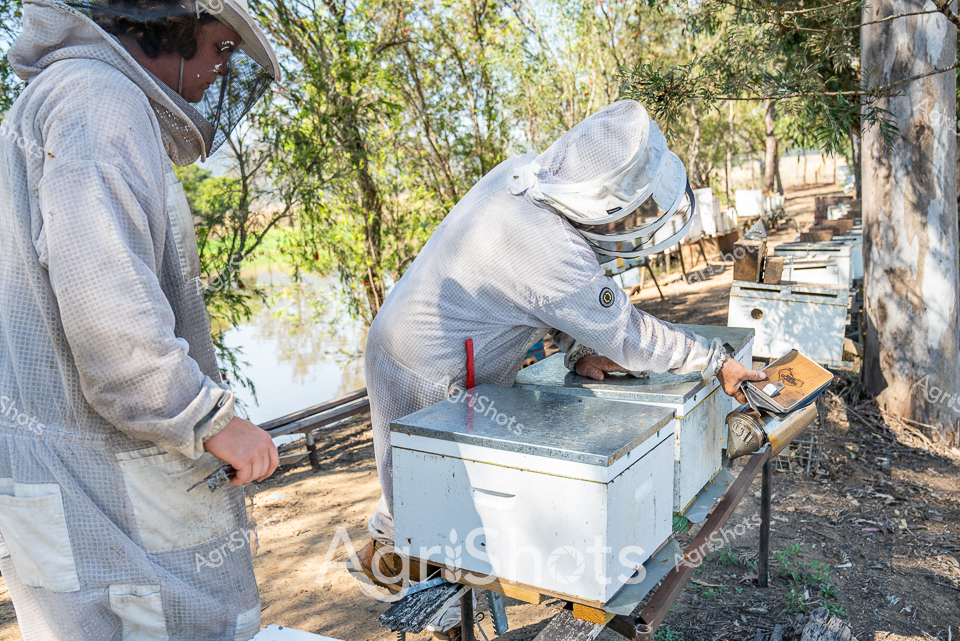
Beekeepers in crisp white protective suits work methodically among sunlit gum trees, tending to a row of white wooden bee hives in the fertile Lockyer Valley. One carefully lifts the hive lid, revealing the intricate inner workings of the colony, while his colleague stands nearby, ready to assist in the delicate process of honey production and hive management. Dappled light filters through the surrounding eucalyptus trees, casting soft shadows on the dusty ground and highlighting the meticulous nature of apiary work. The gleaming white protective gear contrasts sharply with the natural woodland setting, symbolizing the careful interface between human agricultural practice and the complex world of bee colonies. Metallic tools and the structured hive boxes speak to the precision required in beekeeping, while the relaxed postures of the workers suggest years of experienced handling. This scene captures the essence of sustainable agricultural practice in rural Queensland, where traditional farming skills meet modern conservation efforts.
 Image
Image
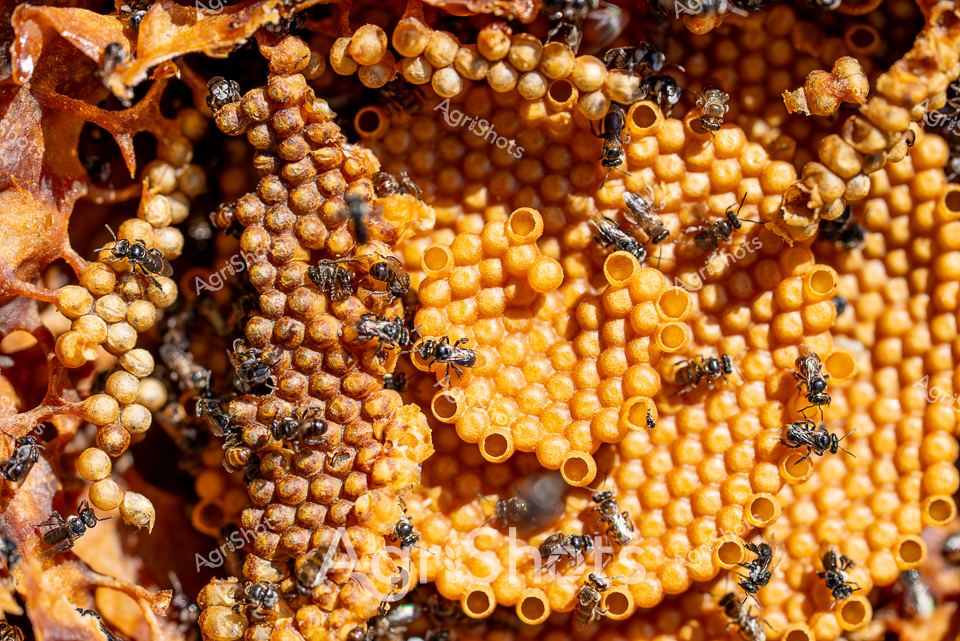
Honeycomb clusters burst with golden intensity, revealing the intricate world of a native Australian bee colony. Tiny black stingless bees—native to Queensland's Lockyer Valley—swarm across the dense, textured surface of hexagonal wax cells, some filled with developing larvae, others glistening with fresh honey. The delicate architecture of the hive demonstrates the remarkable engineering of these small pollinators, with clusters of amber-toned cells packed tightly together, creating an organic, almost sculptural landscape. Winter light reveals the rich ochre and burnt sienna tones of the honeycomb, highlighting the resilience of these insects in the cooler agricultural season. Each cell represents a complex microcosm of survival and collaboration, with worker bees meticulously maintaining the structure and nurturing the next generation. This intimate portrait captures the extraordinary detail of Australia's native bee ecosystem, a critical component of agricultural biodiversity in Queensland's productive farming regions.
 Image
Image
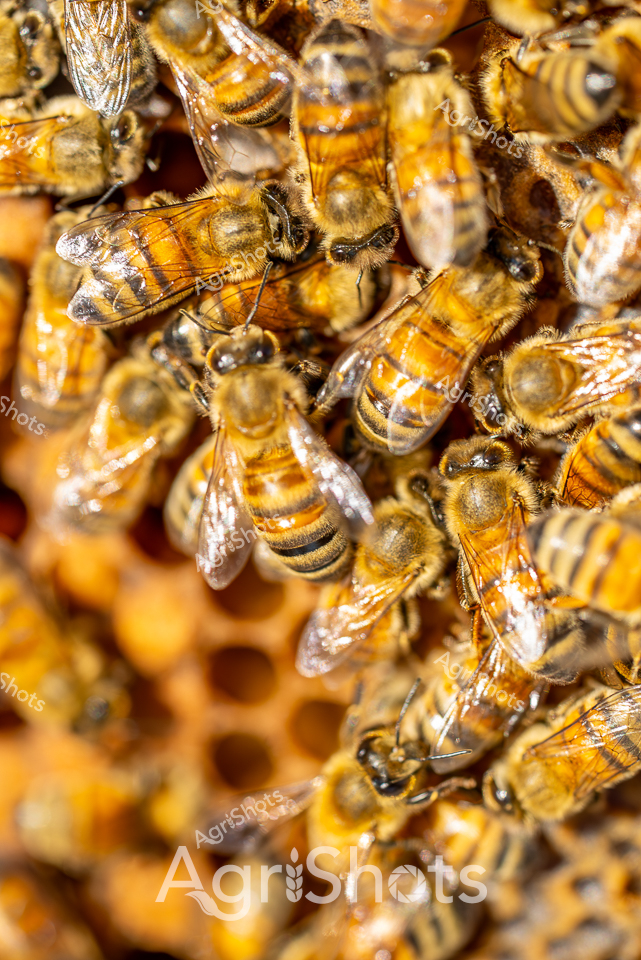
Honeybees cluster densely across a golden honeycomb, their amber and obsidian bodies gleaming with intricate textures of chitin and fine hairs. Each bee moves with purposeful precision, representing the extraordinary collective intelligence of the hive - a quintessential agricultural ecosystem thriving in Queensland's lush Lockyer Valley. Translucent amber-tinted wings overlap and shimmer, revealing the complex social structure of these pollinators critical to agricultural productivity. The honeycomb's hexagonal chambers form a pristine geometric backdrop, suggesting the remarkable engineering instincts of these tiny agricultural workers. Warm golden and amber tones dominate the image, capturing the vibrant energy of a spring day when bee colonies are most active in pollination and honey production. This intimate macro perspective celebrates the interconnected world of agricultural biodiversity, highlighting how these small creatures play a massive role in sustaining food systems across Australian farming landscapes.
 Image
Image
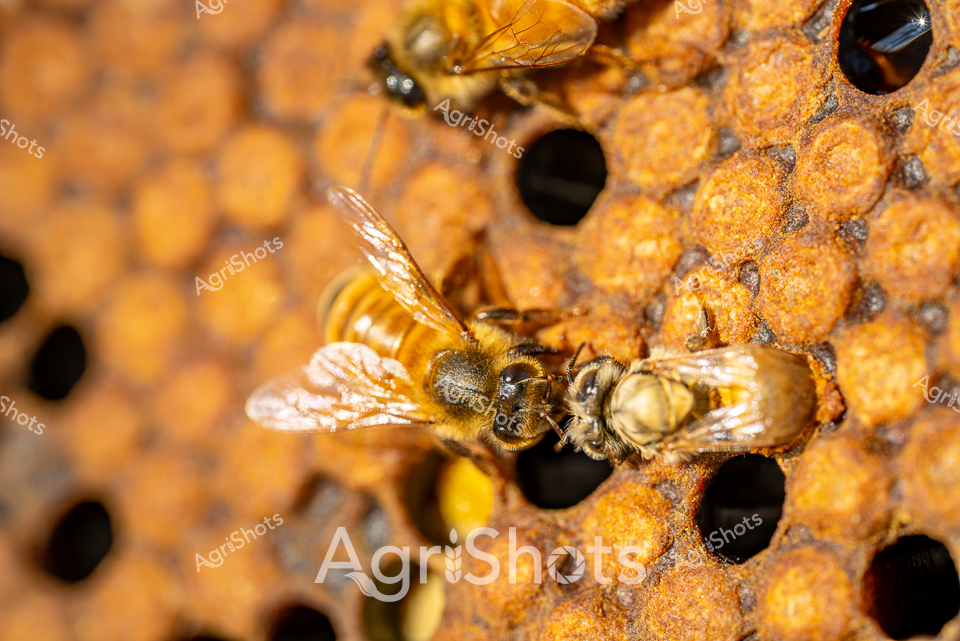
Honeybees cluster and communicate across the golden-amber honeycomb, their delicate translucent wings catching the soft light as they tend to emerging larvae in the intricate hexagonal chambers. Densely packed brood cells pulse with nascent life, each waxy compartment a miniature nursery in this vibrant spring hive from Queensland's fertile Lockyer Valley. The worker bees move with purposeful precision, their fuzzy bodies dusted with pollen, engaging in the complex social choreography of colony reproduction and care. Warm amber and rich ochre tones dominate the frame, highlighting the textural complexity of the hive's surface - a living, breathing ecosystem of interconnected cells and constant movement. Intimate and rhythmic, the scene captures the remarkable collective intelligence of these essential pollinators, their synchronized efforts ensuring the continuation of their remarkable community. Each bee plays a critical role in this microcosm of agricultural symbiosis, representing the intricate networks that sustain both natural and cultivated landscapes.
 Image
Image
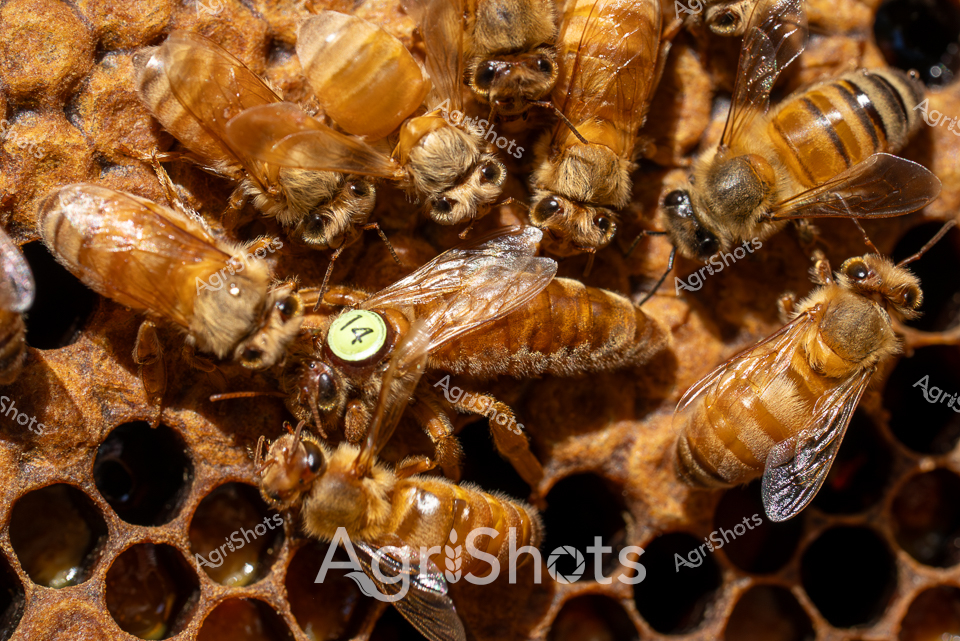
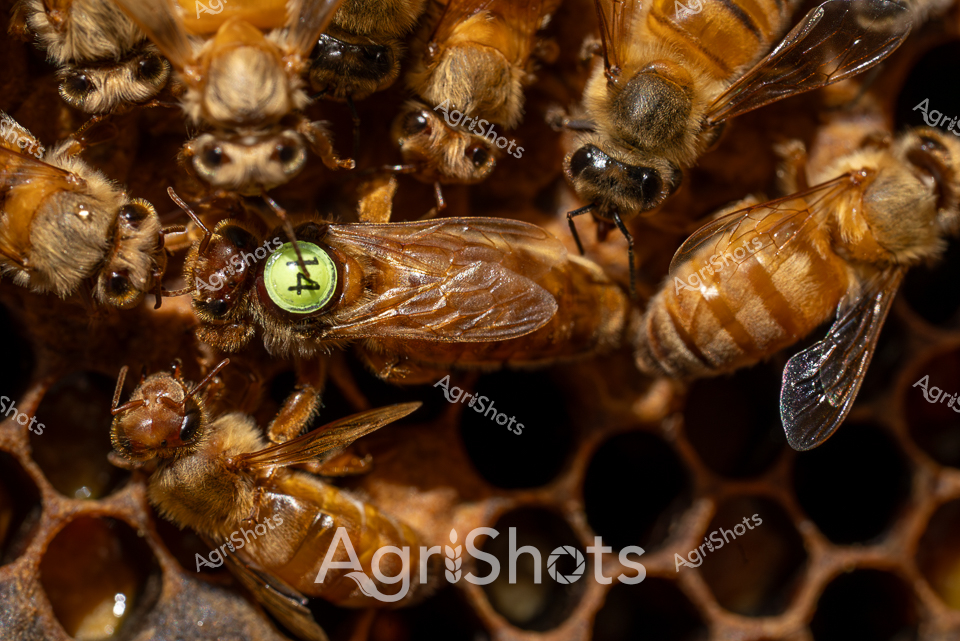
Golden honeybees swarm across a rich amber-hued honeycomb, their intricate social structure captured in stunning macro detail. At the center of the bustling hive, a marked queen bee (tagged with a small green numbered marker) moves deliberately among her workers, representing the precise scientific management of modern apiculture. The hexagonal wax cells create a complex architectural backdrop, some empty and shadowy, others filled with the warm golden tones of honey and bee bodies. Each bee displays remarkable textural detail - from their fuzzy thoraxes to translucent, veined wings - highlighting the extraordinary biological engineering of these critical pollinators. This close-up reveals the intricate world of a thriving bee colony in the Lockyer Valley region of Queensland, likely during the abundant flowering season of spring. The image speaks to the delicate complexity of bee colonies, where every individual plays a crucial role in the collective survival and productivity of the hive.
 Image
Image
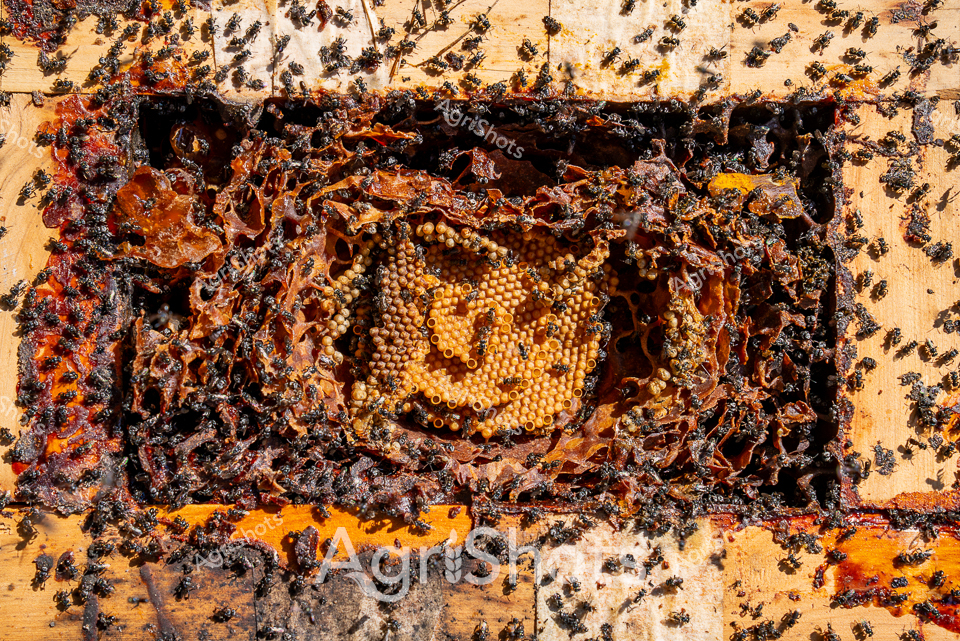
Swarming with life, this intimate portrait of a beehive reveals the intricate golden honeycomb nestled within a weathered wooden frame. Dozens of native Australian stingless bees cluster around the hexagonal wax structure, their tiny bodies creating a living, moving border against the aged timber. The rich amber and deep russet tones of honey and propolis contrast dramatically with the pale wood, capturing the raw, organic essence of apiary work in Queensland's Lockyer Valley during the crisp winter months. Delicate yet complex, the honeycomb's precise geometric patterns showcase the extraordinary engineering of these remarkable insects. Burnt orange and deep brown hues blend across the image, telling a story of natural production and the symbiotic relationship between bees and their carefully constructed home. Propolis—the dark, resinous substance bees use to seal and protect their hive—frames the central honeycomb like an intricate, natural artwork, highlighting the resilience and sophistication of these tiny agricultural workers. Each bee moves with purpose, a testament to the collective intelligence of the colony and the critical role these pollinators play in Australia's agricultural ecosystem. This close-up reveals the hidden world of stingless bee cultivation, a unique and important aspect of Queensland's diverse farming landscape.
 Image
Image
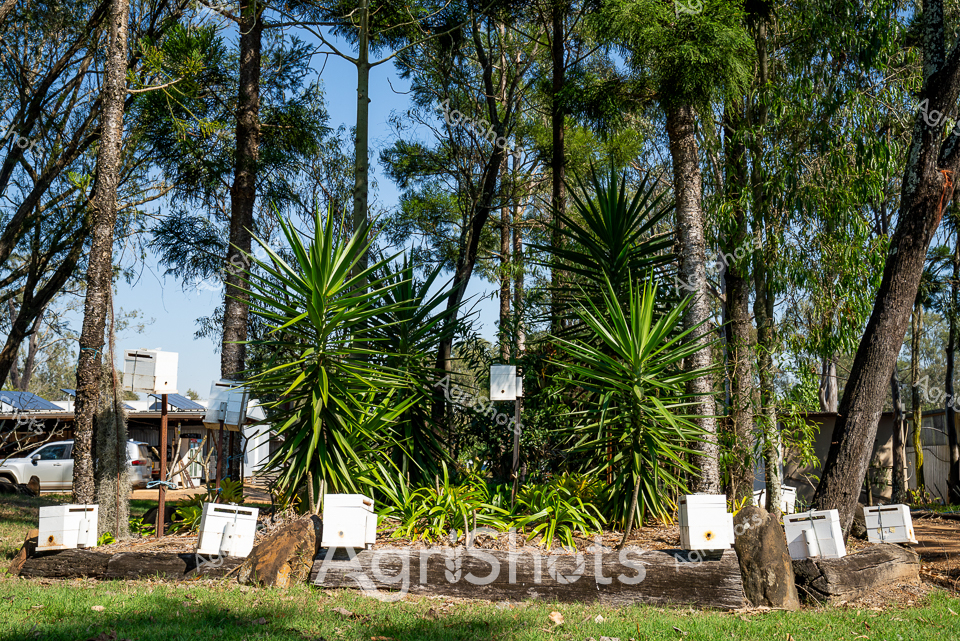
Nestled in the dappled sunlight of a Queensland winter morning, a meticulously arranged apiary reveals the intricate world of native Australian beekeeping. White wooden hive boxes stand sentinel among weathered logs and vibrant green yucca plants, their precise arrangement speaking to the careful management of a local bee colony. Tall eucalyptus trees frame the scene, creating a natural backdrop that reflects the pristine Lockyer Valley environment. These specialized hives, likely housing native stingless bee species like Tetragonula carbonaria, showcase the sophisticated approach to maintaining these crucial pollinators in their natural habitat. The soft winter light filters through the trees, illuminating the lush grass and creating a sense of tranquil productivity that is quintessentially Australian agricultural. The carefully maintained apiary represents a harmonious intersection of agricultural practice and environmental stewardship, highlighting the importance of bee conservation in Australia's delicate ecosystem.
 Image
Image
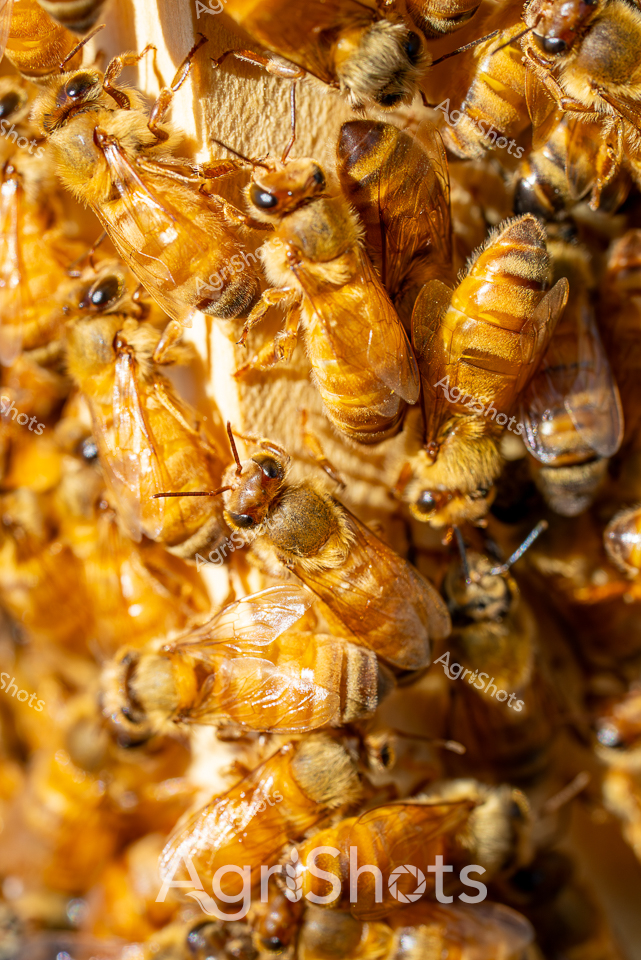
Honeybees cluster densely across honeycomb frames, their golden-amber bodies gleaming with intricate textures of fine fur and translucent wings. Tightly packed together in a living mosaic, these industrious pollinators demonstrate the complex social structure of their colony, each bee positioned precisely within the wooden hive infrastructure. The warm, luminous tones suggest a bright spring morning in Queensland's fertile Lockyer Valley, where agricultural ecosystems thrive on the critical work of these remarkable insects. Delicate antennae and segmented abdomens reveal the remarkable biomechanical design of each bee, highlighting their individual complexity while simultaneously showcasing their collective behavior. This macro perspective captures the extraordinary detail of apiary life, transforming a simple beehive into a dynamic, pulsing organism of interconnected workers. The image celebrates the fundamental role of bees in agricultural production, symbolizing the intricate relationships that sustain our food systems and ecological balance.
 Image
Image
In the dappled winter sunlight of Queensland's Lockyer Valley, a careful apiarist tends to native bee hives, crouched low among scattered leaves and soft earth. Wearing an olive-green field jacket and a dark cap, the beekeeper delicately inspects two wooden hive boxes, their weathered surfaces holding intricate honeycomb structures teeming with Australian native bee colonies. Sturdy hiking boots anchor the scene, suggesting careful, deliberate movement around these delicate pollinators. The soft browns and muted greens of the surrounding landscape create a natural, intimate backdrop that highlights the precision of apiary management. Rustic wooden hive boxes, filled with golden-brown honeycomb and bustling with insects, represent the careful stewardship of these crucial agricultural workers. This image captures the quiet concentration and deep connection between a skilled beekeeper and the complex ecosystem of native Australian stingless bees, showcasing the nuanced art of sustainable honey production in the region's winter season.
 Image
Image
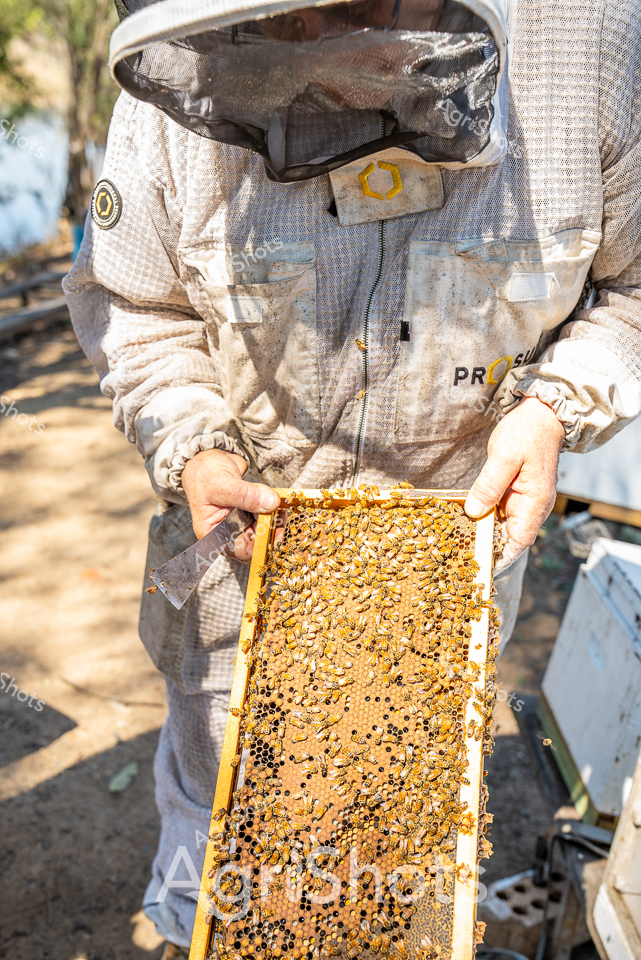
Clad in a light, mesh protective suit, a beekeeper carefully inspects a honey-laden frame teeming with industrious honeybees in the dappled sunlight of a spring day. The yellow wooden frame is densely populated with golden-brown bees, their intricate honeycomb structure visible through the mass of moving insects. Dusty sunlight filters through nearby trees, casting soft shadows across the apiary site, which appears to be located in Queensland's fertile Lockyer Valley region. The beekeeper's protective gear - a light-colored suit with ventilated mesh and a sturdy veil - speaks to the careful, methodical approach of modern apiculture. Each movement is deliberate and calm, reflecting the symbiotic relationship between the beekeeper and the bee colony. The rich golden and brown tones of the honeycomb and bees contrast beautifully with the pale protective clothing, creating a scene that captures the essence of sustainable agricultural practice and the vital role of pollinators in our ecosystem.
 Image
Image
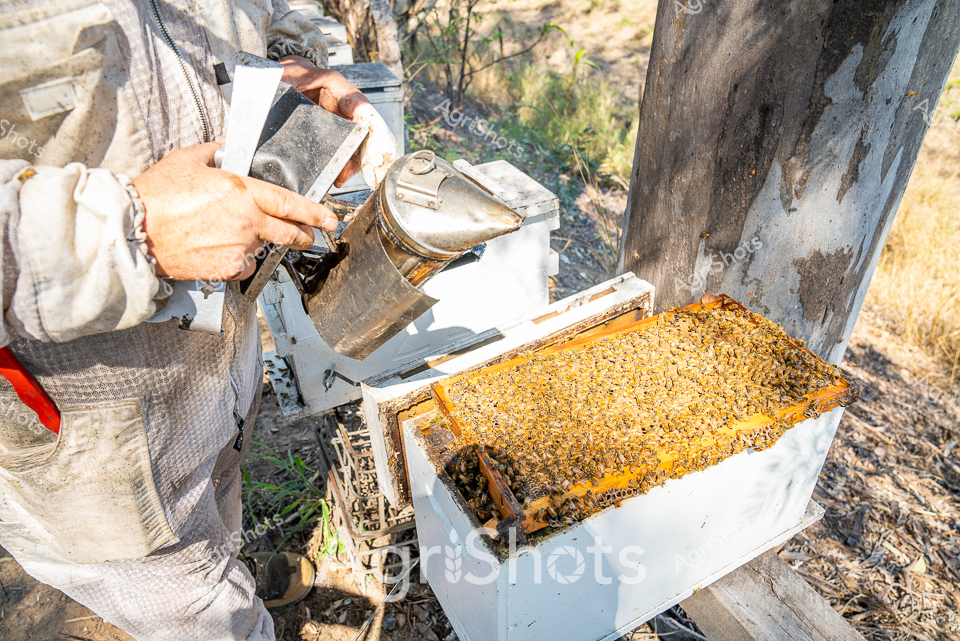
Burnished golden sunlight filters through eucalyptus trees, illuminating a beekeeper's careful work in the Lockyer Valley. Dressed in a protective white mesh suit, the apiarist uses a traditional steel smoker to calm a bustling hive, its wooden frame packed densely with honeybees moving across golden-hued honeycomb. Weathered hands gently manipulate the smoker, releasing soft plumes that pacify the industrious colony, allowing careful inspection of the hive's health and honey production. The surrounding landscape speaks of early spring - dry grasses, scattered trees, and the rich earth of Queensland's fertile agricultural region creating a textured backdrop to this intricate dance between human and insect. Precise and methodical, the beekeeper represents generations of agricultural knowledge, understanding the delicate balance required to sustainably harvest nature's sweet bounty. The metal and wooden equipment, sun-bleached and well-maintained, tells a story of patient craft and deep respect for these critical pollinators that sustain both wild ecosystems and agricultural production.
 Image
Image
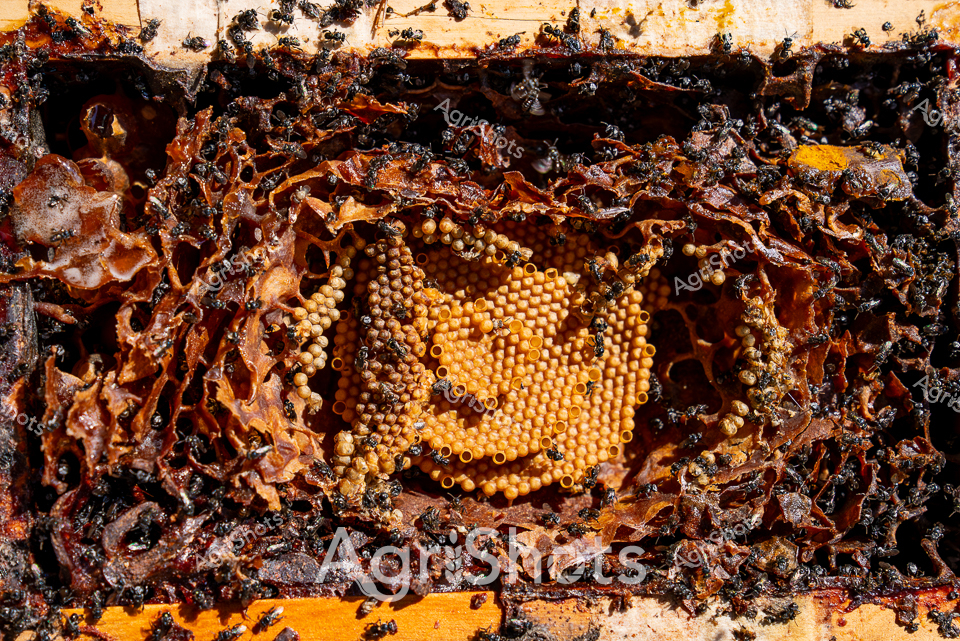
Honeycomb Harvest: A Detailed Beehive Cross-Section Golden amber honeycomb cells pulse with life, revealing the intricate inner workings of a thriving bee colony. Dense clusters of tiny native Australian bees coat the waxen architecture, their bodies moving across the hexagonal structures in a complex choreography of survival. Rich brown and burnt orange tones define the organic layers of the hive, with the pristine geometric precision of the honey storage cells contrasting against the rough, textured surrounding wax and propolis. Delicate spherical eggs nestle within the perfectly aligned cells, promising future generations of pollinators critical to agricultural ecosystems. This intimate cross-section captures the remarkable engineering of a bee colony during the crisp winter months of Queensland's Lockyer Valley, where agricultural biodiversity and native bee populations represent a crucial element of sustainable farming practices. The microscopic detail reveals a miniature world of remarkable order and productivity, highlighting the extraordinary complexity of these essential agricultural partners.
 Image
Image
Honeybees cluster across golden honeycomb, their translucent amber and bronze wings gleaming against the rich ochre surface of the hive. Delicate workers move purposefully among the hexagonal cells, tending to developing larvae nestled within the waxy chambers. The intricate texture of the honeycomb reveals a complex biological architecture - some cells sealed and incubating new life, others open and ready for nectar or pollen storage. Warm, amber tones suggest this is a thriving spring scene in Queensland's fertile Lockyer Valley, where agricultural landscapes support critical pollination ecosystems. Each bee moves with precise choreography, representing the sophisticated social organization of the colony - a living, breathing system of interdependence and collective survival. The macro perspective offers an intimate glimpse into the remarkable world of these essential agricultural partners, revealing the meticulous industry occurring within every square centimeter of the hive.
 Image
Image
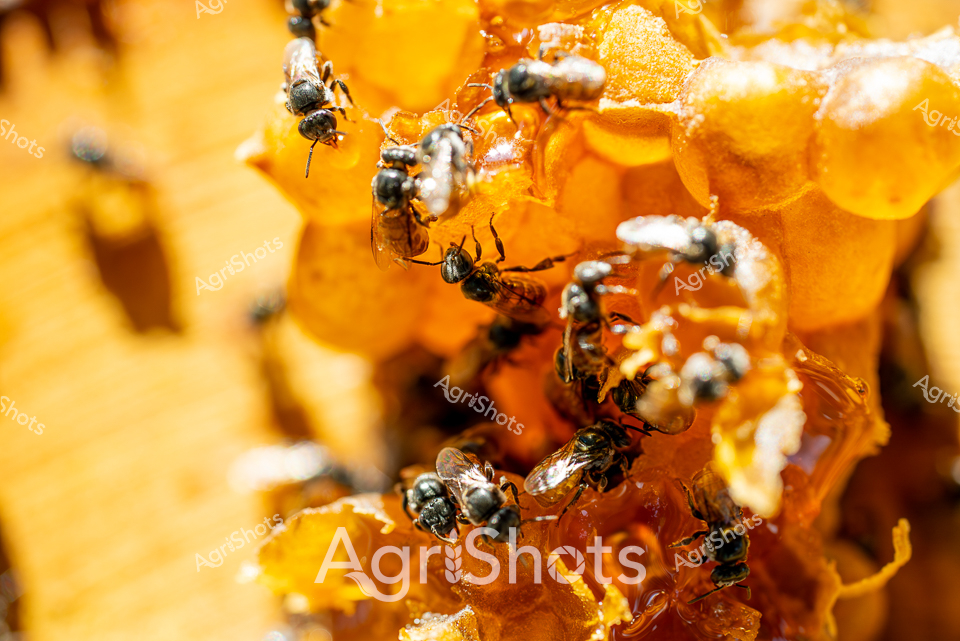
Honey glistens like liquid gold, casting a warm amber glow across the intricate honeycomb. Native Australian bees swarm methodically across the wax cells, their metallic-dark bodies moving with precise purpose in the crisp winter light of Queensland's Lockyer Valley. Each tiny worker navigates the hexagonal landscape, collecting and processing nectar with remarkable collective intelligence. The honeycomb's waxy structures range from deep orange to translucent yellow, creating a complex topographical map of productivity and survival. These native pollinators represent the delicate ecological balance critical to agricultural ecosystems, their miniature bodies carrying the immense responsibility of crop reproduction and environmental sustainability. The macro perspective reveals an extraordinary microcosm of agricultural life - where each bee functions as a critical component of a sophisticated, living system that sustains broader agricultural productivity.
 Image
Image
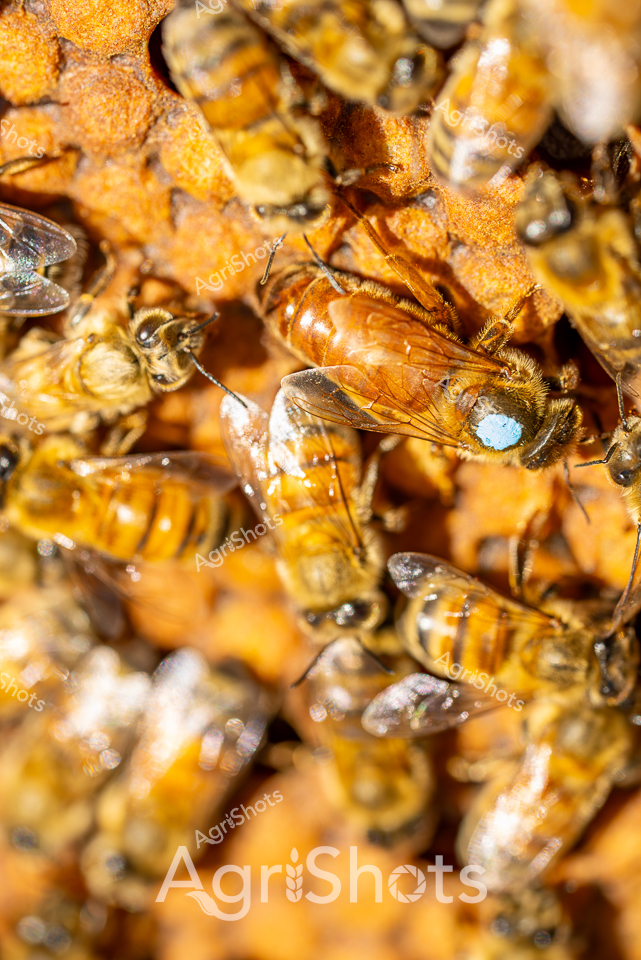
Honey-golden worker bees cluster densely across a honeycomb frame, their translucent amber wings and intricate exoskeletons creating a mesmerizing tapestry of agricultural life. At the heart of this macro perspective, a vibrant queen bee stands distinguished, her body a rich copper tone with a striking blue-tinted marking, surrounded by her industrious colony. The frame pulses with warm orange and golden hues, reflecting the rich pollen and nectar environment of a thriving spring apiary in Queensland's fertile Lockyer Valley. Each bee displays remarkable detail - delicate antennae, segmented bodies, and gossamer wings capturing the precision and collective energy of these critical pollinators. The tight clustering demonstrates the remarkable social organization of the hive, where every individual plays a crucial role in honey production and colony survival. Sunlight illuminates the scene, highlighting the textural complexity of honeycomb cells and the bees' intricate movements, revealing the sophisticated microcosm of agricultural ecosystem interdependence. This image celebrates the extraordinary world of beekeeping, showcasing the intricate beauty and vital agricultural importance of honeybees in Australian farming landscapes.
 Image
Image
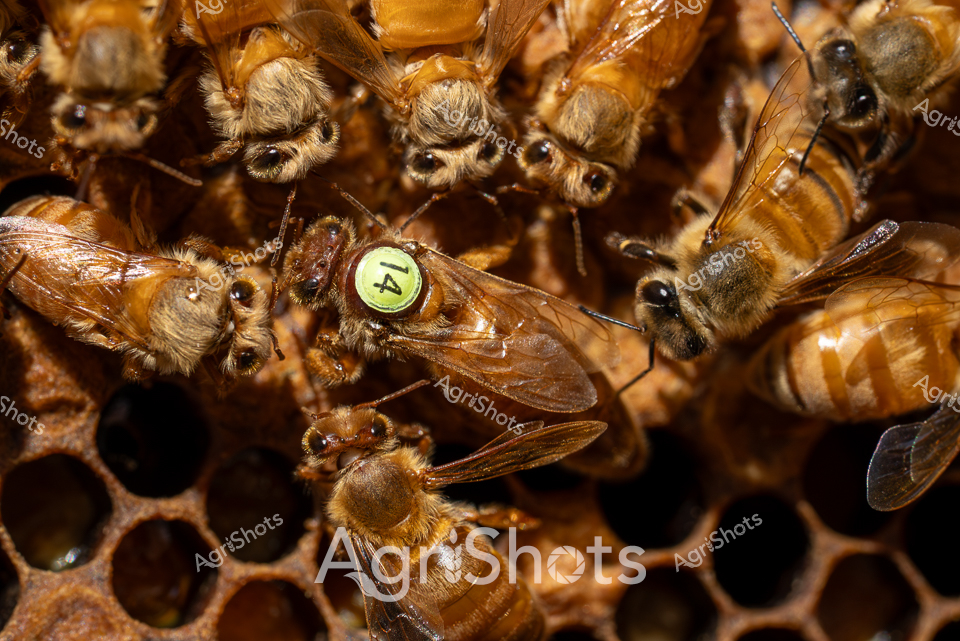
Queen bee 14 commands her colony's attention, nestled amid a dense cluster of worker bees on a honeycomb surface. Her elongated abdomen and distinctive marked number tag set her apart from the furry, golden-brown workers surrounding her. The intricate hexagonal wax cells of the hive create a textured backdrop, revealing the precision and organization of this complex social insect community. Warm amber and brown tones dominate the image, highlighting the bees' rich coloration and the organic, layered structure of their shared habitat. Each bee appears meticulously positioned, demonstrating the remarkable coordination and collective intelligence of the hive. This intimate close-up captures the heart of apiary life in the Lockyer Valley region of Queensland, showcasing the delicate balance and sophisticated social dynamics of a bee colony during the vibrant spring season.
 Image
Image
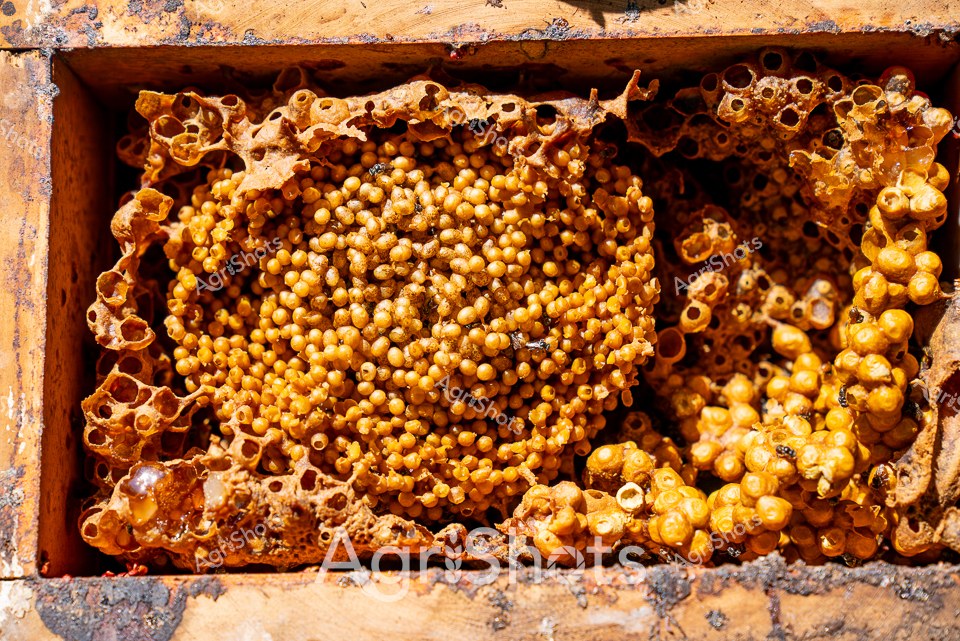
Golden harvest of stingless Australian native bees bursts from an intricately textured honeycomb frame, capturing the rich amber and ochre tones of a winter's day in Queensland's fertile Lockyer Valley. Hundreds of tiny, perfectly spherical honey globules cluster densely across the honeycomb's waxy infrastructure, revealing the meticulous work of local Tetragonula carbonaria - Australia's beloved native sugarbag bee species. The raw, weathered wooden hive frame bears the patina of countless seasons, its edges rough and sun-bleached, providing a rugged contrast to the luminous, organic precision of the bee colony's architectural marvel. Each golden orb represents concentrated nectar transformed through extraordinary collaboration, a microcosm of agricultural symbiosis that epitomizes the delicate yet robust nature of Australian apiary practices. The image pulses with quiet intensity, showcasing the intricate relationship between landscape, insects, and human cultivation in one of Queensland's most productive agricultural regions.
 Image
Image
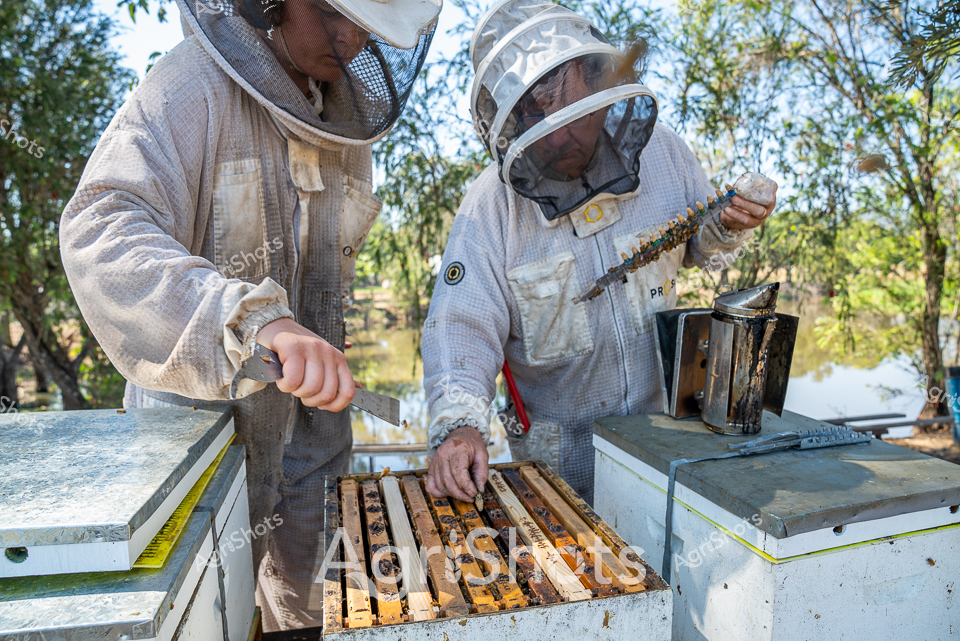
Apiarists tend their honeybee hives in a tranquil Lockyer Valley orchard, bathed in soft spring sunlight filtering through scattered gum trees. Dressed in crisp white mesh protective suits, the beekeepers carefully inspect wooden frames teeming with golden-amber honeycomb, their measured movements revealing years of practiced skill. One carefully extracts a frame, examining the intricate hexagonal cells where thousands of bees busily produce their liquid gold, while a smoke canister nearby helps calm the colony during inspection. The white beekeeping boxes stand stark against the muted green and brown landscape, a testament to the precision and care of agricultural workers who nurture these critical pollinators. Delicate mesh veils shield the workers' faces, their gloved hands moving with gentle expertise among the buzzing hives, showcasing the intimate relationship between humans and these remarkable insects. This scene captures the essence of sustainable agricultural practice - a careful, respectful engagement with nature that produces one of Australia's most precious natural food resources.
 Image
Image
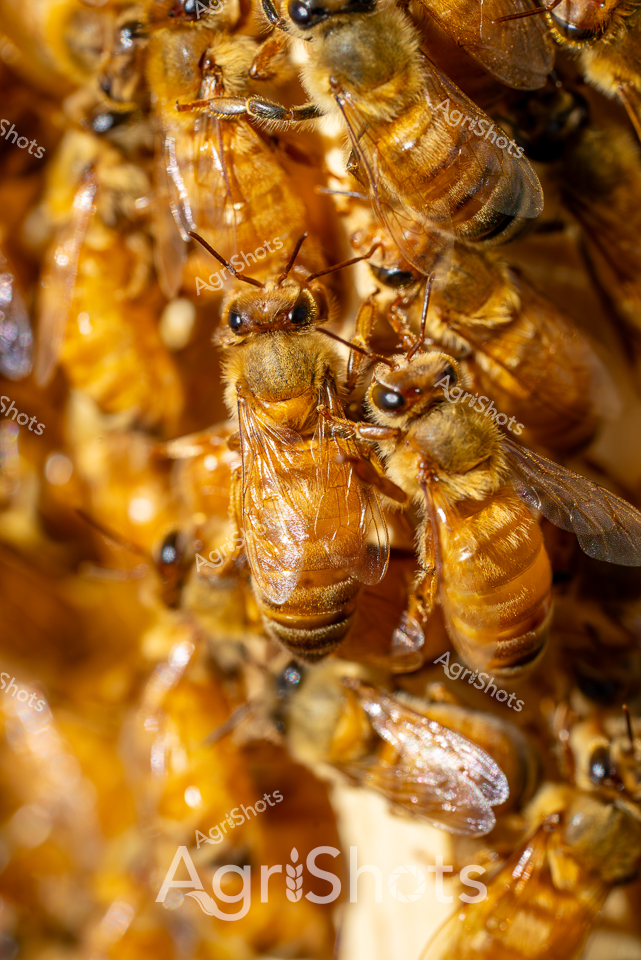
Honeybees cluster densely across golden honeycomb, their amber-toned exoskeletons gleaming with intricate texture and precise anatomical details. Wings translucent and delicate stretch across their segmented bodies, revealing the complex social structure of this vibrant colony. The macro perspective illuminates their extraordinary collective behavior, with multiple workers tightly packed together in a warm, amber-hued landscape of interconnected hexagonal cells. Each bee displays remarkable individual definition - compound eyes, segmented antennae, and subtle variations in golden-brown coloration creating a mesmerizing organic tapestry. This intimate glimpse into the heart of a beehive captures the extraordinary collaborative intelligence of these critical pollinators, fundamental to agricultural ecosystems across Queensland's fertile Lockyer Valley. The image pulses with life, movement, and the quiet industry of a sophisticated insect society at work during the abundant flowering season of spring.
 Video
Video
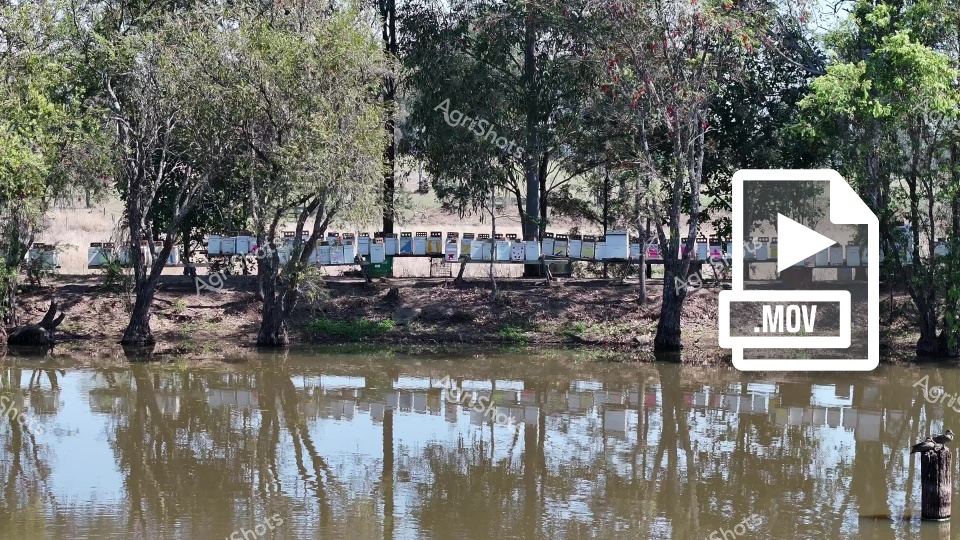
Silvery gum trees cast dappled shadows across a tranquil dam in Queensland's Lockyer Valley, their reflections rippling in the murky winter waters. A long row of white and blue bee hives nestles against the tree line, strategically positioned near water and native woodland to support optimal pollination conditions. The apiary site demonstrates sophisticated agricultural planning, with hives carefully spaced and oriented to maximize bee colony health and honey production. Soft greys and muted greens characterize the winter landscape, suggesting a quiet period of regeneration for both the landscape and the industrious bee colonies. Water levels appear steady, indicating reliable hydration for the surrounding ecosystem and supporting the critical symbiosis between landscape, water resources, and agricultural cultivation. The serene scene captures the sophisticated yet natural approach of modern agricultural practices in supporting biodiversity and sustainable food production.
 Image
Image
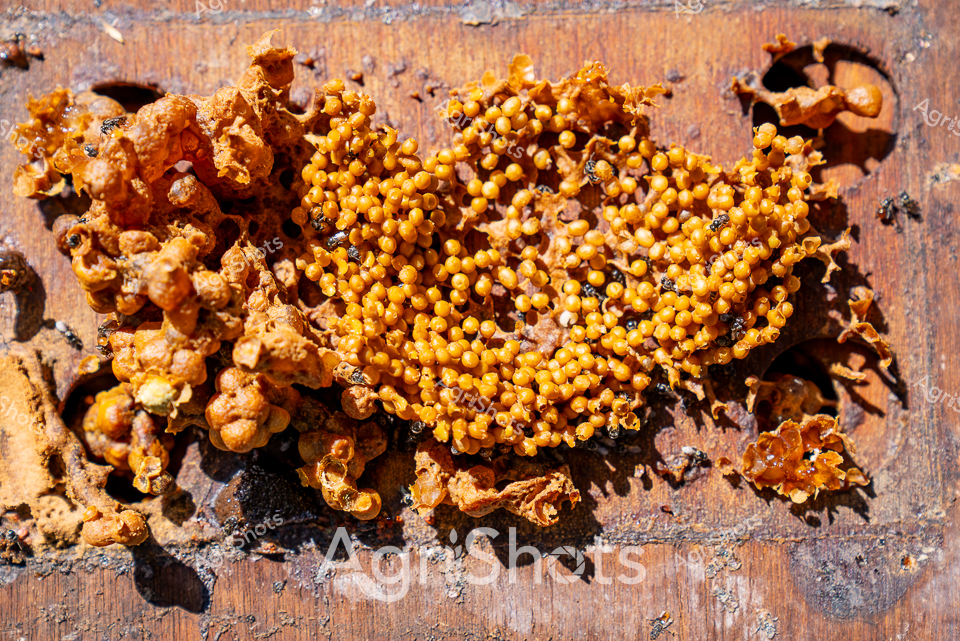
Golden clusters of native Australian bee propolis burst across weathered timber, revealing the intricate microarchitecture of a thriving bee colony's defensive resin. The rich amber and ochre tones of the propolis create a stunning organic mosaic against the aged, textured woodgrain surface, capturing the raw biological artistry of these remarkable pollinators. Concentrated in dense, granular formations, the propolis demonstrates the remarkable construction capabilities of Queensland's native bee species, their collective labor producing these intricate golden formations that protect and seal their hive structures. Winter light casts precise shadows across the uneven surface, highlighting the complex textures and revealing the meticulous precision of these small creatures' architectural instincts. Each tiny golden sphere and irregular cluster represents a fragment of botanical resin collected from local flora, transformed and assembled with extraordinary collective intelligence. This close-up reveals the microscopic engineering of Australia's native bee ecosystem, a testament to the sophisticated survival strategies developed in the challenging landscapes of the Lockyer Valley region.
 Image
Image
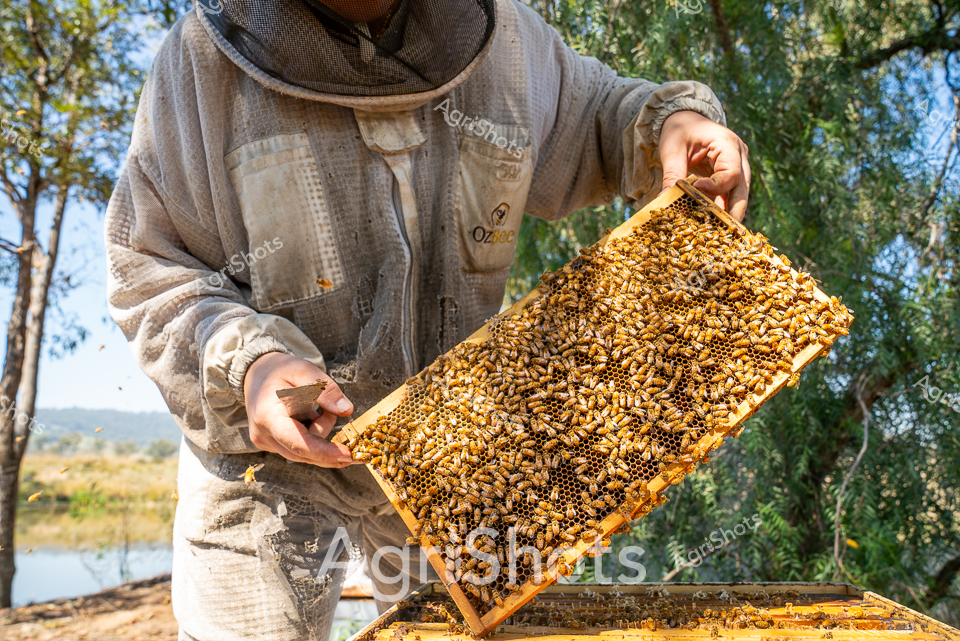
Beekeeping in Queensland's Lush Lockyer Valley A dedicated apiarist tends to a vibrant honeybee colony, carefully extracting a golden-hued honeycomb frame teeming with thousands of industrious bees. Dressed in a protective light grey mesh suit, the beekeeper works amid the verdant spring landscape of the Lockyer Valley, with trees and a distant water source creating a lush backdrop. Sunlight illuminates the intricate honeycomb, revealing a dense carpet of amber-and-black worker bees moving across the hexagonal wax structures. The frame, tilted at a careful angle, showcases the remarkable density of the bee population and the intricate organization of their collective home. Precise, methodical movements demonstrate the beekeeper's expertise in managing this delicate ecosystem, highlighting the crucial role of apiculture in agricultural production and environmental sustainability. The scene captures the harmonious interaction between human stewardship and the complex world of honeybees, a testament to the agricultural innovations thriving in Queensland's rich agricultural regions.
 Image
Image
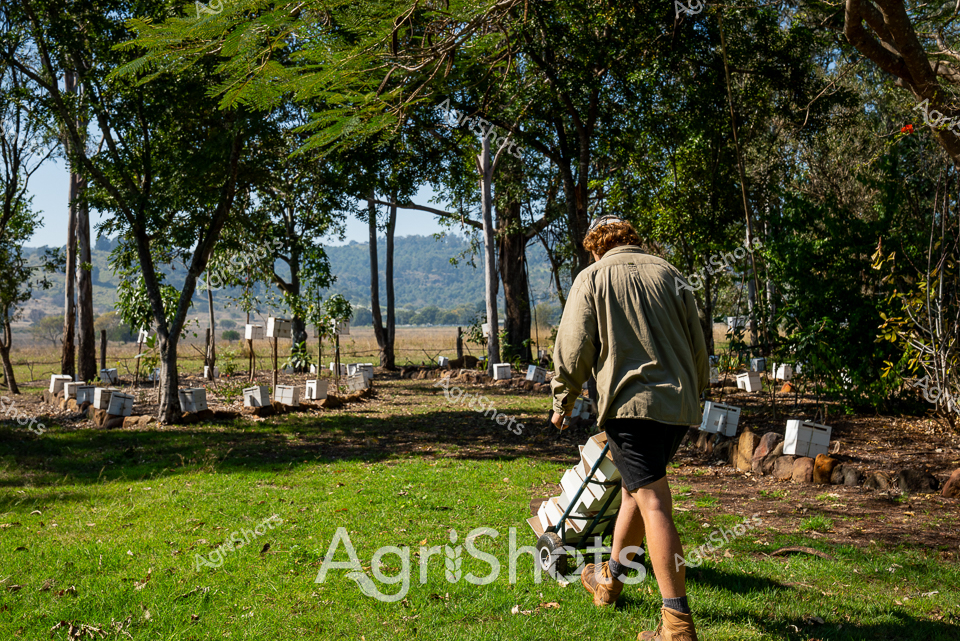
Nestled in the lush green landscape of Queensland's Lockyer Valley, a dedicated apiarist tends to a carefully arranged cluster of bee hives under the dappled shade of native trees. Wearing a khaki work shirt and dark shorts, the beekeeper moves purposefully between white rectangular hives, each strategically positioned to optimize the bees' foraging potential. The winter sunlight filters through the surrounding eucalyptus and paperbark trees, casting soft shadows across the verdant grass and creating a serene agricultural tableau. The apiary sits on a gently sloping site with distant mountains visible on the horizon, showcasing the quintessential Australian rural landscape. White hive boxes stand in neat rows, representing a critical node in the agricultural ecosystem - supporting pollination and honey production. The scene captures the meticulous care and scientific approach of modern beekeeping, where each hive is managed with precision and respect for the complex colony of native Australian bees. The image embodies the quiet dedication of agricultural workers who play a vital role in sustaining both local ecosystems and broader food production systems, highlighting the intricate relationship between human stewardship and natural agricultural processes.
 Video
Video
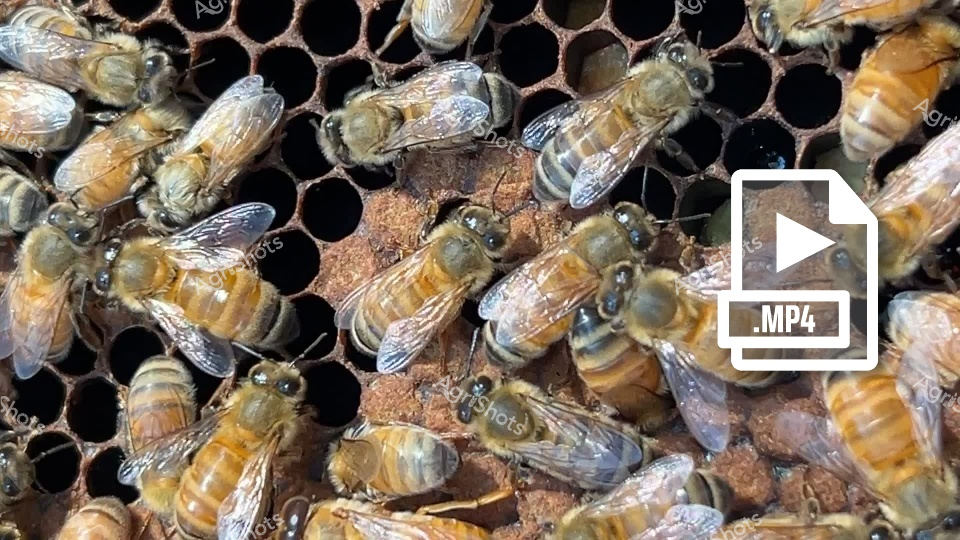
Honeybees swarm across an intricate honeycomb, their golden-amber bodies clustered amid the geometric precision of hexagonal wax cells. Each bee moves with purposeful intensity, creating a living tapestry of pollinators hard at work in a thriving apiary typical of Queensland's lush Lockyer Valley. The rich amber and brown tones of the honeycomb contrast beautifully with the translucent wings and striped bodies of the bees, capturing the delicate ecosystem of commercial honey production. Sunlight seems to filter through the hive, illuminating the complex social structure of these remarkable insects as they tend to larvae, process nectar, and maintain their extraordinary collective home. This raw, unfiltered scene represents the critical agricultural practice of beekeeping - a vital industry supporting crop pollination and honey production across rural Australian landscapes. The dense clustering of bees reveals the remarkable collective intelligence and synchronized labor that makes these colonies such a marvel of natural engineering.
 Image
Image
A vibrant queen bee stands marked with a distinctive green tag, her elongated golden-brown body contrasting against the bustling honeycomb backdrop. Surrounded by a dense cluster of worker bees, her royal presence commands attention amidst the intricate hexagonal wax cells of the hive. The image captures the intricate social dynamics of a thriving bee colony, with workers closely clustering around their monarch in the warm, amber-hued environment of the apiary. Delicate translucent wings, rich amber-colored bodies, and the complex texture of the honeycomb create a mesmerizing tapestry of life and industry. This close-up reveals the remarkable organization and collective intelligence of the bee community, highlighting the critical role these pollinators play in agricultural ecosystems. The scene, likely captured in the fertile Lockyer Valley region of Queensland during spring, showcases the remarkable microcosm of bee society in stunning, intimate detail.
 Image
Image
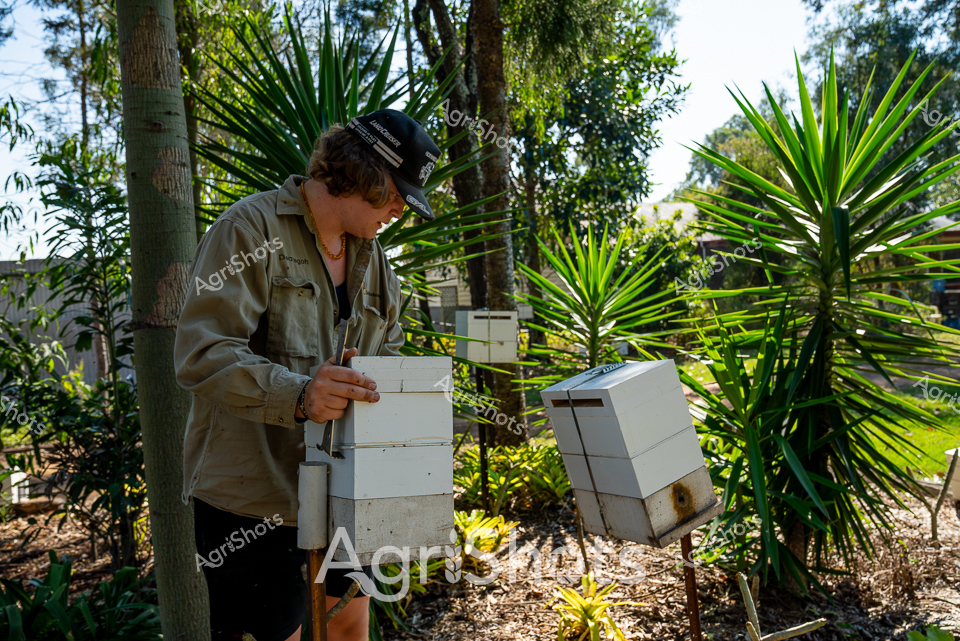
Nestled among vibrant yucca plants and native trees, a dedicated apiarist tends to white rectangular bee hives in the lush Lockyer Valley. Wearing a khaki work jacket and protective cap, the beekeeper carefully manages the hive boxes, demonstrating the meticulous care essential to sustainable beekeeping. The winter sunlight filters through the surrounding vegetation, casting soft shadows on the mulched ground and highlighting the bright green foliage of the landscape. These carefully maintained hives suggest a thriving native Australian bee operation, critical to local agricultural ecosystems and pollination networks. The orderly arrangement of the white hive boxes against the natural backdrop speaks to the careful balance between human intervention and natural processes in modern agricultural practice. This scene captures the quiet expertise of Queensland's agricultural professionals, showcasing the important work of bee cultivation in supporting regional biodiversity and food production.
 Video
Video
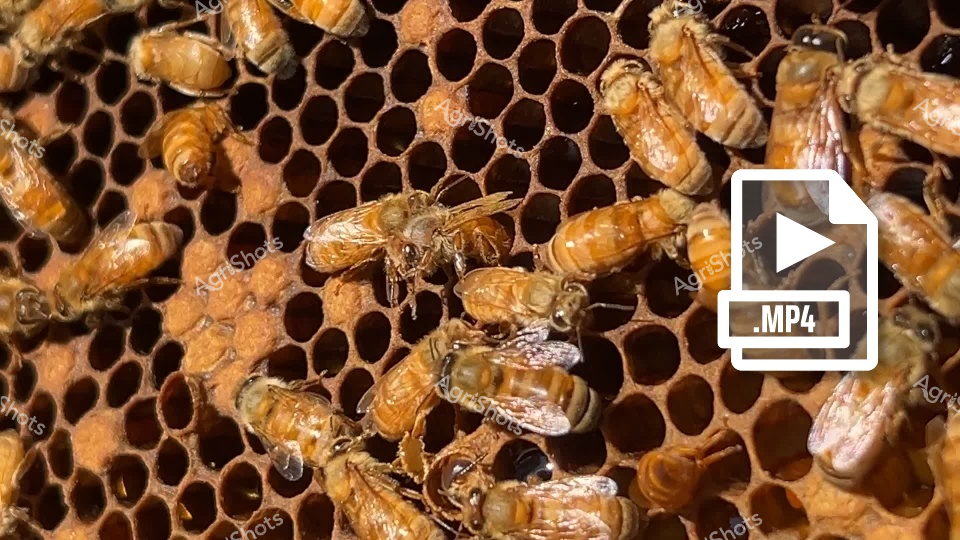
Honeybees cluster densely across the intricate honeycomb, their golden-amber bodies tessellating against the rich brown hexagonal cells. Captured in exquisite macro detail, each bee reveals delicate translucent wings and nuanced body textures, representing the complex social structure of the hive. These industrious pollinators demonstrate remarkable collective behavior, moving with synchronized purpose across the waxy architectural landscape. The tight composition highlights the remarkable organizational precision of bee colonies, where each individual contributes seamlessly to the collective survival and productivity of their community. Warm amber and ochre tones dominate the frame, suggesting this is a vibrant spring scene from a thriving apiary, likely situated in Queensland's fertile Lockyer Valley region. The raw video format suggests this is a dynamic, unedited glimpse into the intricate microsociety of these critical agricultural workers.
 Image
Image
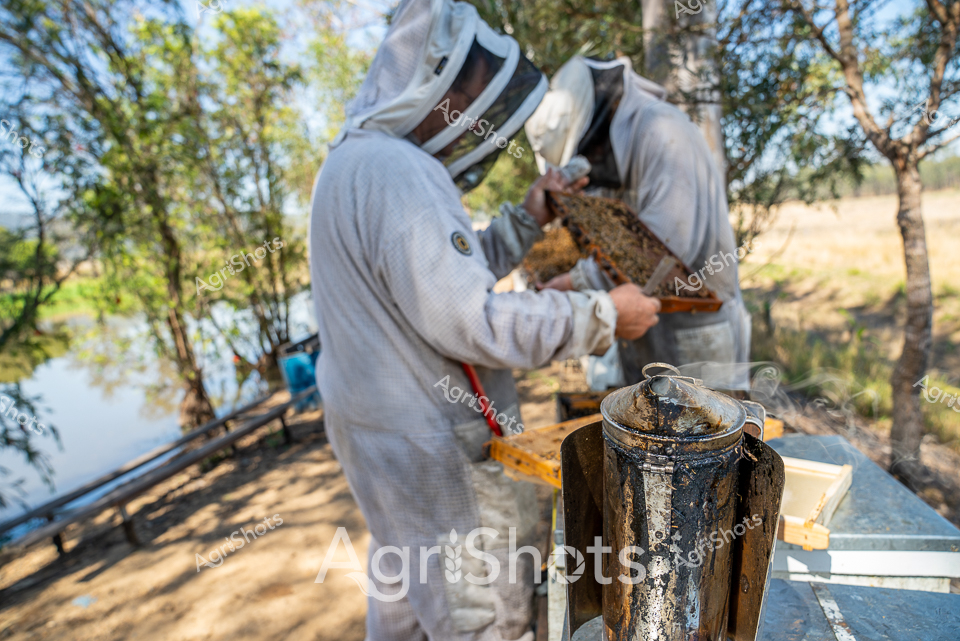
Nestled in the sun-dappled landscape of Queensland's Lockyer Valley, two beekeepers in pristine white protective suits meticulously inspect a honey-laden frame from a weathered bee hive. The smoker, blackened and well-used, sits prominently in the foreground, its wisps of calming smoke helping to manage the buzzing colony. Surrounded by soft green trees and with a tranquil water source nearby, the scene captures the delicate art of apiary work during the vibrant spring season. Careful hands gently handle the wooden frame, rich with honeycomb and the intricate work of industrious bees, demonstrating the symbiotic relationship between these dedicated apiarists and their precious pollinators. Soft natural light filters through the branches, casting gentle shadows and highlighting the textural details of the bee equipment and protective gear. This image embodies the quiet expertise and patient craft of Australian beekeeping - a vital agricultural practice that sustains both ecological balance and agricultural productivity in the region.
 Image
Image
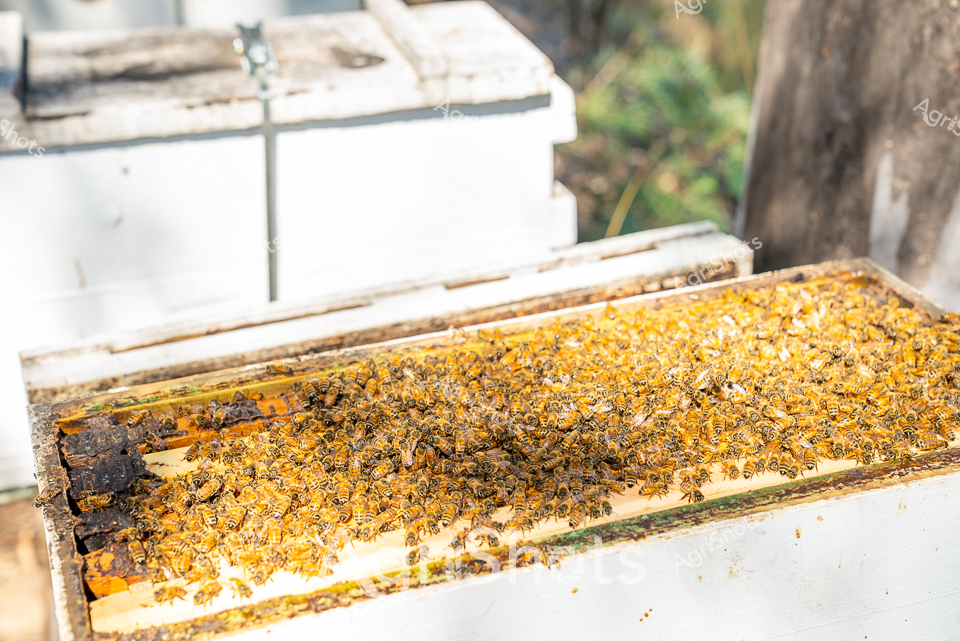
Honey-golden worker bees swarm densely across the wooden hive frame, their collective movement creating a living, breathing carpet of industrious insects. Nestled in the lush green backdrop of Queensland's Lockyer Valley, this apiary scene captures the vibrant energy of spring beekeeping. Stark white hive boxes stand sentinel in the background, providing a clean contrast to the rich amber and brown tones of the bee-covered frame. Soft natural light illuminates the intricate textures of the wooden hive, highlighting the bees' precise hexagonal workspaces and the glistening surfaces of honey-in-progress. The dense cluster of bees suggests a healthy, active colony at the peak of seasonal productivity, with hundreds of individuals moving in synchronized purpose. This image embodies the delicate symbiosis of agricultural stewardship - a testament to the careful management and respectful cultivation of these essential pollinators in the rich agricultural landscape of rural Queensland.
 Image
Image
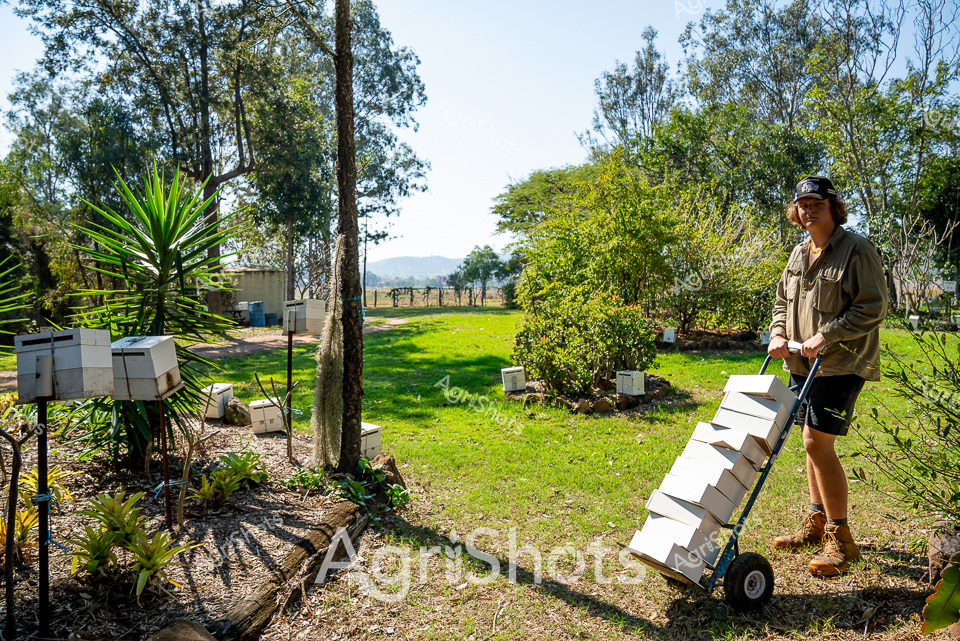
Nestled in the lush landscape of Queensland's Lockyer Valley, a dedicated apiarist tends to a carefully arranged collection of native Australian bee hives. Dressed in practical khaki work attire and a protective cap, the beekeeper maneuvers a hand trolley loaded with white bee boxes across a verdant lawn surrounded by eucalyptus trees and native vegetation. The winter sunlight filters through the green canopy, casting dappled shadows on the meticulously maintained apiary site. Scattered yucca-like plants and native shrubs provide a vibrant backdrop to the white rectangular hives, some positioned on stands near trees, others being carefully transported. The scene captures the precise, methodical nature of Australian native bee cultivation - a delicate balance of scientific precision and deep respect for the environment. This snapshot represents the careful stewardship of these critical pollinators, highlighting the important role of professional apiarists in maintaining biodiversity and supporting agricultural ecosystems in regional Queensland.
 Image
Image
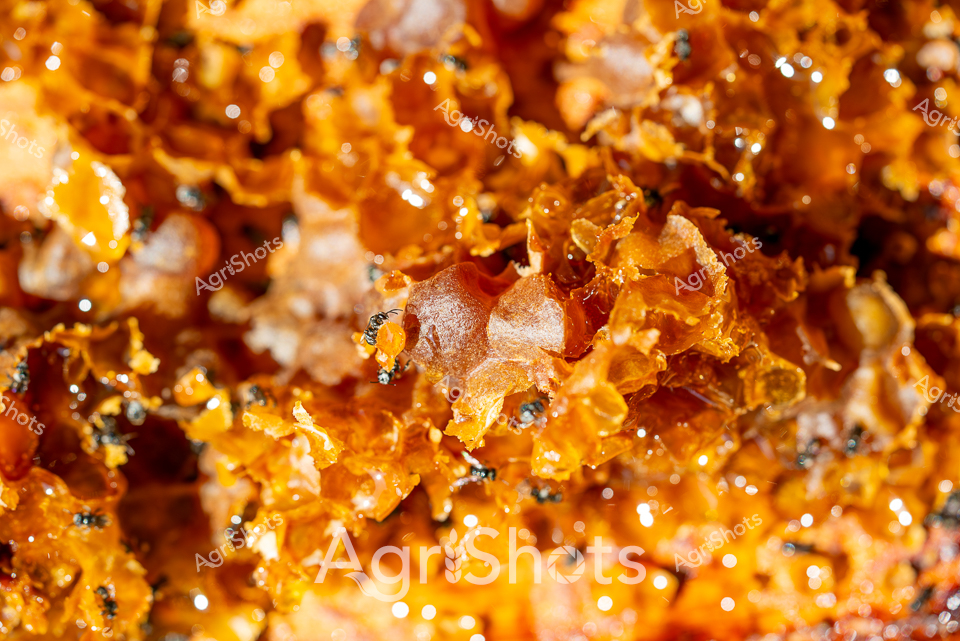
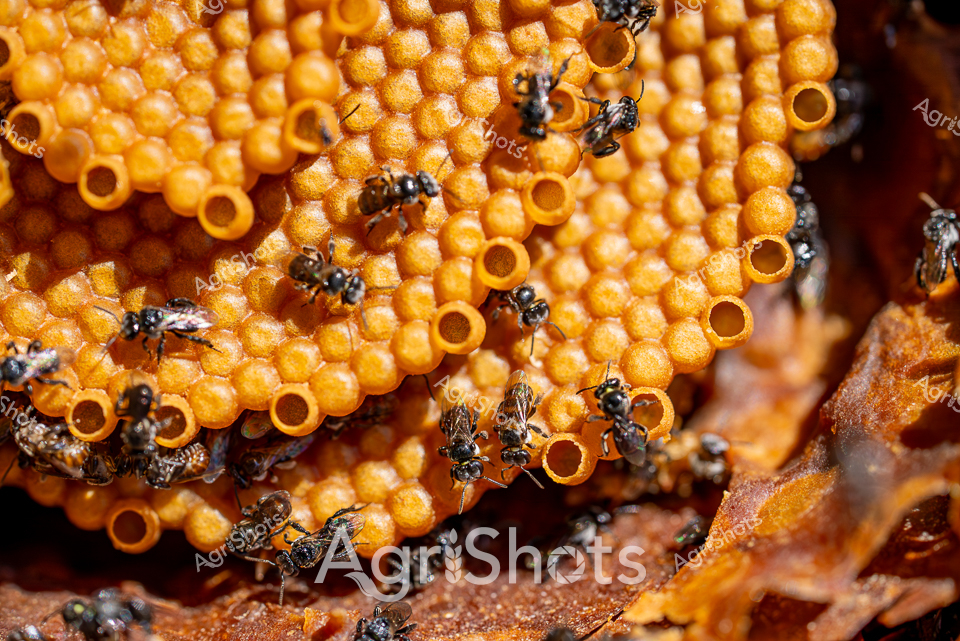
Molten amber and golden hues cascade across this intimate macro view of honeycomb, revealing the intricate architectural marvel of a thriving bee colony. Crystalline droplets of honey glisten like tiny prisms, catching light and showcasing the rich topography of hexagonal wax cells. Minuscule native Australian stingless bees - likely Tetragonula carbonaria - navigate the complex surface, their tiny dark bodies contrasting against the luminous orange-brown landscape of their meticulously constructed home. The texture is simultaneously rugged and delicate, with fractured edges and smooth surfaces telling a story of collective labor and precision engineering. This close perspective from the Lockyer Valley in Queensland captures the winter season's subtle intensity, where bee colonies maintain their remarkable metabolic rhythms despite cooler temperatures. Every glistening surface speaks to the remarkable biomechanical complexity of these extraordinary insects, transforming nectar into liquid gold through an ancient and perfectly calibrated process.
 Image
Image
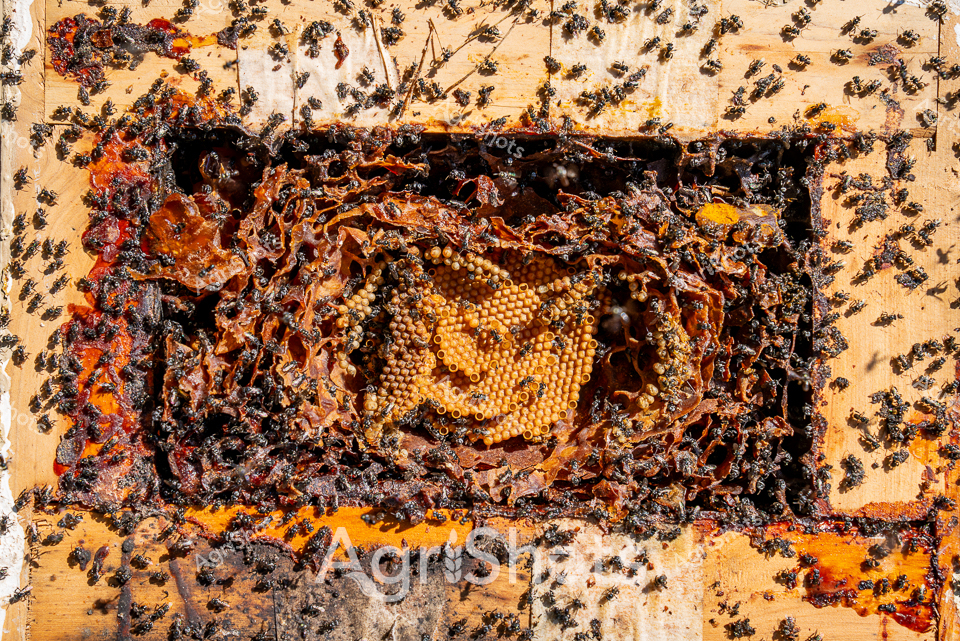
Honeycomb Symphony: Native Australian Stingless Bees at Work Golden hexagonal chambers pulse with life as native Australian stingless bees (Tetragonula carbonaria) meticulously tend their intricate brood nest. The rich amber-orange honeycomb glows with extraordinary texture, each perfectly formed cell revealing the precise architectural mastery of these tiny Queensland pollinators. Clusters of dark metallic-black bees navigate the complex surface, some emerging from cells, others entering with purpose, representing the constant motion of their sophisticated social structure. Winter light bathes the hive, capturing the delicate interconnectedness of this miniature ecosystem in the renowned Lockyer Valley agricultural region. Each rounded cell represents a potential new bee, a testament to the colony's remarkable reproductive strategy and critical role in local agricultural pollination. The image captures the extraordinary micro-world of these native insects, highlighting their importance to Australia's agricultural landscape and ecological balance.
 Image
Image
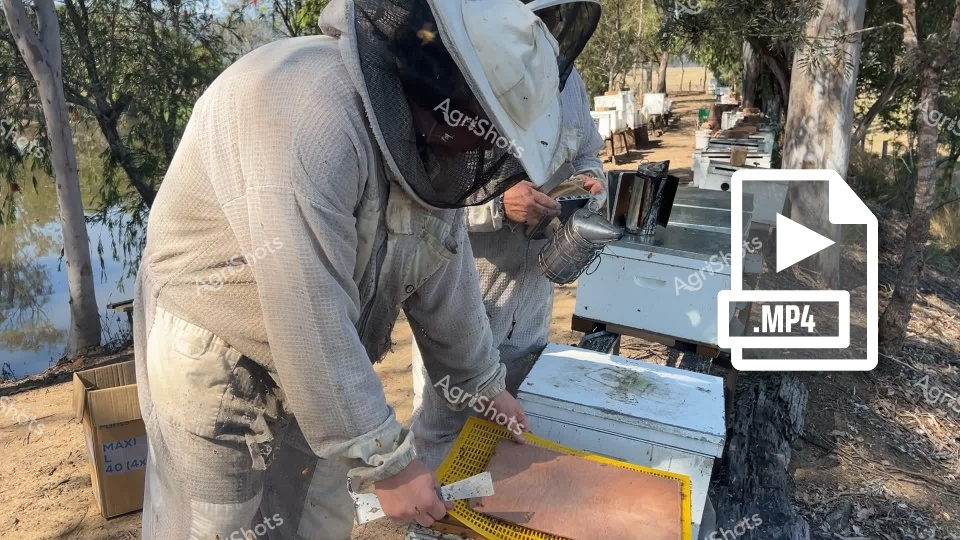
Golden honeycomb, rich with amber-hued honey, emerges from a densely populated hive teeming with native Australian stingless bees. The intricate hexagonal structure of the comb reveals layers of organic complexity, surrounded by clusters of tiny black bees moving with purposeful intensity across the weathered wooden surface. Warm ochre and burnt sienna tones dominate the image, capturing the raw texture of a winter apiary scene in Queensland's fertile Lockyer Valley region. Dark specks of bees blanket the edges of the frame, creating a living border around the central honeycomb that pulses with agricultural vitality. The close-up perspective offers an intimate glimpse into the sophisticated microarchitecture of a native bee colony, showcasing the delicate balance between insect industry and natural design. Sunlight catches the waxy golden cells, highlighting the remarkable precision and productivity of these small but essential pollinators in Australia's agricultural ecosystem.
 Video
Video
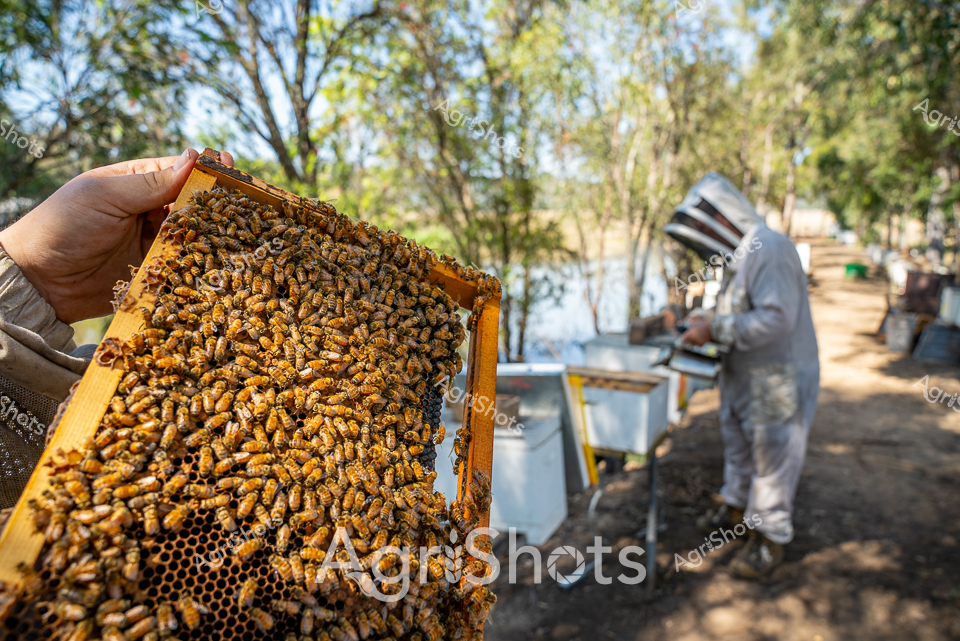
Draped in a full protective mesh beekeeping suit, a skilled apiarist carefully tends to a row of white bee hives nestled among gum trees in the Lockyer Valley. The pale mesh suit provides crucial protection against potential stings while allowing precise movements as the beekeeper manipulates a stainless steel smoker - an essential tool for calming the hive during inspection. Yellowed wooden platforms support the pristine white hive boxes, creating a structured arrangement against the natural bushland backdrop of sandy ground and scattered trees. Soft dappled sunlight filters through the surrounding eucalyptus, suggesting a mild spring morning perfect for hive maintenance. The meticulous approach of the beekeeper speaks to the delicate art of apiculture - a critical agricultural practice supporting crop pollination and honey production across Queensland's rich agricultural landscape. Each careful movement reflects years of practiced skill, connecting human expertise with the intricate world of bee colonies in this quintessential Australian rural setting.
 Image
Image
Bathed in warm spring sunlight, this vibrant apiary scene captures the intricate world of beekeeping in Queensland's lush Lockyer Valley. A beekeeper in a crisp white protective suit meticulously tends to the hives, carefully lifting a honeycomb frame densely packed with golden-brown honey bees. The frame is alive with movement, hundreds of industrious insects clustered tightly across the hexagonal wax cells, showcasing the remarkable social structure of these essential pollinators. Surrounding the beekeeper, white hive boxes are arranged in neat rows beneath a canopy of green trees, creating a serene and orderly agricultural landscape. The soft dappled light filtering through the branches highlights the rich textures of the wooden hive frames and the shimmering, collective movement of the bee colony. This intimate portrait celebrates the delicate symbiosis between human stewardship and nature's remarkable complexity, embodying the precision, patience, and ecological importance of Queensland's apiary industry.
 Image
Image
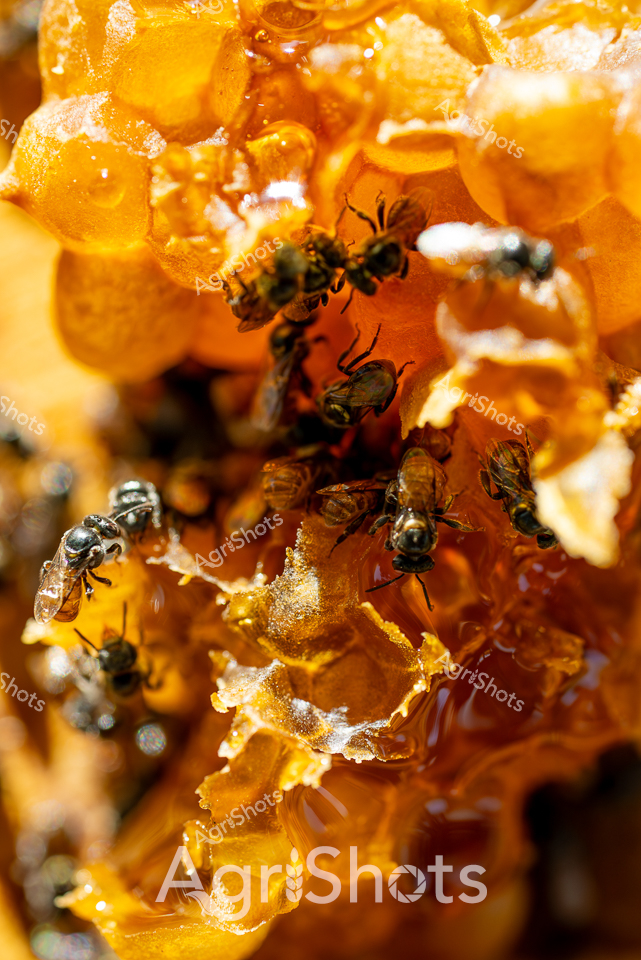
Honey-gold amber illuminates a macro world of industrious native Australian honeybees clustered across a honeycomb's glistening surface. Burnished golden cells pulse with organic texture, each bee meticulously working its segment of the hive structure, collecting and processing nectar. Delicate bee bodies move with precise choreography, their exoskeletons catching light against the rich, translucent honey background - a testament to the intricate symbiosis of these remarkable pollinators. The tight composition reveals the extraordinary detail of their collaborative labor, highlighting the Lockyer Valley's vibrant apiary ecosystem during the crisp winter months. Pollen-dusted workers navigate the waxy geometric landscape, their movements suggesting an almost architectural precision in honey production. This intimate portrait celebrates the unseen complexity of native bee colonies, showcasing their critical role in Queensland's agricultural biodiversity.
 Image
Image
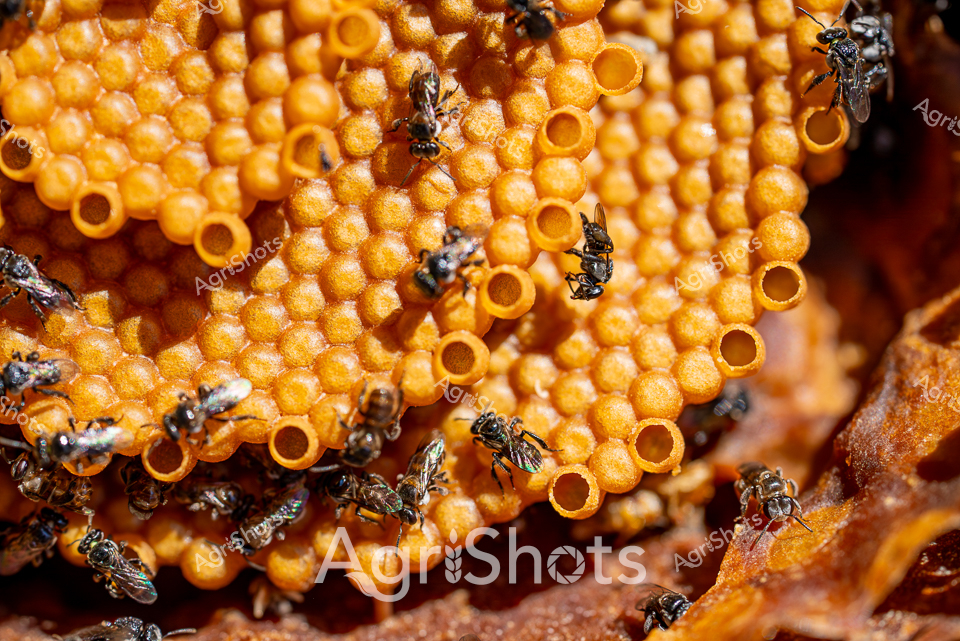
Honeycomb Architecture: Native Australian Stingless Bee Nursery Golden hexagonal chambers pulse with life as native Australian stingless bees tend their intricate brood structure. The luminous amber honeycomb glows with warm winter light, each perfectly symmetrical cell a precise nursery for developing larvae. Tiny black bees move meticulously across the surface, some entering and exiting the circular openings with ritualistic precision, while others cluster around the edges of the waxy architectural marvel. The rich ochre and burnt orange tones of the honeycomb contrast dramatically with the darker bodies of the bees, creating a mesmerizing tapestry of agricultural microcosm. This extraordinary close-up reveals the extraordinary engineering of Queensland's native bee species, capturing the delicate ecosystem of the Lockyer Valley's apiary environment with remarkable clarity and intimacy. Each cell represents a potential future worker, a testament to the complex social structure and remarkable reproductive strategy of these essential pollinators.
 Image
Image
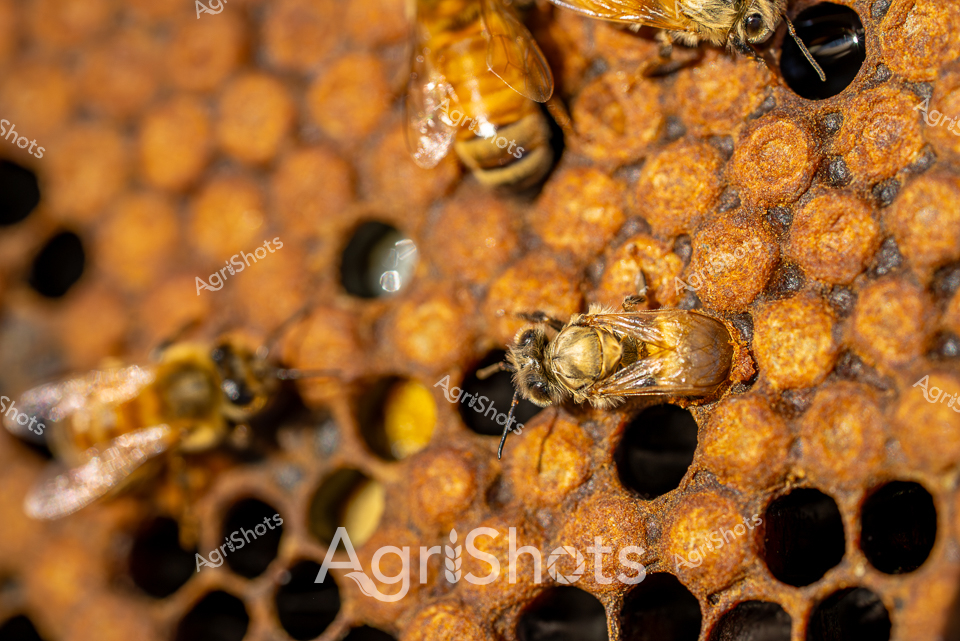
Golden honeycomb teems with life as worker bees cluster around newly emerging larvae in intricate hexagonal cells. The rich amber and ochre tones of the wax create a vibrant organic texture, with deep black spaces between the cells revealing the complex inner structure of the hive. Delicate bee wings catch the light, their bodies moving with purposeful precision across the surface of the brood chamber. Tiny larvae curl within their individual chambers, representing the next generation of this sophisticated agricultural ecosystem. This intimate macro view captures the remarkable micro-world of bee reproduction, highlighting the Lockyer Valley's crucial role in agricultural pollination and honey production during the fertile spring season. Each bee moves with choreographed efficiency, embodying the extraordinary collective intelligence of the hive - a living, breathing organism that is fundamental to Queensland's agricultural landscape.
 Image
Image
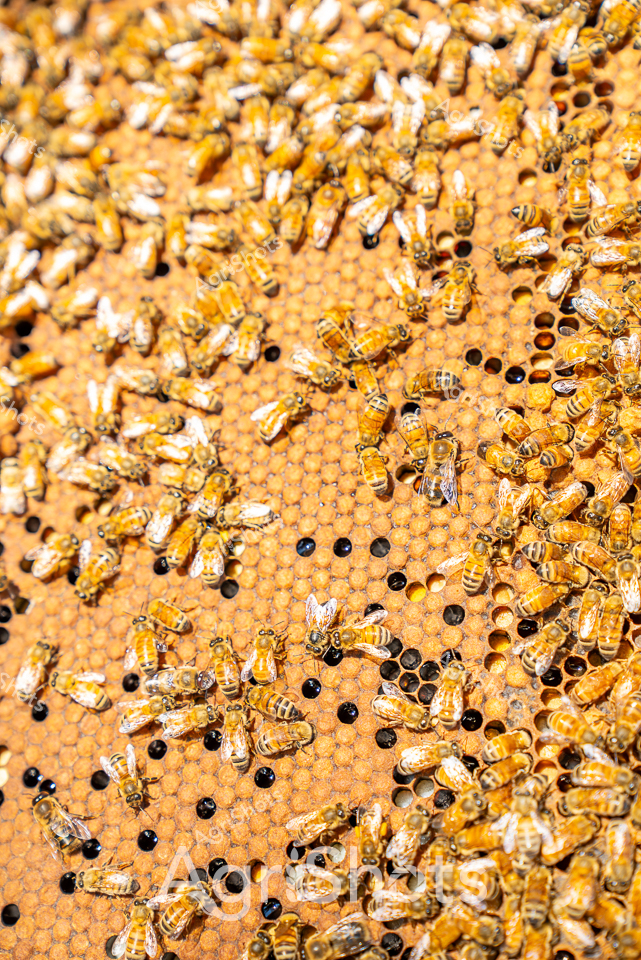
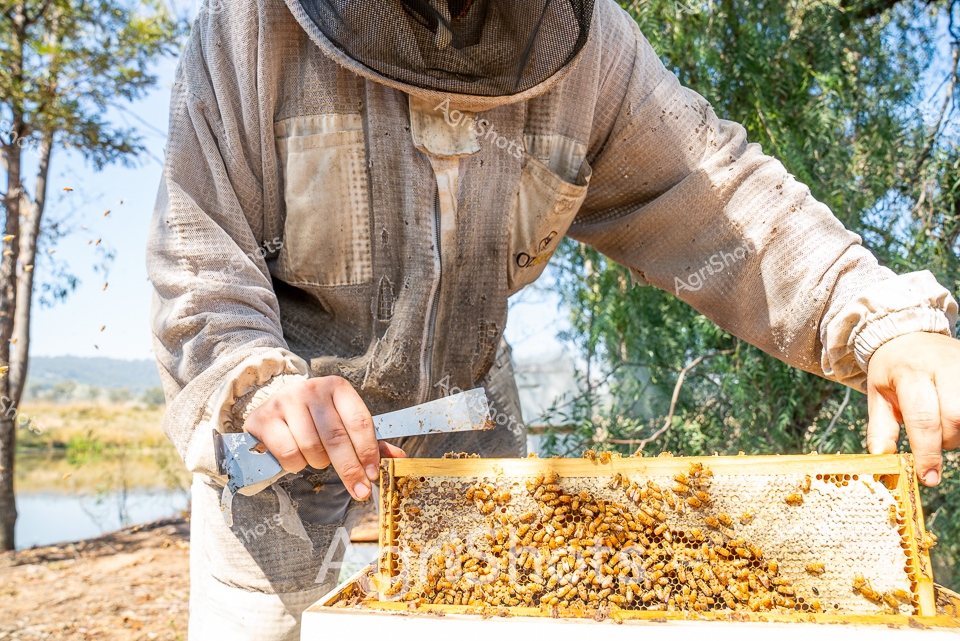
Honey Harvest in the Lockyer Valley Golden sunlight bathes a densely populated honeycomb, revealing the intricate world of a thriving bee colony. Dozens of industrious honey bees move across the rich amber-toned wax surface, their striped bodies weaving between hexagonal cells filled with honey and developing larvae. Dark capped brood cells punctuate the honeycomb, indicating the next generation of pollinators in various stages of development. The image captures the remarkable social structure of these crucial agricultural workers, each bee playing a precise role in the hive's complex ecosystem. Captured during the vibrant spring season in Queensland's fertile Lockyer Valley, this close-up reveals the extraordinary detail of apiary life - a testament to the remarkable productivity and organizational precision of bee colonies that are essential to agricultural pollination and honey production. The warm golden and amber tones suggest the rich agricultural landscape of the region, where these industrious insects contribute significantly to crop health and local farming ecosystems.
 Image
Image
Clad in a light canvas beekeeping suit, a skilled apiarist carefully inspects a honey-laden frame teeming with golden-brown bees in the lush Lockyer Valley. Sunlight filters through surrounding eucalyptus trees, casting a warm glow on the scene of meticulous hive management. Delicate movements reveal years of expertise as the beekeeper gently manipulates the frame, surrounded by a cloud of industrious pollinators. The textured, worn protective gear speaks to countless hours spent tending these crucial agricultural workers, capturing the essence of Queensland's vibrant apiary industry during the abundant spring season. Bees cluster densely across the honeycomb, their intricate work a testament to the symbiotic relationship between human stewardship and natural productivity. This moment encapsulates the art and science of honey production, showcasing the careful craft of sustainable beekeeping in one of Australia's most fertile agricultural regions.
 Video
Video
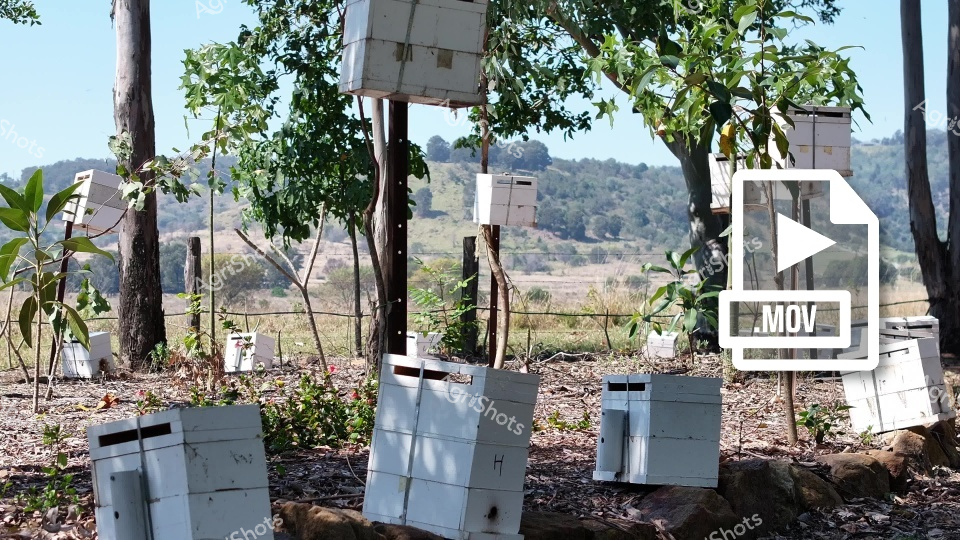
Native bee hives stand sentinel in a tranquil winter landscape of the Lockyer Valley, Queensland. Weathered white bee boxes are carefully positioned among slender tree trunks and sparse winter vegetation, creating a precise agricultural arrangement against the rolling background hills. The ground is carpeted with fallen leaves and scattered stones, suggesting a carefully maintained but natural apiary setting. Soft morning light filters through the sparse tree canopy, casting gentle shadows across the bee boxes and highlighting the rustic, functional design of the hives. These stingless native Australian bee colonies, likely Tetragonula species, are strategically placed to maximize their pollination potential in this productive agricultural region. The scene captures the careful balance of agricultural management and natural ecosystem, with the white hive boxes standing as quiet sentinels of sustainable farming practices in the Queensland landscape.
 Image
Image
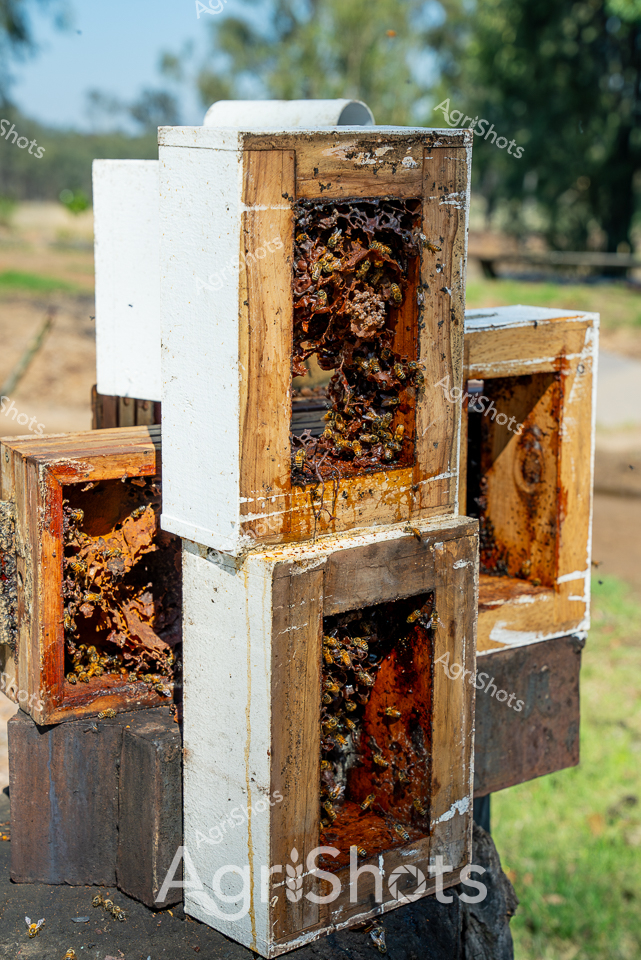
Stacked wooden bee hives reveal the intricate inner workings of a thriving native Australian apiary. Worn white and weathered timber boxes are carefully arranged, exposing honeycomb-filled chambers rich with golden-brown propolis and dense clusters of buzzing native stingless bees. The winter landscape of Queensland's Lockyer Valley stretches behind the hives, with muted green pastures and soft distant treelines creating a serene backdrop for this sustainable agricultural practice. Each hive box shows the complex organic textures of bee activity - layers of honey, wax, and bee colonies pressed into the wooden compartments, telling a story of meticulous beekeeping and the delicate ecosystem of native pollinators. Rust-toned stains and aged wood grain speak to the traditional methods of managing these important agricultural partners, highlighting the connection between careful cultivation and the natural rhythms of insect life. This intimate view into a native bee colony captures the quiet industry and remarkable architectural precision of these essential agricultural workers.
 Image
Image
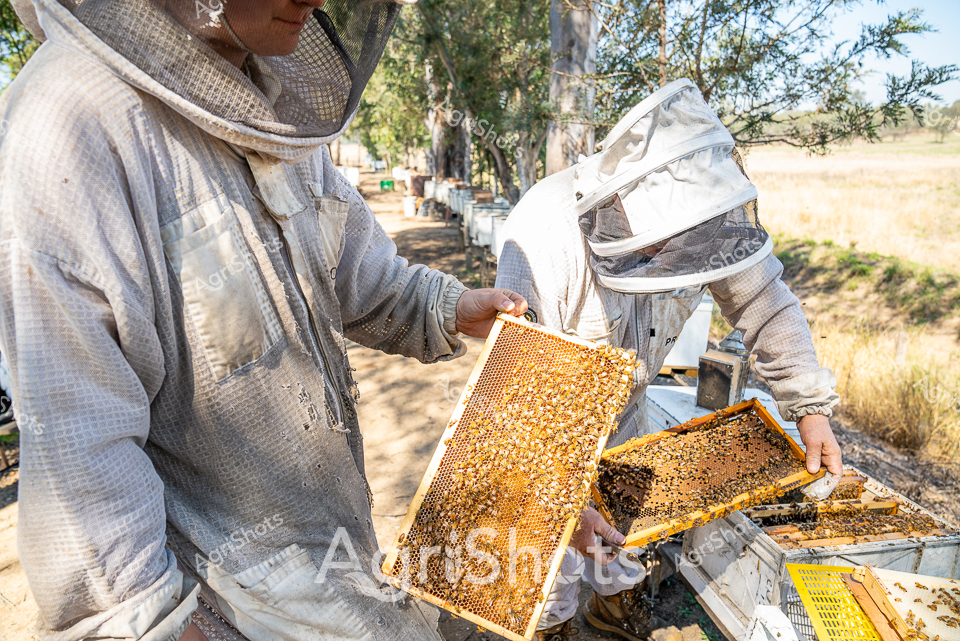
Beekeepers tend to a vibrant honey production site in Queensland's lush Lockyer Valley, their protective mesh veils and lightweight summer suits shielding them from potential stings. Sunlight filters through surrounding eucalyptus trees, casting dappled shadows across rows of pale wooden hive boxes nestled in golden grasslands. Skilled hands carefully lift honeycomb frames thick with golden-amber honey cells, revealing the intricate geometric patterns created by industrious worker bees. The light gauzy protective clothing in soft greys and whites contrasts beautifully with the rich amber and brown tones of the active hive, capturing the delicate yet precise work of apiary management during peak spring harvesting season. Each carefully extracted frame demonstrates the symbiotic relationship between human agricultural skill and the remarkable natural engineering of bee colonies. The scene radiates a sense of quiet concentration and deep respect for these essential pollinators and honey producers, fundamental to Australia's rich agricultural ecosystem.
 Image
Image
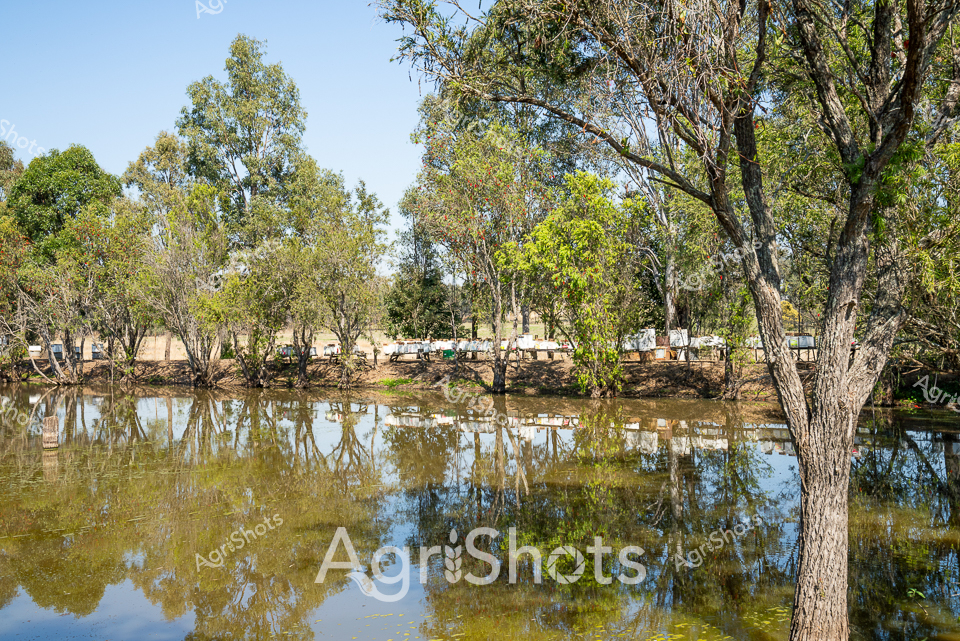
Tranquil winter light filters through a grove of eucalyptus trees along a serene waterway in Queensland's Lockyer Valley. Neat rows of white bee hives nestle against the tree line, positioned strategically near a reflective dam that mirrors the landscape with crystalline precision. The soft green and grey foliage of mature gum trees creates a sheltered microclimate, ideal for supporting a healthy apiary environment. Water levels hint at the seasonal rhythms of this agricultural landscape, with flooding providing natural nourishment to the surrounding ecosystem. The carefully placed hives suggest a professional approach to beekeeping, leveraging the rich biodiversity of the region to support honey production and crucial pollination services. This scene captures the delicate balance between agricultural practice and natural landscape - a quintessential Australian agricultural vista where human intervention works in harmony with the native environment.
Well, you've ploughed through the whole field!
No more crops to harvest here, mate.
Try searching for something else in our library of 50,000+ royalty-free media: