 Image
Image
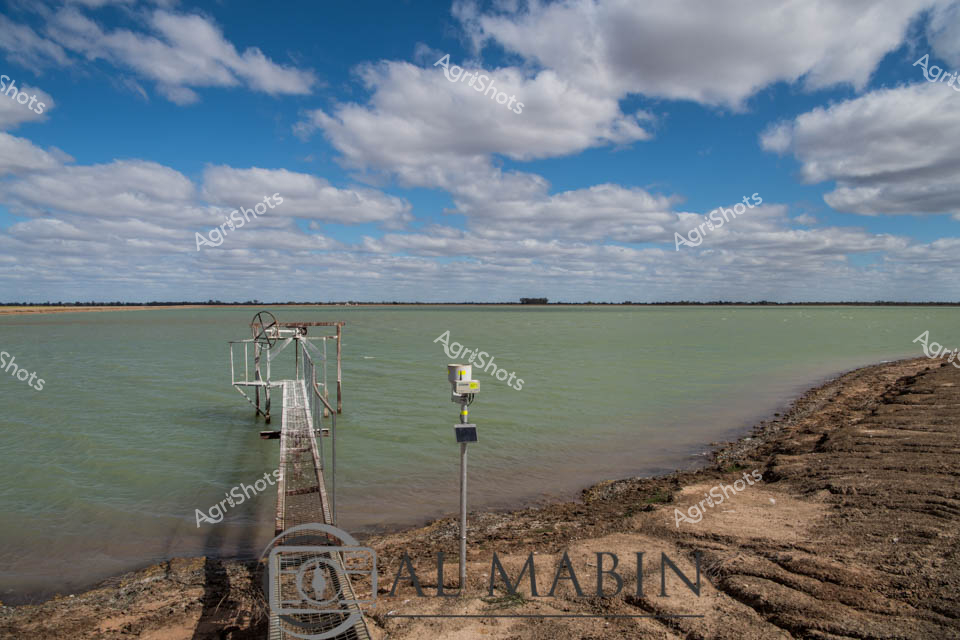
Piercing the pale green waters of a vast rural dam, a weathered steel pump station stands sentinel against an expansive sky of billowing cumulus clouds. The metal walkway, rusted and angular, extends like a mechanical lifeline across the tranquil water surface, connecting the shoreline to a central monitoring station. A modern telemetry sensor stands alongside, collecting critical data about water levels and flow - a silent guardian of agricultural productivity in this remote Australian landscape. The dam's shoreline reveals the raw texture of compacted earth, its edges sculpted by seasonal water fluctuations, telling a story of persistent drought and careful water management. This infrastructure represents the lifeblood of agricultural sustainability in New South Wales, where every megalitre of water is precious and precisely tracked. The scene captures the intersection of engineering and natural environment - a testament to human adaptation in a challenging agricultural ecosystem, where irrigation systems transform arid landscapes into productive farmland.
 Image
Image
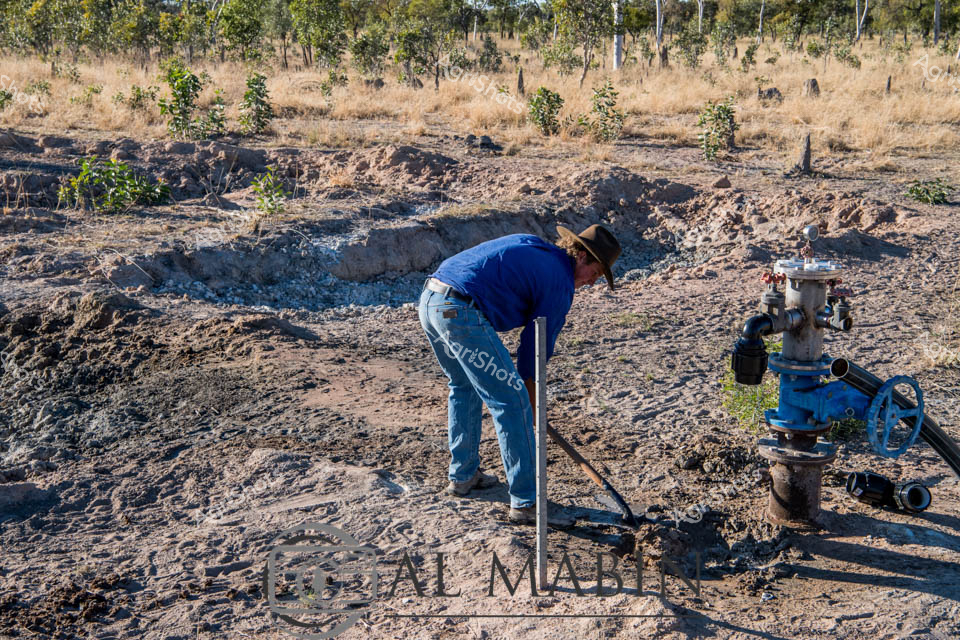
A station hand in a crisp blue work shirt and wide-brimmed hat bends intently over a weathered bore pump in a sun-drenched Queensland pastoral landscape. Dry golden grasses and scattered eucalyptus trees frame the rugged terrain, highlighting the challenging environment of remote agricultural operations. The blue industrial pump stands as a critical piece of infrastructure, connected to a network of poly pipes that deliver precious water across the arid station grounds. Disturbed earth and carefully dug trenches surrounding the pump reveal the manual labor required to maintain water supply systems in this unforgiving landscape. The worker's careful posture suggests meticulous attention to mechanical details, a hallmark of skilled station maintenance. Harsh sunlight casts sharp shadows across the dusty ground, emphasizing the stark beauty of rural Queensland's working landscapes and the essential role of water infrastructure in sustaining agricultural production.
 Image
Image
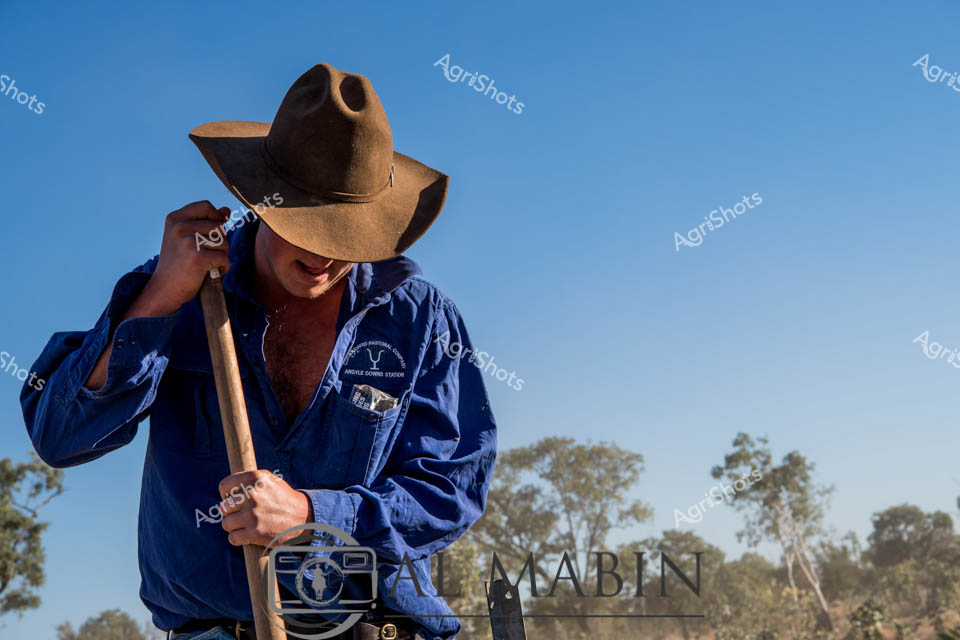
Australian rural landscape captured under a brilliant blue midday sky, featuring a station hand prepared for essential water infrastructure maintenance. Wearing a classic wide-brimmed outback hat and a deep blue work shirt with a station logo, the worker grips a long-handled tool, embodying the resilient spirit of remote agricultural workers. The rugged pastoral backdrop of sparse eucalyptus trees and open terrain speaks to the challenging environment of Queensland's inland stations, where water management is critical to livestock survival. His posture suggests readiness and purpose - a solitary figure representing generations of agricultural workers who maintain the lifeline of Australia's agricultural heartland. The composition highlights the stark beauty of rural working life, where individual effort and preparedness are key to sustaining agricultural operations in harsh, expansive landscapes. The image resonates with the quiet determination of those who keep remote stations operational, managing water resources with skill and dedication.
 Image
Image
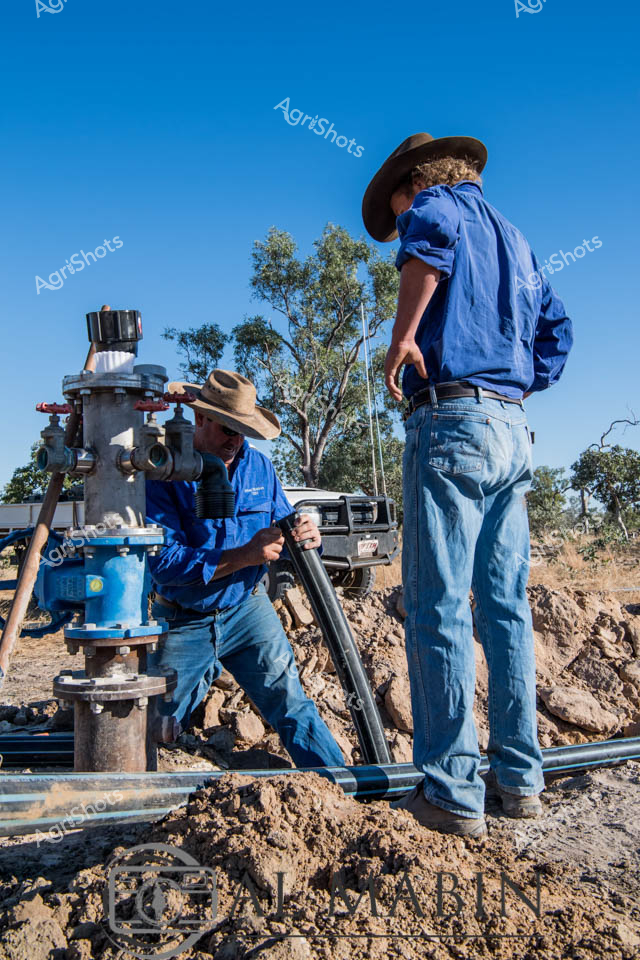
Remote Queensland bore maintenance under brilliant azure skies: two station workers in classic blue workshirts and wide-brimmed sun hats carefully inspect and manage critical water infrastructure. One worker crouches intently near a substantial blue industrial pump mechanism, manipulating a black poly pipe section, while his colleague stands observing the technical work. The rocky, ruddy earth surrounding the installation speaks to the harsh, unforgiving landscape of the outback, with sparse eucalyptus trees offering minimal shade against the intense midday sunlight. Their sturdy denim work pants, practical boots, and focused postures reveal generations of agricultural expertise - understanding that reliable water supply is the lifeblood of remote cattle stations. This scene captures the essential, unglamorous yet crucial work of maintaining rural water systems, where precision and resilience are as important as the heavy-duty equipment itself. The image radiates a sense of quiet competence, typical of skilled station hands who keep isolated properties functioning through meticulous attention to infrastructure.
 Image
Image
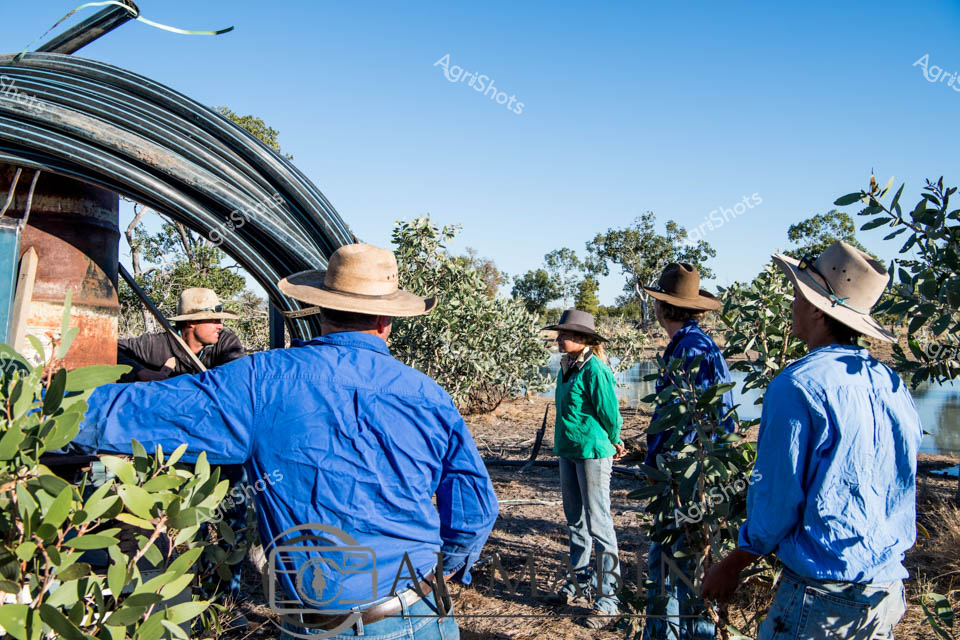
Queensland cattle station workers cluster around a water infrastructure setup, their blue workshirts and wide-brimmed akubra hats creating a uniform silhouette against the sparse, sun-drenched landscape. A curved metal bore structure arches overhead, with black poly pipes suggesting a complex water reticulation system for remote pastoral operations. The workers, positioned amid sparse grey-green eucalyptus and native scrub, appear focused on equipment maintenance or operational discussions, their body language suggesting collaborative problem-solving in a challenging agricultural environment. Bright mid-morning sunlight casts sharp shadows, highlighting the rugged terrain and highlighting the practical, hard-wearing nature of station work. A green-shirted worker provides a visual counterpoint to the predominantly blue workplace attire, breaking the visual monotony of the arid backdrop. The scene captures the essence of Australian agricultural resilience - workers managing critical water infrastructure in a landscape that demands constant attention and technical skill. The waterline infrastructure, poly pipes, and strategic positioning of the workers communicate the precision and planning required in remote cattle station management, where water supply can mean the difference between survival and loss in harsh pastoral conditions.
 Image
Image
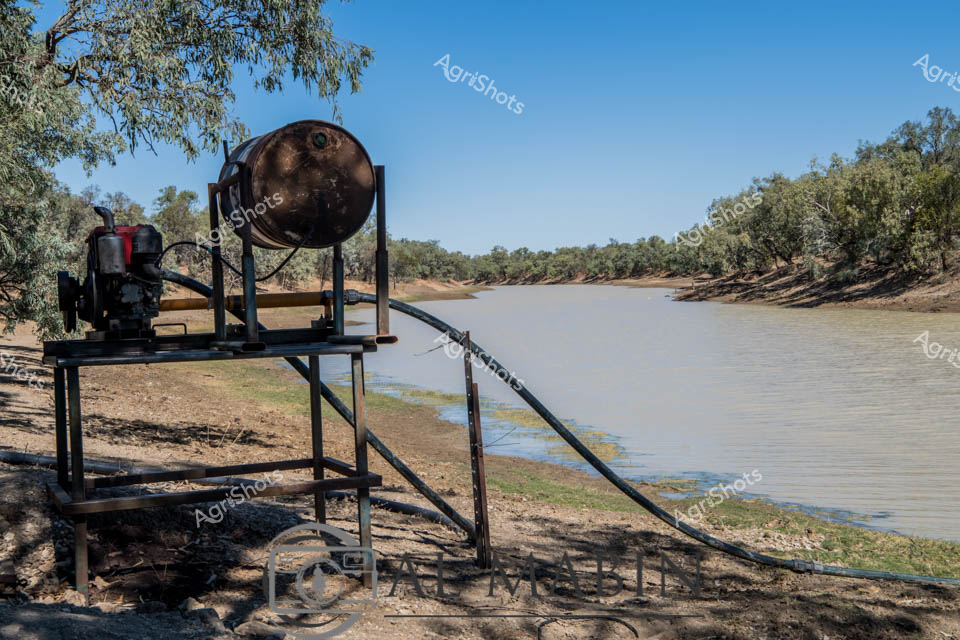
Remote Queensland cattle station waterline pump installation beside a languid river bend. Rugged steel water pump mounted on a robust metal frame, positioned near the banked edge of a muddy inland waterway lined with silvery eucalyptus trees. A large cylindrical water tank sits atop the elevated platform, connected by industrial piping that suggests reliable water extraction for livestock and station operations. The harsh Australian pastoral landscape reveals a dusty foreground transitioning to scrubland and river vegetation, capturing the resilient infrastructure required to sustain agricultural production in challenging arid environments. Weathered equipment and sun-bleached surroundings communicate the unforgiving yet beautiful nature of outback station life, where water management is critical to survival. The clear azure sky and muted earth tones underscore the stark, functional aesthetic of rural infrastructure designed to endure extreme conditions.
 Image
Image
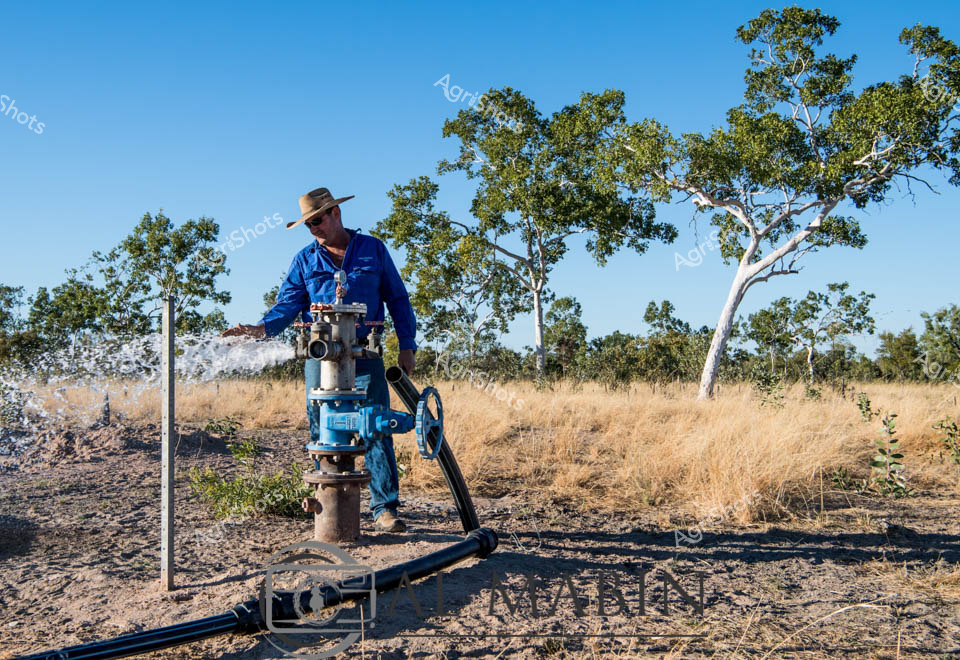
In the arid expanses of a Queensland cattle station, a station hand in a vivid blue work shirt and wide-brimmed hat operates a robust water bore pump. Surrounded by silvery-green eucalyptus trees and dry golden grasslands under a crystalline azure sky, he carefully manages the water infrastructure critical to rural survival. The industrial blue pump connects to black poly pipes, releasing a sparkling jet of water that will likely feed stock troughs across the parched landscape. Weathered earth and sparse native vegetation speak to the challenging environment of outback Queensland, where water management is an art form of survival and agricultural sustainability. The scene captures the quiet determination of rural workers who maintain essential infrastructure in some of Australia's most demanding agricultural terrains. Every movement and mechanism represents generations of knowledge about surviving and thriving in harsh, beautiful landscapes where water is more precious than gold.
 Image
Image
Nestled in the vast, parched landscape of rural New South Wales, an irrigation pump station stands sentinel beside a small dam, its weathered concrete structures emerging from the rich, brown earth. A robust water pump, painted in vibrant turquoise, sits sheltered beneath a white protective canopy, ready to channel precious water through rusted pipes across the meticulously furrowed agricultural terrain. The expansive paddock stretches to the horizon, its neat parallel lines of tilled soil testament to precision farming techniques that sustain agriculture in this challenging environment. Fluffy clouds drift across a pale blue sky, casting soft shadows on the undulating ground, while a large water storage tank sits nearby, its deep rust-red color contrasting against the earthy landscape. This scene captures the essence of Australian agricultural resilience - a sophisticated water management system that transforms arid ground into productive farmland, highlighting the critical role of irrigation in supporting crop production in one of the world's most challenging agricultural regions.
 Image
Image
A weary station hand pauses mid-task, leaning on a wooden implement under the unforgiving Queensland sun. Clad in a deep blue work shirt and a classic wide-brimmed stockman's hat, the worker catches a moment of respite in a rugged, rocky landscape dotted with sparse trees. The dry, dusty terrain speaks to the harsh conditions of remote Australian pastoral country, where every task requires intense physical labor and resilience. His posture suggests a brief moment of recuperation during what is likely a grueling day of maintenance work on a remote cattle station. The interplay of harsh sunlight and the worker's weathered appearance captures the raw essence of rural Australian agricultural life - a world of endurance, hard work, and connection to the unforgiving landscape. The image embodies the spirit of station hands who keep the agricultural backbone of Queensland running through their daily dedication and strength.
 Image
Image
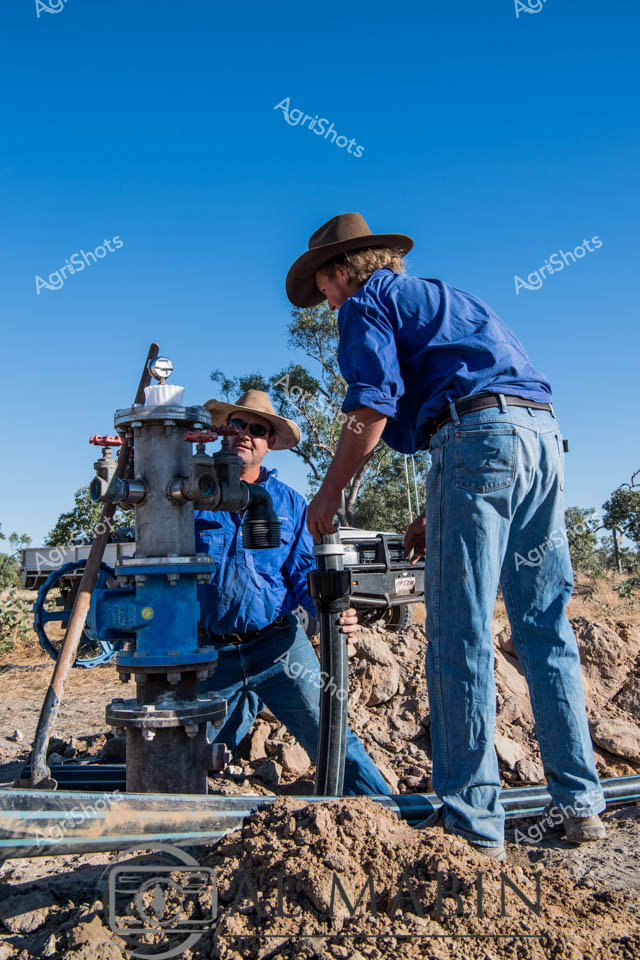
Remote Queensland Station Water Infrastructure Maintenance Rugged station workers wrestle with a critical water infrastructure component under a vast, cloudless azure sky. Dressed in characteristic blue work shirts and wide-brimmed akubra hats, these seasoned rural professionals carefully inspect and adjust a substantial bore water pump mounted amid rocky, sun-baked terrain. One worker crouches closely examining the industrial blue metallic pump mechanism, while his colleague stands attentively, ready to assist or provide guidance. The machinery - a robust industrial water pump with multiple pipe connections - represents the lifeline of agricultural operations in this unforgiving landscape. Surrounding rocky ground and scattered native vegetation highlight the challenging environment where reliable water infrastructure is crucial for pastoral survival. Their deliberate, expert movements suggest years of experience managing critical station resources, understanding that every mechanical adjustment could mean the difference between thriving and struggling livestock operations. The scene epitomizes the resilience and technical skill of Australian rural workers, who maintain complex systems in isolated locations where self-sufficiency isn't just a virtue - it's a necessity. Their coordinated effort captures the essence of outback station management: practical knowledge, teamwork, and unwavering dedication to keeping critical infrastructure operational.
Well, you've ploughed through the whole field!
No more crops to harvest here, mate.
Try searching for something else in our library of 50,000+ royalty-free media: