 Image
Image
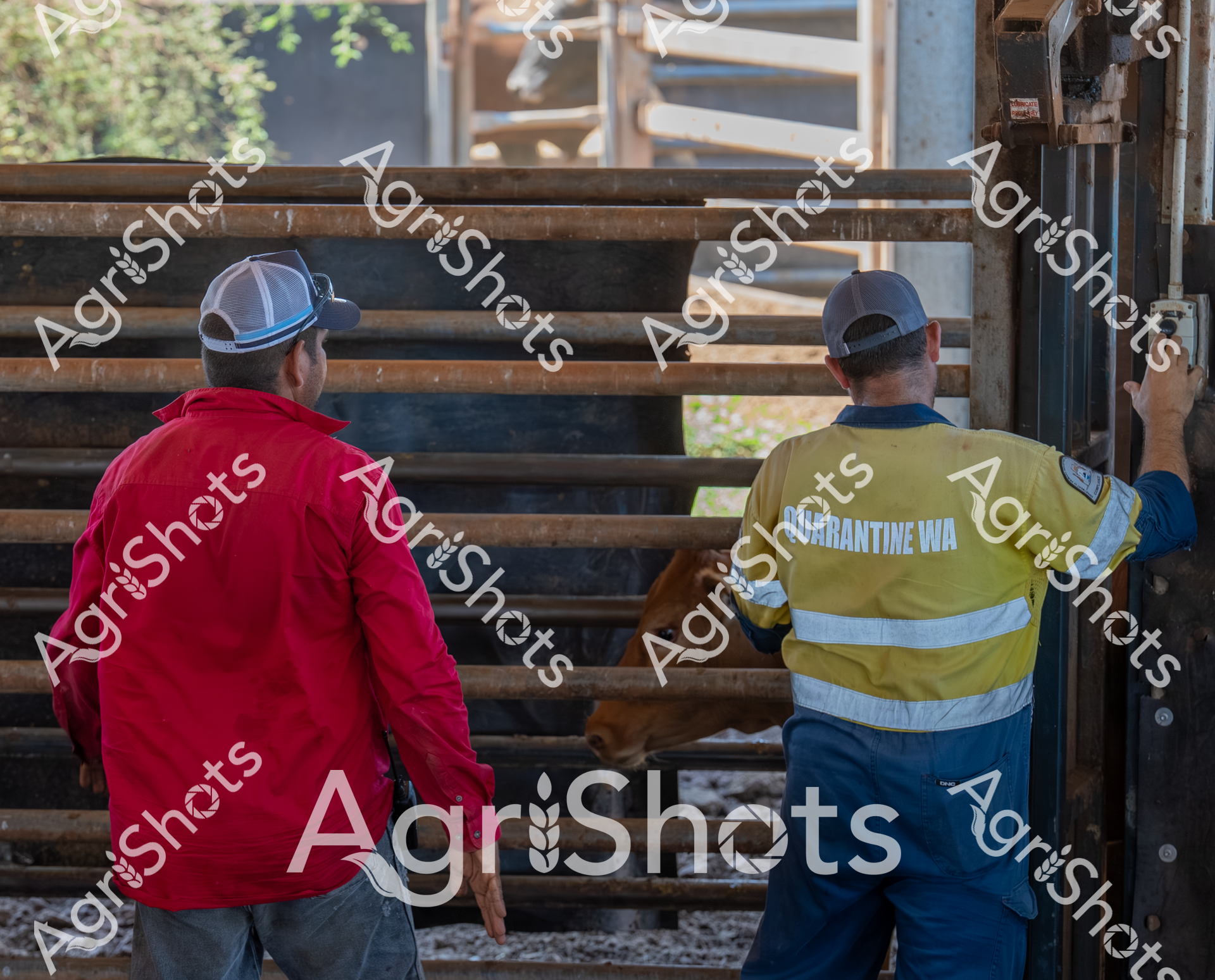
Two agricultural workers stand in a cattle yard, intently focused on monitoring livestock. Dressed in distinctive work attire - one in a bright red jacket and the other wearing a high-visibility yellow vest with "QUARANTINE WA" printed on the back - they examine cattle through the metal yard fencing. The scene appears to be located in Western Australia's Kimberley region, likely during spring, with glimpses of vegetation visible in the background. The metal stock yards create a structured environment for animal health inspection, with multiple horizontal rails creating a geometric backdrop. The workers' positioned stance suggests a careful, professional approach to livestock management, representing the critical role of quarantine and veterinary checks in Australia's agricultural export industry. The image captures the precise, methodical nature of agricultural work, where every detail matters in maintaining the health and quality of livestock. The robust infrastructure and attentive workers underscore the importance of animal welfare and biosecurity in modern farming practices.
 Image
Image
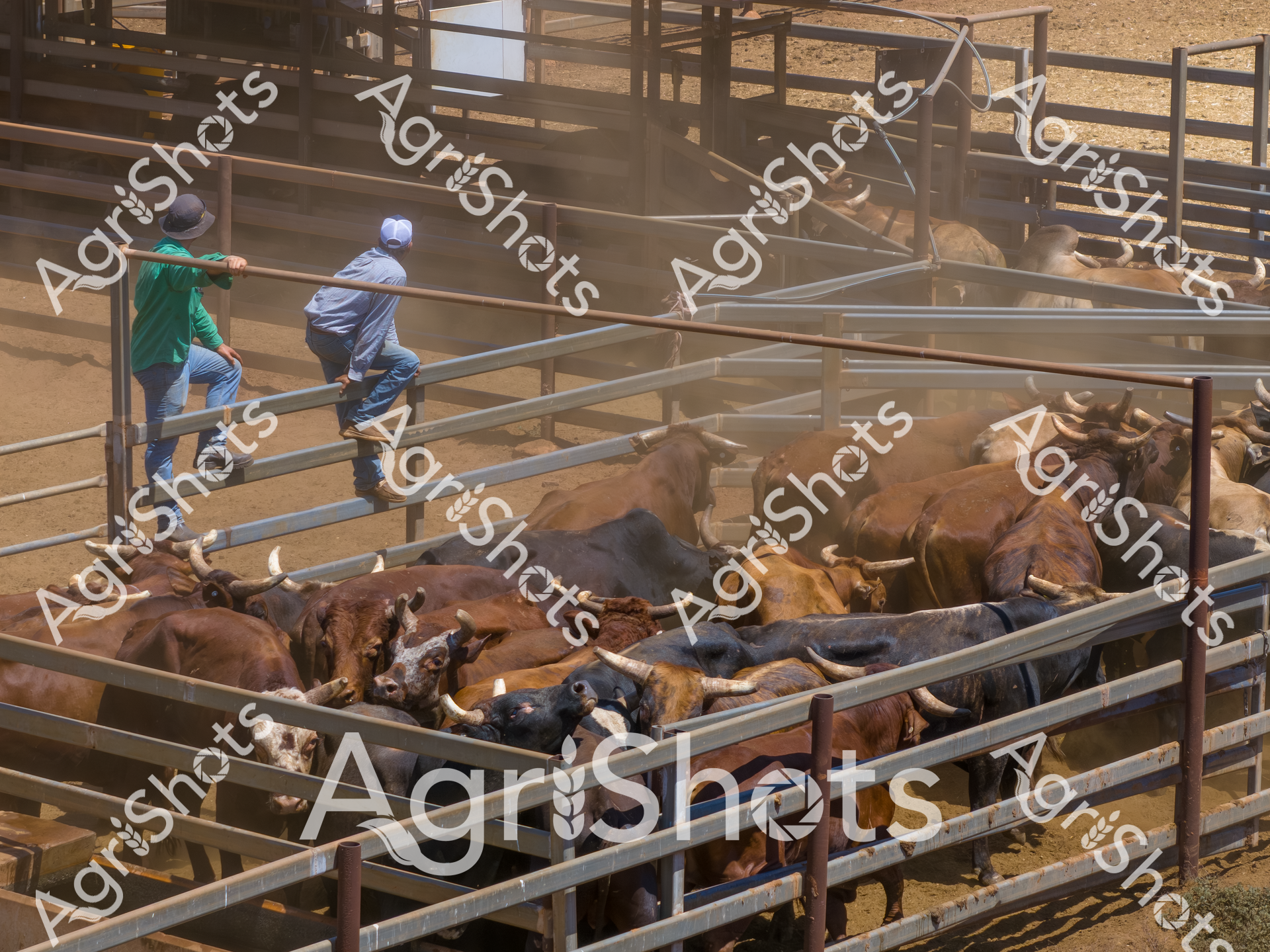
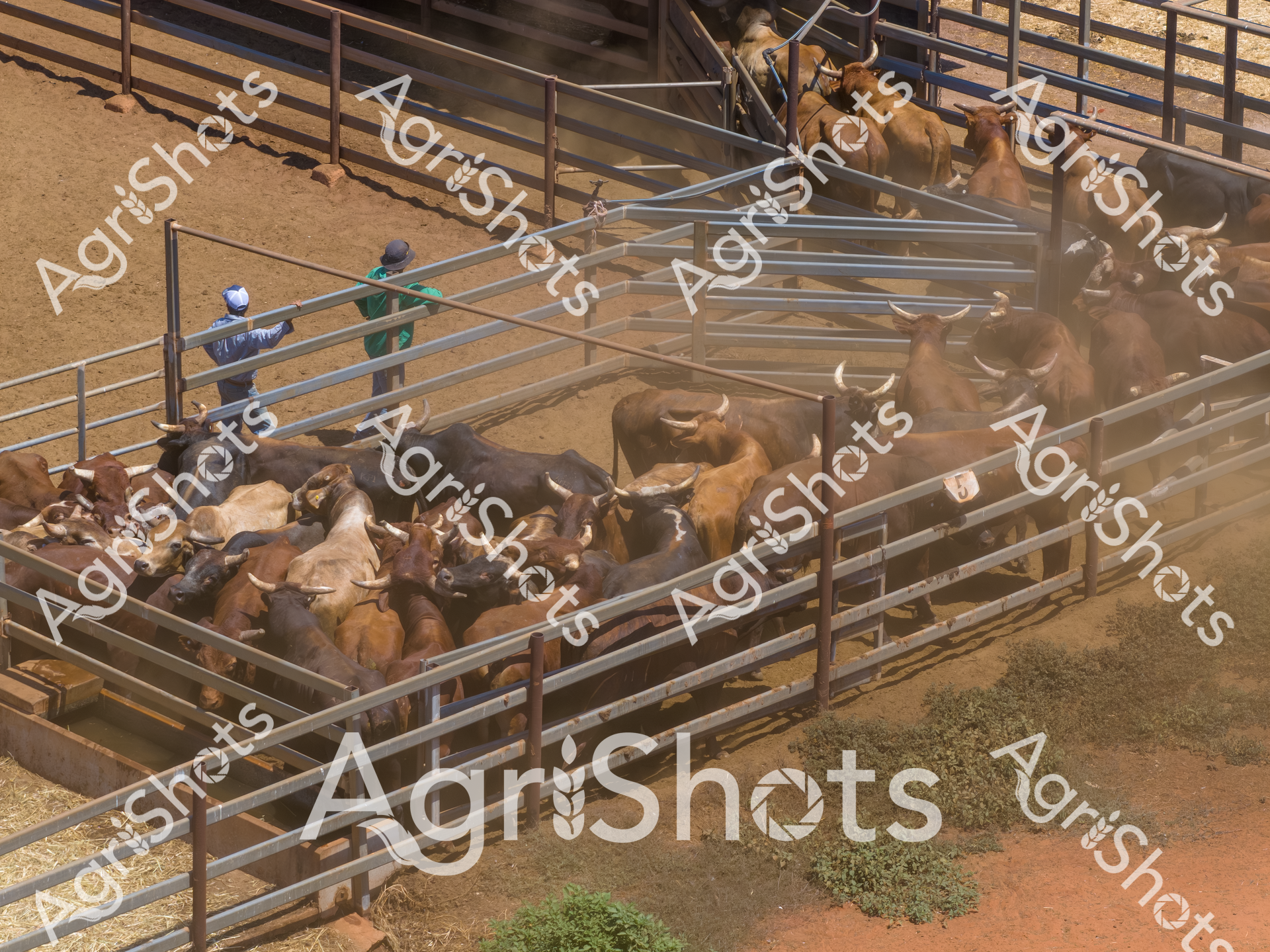
Stockyard dust billows around a tight cluster of robust cattle, their hides ranging from deep chocolate to mottled black and tan, packed into metal livestock pens under the harsh Kimberley sunlight. Two stockmen in contrasting green and blue work shirts carefully navigate the metal railings, positioning themselves to manage the mob during what appears to be a critical quarantine and health inspection process. The angular steel infrastructure creates geometric lines against the golden earth, highlighting the precision of Western Australian cattle export preparation. Each animal displays muscular confirmation typical of station-bred cattle, with pronounced horns and sturdy frames developed to withstand the unforgiving northern Australian landscape. The scene pulses with controlled energy - a moment of careful animal husbandry where veterinary scrutiny meets generational pastoral expertise. Rich earth tones, metallic pen structures, and the disciplined movement of experienced workers capture the rigorous protocols surrounding Australia's significant livestock export industry.
 Image
Image
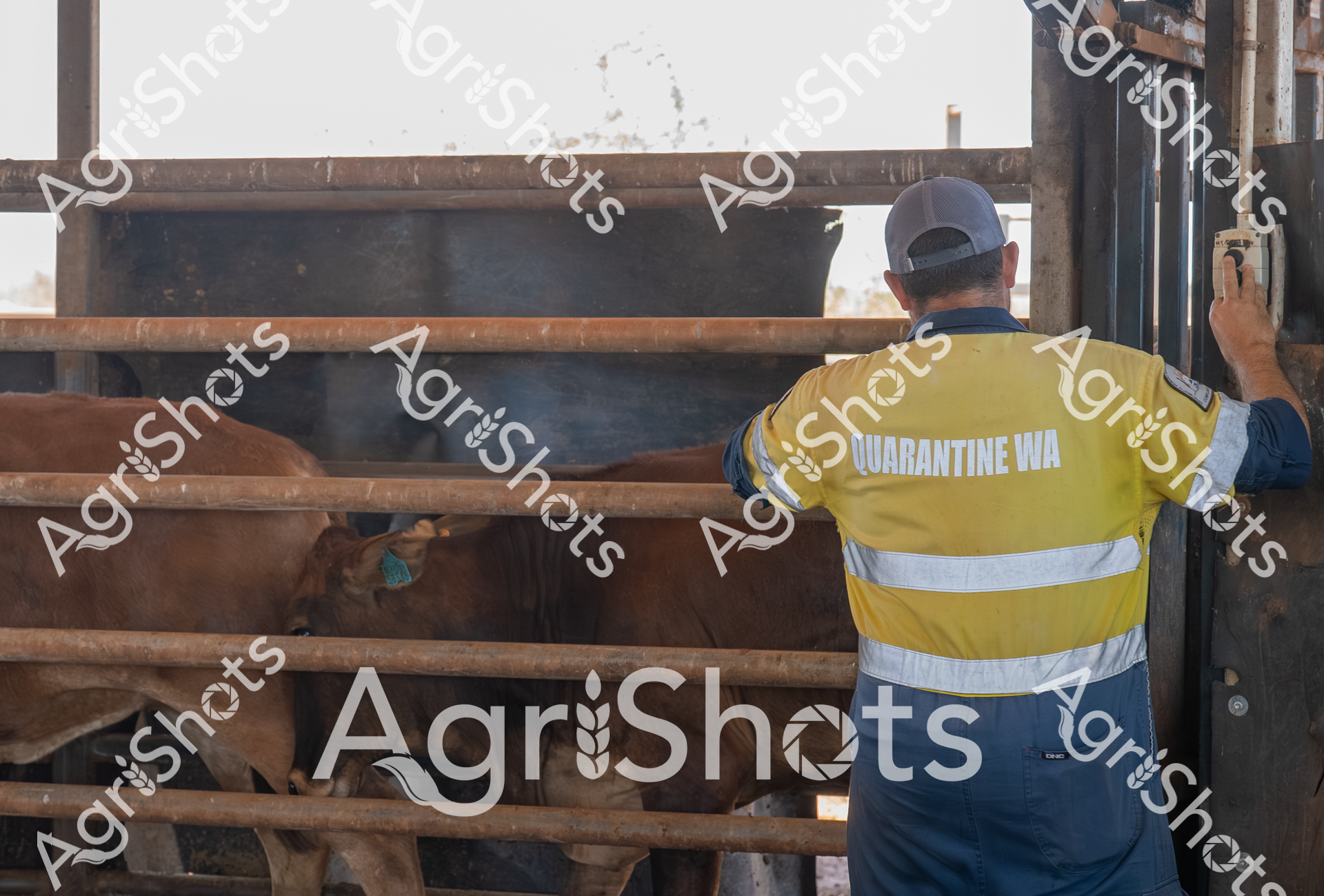
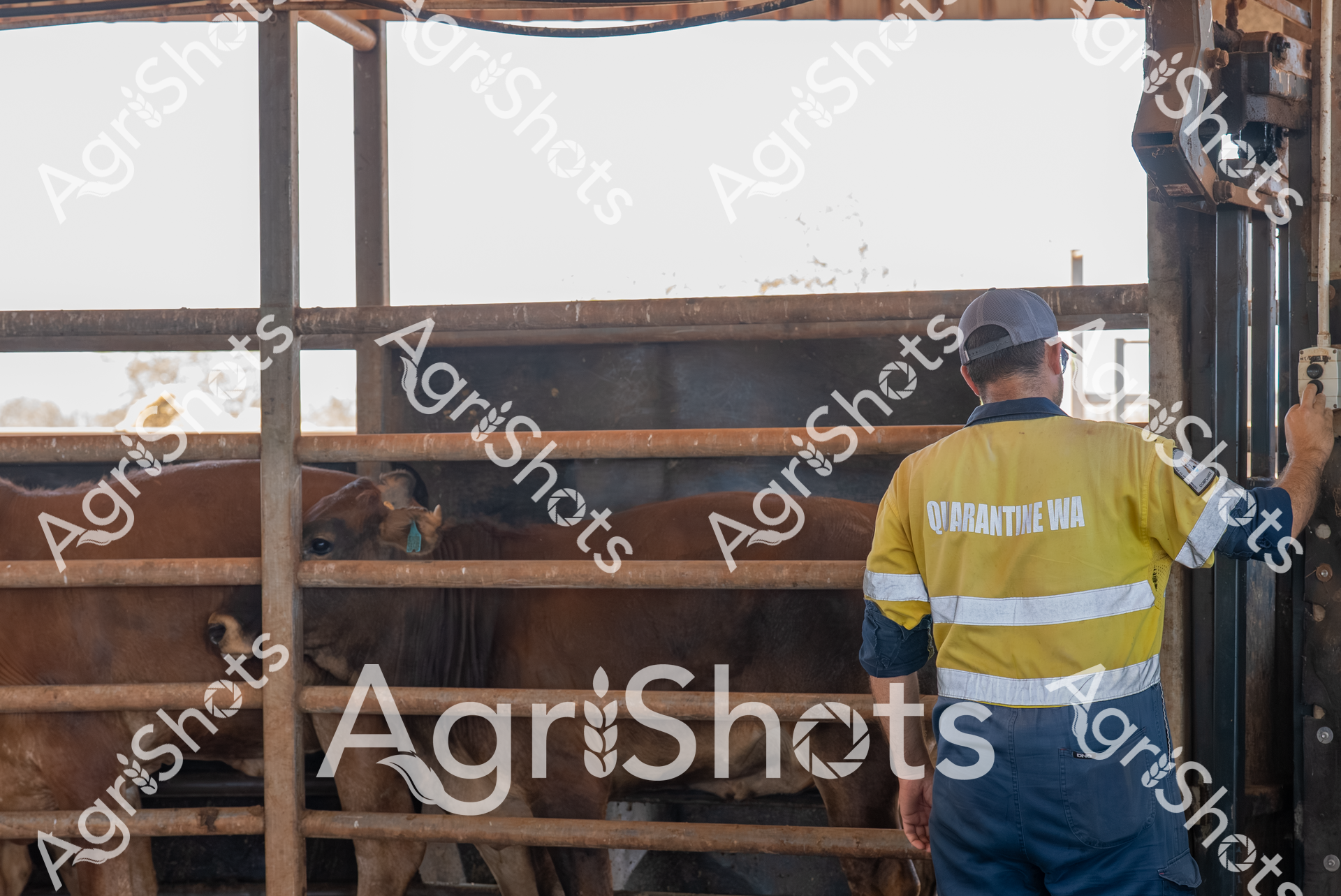
A quarantine officer stands with his back to the camera, surveying a group of cattle in a metal stock yard located in Western Australia's Kimberley region. Wearing a high-visibility yellow safety vest marked with "QUARANTINE WA" and a navy blue base layer, the worker maintains a professional stance while monitoring the livestock. Rust-colored cattle are densely packed within the sturdy metal railings, their muscular bodies creating a textural landscape of agricultural management and animal health protocols. The setting suggests a spring day, with bright, clear lighting illuminating the industrial yard environment. Metallic fencing and gates create a structured, systematic space designed for precise livestock handling and health inspection. The worker's positioning and attentive posture demonstrate the careful monitoring required in export-focused agricultural operations, where animal health and biosecurity are critical to maintaining Western Australia's reputation for high-quality livestock exports. The image captures the intersection of professional veterinary practice, agricultural infrastructure, and the rigorous standards of the Australian livestock industry, highlighting the meticulous processes behind managing and preparing animals for potential export or inter-regional movement.
 Image
Image
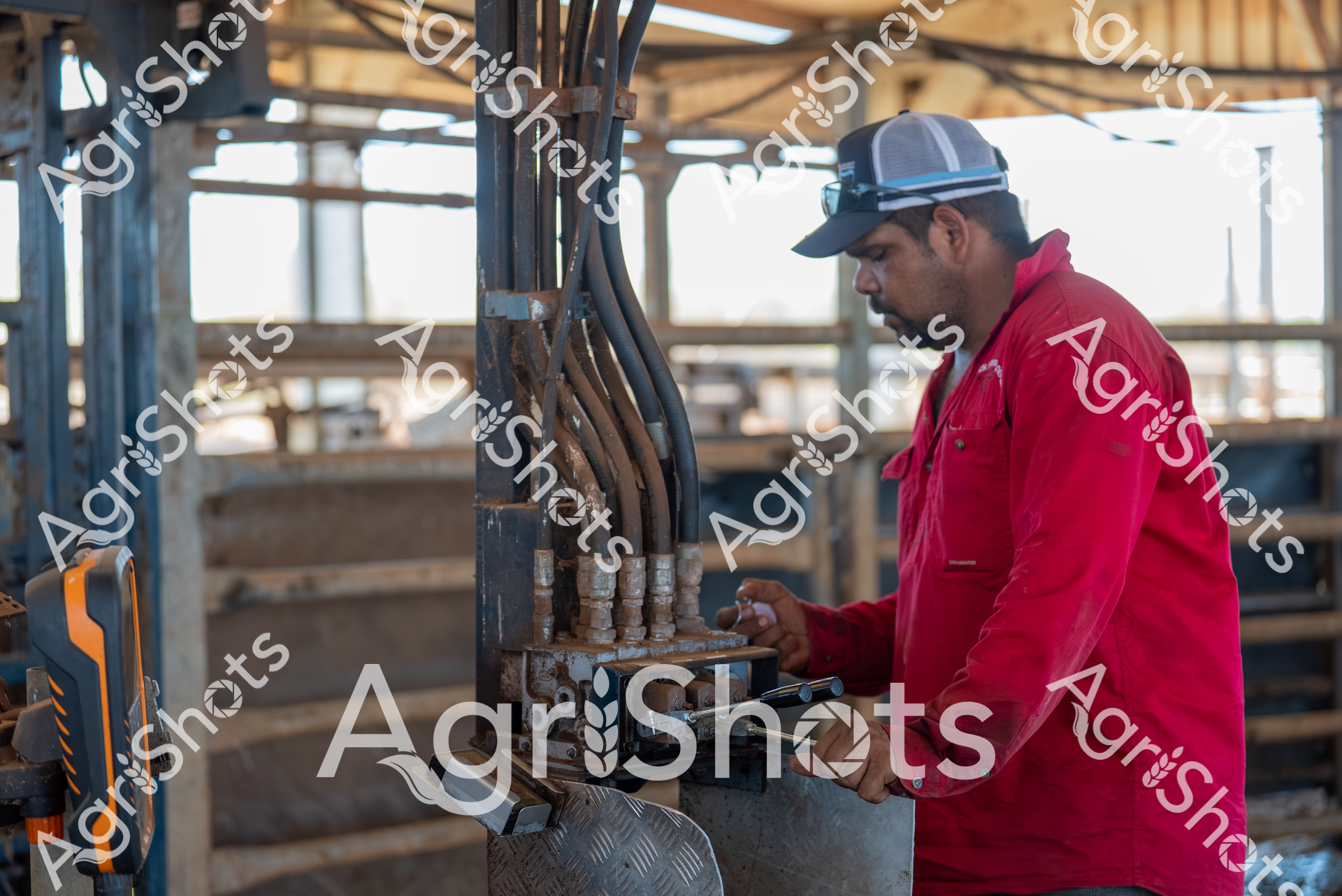
A skilled livestock worker in a bright red work shirt and protective hard hat carefully inspects hydraulic equipment in a robust metal cattle handling facility. The industrial steel infrastructure of the stock yards surrounds him, with multiple metal pipes and connection points visible in the foreground. Wearing safety gear typical of Western Australia's Kimberley region, the worker focuses intently on checking mechanical connections, suggesting a routine veterinary or quarantine process. The interior of the facility is bathed in soft natural light filtering through high windows, creating a sense of methodical preparation and professional animal management. The cool blue and grey tones of the metal infrastructure contrast sharply with the worker's vivid red clothing, emphasizing the precise and controlled environment of modern agricultural animal handling systems.
 Image
Image
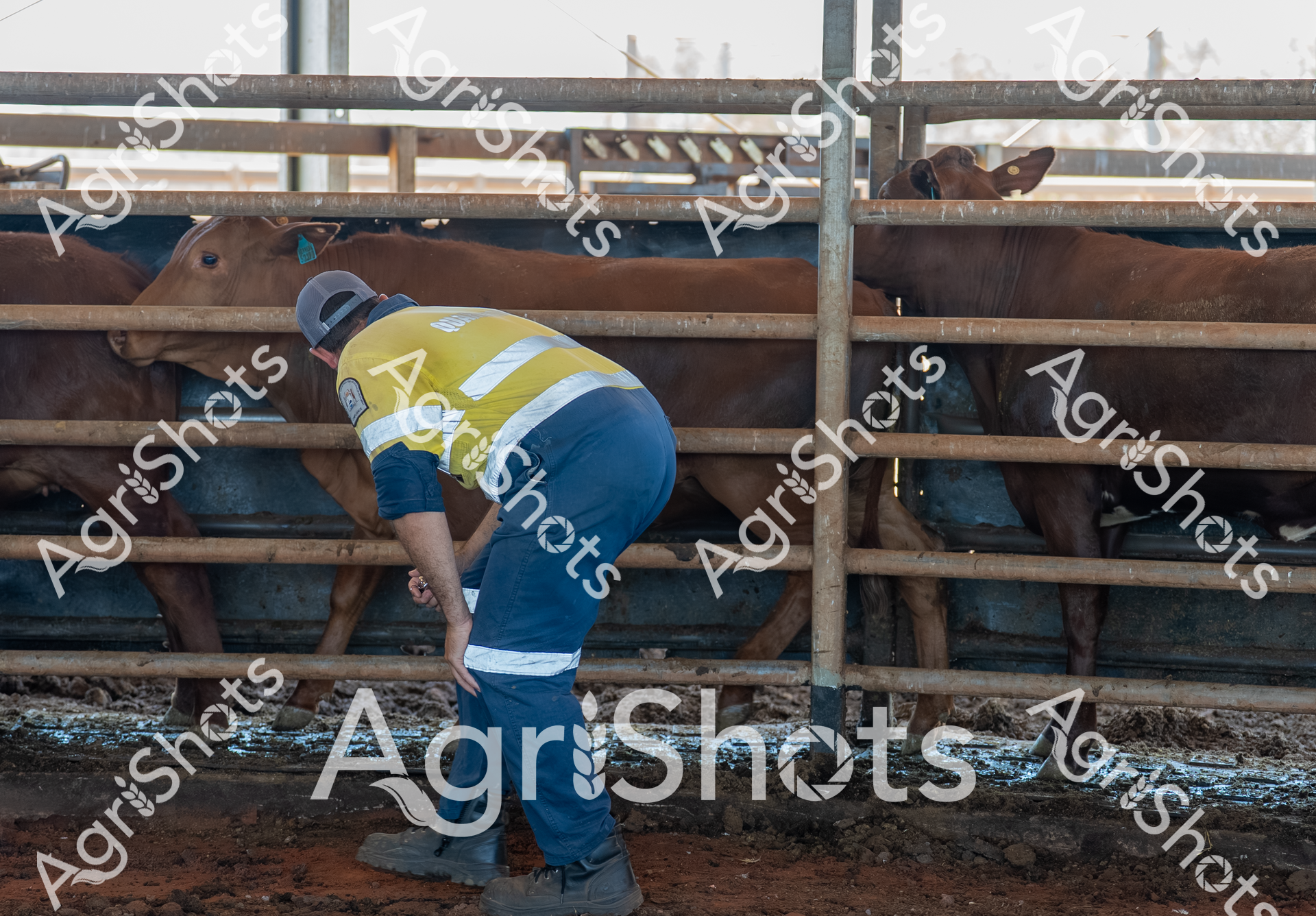
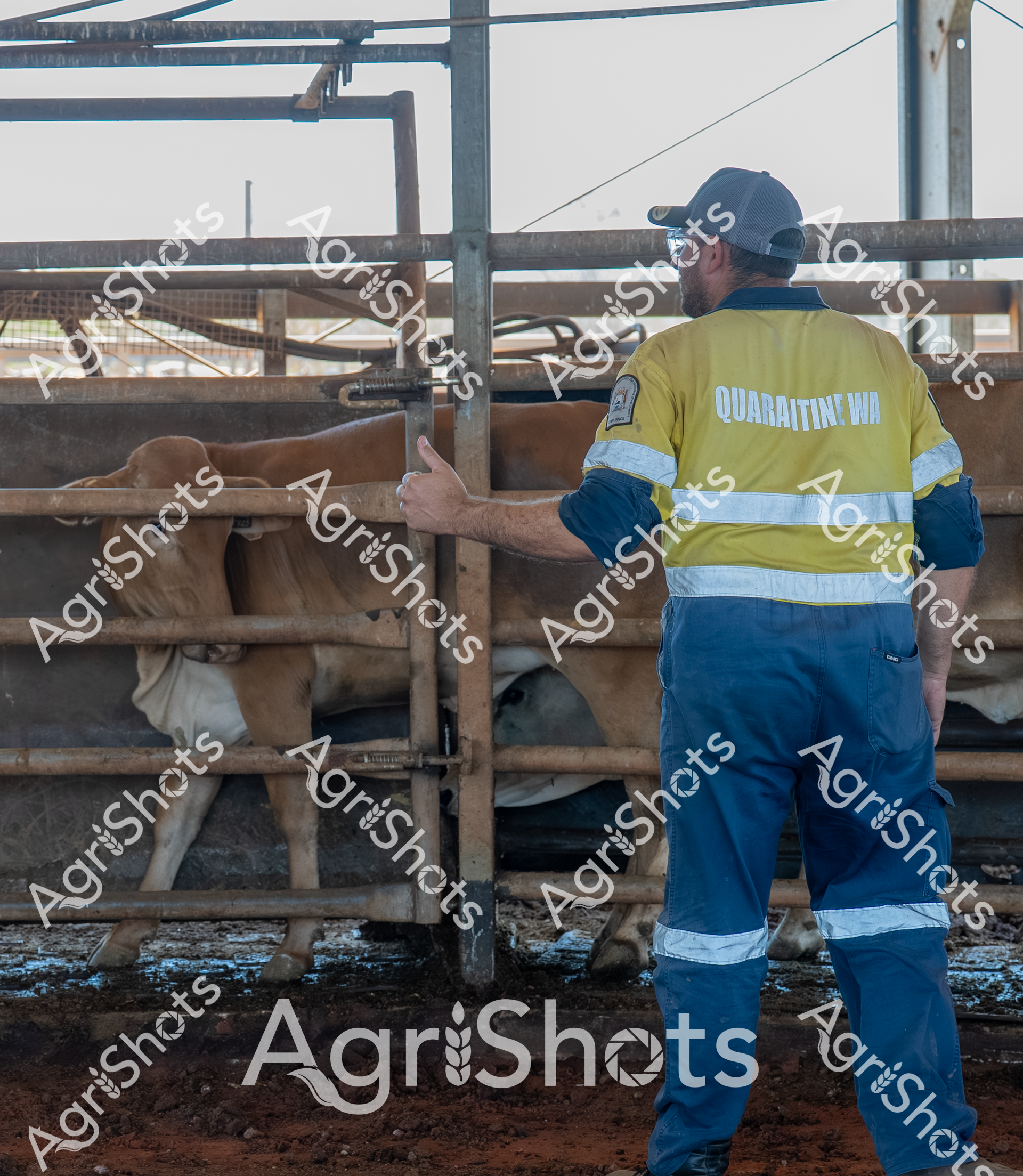
In the rugged cattle yards of Western Australia's Kimberley region, a livestock handler in a high-visibility yellow and navy safety vest carefully checks a group of brown cattle during a routine veterinary inspection. The sturdy metal stock yard's steel railings create a structured framework around the animals, with the worker bending down to perform a close examination of the livestock. Reddish-brown cattle stand quietly in the multiple compartments, their muscular frames indicating they are likely beef cattle adapted to the harsh station environment. The ground beneath is a mix of packed earth and scattered debris, suggesting the practical, no-nonsense nature of rural agricultural work. Soft morning light filters through the yard, casting subtle shadows and highlighting the texture of the cattle's coats and the metallic infrastructure. This scene captures the essential work of animal health management in one of Australia's most remote and challenging agricultural landscapes.
 Image
Image
In the quarantine yards of Western Australia's Kimberley region, a dedicated agricultural worker stands sentinel in a high-visibility yellow and navy safety jacket, observing a group of robust beef cattle. The sturdy wooden livestock yard frames these muscular animals, with horizontal rails creating a structured containment environment typical of pastoral station management. One bovine creature peers out with a distinctive ear tag, suggesting this is likely a routine veterinary inspection or export health check during the spring season. The worker, facing away and wearing a cap, represents the critical role of agricultural professionals in maintaining animal health and preparing livestock for potential export markets. Soft, diffused light suggests an early morning or late afternoon timeframe, capturing the methodical and disciplined approach of Western Australian cattle management. The scene embodies the careful, systematic processes essential to Australia's robust livestock industry, where animal welfare and strict quarantine protocols are paramount.
 Image
Image
In the dusty export yards of Western Australia's rugged Kimberley region, a mob of pristine cattle cluster within meticulously engineered steel holding pens. Burnished brown and deep chocolate hides gleam under the bright morning light, revealing a carefully managed herd prepared for veterinary inspection and potential export. Two workers in protective green and blue clothing navigate the complex metal infrastructure, strategically positioned to guide and monitor the livestock during this critical animal health process. The tight, angular composition of metal fencing creates dynamic geometric lines that contrast with the organic shapes of the muscular cattle, highlighting the precision of modern agricultural management. Surrounding vegetation and reddish earth underscore the harsh yet productive landscape of this remote pastoral setting, capturing the essence of Western Australia's vital cattle industry. The scene pulses with controlled energy - a moment of systematic preparation before these animals potentially embark on a significant export journey.
 Image
Image
In the intense livestock management environment of a Western Australian quarantine station, two workers carefully monitor a bovine in the stock yards. The worker in a vivid red jacket and the other wearing a high-visibility yellow vest with "QUARANTINE WA" markings stand attentively alongside metal livestock handling gates. Their positioned backs suggest focused professional assessment, likely conducting a critical veterinary health check or export preparation process. The scene captures the precision and care of Australian agricultural biosecurity protocols, with the metallic yards creating a structured containment space. Soft natural light filters through nearby foliage, suggesting a mild spring morning in the Kimberley region. The workers' protective clothing and deliberate stance communicate the serious professional standards of livestock management, where every animal's health and welfare is meticulously evaluated before potential export or movement. The robust infrastructure - heavy steel gates, carefully constructed holding pens - reflects the sophisticated approach to animal handling in contemporary Australian agriculture. Their positioning suggests a moment of careful professional observation, a critical checkpoint in maintaining the nation's rigorous agricultural health standards.
 Image
Image
A quarantine worker in a high-visibility yellow and navy safety vest monitors cattle in a secure livestock holding yard in Western Australia's Kimberley region. The sturdy metal stock yards contain several light brown cattle, carefully restrained within metal gate structures designed for veterinary inspection and export preparation. The worker, wearing a navy cap, stands with a professional posture, checking the animals as part of a systematic health assessment process. Reflective safety strips on the worker's uniform highlight the strict biosecurity protocols essential in Australian livestock management. The concrete and metal infrastructure of the yards suggests a modern, controlled environment typical of export-focused agricultural facilities. The scene captures the critical behind-the-scenes work of ensuring livestock health and meeting international agricultural standards.
 Image
Image
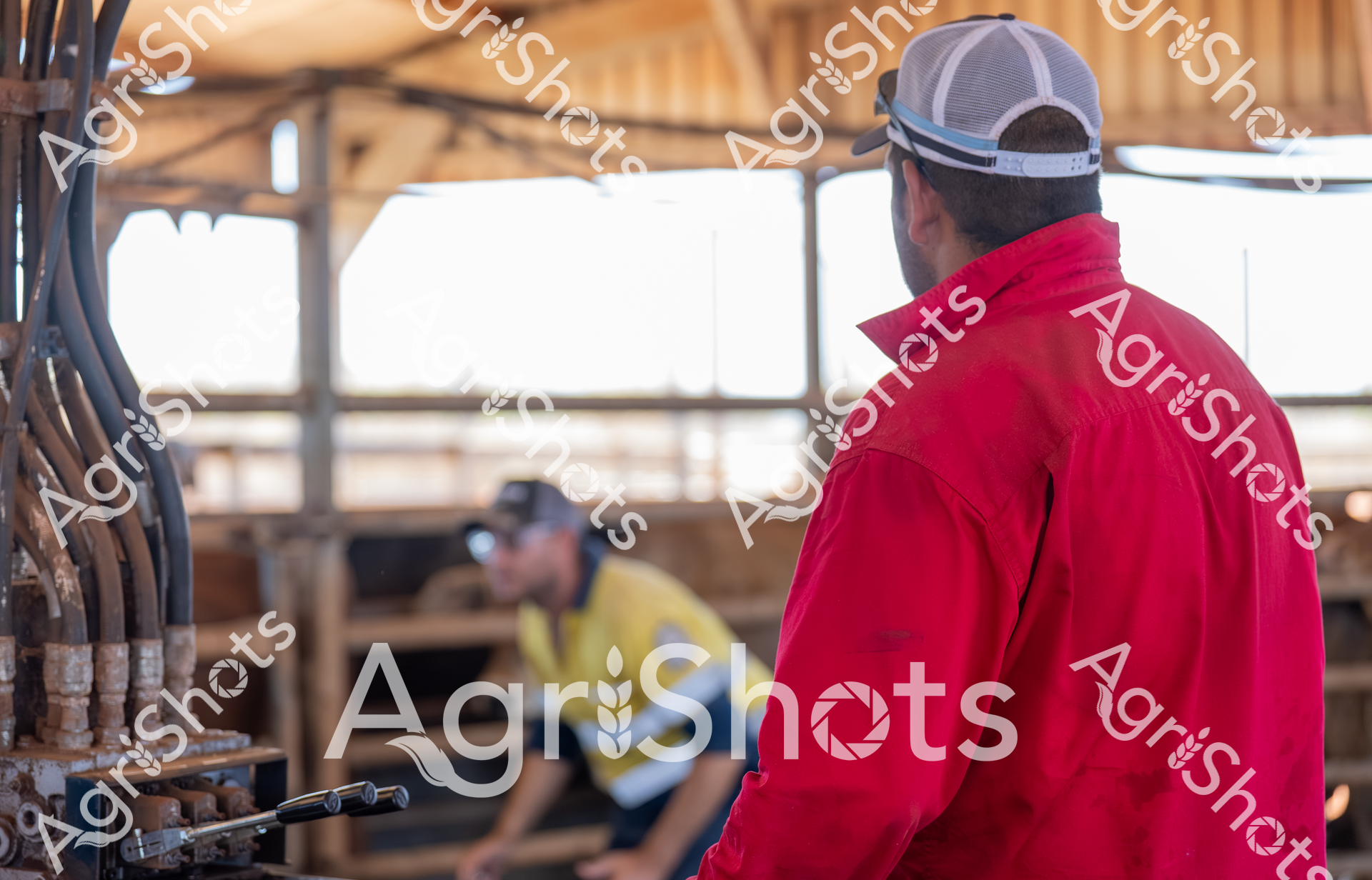
In the cattle yards of Western Australia's Kimberley region, a worker in a bright red jacket and white-gray trucker cap stands with his back to the camera, observing livestock operations. The industrial cattle handling facility features wooden fencing and metal infrastructure, with another worker in a yellow shirt visible in the background. Sunlight filters through the open-sided shelter, casting soft shadows across the concrete and metal surfaces of the yards. The scene captures the methodical process of cattle management, with equipment and holding pens strategically arranged for efficient animal health checks and quarantine procedures during the spring season. The worker's posture suggests careful attention to the livestock movement and preparation for potential export procedures, reflecting the precision of modern agricultural practices in the region.
 Image
Image
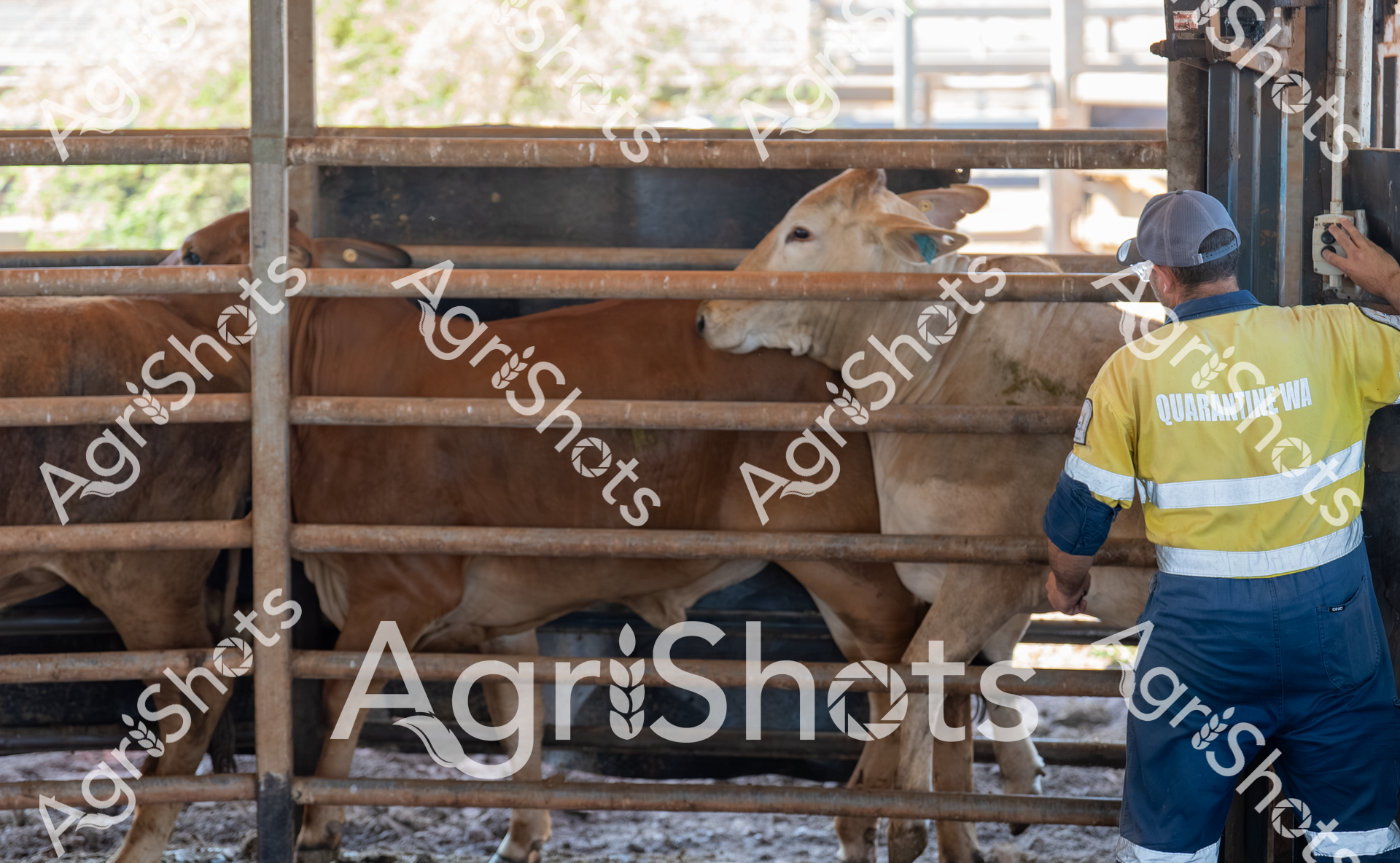
A seasoned quarantine worker in a high-visibility yellow and navy safety vest stands attentively in a robust steel cattle yard, monitoring a group of healthy brown cattle during a veterinary inspection in Western Australia's Kimberley region. The robust metal yards create a structured containment system, with multiple steel rail compartments housing several calm bovine animals. One cattle beast looks directly towards the worker, highlighting the close interaction between agricultural professionals and livestock during critical health screenings. The bright spring sunlight filters through the yard's infrastructure, casting sharp shadows and illuminating the muscular frames of the cattle, their rich tan-colored coats contrasting against the gray steel fencing. This scene captures the meticulous biosecurity protocols essential to Australia's livestock export industry, where every animal undergoes careful examination to maintain national and international agricultural standards. The worker's positioning and attentive stance demonstrate the precision and care integral to managing livestock health and preparing animals for potential export markets.
 Image
Image
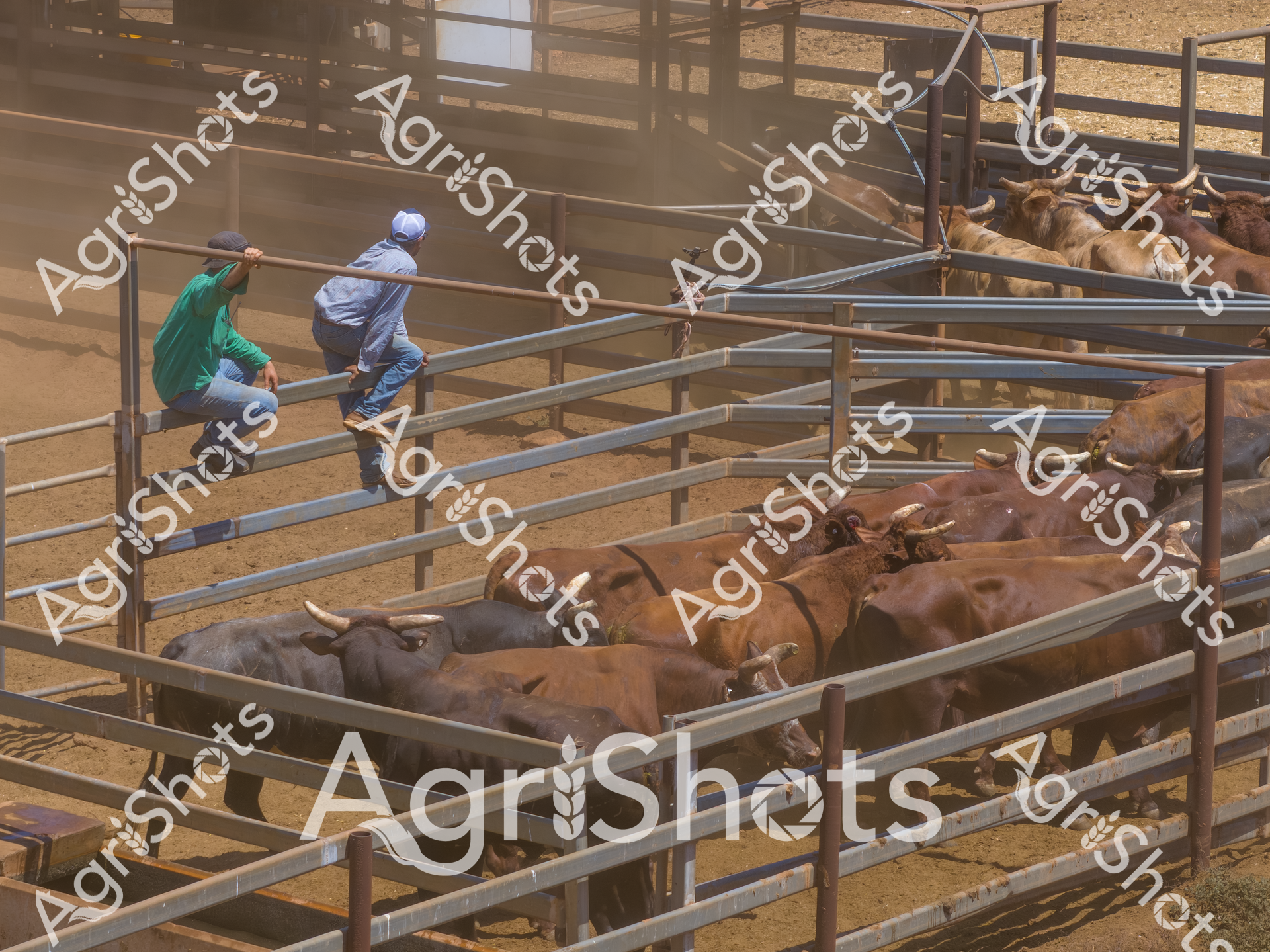
Stockyard workers navigate the intricate metal walkways of a cattle export yard in Western Australia's rugged Kimberley region, their movements deliberate and practiced. Burnished brown and black cattle cluster in the dusty pens below, their muscular bodies testament to the robust station breeding programs of the northwest. Golden morning light filters across the scene, casting long shadows and highlighting the fine layer of red earth that coats every surface. A worker in a vivid green shirt and another in pale blue carefully move along the elevated walkways, positioning themselves to monitor and manage the herd during what appears to be a routine animal health inspection or quarantine preparation. The geometric lines of the steel yards contrast with the organic forms of the cattle, creating a dynamic visual representation of the precision and scale of Australia's cattle export industry. This image captures the essence of pastoral enterprise - the careful management, the environmental challenges, and the connection between skilled workers and the livestock that are central to the region's agricultural economy.
 Image
Image
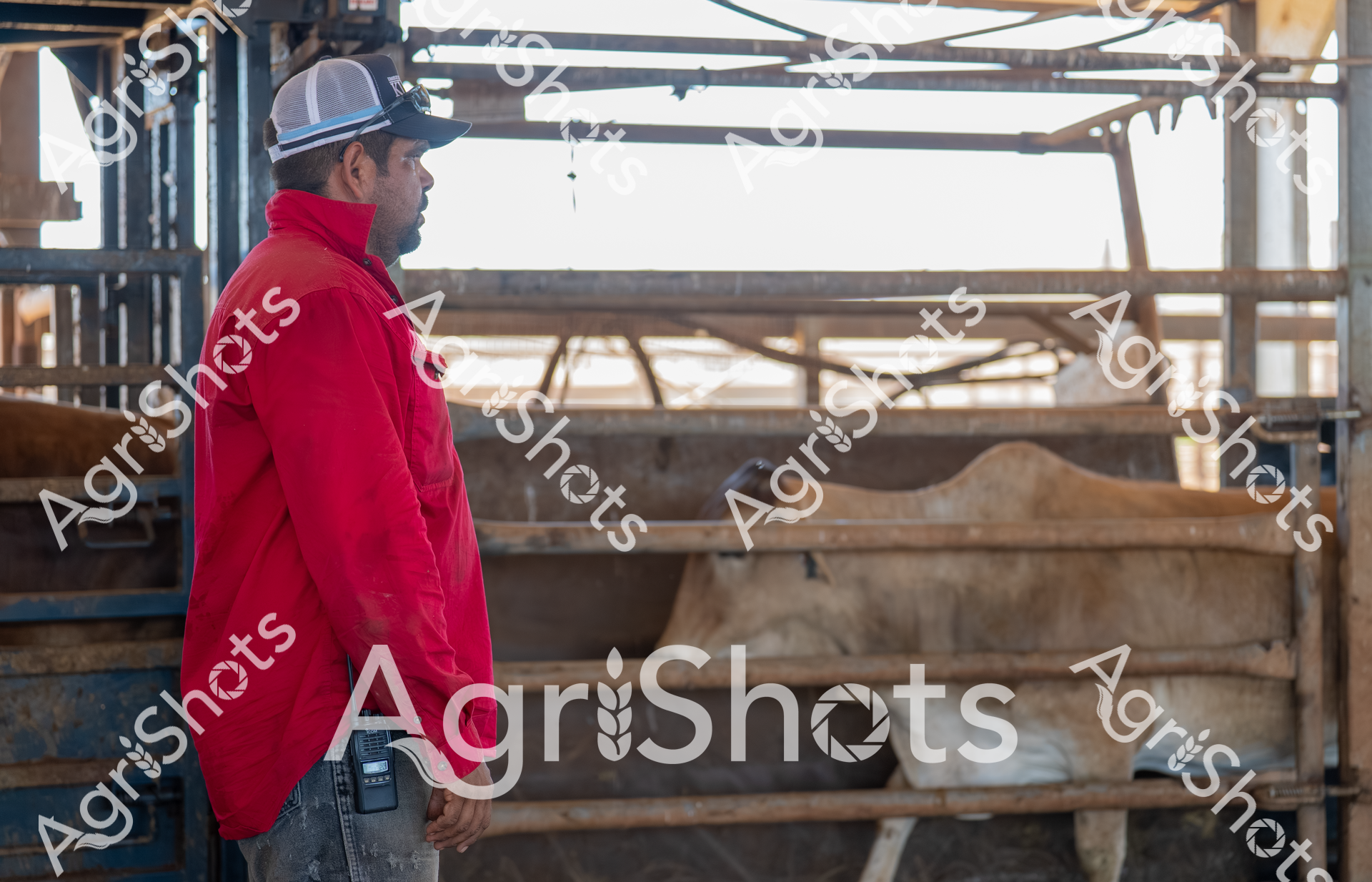
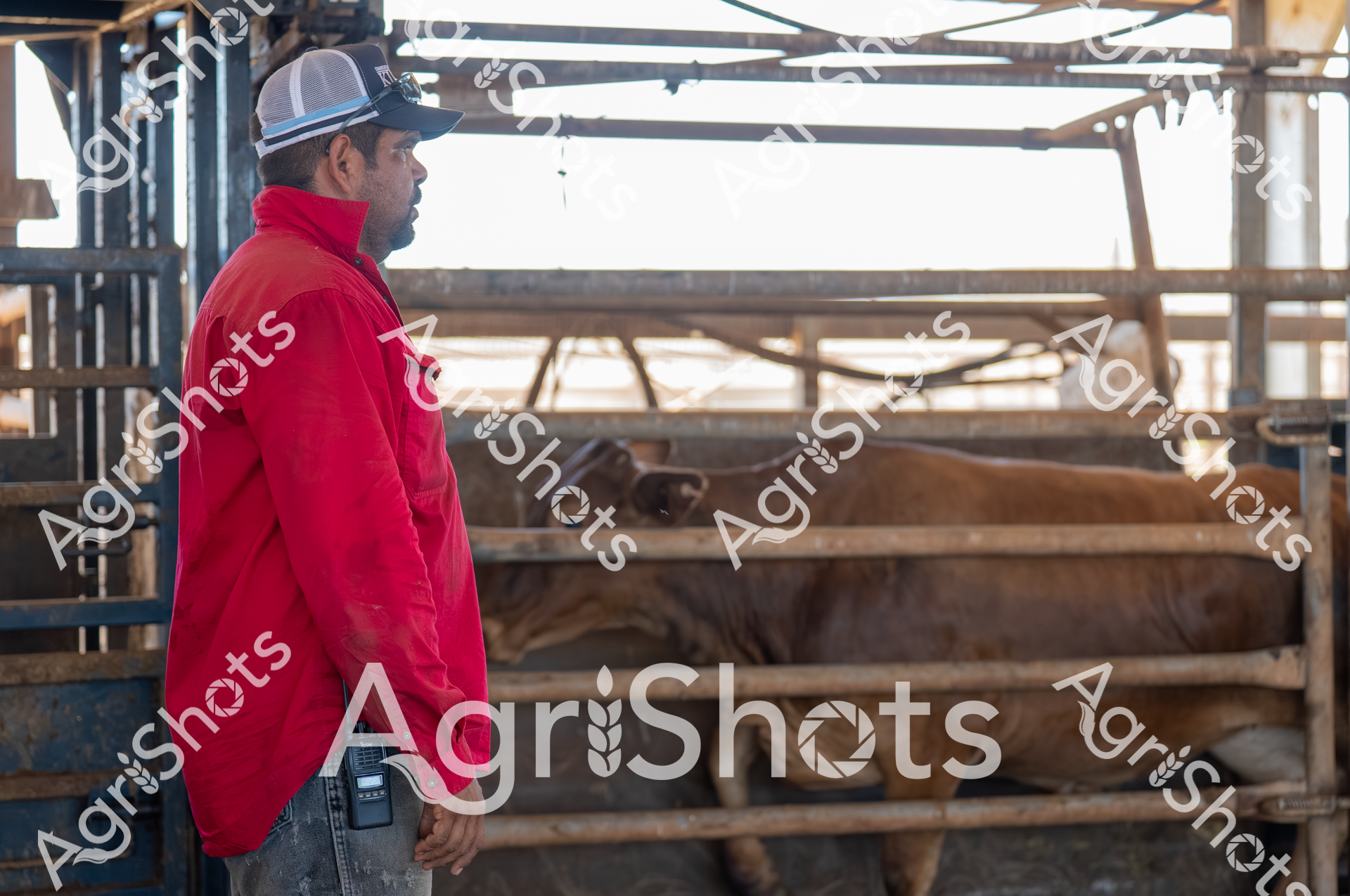
In the expansive cattle yards of Western Australia's Kimberley region, a stockman in a vibrant red jacket stands sentinel, monitoring the health of cattle during a critical quarantine and veterinary inspection. Wearing a mesh-backed cap and with a handheld radio at his hip, he surveys the holding pens with a professional's attentive gaze. The robust steel infrastructure of the export yards creates a structured environment, with sturdy metal fencing and strategic architectural elements that facilitate safe livestock management. A light-colored beast rests quietly in the adjacent pen, embodying the calm efficiency of this agricultural setting during a spring season health check. The muted tones of the cattle yard contrast sharply with the stockman's bright red jacket, symbolizing both the practical safety protocols and the human presence in Australia's expansive livestock industry. The scene captures the meticulous care and professional oversight essential to maintaining the health and export readiness of Australian cattle.
 Image
Image
A livestock handler stands vigilant in a red jacket and trucker cap, observing cattle within the sturdy metal infrastructure of export yards in Western Australia's rugged Kimberley region. The spacious cattle yard, constructed with robust metal fencing and gates, provides a secure environment for animal health checks and potential quarantine processes. A single bovine stands in the background, its muscular form partially obscured by the yard's structural elements, suggesting a controlled and methodical agricultural setting. The scene captures the precise moment of agricultural monitoring, with the worker positioned sideways, scanning the livestock area with professional concentration. His red jacket provides high visibility against the neutral tones of the metal yard, while a handheld radio at his hip indicates readiness for communication. The industrial-style yard, with its intersecting metal bars and strategic design, reflects the sophisticated approach to livestock management in Australia's northern pastoral regions. Soft, diffused light suggests it's either early morning or late afternoon, typical of the Kimberley's variable spring climate. The image embodies the careful, systematic approach to cattle management in one of Australia's most challenging and productive agricultural landscapes.
Well, you've ploughed through the whole field!
No more crops to harvest here, mate.
Try searching for something else in our library of 50,000+ royalty-free media: