 Image
Image
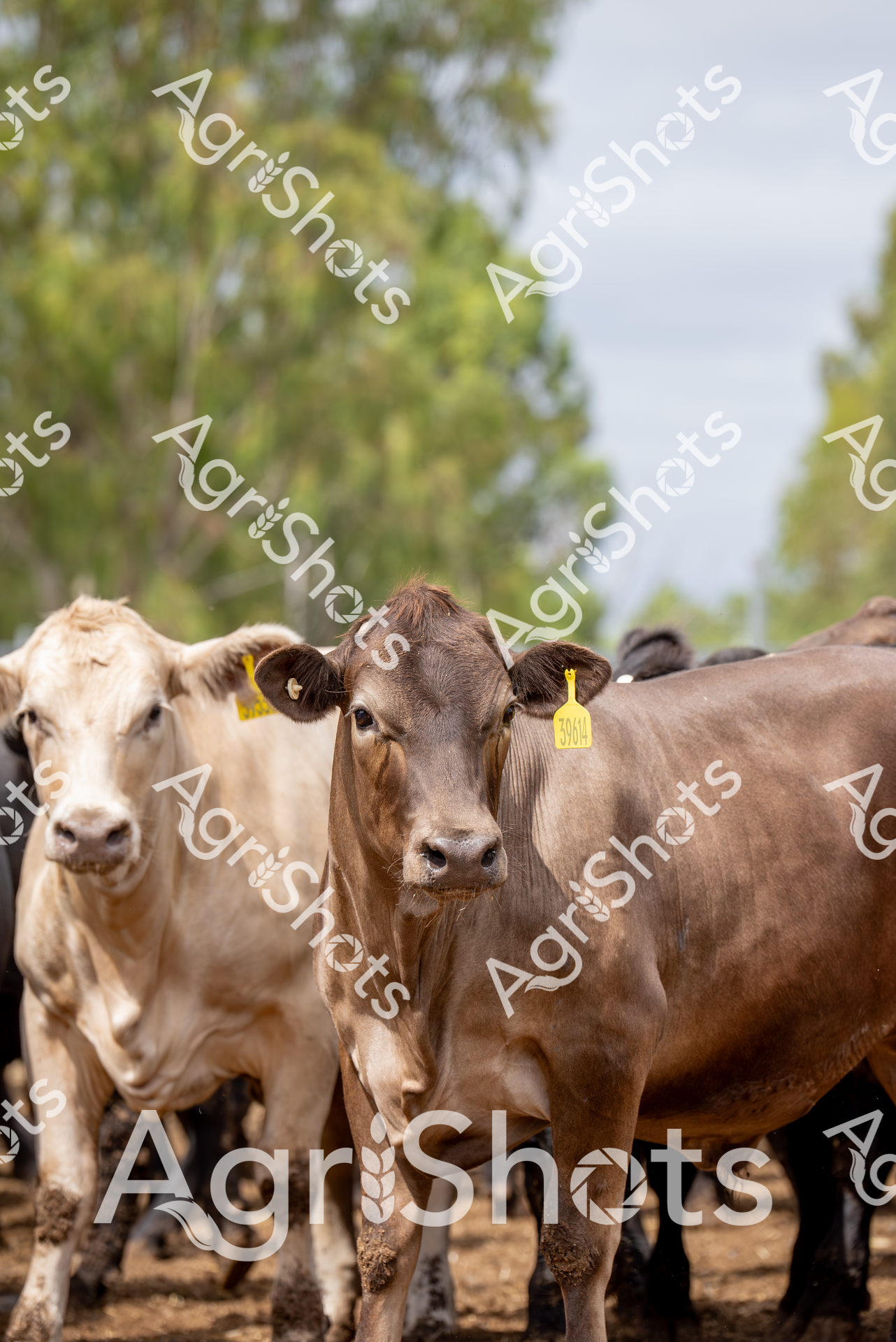
Brahman-cross cattle cluster together in the sun-drenched paddock near Goondiwindi, their muscular frames bearing the distinctive yellow ear tags of professional livestock management. The rich brown and cream-colored beasts stand resolute against a backdrop of softly blurred eucalyptus trees, capturing the essence of Queensland's robust cattle country during the intense summer season. Each animal displays the hardy characteristics typical of northern Australian breeding programs - compact, heat-resistant bodies with alert expressions that speak to generations of agricultural selection. The earthy color palette of the cattle blends seamlessly with the dusty ground and muted green landscape, creating a natural composition that epitomizes the resilience of rural agricultural systems. Their collective stance suggests a calm preparedness, whether awaiting movement to yards or grazing in their familiar terrain. The carefully framed image highlights the strength and quiet dignity of Australian beef production, where each animal represents a critical component of the nation's agricultural prosperity.
 Image
Image
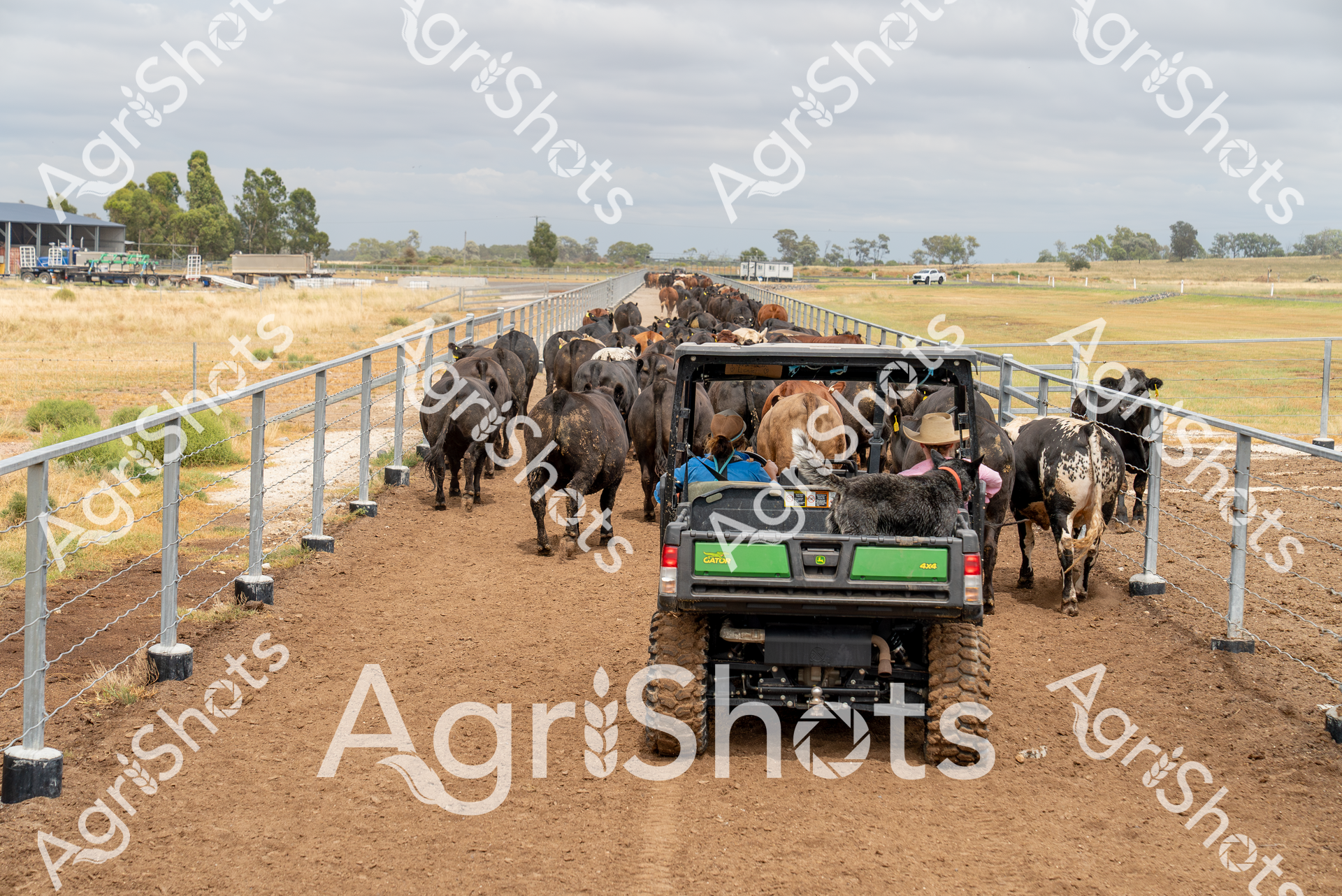
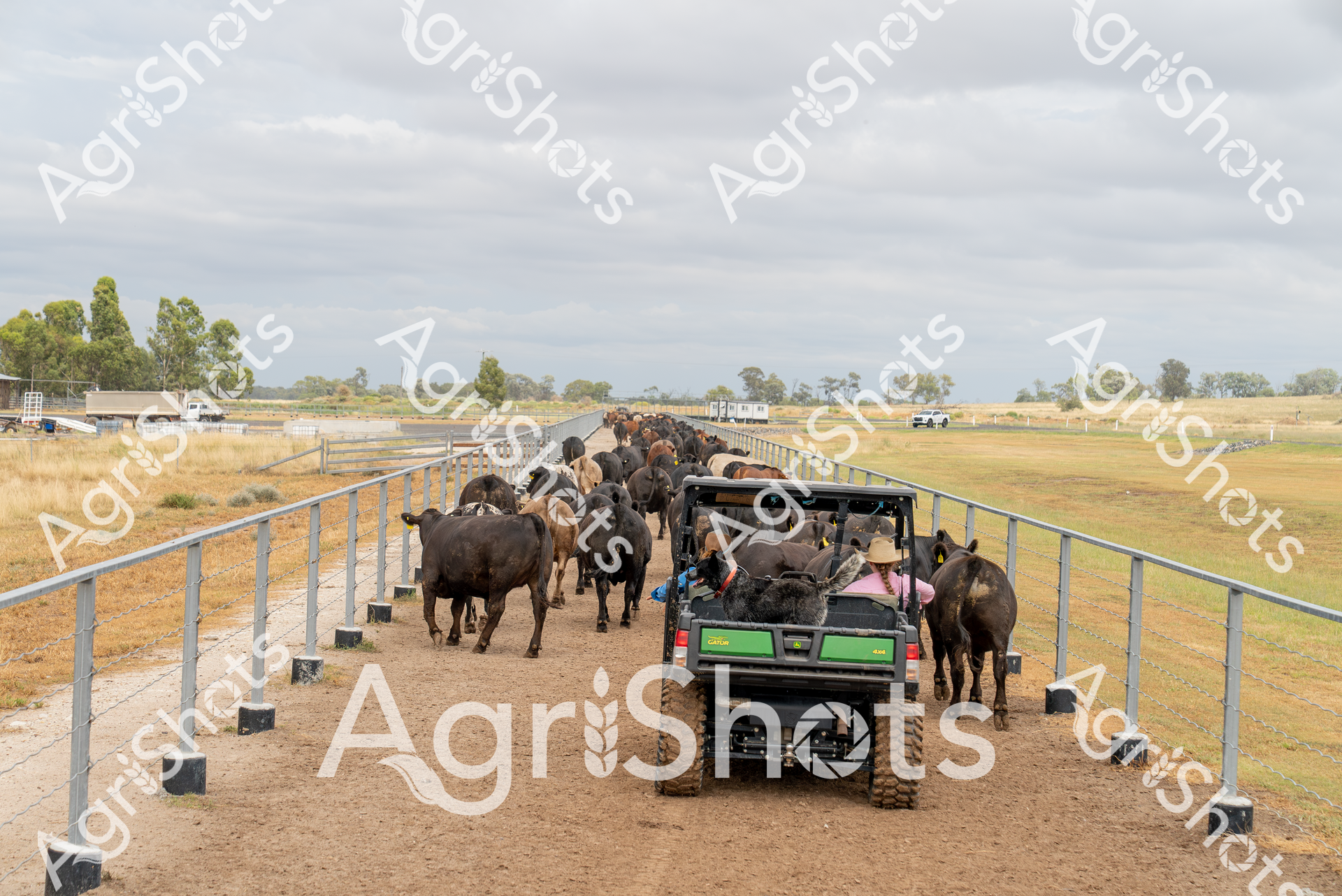
Dusty and resolute, a stockyard laneway pulses with the measured movement of a cattle herd under overcast Queensland skies. A rugged utility vehicle navigates the narrow, metal-railed pathway, carefully guiding a mixed mob of black, brown, and speckled beef cattle forward. Skilled agricultural workers, including a woman in a wide-brimmed hat, collaborate from the green utility buggy, working in concert with working dogs to control the herd's progression. The dry, compacted earth beneath the cattle's hooves speaks to the challenging climate of the Goondiwindi region, where pastoral expertise is refined through generations of agricultural practice. Eucalyptus trees punctuate the distant landscape, offering a muted green backdrop to this quintessential Australian livestock management scene. The image captures the precise choreography of stock movement - a testament to the skill, technology, and human-animal collaboration that defines modern Australian cattle farming.
 Image
Image
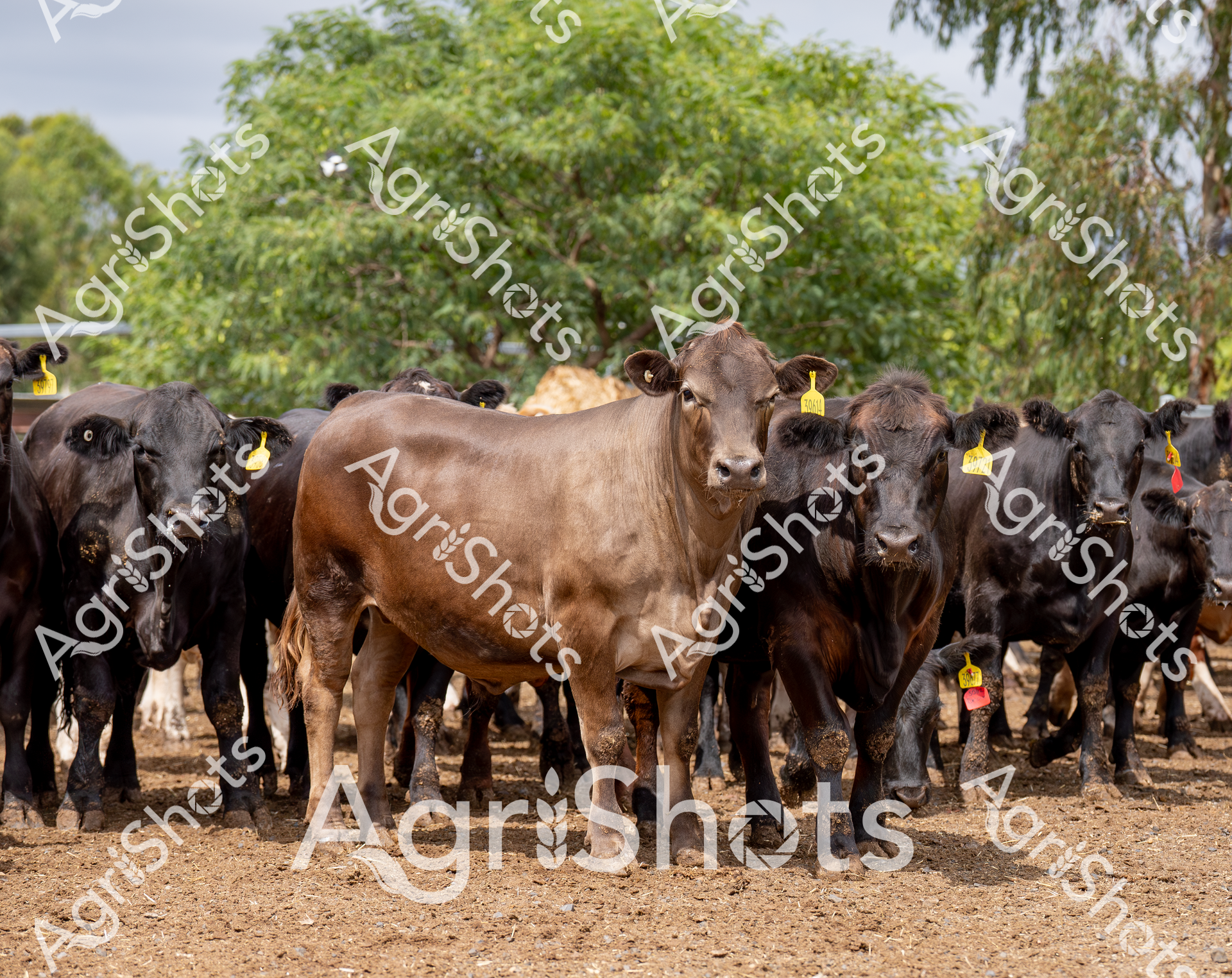
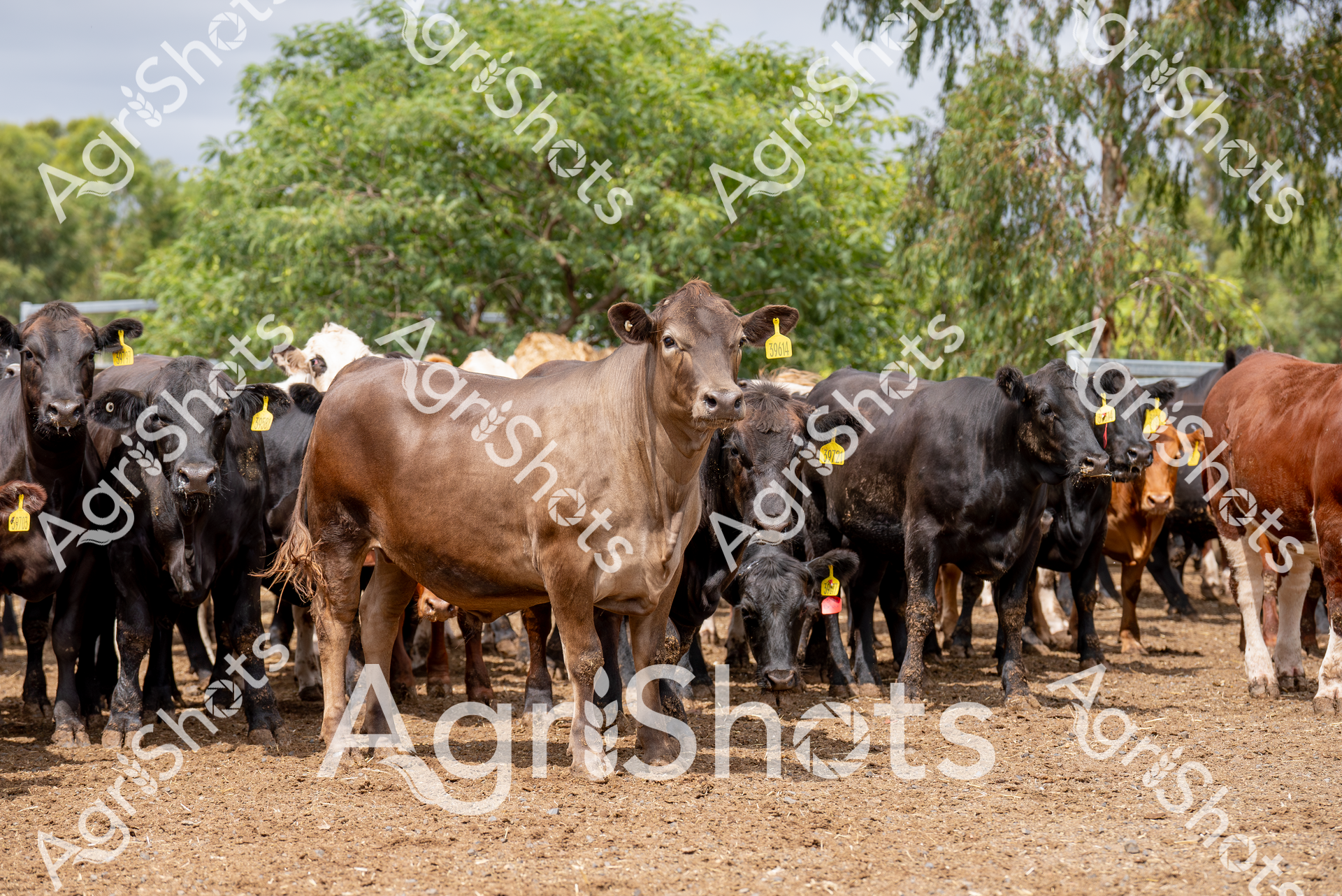
A sun-drenched cattle yard near Goondiwindi reveals a robust herd of mixed breed cattle clustered on dusty ground, dominated by a striking light brown bovine standing prominently in the center. Yellow ear tags identify each animal, marking them as part of a carefully managed agricultural operation. The surrounding landscape features mature eucalyptus trees with dense green foliage, suggesting a typical Queensland summer scene with harsh, bright lighting and minimal ground cover. Dark black and deep brown cattle crowd around the lighter-colored beast, creating a compelling visual contrast of hide colors and muscular frames. Their proximity and uniform stance indicate recent yarding - a critical livestock management practice that brings cattle together for health checks, sorting, or movement between paddocks. The ground is compacted and dry, with a pale brown texture that speaks to the harsh agricultural conditions of inland Queensland, where cattle farming demands resilience from both animals and farmers.
 Image
Image
A golden-hued Charbray heifer stands centerstage, her creamy coat gleaming in the bright summer sunlight of Queensland's Goondiwindi region. Flanked by black and roan-colored cattle, she wears a distinctive yellow ear tag, signaling her place in a carefully managed herd. The soft focus of eucalyptus trees in the background creates a quintessential Australian pastoral scene, with dappled light filtering through the foliage. Compact and muscular, the cattle cluster together, their varied coat colors - from pale fawn to deep charcoal - highlighting the genetic diversity of modern beef herds. The animals appear calm and well-conditioned, a testament to expert cattle management and the rich grazing lands of southern Queensland. Each beast bears a numbered ear tag, reflecting the sophisticated tracking and agricultural practices of contemporary Australian cattle farming.
 Image
Image
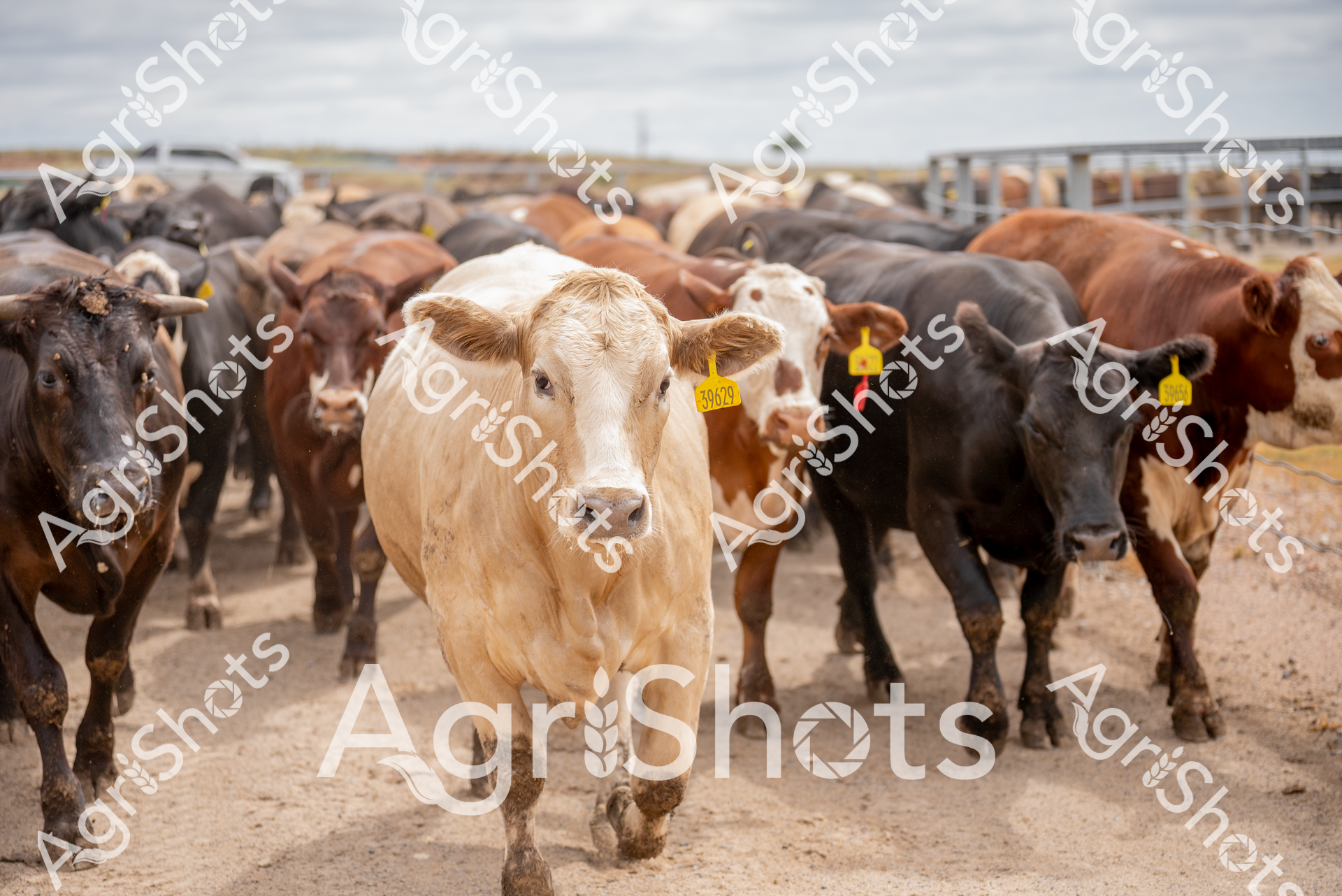
A creamy-white Charolais steer stands prominently amid a densely packed cattle yard, surrounded by a diverse herd of dark and reddish-brown cattle. Yellow ear tags punctuate the scene, identifying each animal in this carefully managed feedlot. The cattle are clustered on a dusty, compacted surface, with metal yard panels and infrastructure visible in the background under an overcast, bright summer sky typical of Queensland's Goondiwindi region. The pale steer commands attention, its muscular frame and alert expression suggesting the careful selection and breeding practices of Australian cattle producers. Soft earth tones and the uniform yellow identification tags create a sense of order and systematic agricultural management, highlighting the precision of modern livestock farming. The tight grouping of cattle in the laneway indicates they are being systematically moved, a routine but critical process in cattle management that demonstrates the skill and efficiency of rural Australian agricultural practices.
 Image
Image
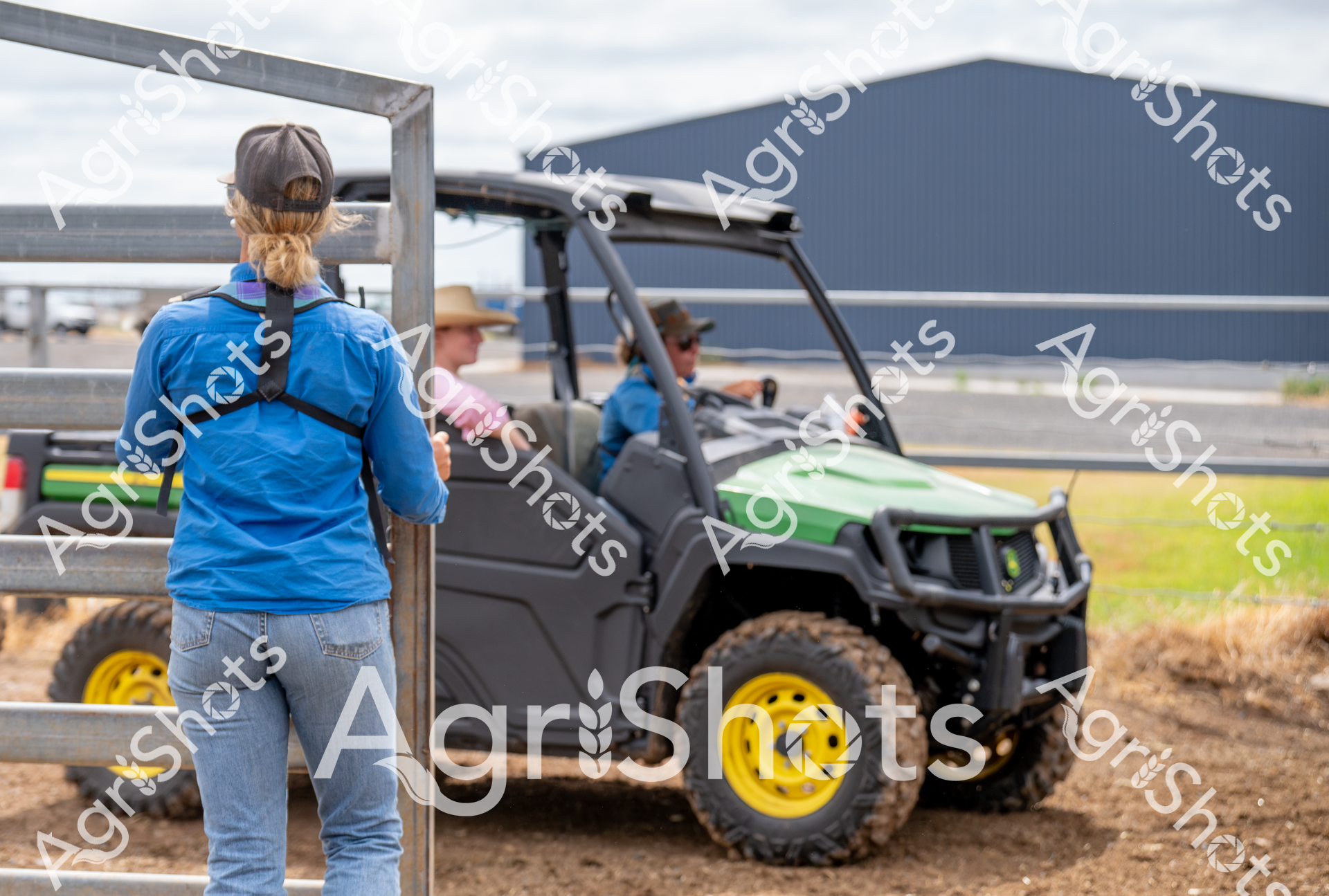
A seasoned agricultural worker stands resolute beside a sturdy metal gate, her blue shirt and denim jeans contrasting against the dusty rural landscape. A John Deere utility vehicle sits nearby, its green and yellow color scheme typical of robust farm equipment, with rugged all-terrain tires designed for challenging rural terrain. In the background, a large steel farm building anchors the scene, suggesting a modern agricultural operation in Queensland's expansive cattle country. The worker's cap and positioned stance indicate focused preparation, likely related to cattle management or property maintenance during the intense summer season. The scene captures the essence of contemporary agricultural work - a blend of traditional rural skills and modern machinery, where women play increasingly prominent roles in farm operations. The crisp, clear lighting suggests mid-morning, with the open landscape and utility vehicle representing the mobility and adaptability required in today's agricultural workplaces.
 Image
Image
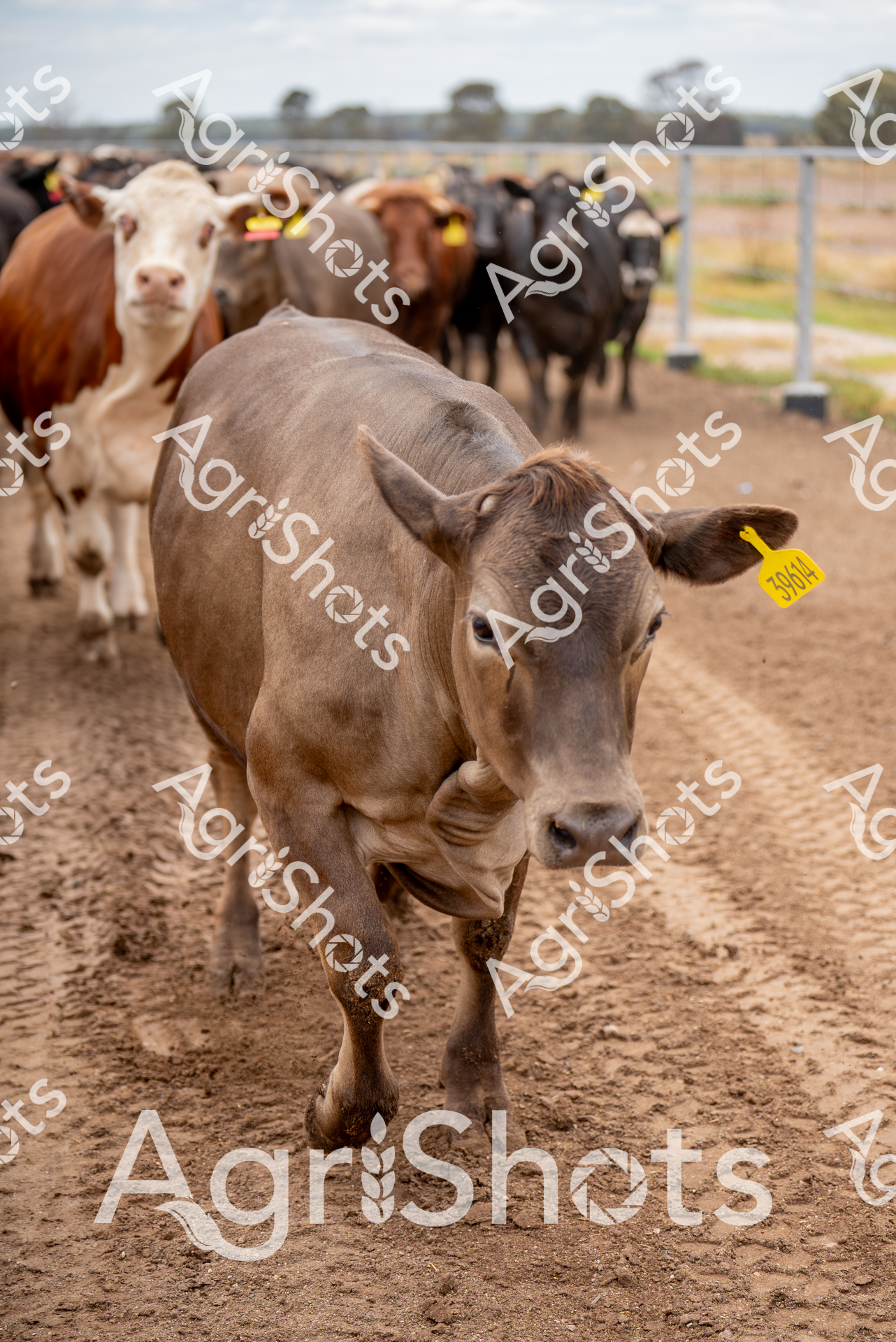
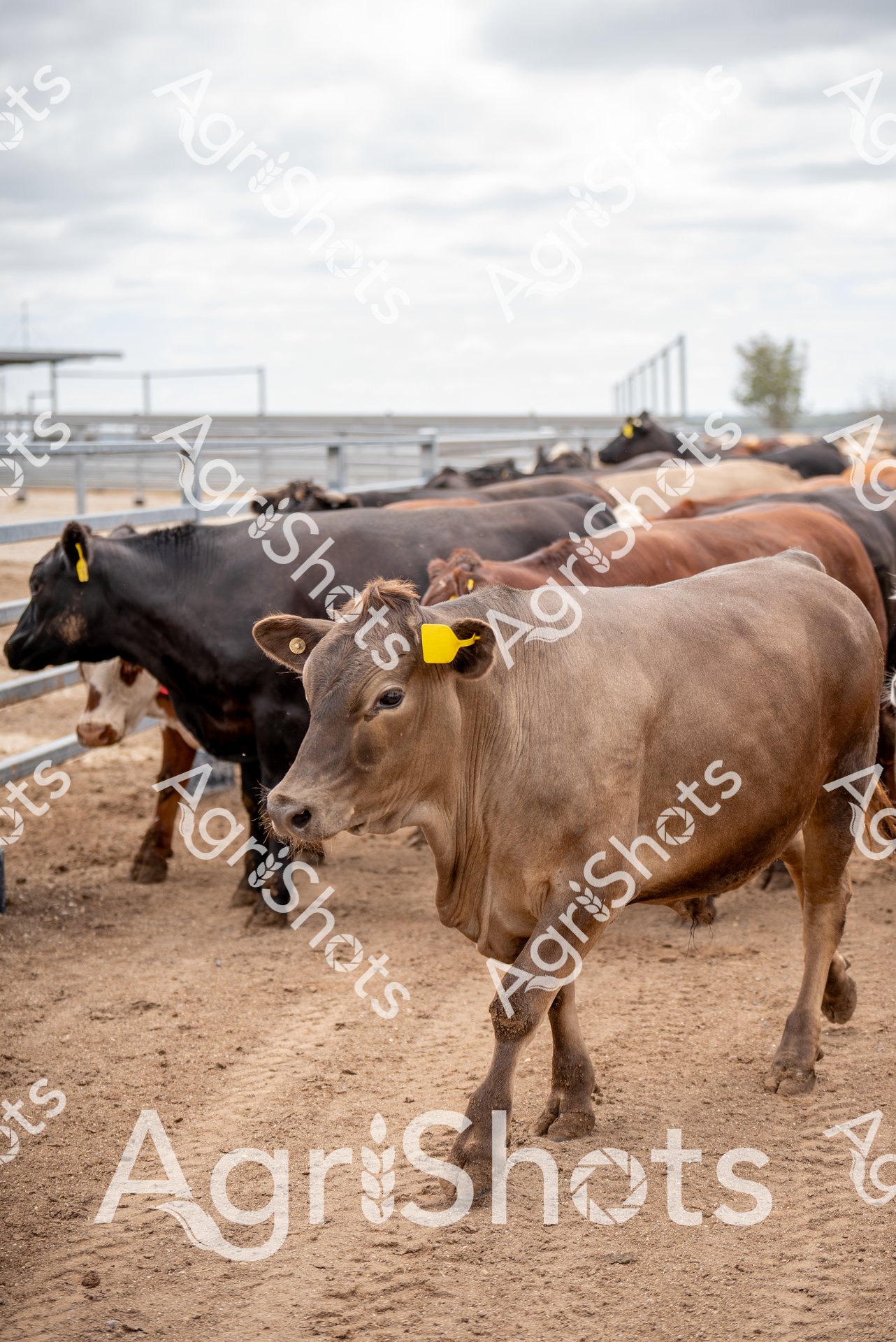
A sleek brown bovine stands prominently in the foreground, her yellow identification tag gleaming against her smooth hide. Behind her, a diverse herd of cattle cluster in a dusty feedlot laneway, representing multiple breeds and colors - creamy white, rich chocolate brown, and deep charcoal black. The harsh summer landscape of Queensland's Goondiwindi region stretches out with a pale, washed-out backdrop of distant trees and pale sky, capturing the unforgiving agricultural environment. Compacted earth beneath their hooves tells a story of constant movement, with metal yard fencing defining the controlled pathway for stock management. The cattle wear uniform yellow ear tags, a testament to meticulous agricultural record-keeping and livestock tracking systems critical to modern farming operations. This image epitomizes the disciplined, structured approach of contemporary Australian cattle production - a blend of careful animal husbandry, strategic movement, and the resilient spirit of rural enterprise.
 Image
Image
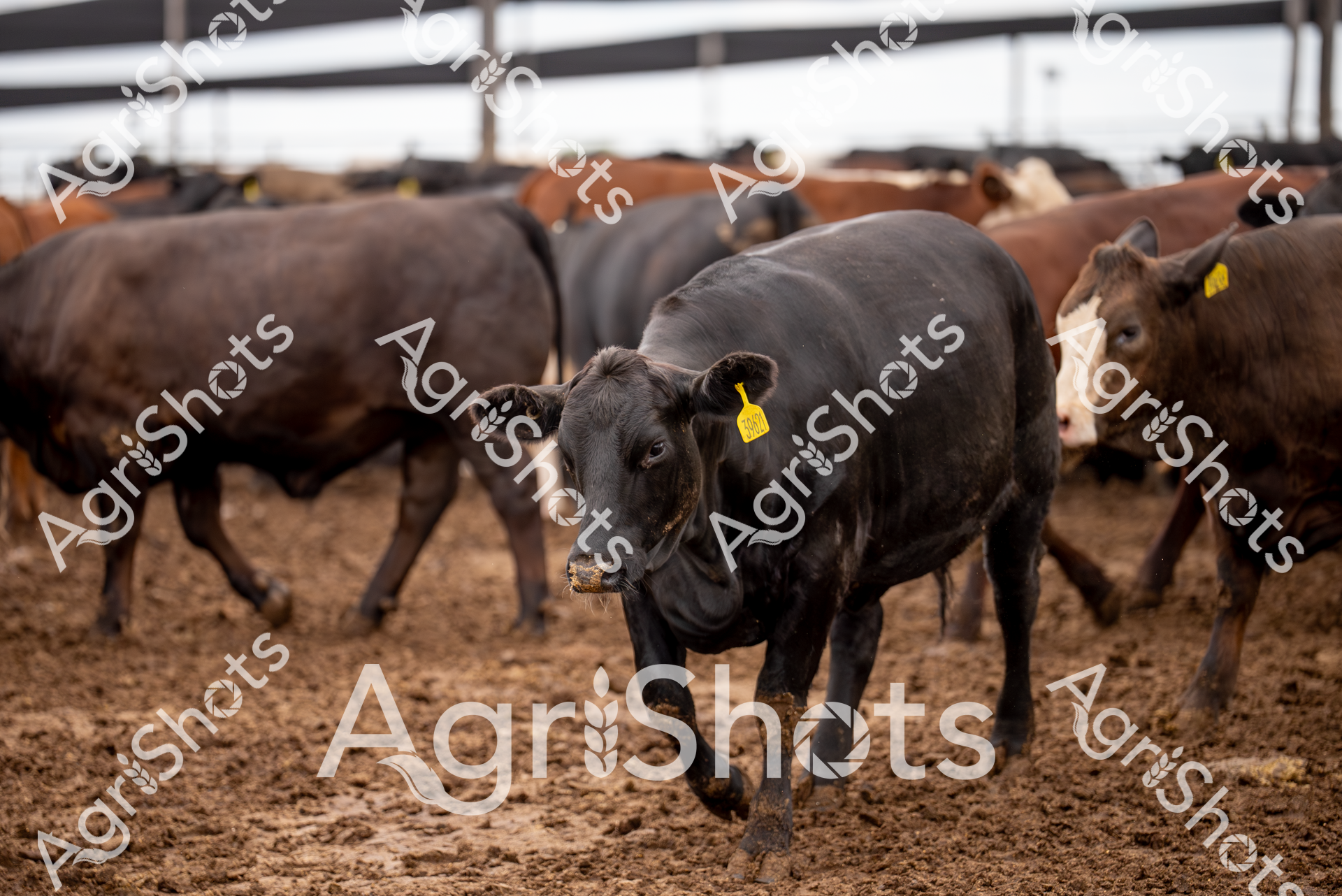
A robust black Angus heifer stands front and centre, her sleek dark coat gleaming under the harsh Queensland summer light. Her yellow ear tag (numbered 39703) marks her as part of a carefully managed livestock herd, standing in a precisely engineered feedlot laneway. Behind her, other cattle cluster in muted brown and tan tones, creating a textured backdrop of rural agricultural productivity. The crisp, dry environment of the Goondiwindi region is evident in the pale, dusty ground and clean metallic infrastructure of the cattle yard, designed for efficient stock movement and management. Her alert gaze and muscular stance speak to the quality of breeding and careful husbandry practiced in this sophisticated agricultural setting. The image captures the precision of modern Australian cattle production - a blend of genetic excellence, strategic infrastructure, and professional livestock management that underpins the nation's robust beef industry.
 Image
Image
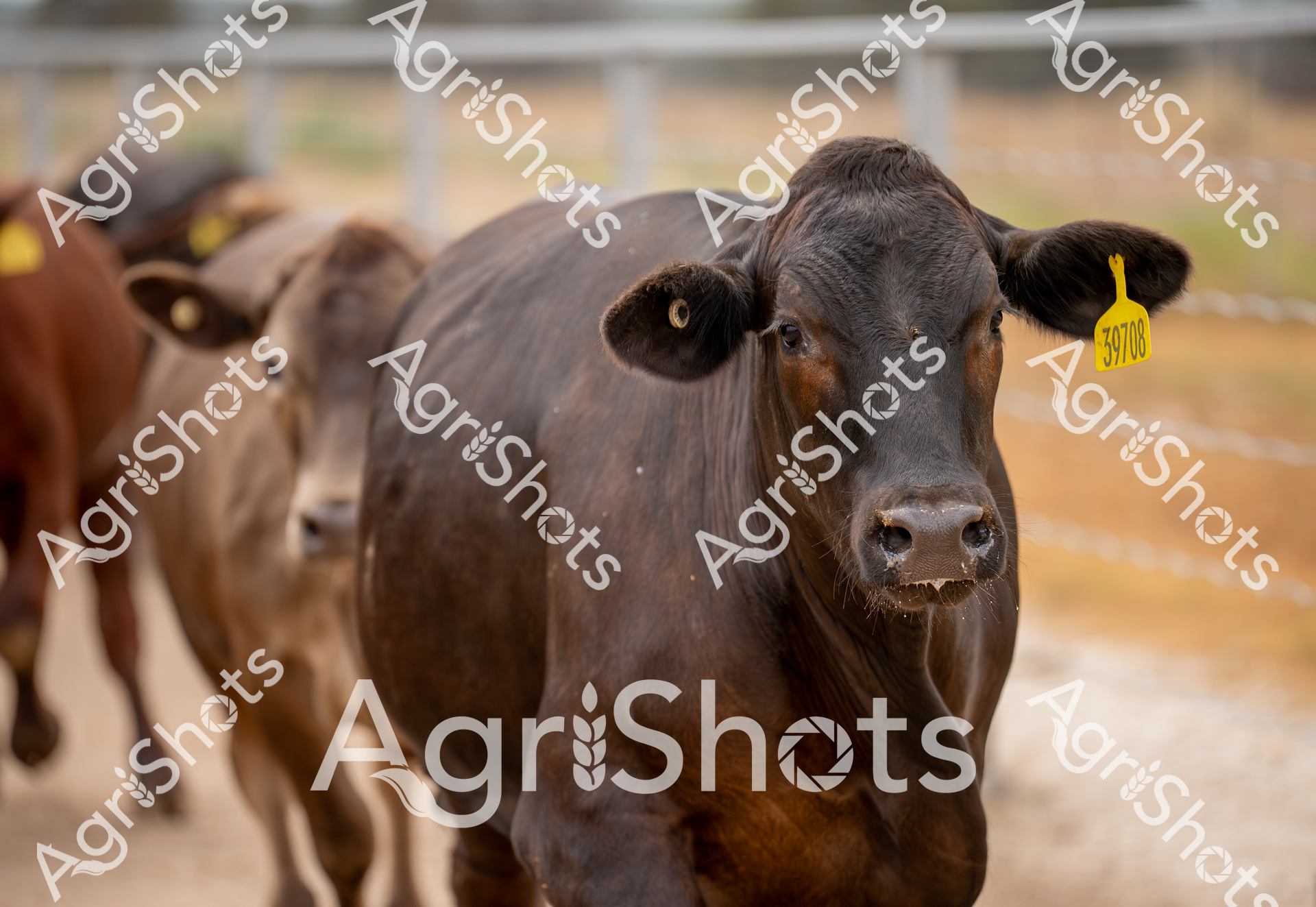
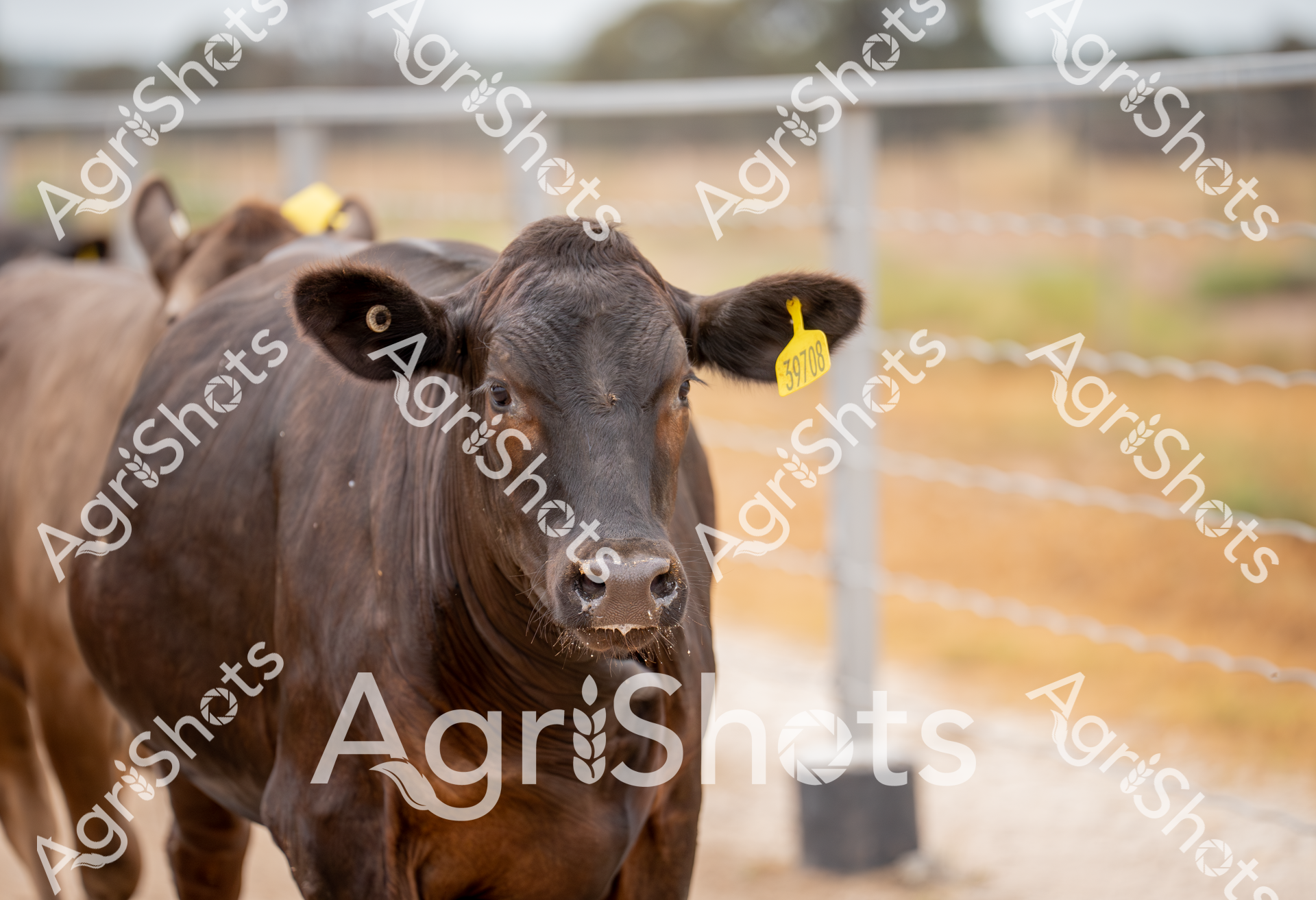
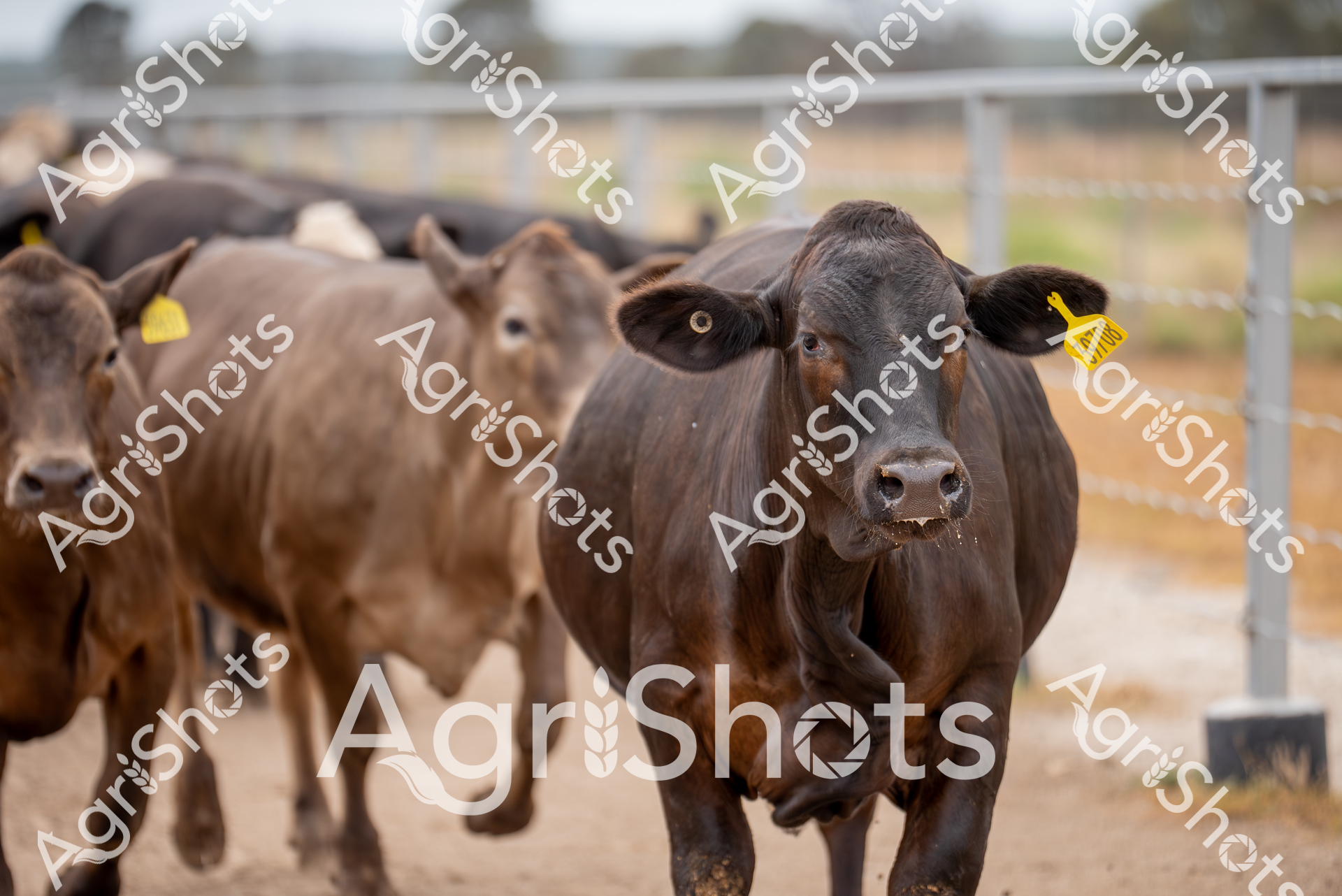
A dark-coated beef heifer stands attentively in a sun-drenched cattle laneway, her yellow ear tag (numbered 39708) contrasting sharply against her deep brown hide. The stark Queensland summer landscape stretches behind her, with wire fencing and a dusty feedlot environment defining the agricultural setting near Goondiwindi. Her muscular frame and alert posture suggest she's part of a carefully managed herd, ready to be moved or processed through the yards. Soft golden light bathes the scene, highlighting the textural details of her sleek coat and the weathered infrastructure typical of extensive cattle operations in rural Australia. The image captures the precise moment of livestock management - a testament to the precision and care of modern agricultural practices in one of Queensland's key cattle-producing regions. Every element speaks to the resilience and methodical nature of Australian beef production, from the individual animal identification to the carefully designed movement infrastructure.
 Image
Image
Lean, muscled beef cattle cluster in a dusty feedlot, their yellow identification tags gleaming against varied coat colors - deep black, rich russet, and soft tan. The overcast Queensland summer sky creates a muted backdrop to this Goondiwindi region agricultural scene, where carefully managed livestock represent the backbone of rural production. Compact metal cattle yards with sturdy railings frame the composition, highlighting the systematic approach to livestock management. Each animal stands purposefully, their compact bodies revealing selective breeding for meat quality and resilience in challenging agricultural conditions. The packed earth beneath their hooves speaks to the controlled environment of modern cattle husbandry, where every element is designed for efficiency and animal welfare. These robust cattle embody the strength and pragmatism of Australian agricultural practice - a testament to generations of farming expertise in transforming challenging landscapes into productive agricultural systems.
 Image
Image
A creamy-white Charolais heifer stands alert in a bustling cattle yard, her distinctive yellow ear tag (39629) gleaming in the harsh summer sunlight of Queensland's Goondiwindi region. The beast's fine, short coat reflects the intense heat, while her calm, intelligent eye surveys the surrounding movement of cattle being yarded for processing or transport. Soft beige and white tones dominate the image, with the cattle packed closely together, creating a textural landscape of muscled bodies and subtle variations in coat color. The tight framing emphasizes the individual animal, highlighting the precise identification system used in modern cattle management, where each animal is tracked and monitored. Dust and heat shimmer in the background, suggesting the challenging environmental conditions of Australian cattle country. This image captures the methodical, pragmatic nature of livestock management - a testament to the skill and precision of Queensland's agricultural professionals in handling and moving cattle through carefully designed livestock infrastructure.
 Image
Image
Black Angus feedlot cattle cluster in a dusty, confined laneway under the harsh Queensland summer sun. Muscular steers, each tagged with a bright yellow identification marker, stand clustered on compacted earth, their sleek dark coats contrasting against the pale brown ground. The cattle, representing a carefully managed commercial beef herd, demonstrate the precision of modern agricultural livestock management in the Goondiwindi region. Overhead shade structures provide minimal relief from the intense heat, while the tight grouping suggests controlled movement through the yard. The animals' robust physiques and uniform coloration highlight the breed's genetic selection for meat production, embodying the sophisticated agricultural practices of Australian beef farming. This scene captures the industrial efficiency of contemporary cattle production, where every animal is tracked, managed, and positioned with strategic agricultural expertise.
 Image
Image
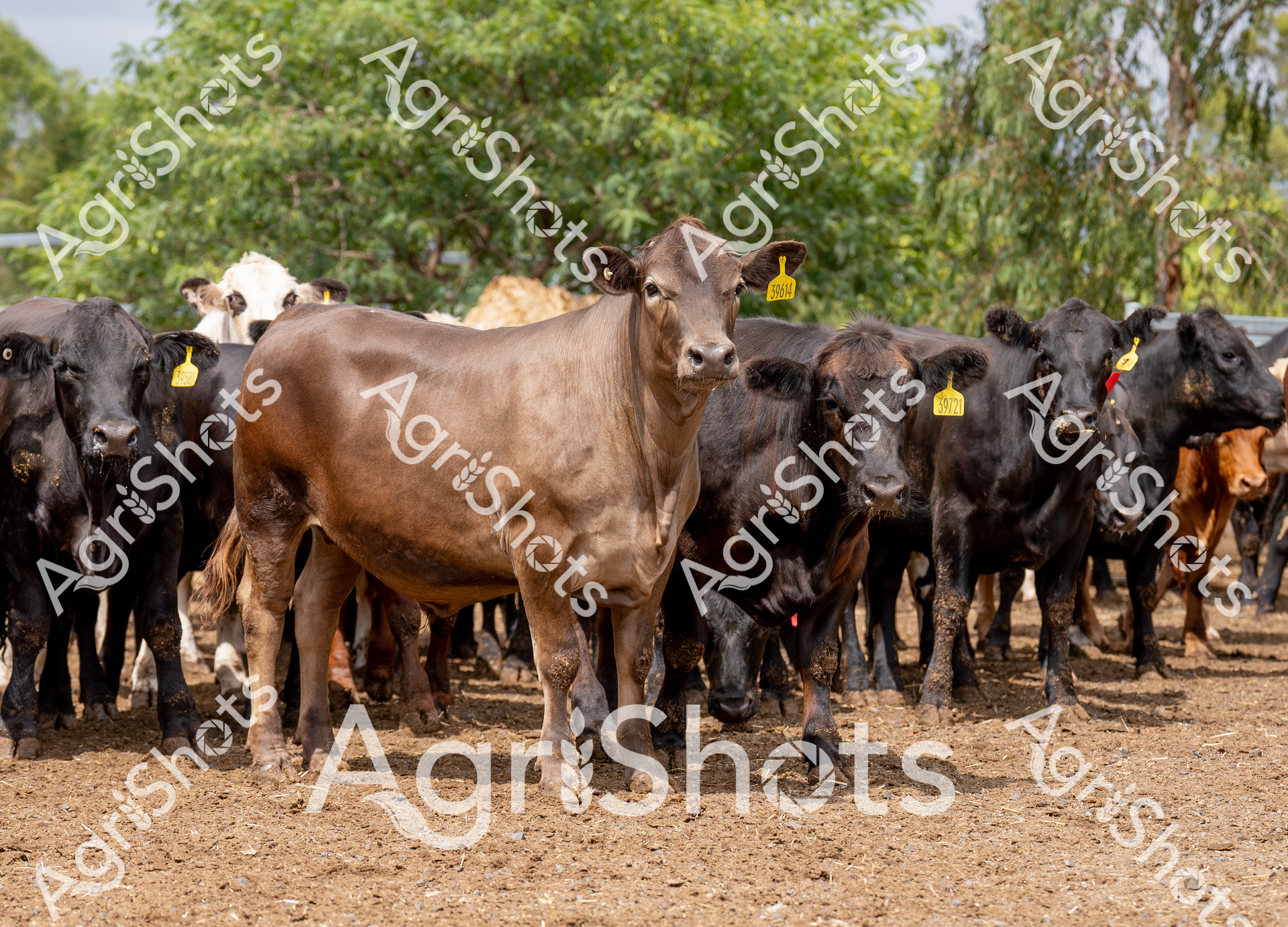
A golden-brown Murray Grey heifer stands prominently among a diverse herd of black and dark-colored cattle in a dusty rural yard near Goondiwindi, Queensland. The tight cluster of cattle, each marked with distinctive yellow ear tags, suggests a carefully managed livestock operation during the intense summer season. Sparse eucalyptus trees provide minimal shade in the background, reflecting the harsh agricultural landscape of southern Queensland. The ground is packed earth, worn and pale from relentless sun and livestock movement, highlighting the resilience of both the cattle and the farmers who manage them. The central cow's rich tan coat contrasts beautifully with the predominantly black herd, drawing the eye and showcasing the genetic diversity of Australian beef cattle breeding. This scene captures the essence of Australian pastoral life - a testament to the careful stock management and agricultural expertise that defines the region's cattle industry.
 Image
Image
A handsome brown cow stands prominently among a herd of predominantly black cattle in a dusty, sun-drenched cattle yard near Goondiwindi, Queensland. The livestock are tightly grouped on bare earth, with green trees providing a soft background contrast to the rugged pastoral scene. Each animal wears a distinctive yellow ear tag, marking them as part of a carefully managed beef herd during the intense summer season. The central brown cow, likely a dairy or crossbreed, commands attention with her muscular build and alert posture, surrounded by her black Angus companions. The yard reflects the harsh conditions of Australian cattle farming, with compacted ground and a tight clustering that suggests recent mustering or preparation for movement. Yellow ear tags glint in the strong sunlight, a standard identifier that speaks to modern agricultural management practices in this classic Queensland cattle country.
 Image
Image
Black Angus cattle cluster in a dusty feedlot laneway near Goondiwindi, Queensland, during the intense summer heat. Sleek, dark-coated bovines wear bright yellow identification tags, standing in tight formation against a weathered metal fence line. The lead cow, muscular and alert, gazes directly forward with an intense amber-flecked eye, her hide gleaming with a rich chocolate-black sheen. Pale dirt and sparse grasses characterize the surrounding landscape, reflecting the harsh seasonal conditions of inland Queensland. Each animal displays the robust characteristics of well-managed beef stock - compact, powerful bodies indicating careful breeding and nutrition. The tight clustering suggests controlled movement, likely part of routine cattle management in this critical agricultural region, where precision and animal health determine economic success.
 Image
Image
Muscled black and brown cattle surge through a steel-railed laneway at a Goondiwindi region feedlot, their powerful bodies filling the narrow passage. A green utility vehicle loaded with working dogs and agricultural workers navigates carefully between the herd, guiding their methodical progress. Overcast skies cast soft, diffused light across the golden dry grasslands and scattered eucalyptus trees, capturing a quintessential Queensland agricultural landscape. The cattle's sleek coats reflect subtle variations of charcoal, chocolate, and deep umber, highlighting the robust beef genetics carefully managed in this professional livestock operation. Sturdy metal infrastructure - galvanized rails and carefully constructed lanes - demonstrate the precision of modern Australian cattle management, where animal welfare and efficient movement are paramount. This scene epitomizes the skill and infrastructure of contemporary beef production, where technology, animal husbandry, and landscape converge in a choreographed agricultural performance.
 Image
Image
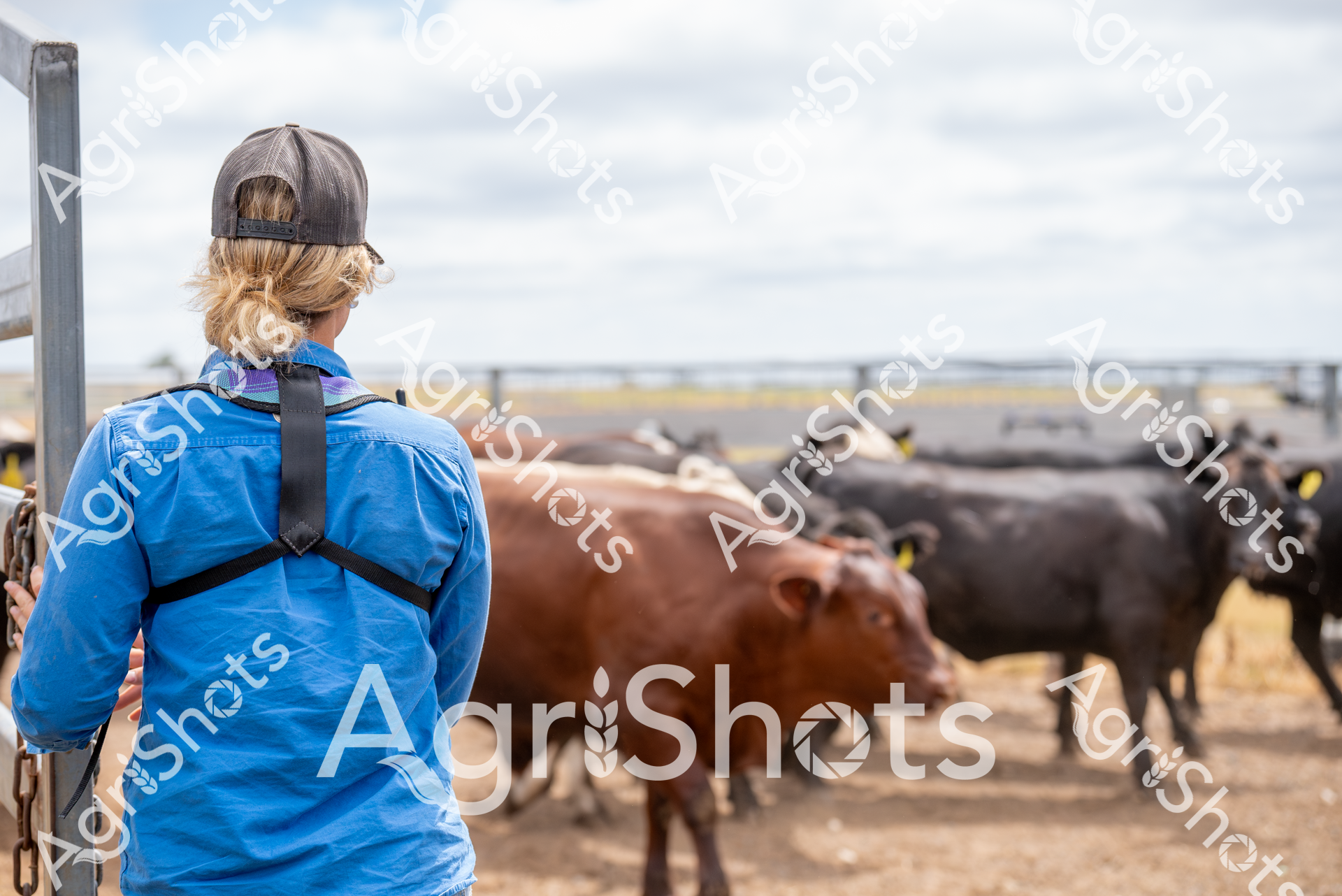
A young agricultural worker stands resolute in a bustling cattle feedlot, her back turned to the camera, wearing a vibrant blue shirt and a backwards cap. Sleek black safety harness traces her frame as she surveys a pen of robust beef cattle - a mix of rich mahogany and deep charcoal hides, each animal tagged with distinctive yellow ear markers. The expansive Queensland landscape stretches behind her, a soft grey sky and dusty golden ground creating a quintessential Australian agricultural backdrop. Her posture speaks of quiet confidence and professional focus, representing the critical role of women in modern agricultural management. The meticulously organized feedlot laneway system demonstrates sophisticated livestock handling techniques, with carefully constructed fencing and strategic movement pathways. This image captures the essence of contemporary cattle production - a blend of scientific precision, animal husbandry expertise, and the enduring spirit of rural Australian agriculture.
 Image
Image
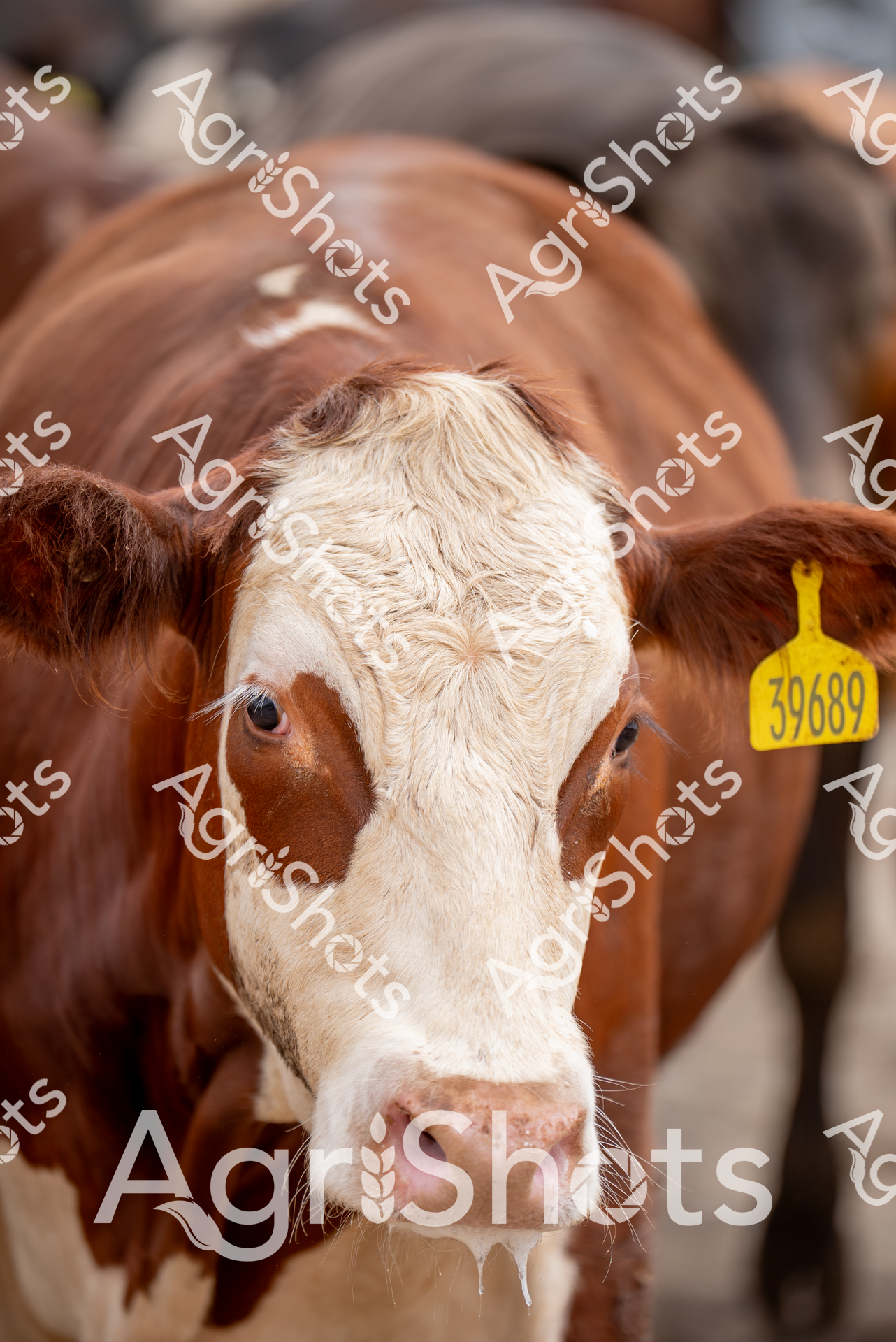
A Hereford-cross heifer stands resolute in a cattle yard, her distinctive white-faced markings contrasting against her rich russet-brown body. Her yellow ear tag - numbered 39689 - marks her place in the systematic management of a modern agricultural operation, likely in the Goondiwindi region of Queensland. The crisp summer light illuminates her fine, short hair, revealing subtle textures and the alert intelligence of her warm brown eyes. Clustered behind her, other cattle create a blurred backdrop suggesting movement and the dynamic process of yarding and processing livestock. The close-up perspective captures the animal's quiet strength and the meticulous attention to individual identification that characterizes contemporary cattle farming. Her calm, direct gaze speaks to the carefully bred temperament of contemporary beef stock, representing the intersection of agricultural science and pastoral tradition in Australian livestock management.
Well, you've ploughed through the whole field!
No more crops to harvest here, mate.
Try searching for something else in our library of 50,000+ royalty-free media: